Garanție de rambursare în 100 de zile Livrare gratuită în toată lumea
646.446opere de artă 53.409artişti 5.406muzee 32limbi

Mannerist pictori at a glance

Famous Mannerist Pictori — Top 71 List

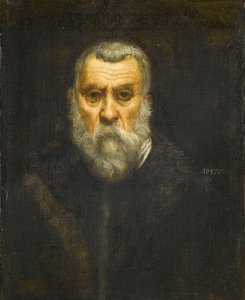
El Greco (1541–1614) is the most famous Mannerist pictor, best known for The Disrobing of Christ (El Espolio) și Înfățișarea Întrupării Domnului. Then Tintoretto, Giuseppe Arcimboldo, Agnolo Bronzino și Sofonisba Anguissola. The list covers 71 pictori born between 1475 and 1577 in 14 countries, from Amico Aspertini to Cristofano Allori.

Method. Scope: artists filed under Mannerist in our catalogue. Order: our artist fame ranking. Excluded: artists born after 1955 without a Wikidata identifier. Wikipedia figure: languages with an article, out of our 32.

  1. The Disrobing of Christ (El Espolio) de El Greco1El Greco
  2. Învierea lui Hristos (detaliu) de Tintoretto2Tintoretto
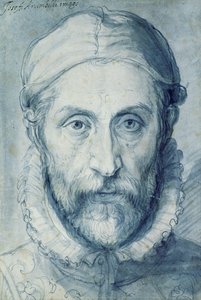
  3. Vertumno de Giuseppe Arcimboldo3Giuseppe Arcimboldo

Key data

Mannerist: key data

  • 71Artiști
  • 1475–1577Anii de naștere
  • 14Țări de origine
  • 2Femei
  • 5.179Lucrări din catalogul nostru
Orașele cu cele mai multe nașteri
Florența (8), Florence (6), Bologna (5), Veneția (3)
Femeile din această listă
Sofonisba Anguissola, Lavinia Fontana

Ranked list

71 Mannerist Pictori, ranked with key works

1/ 71

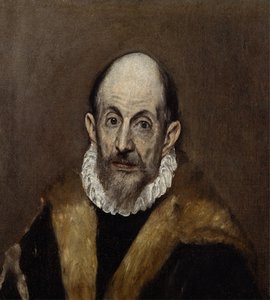
El Greco

Greacă-Spaniolă b. Heraklion Mannerism, Barroco Wikipedia 31/32
El Greco

Doménikos Theotokópoulos, cunoscut de istorie sub numele de El Greco, și-a început călătoria în 1541 pe insula Creta. În Republica Venetiană, a descoperit operele lui Titian și Tintoretto, absorbind măiestria lor în utilizarea culorii și a luminii pentru a defini forma. După o perioadă petrecută la Roma, unde a întâlnit formele alungite și compozițiile sofisticate ale manierismului, El Greco s-a stabilit în Toledo, Spania, în anul 1577.

Key works · Top 100 works

4/ 71

Agnolo Bronzino

Italian b. Florența Mannerism Wikipedia 29/32

Agnolo Bronzino

Recognizing Pontormo's pioneering approach to portraying emotion and dynamism—a radical departure from the prevailing stylistic conventions of the High Renaissance—Bronzino embraced Pontormo’s expressive distortions as a cornerstone of his own artistic vision.

Trained Alessandro Allori #20

Key works · Top 100 works

5/ 71

Sofonisba Anguissola

Italian b. Cremona Manierismo Wikipedia 29/32

Sofonisba Anguissola

Primele lucrări ale Anguissola sunt caracterizate printr-o intimitate remarcabilă și o profunzime psihologică, fiind deosebit evidente în portretele familiei sale.

Key works · Top 100 works

7/ 71

Parmigianino

b. Parma Wikipedia 28/32

Parmigianino

Girolamo Francesco Maria Mazzola, cunoscut istoriei ca Parmigianino – „cel mic din Parma” – a apărut în timpul Renașterii de Trecere, dar a devenit rapid o figură definitorie a stilului manierist emergent. Născut în Parma pe 11 ianuarie 1503, viața sa timpurie a fost marcată de pierderi familiale; tatăl său, Filippo Mazzola, a murit când Girolamo avea doar doi ani.

Key works · Top 100 works

8/ 71

Giorgio Vasari

Italian b. Arezzo Mannerism Wikipedia 31/32

Giorgio Vasari

Lives of the Most Excellent Painters, Sculptors, and Architects (1550 & 1568): Vasari's magnum opus, a biographical survey of Italian artists from the early Renaissance to his own time, establishing a framework for art historical study.

Trained Jacopo Zucchi #54, Federico Zuccari #41

Key works · Top 100 works

9/ 71

Giulio Romano

Italian b. Roma Mannerismo Wikipedia 28/32

Giulio Romano

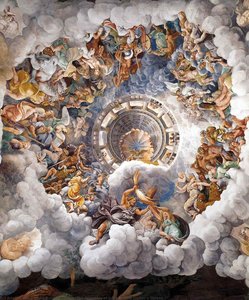
The Sala dei Giganti (Hall of the Giants), for example, is a particularly striking example of Giulio's artistic prowess, depicting a chaotic battle between gods and giants within an architectural framework that seems to dissolve into a swirling vortex of figures and fragmented spaces.

Key works · Top 100 works

10/ 71

Rosso Fiorentino

Italian b. Florența Manevism Wikipedia 27/32

Rosso Fiorentino

Giovanni Battista di Jacopo, cunoscut lumii întregi sub numele de Rosso Fiorentino – „Roșul Florentin” – era un nume șoptit cu o combinație de admirație și un strop de neliniște în timpul Renașterii italiene. Educația artistică a lui Rosso a început în atelierul estimat al lui Andrea del Sarto, unul dintre marii maeștri ai Florenței.

Key works · Top 100 works

11/ 71

Sebastiano del Piombo

Italian b. Veneția Renascimentul Timpuriu, Mannerism Wikipedia 23/32

Sebastiano del Piombo

Cele două maestre au recunoscut o spirit comun în căutarea lor de grandiozitate și precizie anatomică; Michelangelo l-a susținut activ pe Sebastiano, îndurându-l să concureze cu Rafael pentru comenzi prestigioase.

Key works · Top 100 works

13/ 71

Domenico Beccafumi

Italian b. Castelnuovo Berardenga Mannerism Wikipedia 21/32

Domenico Beccafumi

Domenico di Pace Beccafumi stands as a singular figure in the panorama of Italian Renaissance art—a painter who stubbornly clung to traditions while simultaneously embracing innovations that would propel Mannerism into prominence.

Key works · Top 100 works

15/ 71

Bartholomeus Spranger

Flemish b. Antwerp Maniereismul Nordic Wikipedia 18/32

Bartholomeus Spranger

Bartholomäus Spranger (1546-1611), un nume care rezonează prin sălile Manierismului Nordic, a fost mai mult decât un simplu pictor; a fost o figură pivotantă în modelarea sensibilităților artistice ale epocii sale.

Key works · Top 100 works

17/ 71

Federico Barocci

b. Urbino Wikipedia 24/32

Federico Barocci

În căutarea perfecționării, Barocci s-a îndreptat spre Roma, unde a lucrat în atelierul prestigioasei familii Zuccari, Taddeo și Federico.

Key works · Top 100 works

19/ 71

Cristofano Allori

Italian b. Florența Mannerism Wikipedia 23/32

Cristofano Allori

În amurgul Renașterii, pe măsură ce armoniile echilibrate ale secolului precedent lăsau locul energiei neliniștite a Maniereismului, Cristofano Allori a apărut ca o voce vitală în școala florentină. Născut în 1577 într-un oraș îmbibat de prestigiu artistic, Allori era destinat pensulei.

Trained by Alessandro Allori #20

Key works · Top 100 works

20/ 71

Alessandro Allori

Italian b. Florența Manierism Wikipedia 24/32

Alessandro Allori

Criticii au remarcat adesea tendința sa de a se baza puternic pe operele anterioare, rafinând și reinterpretând lucrările maeștrilor precum Michelangelo și Rafael prin lentila viziunii lui Bronzino.

Trained Cristofano Allori #19

Key works · Top 100 works

21/ 71

Niccolò Dell'Abbate

Italian b. Modena Maniereism Wikipedia 25/32

Niccolò Dell'Abbate

Aceste peisaje servau frecvent drept scenă pentru scene dramatice ce aveau ca protagoniști figuri din mitologia clasică – povești precum cea a Orfeului și a Euridicei, raptul lui Proserpina sau Judecata lui Paris.

Key works · Top 100 works

24/ 71

Francesco Salviati

Italian b. Florența Mannerism Wikipedia 17/32

Francesco Salviati

Stilul artistic al lui Salviati este caracterizat printr-un amestec distinct de influențe – realismul lui del Sarto, dinamismul lui Michelangelo și eleganța lui Rafael, toate filtrate prin lentila Mannerismului.

Key works · Top 100 works

25/ 71

Giambologna

Flandrez b. Douai Sculptură Manneristă

Giambologna

Jean Boulogne, cunoscut ulterior sub numele de Giambologna (1529 – 1608), se impune ca unul dintre cei mai influenți sculptori ai perioadelor Renașterii italiene și ale Barocului. Născut la Douai, în Flandra — astăzi Franța —, călătoria sa artistică a început cu studii formative sub îndrumarea lui Jacques Du Broeucq în Antwerpen, înainte de a porni spre o relocare transformatoare la Roma în 1550.

Key works · Top 100 works

26/ 71

Karel Van Mander Cel Mai Tânăr

Flandrean b. Meulebeke Maniereismul Nordic Wikipedia 20/32

Karel Van Mander Cel Mai Tânăr

Născut: Mellebeke, Belgia (1548) Decedat: 1606 Karel Van Mander Cel Mai Tânăr s-a născut într-o familie nobilă în Meulebeke, în județul Flandra, într-o epocă în care spiritul artistic începea să se împletească profund cu tradiția culturală europeană.

Key works · Top 100 works

27/ 71

Daniele Da Volterra

Italian b. Volterra Manevism Wikipedia 17/32

Daniele Da Volterra

Daniele Ricciarelli, născut în vechiul oraș etrusc Volterra în jurul anului 1509, a devenit în cele din urmă cunoscut sub numele de Daniele da Volterra – un nume indisolubil legat atât de strălucirea artistică, cât și de controverse.

Key works · Top 100 works

28/ 71

Jean Goujon

Francez b. Normandia Manevism

Jean Goujon

Jean Goujon (aprox. 1510 – aprox. 1567) se impune ca o piatră de temelie a sculpturii și arhitecturii Renașterii franceze, întruchipând fervoare stilistică a manierismului, oferind în același timp o ancorare profundă în idealurile clasice. Călătoria lui Goujon a început prin experiențele formative din Italia, unde a absorbit măreția sculpturii romane și a integrat principiile acesteia în propriul său stil distinctiv.

Key works · Top 100 works

29/ 71

Prospero Fontana

Italian b. Bologna Late Renaissance & Mannerism Wikipedia 18/32

Prospero Fontana

His work also includes significant contributions to the decoration of the Santa Maria del Baraccano church in Bologna, including a captivating “Disputa di Santa Caterina.” His daughter, Lavinia Fontana, who herself became a successful painter, undoubtedly benefited from her father’s tutelage and artistic guidance.

Key works · Top 100 works

30/ 71

Joachim Wtewael

Olandez b. Utrecht Mannerism Wikipedia 14/32

Joachim Wtewael

Joachim Anthonisz Wtewael, un nume șoptit printre cunoscătorii Epocii de Aur olandeze, rămâne o figură captivantă a cărei artă sfidează orice încercare de categorisire simplistă. Născut în 1566 și decedat în 1638, viața sa s-a dovedit a fi la fel de multifacetată ca propriile sale pântece de pictură. O perioadă de cotitură a apărut atunci când, începând cu anul 1586, a pornit în călătorii prin Italia și Franța.

Key works · Top 100 works

31/ 71

Francesco Primaticcio

Italian b. Bologna Mannerism Wikipedia 22/32

Francesco Primaticcio

Francesco Primaticcio stands as a towering figure of the Italian Mannerist tradition, a polymath whose creative reach extended far beyond the canvas to encompass the realms of architecture and sculpture. Born in Bologna, Italy, his artistic journey began under the rigorous guidance of Giulio Romano in Mantua, where he absorbed the complex, tension-filled aesthetics that would later define his career.

Trained by Giulio Romano #9

Key works · Top 100 works

32/ 71

Otto van Veen

Flemish b. Leiden Mannerism Wikipedia 15/32

Otto van Veen

From approximately 1594 or 1595 until 1598, Van Veen served as Rubens’ teacher, instilling in the young artist a rigorous classical education and a deep appreciation for humanist principles. His Quinti Horatii Flacci Emblemata (1607), Amorum Emblemata (1608), and Amoris Divini Emblemata (1615) are prime examples of this form, showcasing his skill as both an artist and a scholar.

Trained by Federico Zuccari #41

Key works · Top 100 works

33/ 71

Luca Cambiaso

Italian b. Moneglia Școala Genovese, Mannerism Wikipedia 15/32

Luca Cambiaso

Luca Cambiaso (1527-1585) se impune ca o figură esențială în istoria artei Renașterii italiene, fiind renumit în special pentru rolul său pionier în fondarea Școlei de pictură genoveză. Născut în Moneglia, un mic oraș de coastă din Republica Genova, călătoria artistică a lui Cambiaso a început sub îndrumarea tatălui său, Giovanni Cambiasi, un artizan priceput care i-a transmis o înțelegere fundamentală a tehnicilor picturale.

Key works · Top 100 works

34/ 71

Giuseppe Cesari

Italian b. Arpino Maniereism Wikipedia 14/32

Giuseppe Cesari

Giuseppe Cesari, născut la Arpino în jurul anului 1568 și decedat tragic la Roma în 1640, rămâne o figură fascinantă, deși somewhat enigmatică, în ricoșa bogată a istoriei artei italiene.

Key works · Top 100 works

36/ 71

Hendrick De Clerck

Flemish Late Mannerism

Hendrick De Clerck

Early Life & Training: De Clerck’s formative years are shrouded in obscurity, though evidence suggests he received training under Jan Brueghel the Elder, a titan of Flemish landscape painting and a pivotal influence on de Clerck's artistic approach. Collaborations with Jan Brueghel the Elder on landscapes such as “ Paradise ” further cemented De Clerck’s reputation as a visionary artist who skillfully blended tradition and innovation.

Key works · Top 100 works

37/ 71

Leandro Bassano

Italian b. Bassano del Grappa Maniereism Wikipedia 13/32

Leandro Bassano

Jacopo Carucci, cunoscut mult mai bine sub numele de Jacopo Pontormo, rămâne o figură de o fascinație profundă și adesea perplexing în istoria artei. Născut în 1494, în micul oraș toscan Pontorme, de lângă Empoli, destinul său nu era unul marcat de o educație artistică convențională.

Key works · Top 100 works

38/ 71

Perino del Vaga

Italian b. Florence Mannerist Painting Wikipedia 15/32

Perino del Vaga

Pietro Buonaccorsi, known to history through the evocative moniker Perino del Vaga, remains one of the most captivating figures of the transition from the High Renaissance to the intricate complexities of Mannerism. Born in Florence around 1501 into a lineage of artistic talent, his very name— Vaga, meaning wandering or idle—suggests a restless creative energy that would eventually carry him far beyond the borders of his native Tuscany.

Key works · Top 100 works

39/ 71

Stradanus

Flemish b. Bruges Renaissance, 16th Century Painting Wikipedia 15/32

Stradanus

His arrival coincided with a period of immense artistic patronage and experimentation within the court, orchestrated by Grand Duke Cosimo I de’ Medici and his advisor, Giorgio Vasari.

Trained Antonio Tempesta #56

Key works · Top 100 works

41/ 71

Federico Zuccari

Italian b. Sant'Angelo in Vado Mannerism Wikipedia 18/32

Federico Zuccari

Their collaborative spirit yielded masterpieces such as “The Holy Family ” in Palazzo Vecchio, a work that serves as a testament to their unified artistic language.

Trained by Giorgio Vasari #8

Key works · Top 100 works

42/ 71

Cecchino Del Salviati

Italian b. Florența Pictură manieristă

Cecchino Del Salviati

În peisajul vibrant și schimbător al secolului al XVI-lea, puțini artiști au surprins energia neliniștită a mișcării manieriste atât de profund precum Francesco Salviati, cunoscut istoriei prin apelativul său evocator, Cecchino del Salviati. Născut în Florența în jurul anului 1510, într-o linie de talente creative — tatăl său fiind pictorul Francesco Rossi — Cecchino era destinat unei vieți îmbibate în complexitățile estetice ale Renașterii italiene.

Key works · Top 100 works

43/ 71

Cornelis Ketel

Dutch b. Gouda Mannerism Wikipedia 13/32

Cornelis Ketel

Cornelis Ketel, born in Gouda, Netherlands in 1548, occupies a fascinating, transitional space within the history of Dutch art. He spent time in Paris with Jean de la Hame, a glass-painter serving King Charles IX, before securing a position at Fontainebleau during the twilight years of the School of Fontainebleau.

Key works · Top 100 works

46/ 71

Scipione Pulzone

b. Gaeta Wikipedia 11/32

Scipione Pulzone

Prin măiestria sa, Pulzone a reușit să echilibreze armonios idealurile Renașterii cu noile sensibilități baroce care începeau să se cristalizeze.

Key works · Top 100 works

47/ 71

Santi di Tito

Italian b. Florence Proto-Baroque & Counter-Maniera Wikipedia 14/32

Santi di Tito

In the vibrant, shifting landscape of late 16th-century Italy, few figures played as pivotal a role in redefining the visual language of Florence as Santi di Tito. Between 1558 and 1564, di Tito’s presence was felt in the grand halls of Rome, where he worked alongside talented peers such as Giovanni de’ Vecchi and Niccolò Circignani.

Key works · Top 100 works

48/ 71

Polidoro Da Caravaggio

Italian b. Caravaggio Maniereism Wikipedia 10/32

Polidoro Da Caravaggio

Polidoro Caldara, cunoscut de istorie sub numele de Polidoro Da Caravaggio, a apărut în orășelul Caravaggio din Lombardia în jurul anului 1499, un nume pe care îl va adopta ulterior pentru sine — o prefigurare a identității sale artistice.

Key works · Top 100 works

50/ 71

Andrea Schiavone

Italian b. Zadar Baroque Sculpture; Mannerism Wikipedia 14/32

Andrea Schiavone

In the vibrant, sun-drenched tapestry of the sixteenth-century Venetian Republic, few names evoke as much intrigue and stylistic complexity as Andrea Schiavone. Born Andrea Meldolla, his very moniker—meaning "Andrew the Slav"—serves as a poetic testament to his dual identity. Though his roots lay in the Dalmatian city of Zara, now Zadar, Croatia, his artistic spirit was forged in the heart of Venice.

Key works · Top 100 works

51/ 71

Jacopo Ligozzi

Italian b. Verona Renaștere târzie și Manehism Wikipedia 11/32

Jacopo Ligozzi

În era vibrantă și transformatoare a Italiei de la sfârșitul Renașterii și din perioada Manierismului, puține figuri au întruchipat intersecția dintre grația estetică și curiozitatea empirică atât de profund precum Jacopo Ligozzi. Născut în Verona în 1547, fiul respectatului artist Giovanni Ermano Ligozzi, Jacopo a fost scufundat încă de la naștere într-o lume în care măiestria și narativul vizual erau esențiale.

Key works · Top 100 works

52/ 71

Bartolomeo Passarotti

Italian b. Bologna Mannerism Wikipedia 10/32

Bartolomeo Passarotti

In the vibrant, shifting landscape of the late sixteenth century, few artists captured the transition from the structured elegance of the High Renaissance to the dramatic intensity of the Baroque as skillfully as Bartolomeo Passarotti. Born in Bologna in 1529, Passarotti emerged not merely as a painter, but as a pivotal bridge between eras.

Key works · Top 100 works

53/ 71

Andrea Vicentino

Italian b. Vicenza Late Renaissance/Mannerist Wikipedia 5/32

Andrea Vicentino

Under the watchful eye and expert tutelage of Giovanni Battista Maganza, Vicentino developed a command over monumental compositions and refined aesthetics that would later define his career. Known variously as Andrea Michieli or Michelli, his movement toward Venice in the mid-1570s marked a transformative era in his development. By 1583, he had officially registered with the Fraglia, the prestigious Venetian guild of painters.

Key works · Top 100 works

54/ 71

Jacopo Zucchi

Italian b. Florence Mannerist Painting Wikipedia 11/32

Jacopo Zucchi

Allegorical Narrative: His masterpiece, Age of Silver, demonstrates his command over the Florentine Baroque style, weaving intricate details of justice and angelic presence into a complex tapestry of meaning.

Trained by Giorgio Vasari #8

Key works · Top 100 works

55/ 71

Domenico Tintoretto

Italian b. Veneția Maniereism Wikipedia 9/32

Domenico Tintoretto

Semnificația istorică a lui Domenico Robusti rezidă în rolul său de punte între drama înaltă a Renașterii tardive și sensibilitățile mai rafinate și echilibrate ale erei următoare.

Key works · Top 100 works

56/ 71

Antonio Tempesta

Italian b. Florence Mannerism Wikipedia 11/32

Antonio Tempesta

Narrative Allegories: Utilizing complex symbolism to communicate religious and political themes, such as in his evocative work The Expulsion of Heliodorus from the Temple.

Trained by Stradanus #39

Key works · Top 100 works

57/ 71

Amico Aspertini

Italian b. Bologna Maniereism Wikipedia 11/32

Amico Aspertini

În mod crucial, călătoriile lui Aspertini alături de tatăl său la Roma, în 1496, i-au oferit ocazia de a fi martor direct la scena artistică înfloritoare a curții papale, largindu-i și mai mult orizonturile stilistice.

Key works · Top 100 works

58/ 71

Wenzel Jamnitzer

German b. Vienna Northern Mannerism

Wenzel Jamnitzer

Notably, he studied alongside Euclid's Elements and Plato’s Timaeus, texts considered foundational for geometric reasoning and philosophical contemplation – influences that would profoundly shape his later artistic pursuits.

Key works · Top 100 works

59/ 71

Vincenzo Scamozzi

Italian b. Vicenza

Vincenzo Scamozzi

Born in Vicenza, Italy, he emerged from a lineage of builders, being the son of Gian Domenico Scamozzi, a surveyor and contractor who served as his first teacher. Following Palladio's death in 1580, Scamozzi found himself entrusted with several unfinished projects, most notably the prestigious Teatro Olimpico at Vicenza.

Key works · Top 100 works

61/ 71

Jan De Beer

b. Antwerp Antwerp Mannerism Wikipedia 9/32

Jan De Beer

Active primarily in Antwerp, he was a central protagonist in a loose but influential group of painters known as the Antwerp Mannerists. By 1504, he had achieved the prestigious status of master within the Antwerp Guild of Saint Luke, eventually rising to the esteemed position of dean. The work of Jan De Beer is characterized by a breathtaking marriage of Northern Renaissance realism and a burgeoning sense of theatricality.

Key works · Top 100 works

62/ 71

Marcello Venusti

Italian b. Mazzo di Valtellina Mannerist Wikipedia 10/32

Marcello Venusti

Born near Como in the rugged terrain of Mazzo di Valtellina around 1512, Venusti emerged from the Italian foothills to become a vital conduit for the Mannerist aesthetic. This formative connection anchored him within the sophisticated stylistic currents of Rome, preparing him to translate the monumental language of the High Renaissance into the more stylized, elongated, and emotive vocabulary of Mannerism.

Key works · Top 100 works

63/ 71

Toussaint Dubreuil

France b. Paris Second School Fontainebleau; Mannerism; Italian Art Influence Wikipedia 8/32

Toussaint Dubreuil

Toussaint Dubreuil (c. 1561 – 1602), a French painter born in Paris, stands as a pivotal figure within the Second School of Fontainebleau—a movement that skillfully blended the stylistic grandeur of Mannerism with the vibrant aesthetics of Italian Renaissance art.

Key works · Top 100 works

65/ 71

Jacopino del Conte

Italian b. Florence Mannerist Wikipedia 10/32

Jacopino del Conte

The “Virgin and Child with Saint Elizabeth and John the Baptist ” (1535), now housed in the Uffizi Gallery, exemplifies this evolution, showcasing a masterful command of perspective, drapery, and emotional expression.

Key works · Top 100 works

66/ 71

Paolo Fiammingo

Flemish b. Antwerp Landscape with mythological and allegorical Wikipedia 8/32

Paolo Fiammingo

The story of Paolo Fiammingo, born Pauwels Franck, is a captivating tale of artistic migration and the seamless blending of Northern precision with Italian grandeur. Emerging from the vibrant artistic traditions of Antwerp around 1540, this master crossed the Alps to find his true calling in the shimmering atmosphere of Venice.

Key works · Top 100 works

67/ 71

Jacques Bellange

French b. Bassigny Northern Mannerism Wikipedia 9/32

Jacques Bellange

A master of the Northern Mannerist style, his life was lived in the twilight of the late Renaissance, a period defined by elongated forms, theatrical tension, and an almost feverish psychological intensity. Born around 1575 in the Bâse-les-Vosges region of France, Bellange emerged from a landscape of shifting borders and intense religious fervor, eventually finding his creative home within the sophisticated courtly circles of Nancy.

Key works · Top 100 works

68/ 71

Girolamo Mazzola Bedoli

Italian b. Parma Mannerist Painting Wikipedia 8/32

Girolamo Mazzola Bedoli

In the vibrant, swirling currents of the Italian Mannerist period, few names capture the elegance and stylistic complexity of the Parma school quite like Girolamo Mazzola Bedoli. Born in Viadana around 1500, Bedoli emerged from a landscape deeply enriched by the artistic legacies of Lombardy and the sophisticated atmosphere of Parma.

Key works · Top 100 works

69/ 71

Lelio Orsi

Italian b. Novellara Mannerist Wikipedia 7/32

Lelio Orsi

In the twilight of the Italian Renaissance, as the harmonious balance of High Renaissance classicism began to fracture into the restless energy of Mannerism, there emerged a voice from the fertile plains of Emilia-Romagna that captured the profound anxieties of a changing world. Born in the small town of Novellara around 1508 or 1511, Orsi navigated an era defined by shifting theological certainties and the complex intellectual currents of humanism.

Key works · Top 100 works

Best-known works

Famous Mannerist paintings by artist

  1. The Disrobing of Christ (El Espolio) de El Greco

    The Disrobing of Christ (El Espolio)

    El Greco

    1577 · Catedrala din Toledo

  2. Învierea lui Hristos (detaliu) de Tintoretto

    Învierea lui Hristos (detaliu)

    Tintoretto

    1579 · Scuola Grande di San Rocco, Veneția

  3. Vertumno de Giuseppe Arcimboldo

    Vertumno

    Giuseppe Arcimboldo

    1590 · Skoklosters Slott, Balsta

  4. Portrait of Eleonora da Toledo de Agnolo Bronzino

    Portrait of Eleonora da Toledo

    Agnolo Bronzino

    1555

  5. Portrait of the Artist's Sisters Playing Chess de Sofonisba Anguissola

    Portrait of the Artist's Sisters Playing Chess

    Sofonisba Anguissola

    1555 · Muzeum Narodowe w Pozaniu, Poznań

  6. Vizitarea de Jacopo da Pontormo

    Vizitarea

    Jacopo da Pontormo

    1528

  7. Madonna with the Long Neck de Parmigianino

    Madonna with the Long Neck

    Parmigianino

    1540

  8. Allegory of Justice de Giorgio Vasari

    Allegory of Justice

    Giorgio Vasari

    1543 · Museo di Capodimonte, Napoli

Chronology

Mannerist chronology

  1. 1517
  2. 1528
  3. 1532
  4. 1540
  5. 1543
  6. 1545
  7. 1554
  8. 1555
  9. 1565
  10. 1570
  11. 1579
  12. 1586
  13. 1592
  14. 1592

Statistics

Counts by country, period and museum

Țara de naștere
Italia34
Italy15
Țările de Jos3
Franța3
Belgium3
Germania2
Belgia2
Netherlands2
Deceniul de naștere
1470s2
1480s3
1490s5
1500s11
1510s10
1520s8
1530s7
1540s11
1550s7
1560s4
1570s3
Muzee care dețin operele lor cheie
Muzeul Kunsthistorisches din Viena19
Muzeul Ermitaj9
Muzeul Prado7
Colecțiile Statale de Pictură din Bavaria7
National Gallery6
Metropolitan Museum of Art5
Gemäldegalerie5
Muzeul Luvru5

Index

Full list of 71 famous Mannerist pictori

  1. 1El GrecoEl GrecoGreacă-Spaniolă · 1541–1614
  2. 2TintorettoTintorettoItalian · 1519–1594
  3. 3Giuseppe ArcimboldoGiuseppe ArcimboldoItalian · 1527–1593
  4. 4Agnolo BronzinoAgnolo BronzinoItalian · 1503–1572
  5. 5Sofonisba AnguissolaSofonisba AnguissolaItalian · 1532–1625
  6. 6Jacopo da PontormoJacopo da PontormoItalian · 1494–1556
  7. 7ParmigianinoParmigianino1503–1540
  8. 8Giorgio VasariGiorgio VasariItalian · 1511–1574
  9. 9Giulio RomanoGiulio RomanoItalian · 1499–1546
  10. 10Rosso FiorentinoRosso FiorentinoItalian · 1494–1540
  11. 11Sebastiano del PiomboSebastiano del PiomboItalian · 1485–1547
  12. 12Hendrik GoltziusHendrik GoltziusOlandez · 1558–1617
  13. 13Domenico BeccafumiDomenico BeccafumiItalian · 1484–1551
  14. 14Pieter AertsenPieter AertsenDutch · 1508–1575
  15. 15Bartholomeus SprangerBartholomeus SprangerFlemish · 1546–1611
  16. 16Lavinia FontanaLavinia FontanaItaliană · 1552–1614
  17. 17Federico BarocciFederico Barocci1535–1612
  18. 18Hans Von AachenHans Von AachenGerman · 1552–1615
  19. 19Cristofano AlloriCristofano AlloriItalian · 1577–1621
  20. 20Alessandro AlloriAlessandro AlloriItalian · 1535–1607
  21. 21Niccolò Dell'AbbateNiccolò Dell'AbbateItalian · 1512–1571
  22. 22Giovanni Battista MoroniGiovanni Battista Moroni1525–1578
  23. 23Benvenuto CelliniBenvenuto Cellini1500–1571
  24. 24Francesco SalviatiFrancesco SalviatiItalian · 1510–1563
  25. 25GiambolognaGiambolognaFlandrez · 1529–1608
  26. 26Karel Van Mander Cel Mai TânărKarel Van Mander Cel Mai TânărFlandrean · 1548–1606
  27. 27Daniele Da VolterraDaniele Da VolterraItalian · 1509–1566
  28. 28Jean GoujonJean GoujonFrancez · 1510–1567
  29. 29Prospero FontanaProspero FontanaItalian · 1512–1597
  30. 30Joachim WtewaelJoachim WtewaelOlandez · 1566–1638
  31. 31Francesco PrimaticcioFrancesco PrimaticcioItalian · 1504–1570
  32. 32Otto van VeenOtto van VeenFlemish · 1556–1629
  33. 33Luca CambiasoLuca CambiasoItalian · 1527–1585
  34. 34Giuseppe CesariGiuseppe CesariItalian · 1568–1640
  35. 35Francesco Bassano Cel TânărFrancesco Bassano Cel TânărItalian · 1549–1592
  36. 36Hendrick De ClerckHendrick De ClerckFlemish · 1570–1630
  37. 37Leandro BassanoLeandro BassanoItalian · 1557–1622
  38. 38Perino del VagaPerino del VagaItalian · 1501–1547
  39. 39StradanusStradanusFlemish · 1523–1605
  40. 40Il PordenoneIl PordenoneItalian · 1484–1539
  41. 41Federico ZuccariFederico ZuccariItalian · 1539–1609
  42. 42Cecchino Del SalviatiCecchino Del SalviatiItalian · 1510–1563
  43. 43Cornelis KetelCornelis KetelDutch · 1548–1616
  44. 44Gillis MostaertGillis MostaertFlemish · 1528–1598
  45. 45Francesco BacchiaccaFrancesco BacchiaccaItalian · 1494–1557
  46. 46Scipione PulzoneScipione Pulzone1550–1598
  47. 47Santi di TitoSanti di TitoItalian · 1536–1603
  48. 48Polidoro Da CaravaggioPolidoro Da CaravaggioItalian · 1499–1543
  49. 49Vincenzo CampiVincenzo CampiItalian · 1536–1591
  50. 50Andrea SchiavoneAndrea SchiavoneItalian · 1522–1563
  51. 51Jacopo LigozziJacopo LigozziItalian · 1547–1627
  52. 52Bartolomeo PassarottiBartolomeo PassarottiItalian · 1529–1592
  53. 53Andrea VicentinoAndrea VicentinoItalian · 1542–1617
  54. 54Jacopo ZucchiJacopo ZucchiItalian · 1542–1596
  55. 55Domenico TintorettoDomenico TintorettoItalian · 1560–1635
  56. 56Antonio TempestaAntonio TempestaItalian · 1555–1630
  57. 57Amico AspertiniAmico AspertiniItalian · 1475–1552
  58. 58Wenzel JamnitzerWenzel JamnitzerGerman · 1507–1585
  59. 59Vincenzo ScamozziVincenzo ScamozziItalian · 1548–1616
  60. 60Domenico FontanaDomenico FontanaItalian · 1543–1607
  61. 61Jan De BeerJan De Beer1475–1528
  62. 62Marcello VenustiMarcello VenustiItalian · 1510–1579
  63. 63Toussaint DubreuilToussaint DubreuilFrance · 1561–1602
  64. 64Tobias StimmerTobias StimmerSwiss · 1539–1584
  65. 65Jacopino del ConteJacopino del ConteItalian · 1510–1598
  66. 66Paolo FiammingoPaolo FiammingoFlemish · 1540–1596
  67. 67Jacques BellangeJacques BellangeFrench · 1575–1616
  68. 68Girolamo Mazzola BedoliGirolamo Mazzola BedoliItalian · 1500–1569
  69. 69Lelio OrsiLelio OrsiItalian · 1508–1587
  70. 70Michele TosiniMichele TosiniItalian · 1503–1577
  71. 71Juan Correa De VivarJuan Correa De VivarSpanish · 1510–1566

FAQ

Mannerist: quick answers

Guides

AllPaintingsStore.com guides

Other lists

Famous artists by movement

By period

Famous artists by period

Related lists

Related rankings