Garanție de rambursare în 100 de zile Livrare gratuită în toată lumea
646.446opere de artă 53.409artişti 5.406muzee 32limbi

The Ukiyo-e shortlist

Famous Ukiyo-e Artiști — Top 39 List

Katsushika Hokusai (1760–1849) is the most famous Ukiyo-e artist, best known for Valurile Mari ale Kanagawa și Fuji, Munții în vreme clară (Fuji Roșu). Then Hiroshige, Kitagawa Utamaro, Tsukioka Yoshitoshi și Torii Kiyonaga. The list covers 39 artizii born between 1618 and 1880 in 2 countries, from Hishikawa Moronobu to Goyō Hashiguchi.

Method. Scope: artists filed under Ukiyo-e in our catalogue. Order: our artist fame ranking. Excluded: artists born after 1955 without a Wikidata identifier. Wikipedia figure: languages with an article, out of our 32.

  1. Valurile Mari ale Kanagawa de Katsushika Hokusai1Katsushika Hokusai
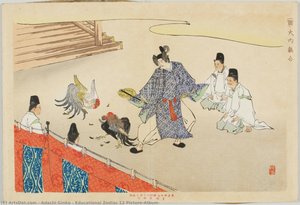
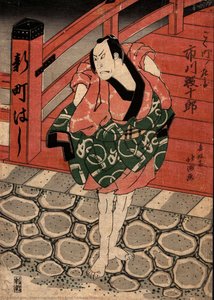
  2. Early Department from a Daimyo de Hiroshige2Hiroshige
  3. Utamaro Okita de Kitagawa Utamaro3Kitagawa Utamaro

Key data

Ukiyo-e: key data

  • 39Artiști
  • 1618–1880Anii de naștere
  • 2Țări de origine
  • 0Femei
  • 1Artiști în viață
  • 5.896Lucrări din catalogul nostru
Orașele cu cele mai multe nașteri
Tokyo (17), Edo (2), Osaka (2), Kawagoe (1)

Ranked list

39 Ukiyo-e Artiști, ranked with key works

1/ 39

Katsushika Hokusai

Japonez b. Tokyo Ukiyo-e Wikipedia 32/32
Katsushika Hokusai

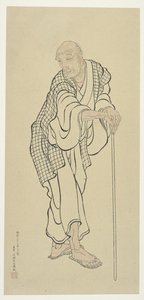
La vârsta de șase ani, băiatul deja schițează, condus de o foame de cunoaștere pe care tatăl său, Nakajima Ise, o recunoaște, dar nu o poate ghida complet. La vârsta de doisprezece ani, el intră în atelierul lui Katsukawa Shunshō, învățând precizia exigentă a printurilor pe lemn ukiyo-e. În jurul anului 1831, apare seria Treizeci și șase de vederi ale Muntelui Fuji, care schimbă fundamental scopul printării japoneze.

Key works · Top 100 works

2/ 39

Hiroshige

Japonez b. Tokyo *Ukiyo-e* Wikipedia 30/32

Hiroshige

Inițial destinat unui drum mai convențional în cadrul unei familii samurai – tatăl său fiind paznic al focului, Hiroshige a fost atras de aspirațiile sale artistice, începând un stagiu de ucenicie sub îndrumarea lui Utagawa Toyohiro, un maestru al școlii Utagawa. Cele cincizeci și trei de stații ale Tōkaidō: Cea mai celebră serie a lui Hiroshige, reprezentând călătoria de-a lungul drumului Tōkaidō.

Trained by Utagawa Toyohiro #26

Key works · Top 100 works

4/ 39

Tsukioka Yoshitoshi

Japonez b. Tokyo Ukiyo-e Wikipedia 15/32

Tsukioka Yoshitoshi

Opera sa a împletit adesea estetica tradițională japoneză cu influențele occidentale care au început să pătrundă în țară în timpul erei Meiji.

Trained by Utagawa Kuniyoshi #6

Key works · Top 100 works

6/ 39

Utagawa Kuniyoshi

Japonez b. Tokyo Ukiyo-e Wikipedia 24/32

Utagawa Kuniyoshi

Utagawa Kuniyoshi, născut Yoshisaburō pe 1 ianuarie 1798, în Edo (actualul Tokyo), se ridică ca o figură monumentală la finalul tradiției ukiyo-e – picturile “lumii plutitoare” care au capturat cu vivacitate viața japoneză din perioada Edo. A intrat în studioul Utagawa Toyokuni I în 1811, adoptând numele Kuniyoshi și începând o școală riguroasă de ucenicie care a perfecționat abilitățile sale și l-a introdus în convențiile școlii Utagawa.

Trained by Utagawa Toyokuni I #13 · Trained Utagawa Yoshitora #32, Kawanabe Kyōsai #11

Key works · Top 100 works

7/ 39

Suzuki Harunobu

Japoneză b. Tokyo Ukiyo-e Wikipedia 21/32

Suzuki Harunobu

Născut în jurul anului 1725, istoria familiei sale a fost marcată de exil; atât tatăl său, Shigekazu, cât și grandfatherul său, Shigemitsu, au fost trimiși din Edo în Kyoto. El a împrumutat stiluri de la Torii Kiyomitsu și Ishikawa Toyonobu, absorbind în același timp elemente de la școlile Kawamata și Kanō.

Key works · Top 100 works

8/ 39

Hishikawa Moronobu

Japonez b. Hota Ukiyo-e Wikipedia 20/32

Hishikawa Moronobu

Hishikawa Moronobu, născut în Edo (astătuat Tokyo) în anul 1618, se impune ca o figură pivotantă în istoria artei japoneze. Perioada Edo (1603-1868) a fost martorul unei perioade de înflorire a culturii urbane, alimentată de prosperitatea economică și de o pace relativă.

Key works · Top 100 works

9/ 39

Kunisada Utagawa

Japanese b. Honjo Ukiyo-e Wikipedia 17/32

Kunisada Utagawa

Recunoscând talentul său înnăscut, legendarul Toyokuni I, figura dominantă a școlii Utagawa și un renumit designer de Kabuki, l-a luat pe Kunisada sub aripa sa ca ucenic.

Trained by Utagawa Toyokuni I #13

Key works · Top 100 works

10/ 39

Chobunsai Eishi

Japonez b. Tokyo Ukiyo-e, Bijin-ga Wikipedia 11/32

Chobunsai Eishi

Deși circumstanțele exacte care au înconjurat trezirea sa artistică rămân parțial învăluite în mister, se crede că a primit instruirea timpurie de la Kanō Michinobu, un maestru prominent al școlii de pictură Kanō – renumită pentru detaliul meticulos și reprezentările stilizate ale naturii și ale subiectelor religioase.

Key works · Top 100 works

11/ 39

Kawanabe Kyōsai

Japanese b. Koga Ukiyo-e, Caricature, Manga pioneer Wikipedia 10/32

Kawanabe Kyōsai

Kawanabe Kyōsai entered the world in 1831 in Koga, born into a samurai family. This early shock preceded a formal education under the masters of the Kanō school and Utagawa Kuniyoshi. He moved to Edo, where his father joined the official firefighters of the Shogunate, and there, Kyōsai began to develop a persona that would define his career.

Trained by Utagawa Kuniyoshi #6

Key works · Top 100 works

12/ 39

Keisai Eisen

Japanese b. Edo Bunsei Era Ukiyo-e Wikipedia 15/32

Keisai Eisen

In the vibrant, flickering light of 19th-century Edo, few artists captured the pulse of the "floating world" with as much evocative intensity as Keisai Eisen. This shift defined the aesthetic of the Bunsei era (1818–1830), a period often characterized by its decadent and psychologically complex atmosphere. In works such as his depictions of Fukaya Station or Ageo Station, he transformed mere topographical records into cinematic snapshots of life in motion.

Key works · Top 100 works

13/ 39

Utagawa Toyokuni I

Japanese b. Shiba Ukiyo-e Wikipedia 13/32

Utagawa Toyokuni I

Unlike some artists blessed with immediate, innate talent, Toyokuni appears to have been a dedicated student, meticulously absorbing the techniques and aesthetics of those who preceded him.

Trained Utagawa Kunimasa #15, Utagawa Kuniyoshi #6, Utagawa Toyokuni II #35

Key works · Top 100 works

15/ 39

Utagawa Kunimasa

Japanese b. Aizu Utagawa School

Utagawa Kunimasa

Unlike many artists of his era who hailed from aristocratic families, Kunimasa emerged from modest circumstances, honing his skills in the dye industry before encountering the guiding hand of Utagawa Toyokuni. The Shintomiza Joruri, Constitution Festival Picture stands as another remarkable achievement, showcasing Kunimasa’s talent for conveying intricate narratives within a single frame—a testament to his artistic versatility.

Key works · Top 100 works

18/ 39

Utashige

Japanese Ukiyo-e

Utashige

This quiet revolution – a departure from the more flamboyant styles of his predecessors – established Hiroshige as a uniquely sensitive and poetic artist, whose work continues to inspire awe and contemplation centuries later.

Key works · Top 100 works

21/ 39

Isoda Koryūsai

Japanese b. Tokyo Ukiyo-e Wikipedia 10/32

Isoda Koryūsai

In the vibrant, bustling heart of the Edo period, a golden age of Japanese creativity, few names resonate with as much elegance and prolific energy as Isoda Koryūsai. Born in 1735 in the burgeoning metropolis of Tokyo—then known as Edo—Koryūsai was a man shaped by the dualities of his era.

Key works · Top 100 works

23/ 39

Kobayashi Kiyochika

Japonez b. Tokyo Ukiyo-e, Kōsen-ga Wikipedia 10/32

Kobayashi Kiyochika

Născut în Tokyo în 1847, în ultimele zile ale perioadei Edo din Japonia, Kobayashi Kiyochika a devenit o figură centrală în tranziția artistică a națiunii. Inițial aliniat cu Shogunatul Tokugawa, el a navigat cu îndemânare prin furtuna politică ce a urmat Restaurării, găsind în cele din urmă propria voce de artist care documenta noul Japon.

Trained by Kawanabe Kyōsai #11

Key works · Top 100 works

24/ 39

Adachi Ginko

Japanese Ukiyo-e

Adachi Ginko

In the vibrant, transformative era of the late Meiji period, few artists captured the shifting soul of Japan as vividly as Adachi Ginkō. Born in 1853, a time when the traditional structures of the Edo period were beginning to yield to the rapid modernization of the West, Ginkō emerged as a master of the Ukiyo-e tradition.

Key works · Top 100 works

25/ 39

Toyohara Chikanobu

Japanese Shin-hanga

Toyohara Chikanobu

In the twilight of the Edo period and the dawn of a modernizing Japan, few artists captured the profound tension between tradition and transformation as masterfully as Toyohara Chikanobu.

Key works · Top 100 works

26/ 39

Utagawa Toyohiro

Japanese b. Toyooka Ukiyo-e Wikipedia 8/32

Utagawa Toyohiro

In the vibrant tapestry of the Edo period, few names resonate with the quiet elegance and technical mastery of Utagawa Toyohiro. Born as Okajima Tōjiro in Toyooka, Japan, this distinguished artist emerged as a pivotal figure within the renowned Utagawa school.

Key works · Top 100 works

27/ 39

Mizuno Toshikata

Japanese b. Tokyo Ukiyo-e, Kuchi-e

Mizuno Toshikata

Unlike the often-dramatic compositions favored by Yoshitoshi, Toshikata's works are imbued with an understated elegance and a profound sense of sentimentality. Several notable works by Mizuno Toshikata can be found in prestigious collections, including those at the Keio University Library and the Meiji Jingu Forest Festival of Art.

Key works · Top 100 works

28/ 39

Ishikawa Toyonobu

Japanese b. Tokyo Ukiyo-e (Lacquer Print Art) Wikipedia 7/32

Ishikawa Toyonobu

Among them stands Nishimura Shigenobu, also known as Ishikawa Toyonobu (1711–1785), a figure whose work embodies both the elegance and subtle sensuality characteristic of early ukiyo-e. He is often considered to have been the same person as Nishimura Shigenobu, a contemporary artist and student of Nishimura Shigenaga. Toyonobu’s artistic education began under the tutelage of Nishimura Shigenaga, a pupil of the renowned Okumura Masanobu.

Key works · Top 100 works

29/ 39

Kogyo Sakamaki

Japanese Noh Theatre Prints

Kogyo Sakamaki

His prints continue to be studied by scholars and admired by collectors alike, serving as invaluable documents of Noh theatre’s cultural history and embodying the artistic ideals of the Meiji era—a testament to Sakamaki’s enduring legacy as a master of ukiyo-e and a poet of Japanese tradition.

Key works · Top 100 works

32/ 39

Utagawa Yoshitora

Utagawa Yoshitora

His artistic journey unfolded under several names – Ichimōsai Yoshitora, Kinchōrō Yoshitora, and Mosai Yoshitora – a practice not uncommon among ukiyo-e artists who adopted different art names throughout their careers to mark stylistic shifts or periods of production.

Key works · Top 100 works

33/ 39

Toyohara Kunichika

Japonez b. Tokyo Ukiyo-e (Yakusha-e, Bijinga) Wikipedia 10/32

Toyohara Kunichika

Recunoscut pentru talentul său excepțional încă de la o vârstă fragedă, acesta a devenit ucenicul lui utagawa kunisada, cel mai important maestru al printului din Tokyo, la vârsta de doar treisprezece ani.

Key works · Top 100 works

34/ 39

Utagawa Kunisada Ii

Japonez b. Tokyo Ukiyo-e (yakusha-e) Wikipedia 6/32

Utagawa Kunisada Ii

Opera lui kunisada ii este de o bogăție vizuală uluitoare, cuprinzând peste 40 de serii care explorează diverse teme fascinante.

Key works · Top 100 works

35/ 39

Utagawa Toyokuni II

Japanese Ukiyo-e Wikipedia 4/32

Utagawa Toyokuni II

Hiroshige's fame rests largely upon his monumental Tokaido series (1830–1832), a meticulously planned depiction of the 67 stations along Japan’s ancient pilgrimage route from Edo to Kyoto.

Trained by Utagawa Toyokuni I #13

Key works · Top 100 works

37/ 39

Utagawa Kunitsuna Ii, Ichiransai, Sadashige

Japanese Ukiyo-e

Utagawa Kunitsuna Ii, Ichiransai, Sadashige

Pinpointing Kunitsuna’s artistic lineage proves challenging due to the limited documentation surrounding his early career.

Key works · Top 100 works

38/ 39

Utagawa Yoshikazu

Japanese b. Edo Ukiyo-e, Yokohama-e Wikipedia 3/32

Utagawa Yoshikazu

He demonstrated a particular mastery of capturing textures and materials, from the sheen of Western fabrics to the rough surfaces of Japanese buildings. Among Yoshikazu’s most celebrated works are prints like “ American Family Print ” (1861) and “ Modern Ups and Downs Contests: Yokohama Merchants Referee (between) Entertainers and Non-workers,” which vividly portray the social dynamics of Yokohama during this period.

Trained by Utagawa Kuniyoshi #6

Key works · Top 100 works

39/ 39

Shunkōsai Hokushū

Japanese b. Osaka Kamigata-e Wikipedia 3/32

Shunkōsai Hokushū

The Osaka Style Emerges: Unlike the Edo-period’s dominant trend of producing prints in Tokyo, Hokuchō remained firmly rooted in Osaka. Osaka’s Artistic Landscape: Hokuchō's artistic output reflects Osaka’s position as a center of theatrical culture during the early 19th century.

Trained by Katsushika Hokusai #1

Key works · Top 100 works

Best-known works

Famous Ukiyo-e paintings by artist

  1. Valurile Mari ale Kanagawa de Katsushika Hokusai

    Valurile Mari ale Kanagawa

    Katsushika Hokusai

    1831

  2. Early Department from a Daimyo de Hiroshige

    Early Department from a Daimyo

    Hiroshige

    Nakagawa-machi Bato Hiroshige Museum of Art, Nagasaki

  3. Utamaro Okita de Kitagawa Utamaro

    Utamaro Okita

    Kitagawa Utamaro

  4. Kingio Hideaki From Kaidai Hyaku Senso de Tsukioka Yoshitoshi

    Kingio Hideaki From Kaidai Hyaku Senso

    Tsukioka Yoshitoshi

  5. Beauty in Summer Breeze de Torii Kiyonaga

    Beauty in Summer Breeze

    Torii Kiyonaga

    701 · Metropolitan Museum of Art, New York

  6. Musashi on the back of a whale de Utagawa Kuniyoshi

    Musashi on the back of a whale

    Utagawa Kuniyoshi

  7. The Courtesan Osen de Suzuki Harunobu

    The Courtesan Osen

    Suzuki Harunobu

  8. Standing Beauty de Hishikawa Moronobu

    Standing Beauty

    Hishikawa Moronobu

    1656 · Metropolitan Museum of Art, New York

Chronology

Ukiyo-e chronology

  1. 1656
  2. 1785
  3. 1809
  4. 1825
  5. 1827
  6. 1831
  7. 1850
  8. 1855
  9. 1857
  10. 1858
  11. 1867
  12. 1870
  13. 1888
  14. 1893

Statistics

Counts by country, period and museum

Index

Full list of 39 famous Ukiyo-e artizii

  1. 1Katsushika HokusaiKatsushika HokusaiJaponez · 1760–1849
  2. 2HiroshigeHiroshigeJaponez · 1797–1858
  3. 3Kitagawa UtamaroKitagawa UtamaroJapanese · 1753–1806
  4. 4Tsukioka YoshitoshiTsukioka YoshitoshiJaponez · 1839–1892
  5. 5Torii KiyonagaTorii KiyonagaJaponez · 1752–1815
  6. 6Utagawa KuniyoshiUtagawa KuniyoshiJaponez · 1798–1861
  7. 7Suzuki HarunobuSuzuki HarunobuJaponeză · 1724–1770
  8. 8Hishikawa MoronobuHishikawa MoronobuJaponez · 1618–1694
  9. 9Kunisada UtagawaKunisada UtagawaJapanese · 1786–1865
  10. 10Chobunsai EishiChobunsai EishiJaponez · 1756–1829
  11. 11Kawanabe KyōsaiKawanabe KyōsaiJapanese · 1831–1889
  12. 12Keisai EisenKeisai EisenJapanese · 1790–1848
  13. 13Utagawa Toyokuni IUtagawa Toyokuni IJapanese · 1769–1825
  14. 14Hiroshige I, Utagawa & Kiemon, TsuruyaHiroshige I, Utagawa & Kiemon, TsuruyaJapanese · 1797–1858
  15. 15Utagawa KunimasaUtagawa KunimasaJapanese · 1773–1810
  16. 16Nishikawa SukenobuNishikawa SukenobuJapanese · 1671–1750
  17. 17SharakuSharakuJapan ·
  18. 18UtashigeUtashigeJapanese ·
  19. 19Miyagawa ChōshunMiyagawa ChōshunJapanese · 1683–1753
  20. 20Goyō HashiguchiGoyō HashiguchiDutch · 1880–1921
  21. 21Isoda KoryūsaiIsoda KoryūsaiJapanese · 1735–1790
  22. 22Ogata GekkoOgata GekkoJapanese · 1859–1920
  23. 23Kobayashi KiyochikaKobayashi KiyochikaJaponez · 1847–1915
  24. 24Adachi GinkoAdachi GinkoJapanese · născut în 1853
  25. 25Toyohara ChikanobuToyohara ChikanobuJapanese · 1838–1912
  26. 26Utagawa ToyohiroUtagawa ToyohiroJapanese · 1773–1828
  27. 27Mizuno ToshikataMizuno ToshikataJapanese · 1866–1908
  28. 28Ishikawa ToyonobuIshikawa ToyonobuJapanese · 1711–1785
  29. 29Kogyo SakamakiKogyo SakamakiJapanese · 1869–1927
  30. 30HokkeiHokkei1780–1850
  31. 31SadatoraSadatoraJapanese ·
  32. 32Utagawa YoshitoraUtagawa Yoshitora
  33. 33Toyohara KunichikaToyohara KunichikaJaponez · 1835–1900
  34. 34Utagawa Kunisada IiUtagawa Kunisada IiJaponez · 1823–1880
  35. 35Utagawa Toyokuni IIUtagawa Toyokuni IIJapanese · 1777–1835
  36. 36Utagawa YoshitakiUtagawa YoshitakiJapanese · 1841–1899
  37. 37Utagawa Kunitsuna Ii, Ichiransai, SadashigeUtagawa Kunitsuna Ii, Ichiransai, SadashigeJapanese ·
  38. 38Utagawa YoshikazuUtagawa YoshikazuJapanese ·
  39. 39Shunkōsai HokushūShunkōsai HokushūJapanese ·

FAQ

Ukiyo-e: quick answers

Guides

AllPaintingsStore.com guides

Other lists

Famous artists by movement

By period

Famous artists by period

Related lists

Related rankings