Garanție de rambursare în 100 de zile Livrare gratuită în toată lumea
646.446opere de artă 53.409artişti 5.406muzee 32limbi
Portretul lui William Brymner (Scottish)

Cele mai 34 celebre picturi cu William Brymner (Scottish) din care puteți alege

Actualizat Octombrie 2026 · clasat în funcție de scorul nostru de popularitate (căutări, vizite și comenzi pentru fiecare operă) · 34 lucrări ale lui William Brymner (Scottish) în catalogul nostru

Răspuns rapid

Cea mai importantă pictură a lui William Brymner (Scottish) este Champ-de-Mars, Winter (1892). Pe locul doi și trei: Crazy Patchwork (1886) și The old spinner, île d'Orléans (1883). Catalogul nostru cuprinde 34 lucrări ale lui William Brymner (Scottish). Cele 34 de mai jos sunt cele mai celebre, ordonate pe rang, incluzând anul și muzeul de proveniență pentru fiecare original.

1855 – 1925, Greenock Impressionism Cele mai multe lucrări: National Gallery of Canada

Top 10: cele mai faimoase picturi ale lui William Brymner (Scottish)

1
Champ-de-Mars, Winter (1892) de William Brymner (Scottish)

Champ-de-Mars, Winter

1892 · Oil On Canvas

Snow blankets the Champ-de-Mars, turning the urban landscape into a soft, white expanse that swallows the harsh edges of the city. The air feels heavy with a quiet chill, yet there is a palpable sense of life moving through the frost. People gather in small clusters, their figures softened by the winter light, seeking warmth in each other's company. Some hold umbrellas aloft, not just to ward off falling flakes,…

2
Crazy Patchwork (1886) de William Brymner (Scottish)

Crazy Patchwork

1886 · Oil On Canvas · National Gallery of Canada, Ottawa

There is a profound stillness in this 1886 oil on canvas, a moment captured in the soft, filtered light of a domestic interior. A young girl, identified as the artist's own sister, sits nestled within the deep folds of a large, upholstered armchair. She is absorbed in the rhythmic, solitary task of sewing, her white gown catching the gentle illumination that spills from a window on the left. The scene…

Clasamentul 11 - 34: mai multe picturi cu William Brymner (Scottish)

Picturi de William Brymner (Scottish) pe subiecte

Cele patru cele mai frecvente subiecte din acest clasament, cu pictura principală pentru fiecare.

Muzee care dețin originalele lui William Brymner (Scottish)

Cele 3 muzee care dețin cele mai multe dintre picturile de pe această pagină.

Muzeu Oraș Lucrări lui William Brymner (Scottish) Picturi din această listă
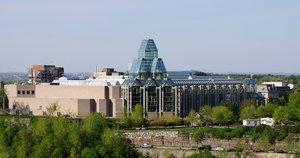
National Gallery of Canada, OttawaNational Gallery of Canada Ottawa 15 Crazy Patchwork, Young Lady, Four Girls in a Meadow, Baie-Saint-Paul
Musée national des beaux-arts du Québec, Québec CityMusée national des beaux-arts du Québec Québec City 8 The old spinner, île d'Orléans, In County Cork, Ireland, In the shade of the apple tree
The Robert McLaughlin Gallery, OshawaThe Robert McLaughlin Gallery Oshawa 1 Mount Cheops from Rogers Pass

Cea mai bună pictură a fiecărei decenii a lui William Brymner (Scottish)

Lucrări pe deceniu

Selectați o deceniu pentru a vedea cea mai importantă pictură a acesteia.

Picturi William Brymner (Scottish): FAQ

Care este cea mai celebră operă a lui William Brymner (Scottish)?Afișează răspunsul

Champ-de-Mars, Winter (1892) ocupă prima poziție, urmat de Crazy Patchwork (1886) și The old spinner, île d'Orléans (1883).

La ce vârstă a fost pictată opera Champ-de-Mars, Winter de către William Brymner (Scottish)?Afișează răspunsul

William Brymner (Scottish) avea 37 ani: Champ-de-Mars, Winter este datată 1892, iar William Brymner (Scottish) s-a născut în 1855.

Care sunt cele mai celebre zece picturi ale lui William Brymner (Scottish)?Afișează răspunsul

Champ-de-Mars, Winter, Crazy Patchwork, The old spinner, île d'Orléans, Young Lady, Four Girls in a Meadow, Baie-Saint-Paul, With Dolly at the Sabot-makers, In County Cork, Ireland, The Picture Book, In the shade of the apple tree și Haying near Quegec, Beaupré. Anul și muzeul pentru fiecare sunt menționate în clasamentul de mai sus.

Câte picturi ale lui William Brymner (Scottish) sunt listate?Afișează răspunsul

În catalogul nostru sunt 34 lucrări ale lui William Brymner (Scottish), datate între 1883 și 1921.

În ce muzee se află cele mai celebre opere originale ale lui William Brymner (Scottish)?Afișează răspunsul

În principal în National Gallery of Canada (Ottawa), Musée national des beaux-arts du Québec (Québec City) și The Robert McLaughlin Gallery (Oshawa). Consultați tabelul muzeelor de mai sus pentru lista completă.

Când au fost realizate cele mai importante picturi ale lui William Brymner (Scottish)?Afișează răspunsul

În 1880s: 9 dintre cele 34 picturi clasate aici datează din acea perioadă, inclusiv Crazy Patchwork.

Care sunt cele mai vechi și cele mai recente picturi celebre ale lui William Brymner (Scottish)?Afișează răspunsul

Cea mai veche de pe această pagină: The old spinner, île d'Orléans (1883). Cea mai recentă: Martigues (1921).

Ce teme apar cel mai des în picturile lui William Brymner (Scottish)?Afișează răspunsul

Printre cele 34 picturi clasificate aici: Landscape (4) și Summer (2).

Care este tehnica cea mai des întâlnită în picturile lui William Brymner (Scottish)?Afișează răspunsul

Oil On Canvas, pentru 4 dintre cele 34 picturi clasate aici.

Din ce curent artistic fac parte picturile lui William Brymner (Scottish)?Afișează răspunsul

Impressionism, pe baza picturilor clasificate în această pagină.

Ce picturi celebre cu William Brymner (Scottish) are în colecția sa National Gallery of Canada?Afișează răspunsul

National Gallery of Canada, Ottawa deține 15 dintre picturile clasate aici, inclusiv Crazy Patchwork, Young Lady și Four Girls in a Meadow, Baie-Saint-Paul.

Pot cumpăra o pictură a lui William Brymner (Scottish) sub formă de reproducere?Afișează răspunsul

Da. Fiecare pictură de pe această pagină poate fi comandată ca reproducere pictată manual în ulei sau ca print. Deschide pictura, alege dimensiunea și plasează comanda.

William Brymner (Scottish): artistul din spatele picturilor

A Pioneer Forging a Canadian Vision

William Brymner, born in Greenock, Scotland in 1855, stands as a pivotal figure in the development of Canadian art—a bridge between the established traditions of academic painting and the burgeoning currents of modernism. His life’s journey, marked by both rigorous training and an adventurous spirit, ultimately shaped a uniquely Canadian artistic identity. The Brymner family's emigration to Melbourne, Lower Canada (present-day Quebec) in 1857, and their subsequent move to Montreal in 1864, planted the seeds of his connection to the land that would become central to his artistic vision. Initially drawn to architecture, a practical pursuit reflecting his father’s stable career as Dominion Archivist, Brymner soon discovered his true calling lay within the realm of painting. This pivotal shift led him to Paris in 1878, where he enrolled at the prestigious Académie Julian, immersing himself in the world of fine art under the tutelage of William-Adolphe Bouguereau and Tony Robert-Fleury. These masters, renowned for their ‘grand manner’ naturalism, instilled in Brymner a foundation of technical skill and compositional understanding that would remain with him throughout his career.

Parisian Influences and Artistic Development

The Parisian art scene proved transformative for the young artist. While mastering academic techniques—particularly Bouguereau's meticulous realism—Brymner simultaneously absorbed the influence of Jean-Louis Ernest Meissonier, whose detailed depictions of historical scenes captivated him. He deliberately rejected grand narratives and mythological themes, opting instead for intimate domestic portraits and evocative landscapes—a conscious decision to portray the Canadian world with honesty and sensitivity. This period witnessed Brymner skillfully balancing academic rigor with the emerging Impressionistic tendencies dominating European art. His style began to evolve, demonstrating a growing awareness of light’s subtle nuances and its ability to imbue scenes with atmosphere. Pieces like “Two Girls Reading” (1898) exemplify this early mastery, capturing fleeting moments and conveying quiet emotion—a hallmark of his distinctive artistic approach. He wasn't merely replicating what he saw; he was interpreting it through a lens informed by both tradition and innovation.

Returning to Canada: Teacher and Innovator

In 1886, Brymner returned to Montreal after nearly seven years of intermittent residence in Paris, establishing himself as a prominent art teacher and significantly impacting the next generation of Canadian artists. He became Director of the Art Association of Montreal school from 1886 to 1921, fostering an environment that encouraged experimentation and challenged conventional artistic norms. His landscapes frequently depicted scenes around Quebec and the Maritimes, capturing the natural beauty of Canada with a burgeoning Impressionistic flair. Works like “In the Orchard (Spring)” (1892) and his paintings of Ile aux Coudres demonstrate this evolving style—a loosening of brushwork, a heightened sensitivity to color, and an emphasis on conveying the mood of a place rather than simply its visual appearance. Brymner’s influence extended far beyond his individual canvases; he was shaping a movement.

Major Works & Continued Influence

Brymner's oeuvre encompasses a diverse range of subjects—historical scenes rendered with meticulous detail, portraits imbued with psychological insight, and landscapes that capture the essence of Canadian wilderness. Notable pieces include “Frontenac Receiving Sir William Philip’s Envoy,” which showcases his ability to convey grandeur and drama; “Summer Landscape,” reflecting his Impressionistic style; and “The Weaver,” portraying everyday life with remarkable realism. His dedication to teaching and his willingness to embrace new artistic ideas ensured that his vision resonated long after his death in 1925. He left behind not only a body of beautiful paintings but also a generation of artists equipped to carry the torch of Canadian modernism forward—solidifying his place as a true pioneer of Canadian art. His legacy is not just found in his own canvases, but in the enduring influence he exerted on subsequent generations of Canadian painters.
  • “Two Girls Reading” exemplifies Brymner’s masterful depiction of domestic tranquility and subtle emotion.
  • His landscapes of Ile aux Coudres capture the serene beauty of Quebec's coastline with remarkable precision.
He was recognized as a visionary artist who championed artistic freedom and encouraged his students to explore uncharted creative territories—a testament to his enduring contribution to Canadian cultural heritage. Brymner’s unwavering commitment to innovation cemented his position as one of Canada’s foremost artists, shaping the trajectory of modern art within the nation. ## A Lasting Impression on Canadian Art History Brymner's role in establishing the Beaver Hall Group—a collective of Montreal artists who embraced Impressionistic techniques—cannot be overstated. He fostered an environment that encouraged experimentation and challenged established artistic conventions, nurturing a movement that would redefine Canadian art aesthetics. His influence extended beyond his own paintings; he was shaping a generation of artists who dared to break free from academic constraints and pursue their own distinctive visions. William Brymner’s contribution to Canadian art history remains undeniable—a cornerstone of modernism that continues to inspire artists today.

Toate cele 34 de lucrări ale lui William Brymner (Scottish) →