


 Примерить в интерьере
 Отправить
 Поделиться
 Подробнее
 Руководство

 Скачать
 Похожие объекты
 Рентгенография
 Слайд-шоу
 Статистика
Жуль Секло: Окно в эпоху Возрождения и интимность
 Акрил на холсте
- Настенный декор
- Northern Mannerism
 1571
1571- — Ренессанс
 58.0 x 86.0 cm
 Дворец Каподимонте
 Развернуть текст
Масляная репродукция ручной работы
Картина маслом на холсте в выбранном вами размере и раме, написанная на заказ нашими художниками. ( Переключиться на печать Перейти к цифровым изображениям)




P118B $10

P118H $10

P118W $10

P438Z $10

P508JH $12

P508YH $12

P805H $10

P805Z $10

P919BZ $10

P919G $10

P919XJ $10

P959ZH $10

P968JZ $12

W106C $8

W218G $10

W218JH $8

W218Y $10

W307PJ $10

W316G $10

W316PJ $8

W316Y $10

W398PJ $8

W4111J $10

W500HY $15

W500JH $15

W692G $12

W849H $8

W940BG $15

W953PJ $8




Выберите один из наших стандартных размеров, соответствующих оригинальным пропорциям произведения искусства.

Введите необходимую ширину и высоту, чтобы репродукция подошла к вашей раме или стене. Поскольку работа выполняется вручную, при изменении пропорций художник может немного увеличить область вокруг картины или, наоборот, обрезать края — выбор за вами. Перед началом работы мы пришлем вам цифровой макет на утверждение. Изображение на этой странице не является точным результатом — увидеть реальный вид можно только на макете.
После оформления заказа команда AllPaintingsStore.com свяжется с клиентом по электронной почте для уточнения деталей и предоставит предварительный макет
Доставка по всему миру () за 3–4 недели вместо стандартных 5 недель. (24 Октябрь). Без компромиссов в качестве.

Бесплатная экспресс-доставка по всему миру

Высококачественный льняной холст

Полное страхование при транспортировке

Гарантия возврата таможенных пошлин

Гарантия точного цветового соответствия

100-дневный период возврата (только при обнаружении дефектов)

Гарантия возврата 100% средств

Скидка при заказе нескольких работ
 Вариант со стеклом доступен только для размеров менее 110 см

Жуль Секло: Окно в эпоху Возрождения и интимность
Материал репродукции
Размер репродукции
-


Итоговая стоимость
$ 258
Джулио Кловио: Окно в интимный мир Ренессанса
Доменикос Теотокопулос, известный всему миру как Эль Греко, остается одной из самых самобытных и пленительных фигур в истории западного искусства. Его полотна пульсируют почти невыносимой интенсивностью — это сплав византийской духовности и пылких эмоций, который продолжает резонило в сердцах зрителей спустя столетия. В его творчестве лишь немногие портреты способны передать этот уникальный дух так, как «Джулио Кловио», написанный в 1571 году. Эта работа была заказана влиятельным кардиналом Алессандро Фарнезе во время пребывания Эль Греко в Риме. Но это не просто портретное сходство; эта картина предлагает глубокое погружение в мир ренессансной науки, художественного меценатства и того кропотливого мастерства, которое определяло целую эпоху.
Сам герой полотна, Джулио Кловио (1498–1578), был прославленным миниатюристом, которого почтенный Джорджо Вазари часто называл «Микеланджело миниатюры». Его талант заключался не в создании грандиозных пейзажей или драматических сюжетов, а в мучительном, кропотливом создании невероятно детализированных иллюминированных рукописей — сложных произведений, требовавших беспрецедентного уровня точности и художественного видения. Влияние Кловио на Эль Греко проявляется здесь мгновенно: художник тонко вплетает элементы тщательного стиля Кловио в свое изображение, наиболее заметно — через использование фона с окном, напоминающего о собственных работах мастера миниатюре. Исторический контекст картины богат: созданная в период интенсивного художественного и интеллектуального брожения в Риме, она повествует о системе меценатства, которая питала творчество Ренессанса — мире, где художники находились под покровительством таких могущественных фигур, как Фарнезе, формируя облик искусства и культуры.
Шедевр детализации и символизма
«Джулио Кловио» — это не просто портрет; это тщательно выстроенная мизансцена, наполненная символическими деталями. Сам герой, запечатленный в достойной позе, держит свое magnum opus — «Часы Фарнезе», монументальную иллюминированную рукопись, демонстрирующую непревзойденное мастерство Кловио. Это включение не случайно; оно подчеркивает значимость Кловио и возводит портрет в ранг торжества художественного достижения. Помимо центральной фигуры, сцену оживляют едва уловимые, но важные детали. Обратите внимание на двух птиц, расположившихся в верхнем левом углу и с правой стороны рамы — это не просто декоративные элементы, а, вероятно, воплощение мудрости и бдительности, часто использовавшихся в символике Ренессанса. Бушующее небо, видимое скволозь окно, добавляет глубины и, возможно, даже предвещает саму жизнь Кловио, отмеченную как триумфами, так и невзгодами.
Самобытный стиль Эль Греко проявляется здесь с полной силой. Его удлиненные формы, характерные для позднего периода творчества, придают портрету динамизм, в то время как использование ярких цветов — особенно в богатых тканях одеяния Кловио — создает мгновенный визуальный эффект. Фон с его детальным пейзажем и драматичным небом служит контрастом неподвижности героя, притягивая взгляд зрителя и подчеркивая разрыв между человеком и его миром. Картина является воплощением способности Эль Греко наполнять даже, казалось бы, простой портрет глубоким эмоциональным резонансом — свидетельством его уникального художественного видения.
Наследие и репродукция
«Джулио Кловио» занимает ключевое место в карьере Эль Греко, становясь мостом между его ранним византийским влиянием и все более экспрессивным стилем. Это полотно красноречиво говорит о восхищении эпохи Ренессанса как наукой, так и искусством, демонстрируя, как эти две сферы могли переплетаться под покровительством таких великих личностей, как Алессандро Фарнезе. Путь картины сквозь века — от первоначального заказа до ее нынешнего пристанища в Национальном музее Каподимонте в Неаполе — добавляет еще один слой интриги в ее историю.
AllPaintingsStore с гордостью предлагает тщательно выполненные вручную репродукции «Джулио Кловио», улавливающие суть гения Эль Греко с непревзойденной точностью и детализацией. Каждая репродукция создается опытными художниками с использованием традиционных техник, что гарантирует вам верное представление этого канонического шедевра. Независимо от того, являетесь ли вы ценителем искусства, коллекционером или просто стремитесь добавить нотку элегантности Ренессанса в свой дом, наши репродукции «Джулио Кловио» станут прекрасным и подлинным способом прикоснуться к непреходящему наследию Эль Греко. Изучите другие работы Эль Греко на AllPaintingsStore.com, чтобы глубже прочувствовать его удивительный творческий путь.
Вопросы и ответы
Можно ли использовать дополненную реальность, чтобы увидеть «Жуль Секло: Окно в эпоху Возрождения и интимность», Эль Греко в своей комнате?
Страница Предпросмотр в AR для работы «Жуль Секло: Окно в эпоху Возрождения и интимность», Эль Греко использует дополненную реальность, чтобы показать произведение в вашем интерьере на совместимом устройстве.
В какой комнате, с учетом цветовой палитры, рекомендуется разместить «Жуль Секло: Окно в эпоху Возрождения и интимность»?
Учитывая его цветовую палитру Природные землистые, полотно «Жуль Секло: Окно в эпоху Возрождения и интимность» идеально подойдет для Гостиная.
Является ли произведение «Жуль Секло: Окно в эпоху Возрождения и интимность» общественным достоянием?
Статус авторского права для «Жуль Секло: Окно в эпоху Возрождения и интимность», Эль Греко: произведение находится в является общественным достоянием — срок действия авторского права истек. Это определяет, допускается ли свободное воспроизведение изображения.
Похожие произведения


Биография художника
Doménikos Theotokópoulos, Known As El Greco – A Pioneer Of Expressionism And Cubism
Doménikos Theotokópoulos, universally recognized as El Greco – “the Greek” – stands apart in the annals of Western art history. Born in Crete, Greece, around 1541, his artistic journey traversed Venice and Rome before finding its definitive expression in the spiritual crucible of Toledo, Spain. He wasn’t merely a product of these locations; he synthesized their diverse influences into an unparalleled style that foreshadowed the emotional fervor of Expressionism and the fragmented forms of Cubism centuries ahead of time. His formative years within the Byzantine tradition instilled in him meticulous attention to detail and a profound understanding of religious iconography – principles that would permeate his entire oeuvre.Early Training And Venetian Influence
El Greco’s artistic education began in Crete, where he absorbed the stylistic conventions of Byzantium—characterized by serene compositions, stylized figures, and luminous colors. However, his relocation to Venice around 1567 irrevocably altered his trajectory. Immersed in the bustling artistic milieu of the Serenissima Republic, he encountered titans of Venetian painting – Titian, Tintoretto, Veronese – absorbing their mastery of color palettes, compositional strategies, and dramatic lighting techniques. He deliberately loosened his brushwork, embracing the sensual qualities of oil paint and experimenting with dynamic poses that departed from traditional Byzantine conventions. This Venetian influence is palpable in early masterpieces like *St. Sebastian* (1600), where anatomical accuracy harmoniously blends with theatrical illumination—a testament to El Greco’s ability to synthesize disparate artistic traditions.Roman Exposure And Mannerist Style
A subsequent pilgrimage to Rome exposed him to Mannerism, a stylistic movement that prioritized elongated figures, distorted perspectives, and sophisticated compositional arrangements. While he demonstrated considerable talent within the Roman art world – attracting commissions from prominent patrons – El Greco struggled to gain widespread acclaim amidst the competitive landscape of Florentine artistic circles. Despite facing challenges in establishing himself as a celebrated artist during his formative years, his unwavering dedication to experimentation and innovation would ultimately propel him toward his singular artistic vision.Toledo And Spiritual Expression
El Greco’s final artistic home was Toledo, Spain—a city steeped in religious fervor during the Counter-Reformation. This environment fostered both patronage and an atmosphere conducive to exploring themes of spirituality and transcendence. It was here that he achieved his most profound artistic breakthroughs, producing works imbued with a palpable sense of emotional intensity and visionary grandeur. His distinctive style – characterized by elongated figures bathed in ethereal light—became synonymous with the expressive power of Mannerism and foreshadowed the stylistic innovations of Expressionism and Cubism. Consider *The Burial of the Count of Orgaz* (1586-1588), a monumental painting that exemplifies El Greco’s masterful blending of Byzantine tradition and Venetian realism. The depiction of a miraculous event—the descent of saints to bury a nobleman—captures the sublime beauty of religious devotion while simultaneously conveying an overwhelming sense of spiritual awe.Legacy And Recognition
El Greco's artistic legacy extends far beyond his lifetime, resonating powerfully with artists across subsequent eras. His pioneering use of elongated figures and dramatic lighting captivated contemporaries like Picasso and Braque, who recognized him as a precursor to modern art—particularly Cubism—admiring his unconventional perspectives and stylistic boldness. Furthermore, El Greco’s emotive style found kinship with Expressionist painters who sought to convey profound psychological states through vibrant colors and forceful brushstrokes. Today, El Greco is revered as one of the most influential figures in Western art history—a visionary painter whose oeuvre continues to inspire awe and contemplation, securing his place among the titans of artistic innovation and spiritual expression. His paintings remain enduring symbols of faith, emotion, and the boundless capacity of human imagination.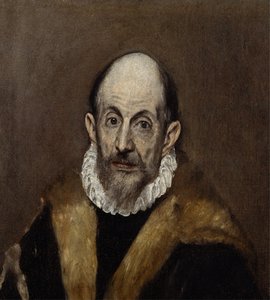
Эль Греко
1541 - 1614 , Греция
Краткая справка
- Artistic Movement Or Style: Маньеризм, Барокко
- Artists Or Movements Influenced By This Artist:
- Экспрессионизм
- Кубизм
- Artists Who Influenced This Artist:
- Тициан
- Тинторетто
- Date Of Birth: 1541 г.
- Date Of Death: 1614 г.
- Full Name: Доминикс Феотокóпулос
- Nationality: Греко-Испанский
- Notable Artworks:
- Положение Графа Оргаза
- Вид Толедо
- Одевание Христа
- Place Of Birth: Крета, Греция
Похожие статьи

El Greco: Spirituality, Style & Innovation – A Renaissance Master's Legacy
Explore the captivating world of El Greco! Discover his unique style, spiritual intensity, and lasting impact on art history. Learn about this Renaissance master's life, iconic paintings & legacy.

Mannerism Explained: The Dramatic Evolution of Renaissance Art and the Rise of El Greco
Explore the dramatic evolution of Mannerism from High Renaissance perfection to El Greco's spiritual intensity. Discover the history, techniques, and enduring legacy of this transformative era through an expert art-history lens.

Giulio Romano: A Master of Mannerism & the Palazzo Te Legacy
Explore the revolutionary art of Giulio Romano, master of Mannerism & architect of Palazzo Te. Discover his influence, investment potential, and stunning frescoes – a guide for discerning collectors.
Топ-25 шедевров Прадо: Искусство Веласкеса, Гойи и Эль Греко для вашего интерьера
Погрузитесь в мир шедевров Прадо! От Веласкеса до Гойи – история искусства Испании, барокко и знаменитые картины. Купите репродукции высокого качества для вашего интерьера на AllPaintingsStore.com.
Эль Греко: 25 шедевров гения. Купить картины онлайн | AllPaintingsStore
Погрузитесь в мир Эль Греко! 25 величайших шедевров испанского маньеризма. Узнайте историю создания культовых картин, технику и символизм. Купите репродукции высокого качества для вашего интерьера на AllPaintingsStore.com.


