


 Предпросмотр
 Поделиться
 Поделиться
 Детали произведения
 Руководство

 Скачать
 Похожие работы
 Рентгенография
 Слайд-шоу
 Статистика
Джеймс Дуфф из Корсандай


 Читать далее
Масляная репродукция ручной работы
Картина маслом на холсте в выбранном вами размере и раме, написанная на заказ нашими художниками. ( Перейти к печати Перейти к цифровым изображениям)




P118B $10

P118H $10

P118W $10

P438Z $10

P508JH $12

P508YH $12

P805H $10

P805Z $10

P919BZ $10

P919G $10

P919XJ $10

P959ZH $10

P968JZ $12

W106C $8

W218G $10

W218JH $8

W218Y $10

W307PJ $10

W316G $10

W316PJ $8

W316Y $10

W398PJ $8

W4111J $10

W500HY $15

W500JH $15

W692G $12

W849H $8

W940BG $15

W953PJ $8




Выберите один из наших стандартных размеров, соответствующих оригинальным пропорциям произведения искусства.

Вы можете указать собственные размеры, чтобы картина идеально вписалась в выбранную раму или пространство. Если выбранный вами размер не соответствует пропорциям оригинала, мы либо обрежем полотно, либо расширим его за счет дополнительных элементов, написанных вручную. Цифровой макет будет отправлен вам на утверждение перед началом производства.
Обратите внимание, что предварительный просмотр на экране не отражает фактическую обрезку или расширение. Только макет точно покажет окончательную композицию.
Хотя доступны индивидуальные размеры, мы рекомендуем выбирать вариант из предопределенного списка, чтобы сохранить исходные пропорции.
После оформления заказа команда AllPaintingsStore.com свяжется с клиентом по электронной почте для уточнения деталей и предоставит предварительный макет
Доставка по всему миру () за 3–4 недели вместо стандартных 5 недель. (22 Сентябрь). Без компромиссов в качестве.

Бесплатная экспресс-доставка по всему миру

Высококачественный льняной холст

Полное страхование доставки

Гарантия возмещения таможенных пошлин

Гарантия точного соответствия цветов

100-дневная политика возврата (только при обнаружении дефектов)

Гарантия возврата 100% средств

Предложение оптовых скидок
 Вариант со стеклом доступен только для размеров менее 110 см

Джеймс Дуфф из Корсандай
Техника репродукции
Размер репродукции
-


Итоговая стоимость
$ 258
О Cosmo Alexander и его портрете Джеймса Дуфа из Корсиндей
George Stubbs, родившийся в Ливерпуле 25 августа 1724 года, занимает особое место в британском искусстве – самородный мастер, чья слава основана преимущественно на его исключительных изображениях лошадей. Он был не только художником коней, но и анатомом, натуралистом и романтическим визионером, который запечатлел мощь, грацию и даже драму этих великолепных животных с беспрецедентной реалистичностью и эмоциональной глубиной. Его путь к художественной известности был не отмечен формальным образованием; вместо этого он был пропитан неустанным стремлением к знаниям, тщательным наблюдением и глубоким восхищением коническим обликом. Stubbs начал свою жизнь далеко от мира искусства. Он работал в мастерской своего отца, занимаясь ремеслом до шестнадцати лет. Однако его внутренний художественный дух отказывался быть подавленным. Распознавая свой талант и желание выбрать иной путь, он убедил семью поддержать его стремление к творчеству и научным исследованиям. Именно это сочетание интересов определило дальнейшее развитие его карьеры и вдохновило на создание произведений искусства, которые сегодня мы знаем как шедевры анатомии и живописи лошади.- Художник: Cosmo Alexander
- Год рождения: 1724
- Год смерти: 1772
- Город рождения: Ливерпуль
- Страна рождения: Великобритания
Стиль и Техника Портрета
Портрет Джеймса Дуфа из Корсиндей был создан в стиле классицизма, что отражается в его строгой композиции и внимании к деталям. Cosmo Alexander использовал технику масляной живописи на холсте, характерную для своего времени и обеспечивающую высокую степень реалистичности изображения. Художник тщательно изучал анатомию человека и лошади, чтобы передать их структуру и пропорции с максимальной точностью. Особое внимание было уделено освещению и тенированию, что создавало ощущение глубины и объемности картины. Использование светлых тонов и мягких переходов цвета подчеркивает благородство и достоинство модели.- Техника: Масляная живопись на холсте
- Стиль: Классицизм
- Материал: Холст
- Цвет: Светлые тоны и мягкие переходы цвета
Исторический Контекст и Значение
Портрет был написан в 1760 году и является одним из самых известных работ Cosmo Alexander. Этот период характеризуется расцветом английской культуры и искусства эпохи Просвещения, когда ученые и художники стремились к объективному изучению мира и передаче его красоты в своих произведениях искусства. Изображение Джеймса Дуфа отражает социальный статус своего владельца – представителя высшего общества и военной службы. Портрет является свидетельством эпохи и демонстрирует высокий уровень художественного мастерства того времени. Кроме того, портрет служит напоминанием о важности знаний и науки в искусстве и культуре.- Год создания: 1760
- Эпоха: Эпоха Просвещения
- Социальный статус модели: Высокое общество и военная служба
Символизм и Эмоциональное Воздействие
В портрете присутствует определенный символизм, связанный с изображением лошади – животного силы и благородства. Лошадь часто использовалась в европейской культуре как символ власти и мужества. Кроме того, взгляд модели прямо на зрителя создает ощущение интимности и доверия между художником и человеком. Портрет вызывает чувство спокойствия и достоинства благодаря элегантной композиции и гармоничной цветовой палитре. Искусство Cosmo Alexander способно вдохновлять и восхищать своей красотой и глубиной эмоционального воздействия. Оно является прекрасным примером классической живописи и отражает идеалы красоты и гармонии эпохи Просвещения.- Символизм: Лошадь как символ силы и благородства
- Эмоциональное воздействие: Спокойствие и достоинство
Похожие произведения


Биография художника
George Stubbs: The Anatomist of the Horse
George Stubbs, born in Liverpool on August 25th, 1724, stands as a singular figure in British art – a self-taught master whose legacy rests primarily upon his extraordinary depictions of horses. More than simply painters of steeds, Stubbs was an anatomist, a naturalist, and a Romantic visionary who captured the power, grace, and even the drama of these magnificent animals with unprecedented realism and emotional intensity. His journey to artistic prominence wasn’t paved with formal training; instead, it unfolded through a relentless pursuit of knowledge, meticulous observation, and a profound fascination with the equine form.
Stubbs' early life was far removed from the world of art. He began working in his father’s leather workshop, a trade he diligently pursued until the age of sixteen. However, a nascent artistic spirit refused to be suppressed. Recognizing his innate talent and desire for a different path, Stubbs persuaded his family to allow him to pursue painting. His initial apprenticeship with Hamlet Winstanley, a local painter, proved short-lived due to a clash of artistic philosophies – Stubbs’s insistence on detailed anatomical study versus Winstanley's more conventional approach. This early experience, however, provided crucial foundational skills and exposed him to the techniques of oil painting.
Crucially, Stubbs’s development was profoundly shaped by his access to the extensive collection at Knowsley Hall, the estate of Sir John Raynesbury, a wealthy patron who had amassed an impressive array of artworks and anatomical specimens. Here, he spent countless hours dissecting horses – a practice considered unconventional for an artist at the time – meticulously studying their musculature, skeletal structure, and movement. This dedication to anatomical accuracy became the hallmark of his work, elevating his paintings beyond mere representations of horses to profound studies in form and function. His detailed drawings, often incorporating sketches from dissections, served as the basis for his finished canvases, demonstrating a level of scientific rigor rarely seen in 18th-century art.
The Lion and the Horse: A Romantic Breakthrough
Stubbs’s most celebrated works are undoubtedly his series of paintings depicting a lion attacking a horse – a subject that resonated deeply with the burgeoning Romantic movement. The most famous example, *A Lion Attacking a Horse* (Whistlejacket), completed around 1762, is not simply a dramatic scene; it's a complex meditation on power, vulnerability, and the sublime. The genesis of this particular image is often attributed to an eyewitness account of a lion attack in Morocco during Stubbs’s travels – though some scholars suggest he was influenced by antique sculptures depicting similar themes. Regardless of its precise origin, *Whistlejacket* marked a pivotal moment in Stubbs' career and signaled his embrace of Romantic ideals.
These paintings were revolutionary not only for their dramatic composition but also for their portrayal of the horse itself. Stubbs eschewed the idealized, graceful depictions favored by earlier artists, instead presenting a powerful, muscular animal caught in the throes of battle – its expression conveying both fear and defiance. The lighting, the dynamic pose, and the sheer physicality of the scene all contribute to a sense of overwhelming intensity, capturing the essence of Romanticism’s fascination with raw emotion and untamed nature. The series established Stubbs as a leading figure in this movement, influencing generations of artists who sought to capture the grandeur and drama of the natural world.
Royal Patronage and Expanding Horizons
Despite his initial struggles for recognition, Stubbs’s talent eventually attracted the attention of influential patrons. He secured commissions from prominent figures, including members of the Royal Family, which provided him with financial stability and access to new subjects. His paintings of horses for the aristocracy became immensely popular, reflecting the growing fascination with equestrian pursuits among the wealthy elite. He also expanded his repertoire beyond equine subjects, tackling history paintings, portraits, and even depictions of animals such as moose, rhinoceroses, and zebras – each rendered with equal skill and attention to detail.
Stubbs’s versatility is further evidenced by his experiments with new materials and techniques. He collaborated with Josiah Wedgwood, the renowned potter, to create paintings on earthenware panels, a groundbreaking innovation that allowed him to explore different textures and surfaces. This venture, however, proved financially challenging, consuming much of his time and resources without generating significant profits.
Legacy and Enduring Influence
George Stubbs died in London on July 10th, 1806, leaving behind a remarkable body of work that continues to captivate audiences today. His paintings are celebrated for their anatomical accuracy, dramatic compositions, and emotional intensity – qualities that firmly established him as the greatest horse painter of his time. Stubbs’s influence extends far beyond the realm of equestrian art; his meticulous observation and scientific approach paved the way for a more realistic and nuanced depiction of animals in art. His work remains a testament to the power of self-education, unwavering dedication, and a profound love for the natural world.
Stubbs’s legacy is secured through numerous works housed in prestigious collections worldwide, including the National Gallery in London, the Yale Center for British Art, and the Tate collection. His paintings continue to be studied by art historians and appreciated by viewers who recognize the enduring power of his vision – a vision that seamlessly blends scientific rigor with artistic brilliance.

cosmo alexander
1724 - 1772
Основные сведения
- Artistic Movement Or Style: Romanticism, Animal Painting
- Artists Or Movements Influenced By This Artist: ['Romanticism']
- Artists Who Influenced This Artist:
- Joshua Reynolds
- Thomas Gainsborough
- Date Of Birth: 25 August 1724
- Date Of Death: 10 July 1806
- Full Name: George Stubbs
- Nationality: English
- Notable Artworks:
- A Lion Attacking a Horse
- Whistlejacket
- Hambletonian, Rubbing Down
- Place Of Birth: Liverpool, England
Похожие статьи

Romantic Realism's Finest: 10 Masterpieces for Your Home | AllPaintingsStore
Explore 10 defining masterpieces of Romantic Realism! Discover Courbet, Millet & Daumier's powerful paintings—capturing emotion and social realities. Find museum-quality reproductions for your home at AllPaintingsStore.com.

The Equine Muse: A Historical & Artistic Exploration of Horses in Painting
Explore the captivating history of horses in painting! Discover Renaissance masterpieces, Baroque grandeur & expert insights for collecting equestrian art. Learn about symbolism, techniques & lasting value with AllPaintingsStore.

The Noble Steed on Canvas: A Historical & Artistic Exploration of Horse Painting Across Cultures
Explore the rich history of horse painting! Discover masterpieces from Stubbs to Munnings & learn about symbolism, techniques & artists. Find museum-quality reproductions at AllPaintingsStore.
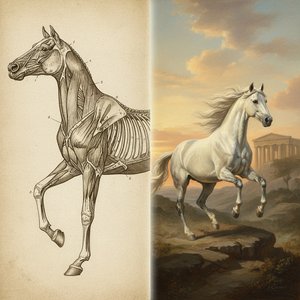
George Stubbs: Anatomical Precision & Romantic Vision in 18th-Century British Art
Explore the captivating world of George Stubbs, the 18th-century master renowned for his anatomical precision & Romantic animal paintings. Discover his legacy and investment potential.

Alexander Nasmyth: Picturing Scotland's Romantic Landscape – Innovation & Identity
Explore the life & art of Alexander Nasmyth, a pivotal figure in Scottish Romantic landscape painting. Discover his iconic works, including portraits of Robert Burns, and learn about his lasting influence on national identity. Fine art reproductions available.


