Предпросмотр
 Поделиться
 Поделиться
 Детали произведения
 Руководство

 Скачать
 Похожие работы
 Рентгенография
 Слайд-шоу
 Статистика
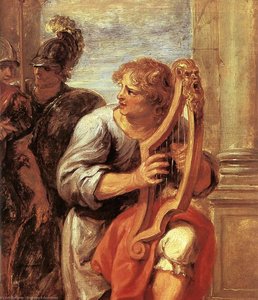
Соул и Давид (деталь)
 Акрил на холсте
- Настенный декор
- Baroque Splendor
 1635
1635 58.0 x 79.0 cm
 Музей изящных искусств Будапешта
 Читать далее
Масляная репродукция ручной работы
Картина маслом на холсте в выбранном вами размере и раме, написанная на заказ нашими художниками. ( Перейти к печати Перейти к цифровым изображениям)




P118B $10

P118H $10

P118W $10

P438Z $10

P508JH $12

P508YH $12

P805H $10

P805Z $10

P919BZ $10

P919G $10

P919XJ $10

P959ZH $10

P968JZ $12

W106C $8

W218G $10

W218JH $8

W218Y $10

W307PJ $10

W316G $10

W316PJ $8

W316Y $10

W398PJ $8

W4111J $10

W500HY $15

W500JH $15

W692G $12

W849H $8

W940BG $15

W953PJ $8




Выберите один из наших стандартных размеров, соответствующих оригинальным пропорциям произведения искусства.

Вы можете указать собственные размеры, чтобы картина идеально вписалась в выбранную раму или пространство. Если выбранный вами размер не соответствует пропорциям оригинала, мы либо обрежем полотно, либо расширим его за счет дополнительных элементов, написанных вручную. Цифровой макет будет отправлен вам на утверждение перед началом производства.
Обратите внимание, что предварительный просмотр на экране не отражает фактическую обрезку или расширение. Только макет точно покажет окончательную композицию.
Хотя доступны индивидуальные размеры, мы рекомендуем выбирать вариант из предопределенного списка, чтобы сохранить исходные пропорции.
После оформления заказа команда AllPaintingsStore.com свяжется с клиентом по электронной почте для уточнения деталей и предоставит предварительный макет
Доставка по всему миру () за 3–4 недели вместо стандартных 5 недель. (22 Сентябрь). Без компромиссов в качестве.

Бесплатная экспресс-доставка по всему миру

Высококачественный льняной холст

Полное страхование доставки

Гарантия возмещения таможенных пошлин

Гарантия точного соответствия цветов

100-дневная политика возврата (только при обнаружении дефектов)

Гарантия возврата 100% средств

Предложение оптовых скидок
 Вариант со стеклом доступен только для размеров менее 110 см

Соул и Давид (деталь)
Техника репродукции
Размер репродукции
-


Итоговая стоимость
$ 258
Эраскус Кёллинус II и музыкальная драма Саула и Давида
Эраскус Кёллинус II занимает важное место в художественной жизни Анверта эпохи Золотого века, неразрывно связанный с наследием Пьера Павла Рубенса. Родился он в престижной художественной семье – его отец, Эраскус Кёллинус I, был скульптором и мигрировал из Синт-Трюидена в Анверт – что сформировало глубокую любовь к изобразительному искусству и создало связи, которые привели его к международному признанию. Его братья, Артус и Губертус, продолжили семейную традицию как скульпторы и гравёры соответственно, создавая яркий художественный мир в родном городе.
Раннее художественное образование Кёллинуса началось под руководством Ян Баптиста Верхэге, художника, чьим мастерским был бесценный опыт перед тем как он перешел к изучению непосредственно с Рубенсом около 1633 года. Эта наставничество оказалось преобразовательным и сформировало его художественный вкус.
Рубенсовское влияние и стиль барокко Эраскус Кёллинус II получил от своего учителя Пьера Павла Рубенса, что оказало огромное воздействие на его творчество и определило эстетические принципы его работ. Под руководством Рубенса Кёллинус работал над созданием масштабных скульптурных произведений и гравюрных литографий, которые отражают дух эпохи и являются свидетельством мастерства великого художника.
Символизм и исторический контекст картины "Саул и Давид" Эраскус Кёллинус II использовал для передачи глубоких смыслов и эмоциональных переживаний зрителя. Картина изображает сцену из Библии, где Саул и Давид играют музыкальные инструменты – это символическое изображение борьбы между добром и злом, между властью и милосердием. Кёллинус мастерски передает динамику движения и эмоциональную насыщенность композиции, используя технику барокко для создания впечатляющего визуального эффекта.
Эмоциональный эффект произведения Эраскус Кёллинуса II заключается в его способности вызывать у зрителя чувство восхищения красотой и гармонией природы. Картина является прекрасным примером искусства эпохи Золотого века и вдохновляет художников и дизайнеров создавать оригинальные проекты и использовать яркие цвета и текстуры для передачи эмоций и впечатлений.
- Художник: Эраскус Кёллинус II
- Год рождения: 1607
- Год смерти: 1678
- Город рождения: Анверт
- Страна рождения: Бельгия
Эраскус Кёллинус II был одним из самых талантливых скульпторов и гравёров своего времени, его работы оказали значительное влияние на развитие европейской культуры и искусства.
Похожие произведения


Биография художника
The Legacy of Erasmus Quellinus II: A Master of Antwerp’s Golden Age
In the vibrant, bustling heart of seventeenth-century Antwerp, a period defined by unparalleled artistic splendor, Erasmus Quellinus II emerged as a central figure of the Flemish Baroque. Born in 1607 into a distinguished lineage of creators, his very foundation was steeped in the traditions of craftsmanship and visual storytelling. As the son of the renowned sculptor Erasmus Quellinus I, his upbringing provided more than just a name; it offered an intimate connection to the pulse of the Southern Netherlands' artistic community. This familial environment, shared with his brothers Artus and Hubertus, fostered a unique ecosystem of creativity that would eventually allow him to transcend local recognition and become a cornerstone of European art.
The trajectory of Quellini’s career was irrevocably altered by his encounter with the titan of the age, Peter Paul Rubens. Around 1633, Quellinus entered the orbit of Rubens' workshop, a transformative period that served as his true artistic baptism. Under this mentorship, he did not merely learn technique; he absorbed a revolutionary visual language characterized by dramatic chiaroscuro, sweeping compositions, and an almost palpable sense of movement. He became a trusted collaborator in some of the era's most ambitious decorative projects, notably contributing to the grand celebrations for Cardinal Ferdinand Habsburg. This period of intense collaboration allowed Quellinus to master the art of blending classical poise with the exuberant energy that defines the Baroque spirit.
A Versatile Visionary: From Myth to Devotion
Following the passing of Rubens in 1640, Quellinus did not merely step into a vacuum; he ascended to become Antwerp’s most prolific and influential painter. His ability to navigate diverse genres allowed him to command the attention of both the church and the nobility. He possessed a rare versatility, moving seamlessly between the visceral intensity of battle scenes and the profound, quiet dignity of religious portraiture. In his mythological works, such as The Death of Eurydice, one can observe a deep engagement with classical themes, where emotional gravity is rendered through masterful brushwork and a sophisticated understanding of human pathos.
His religious compositions often reflected the complex spiritual landscape of the Counter-Reformation. In pieces like his English Madonna and Child Framed a Garland of Flowers, Quellinus demonstrated an exquisite ability to marry delicate naturalism with grander theological narratives. The use of vibrant floral borders serves not just as decoration, but as a symbolic bridge between the earthly beauty of the Flemish landscape and the divine grace of the subjects. Whether capturing the serene musicality in details of Saul and David or executing monumental altarpieces, his work remained anchored in a profound respect for classical ideals, even as he embraced the theatricality of his time.
Historical Significance and Artistic Endurance
The historical importance of Erasmus Quellinus II lies in his role as a bridge between the revolutionary era of Rubens and the evolving tastes of the mid-to-late seventeenth century. He was a custodian of the Flemish tradition, ensuring that the grandeur of the Baroque continued to flourish even as the political and social tides of Europe shifted. His prolific output—spanning history paintings, portraits, and intricate tapestry designs—ensured that his influence permeated nearly every facet of visual culture in Antwerp.
Today, the works of Quellinus serve as vital windows into a lost world of opulence and intellectual depth. His legacy is defined by several key contributions:
- The Preservation of the Rubensian Style: He successfully translated the dynamic energy of Rubens into a refined, classical language that sustained the Antwerp school.
- Genre Versatility: His mastery over disparate subjects, from the epic scale of battle scenes to the intimate detail of floral garlands, showcased the breadth of Baroque capability.
- Humanist Integration: He effectively wove classical mythology and humanist philosophy into the religious and civic fabric of his era.
Through his meticulous technique and emotive power, Erasmus Quellinus II remains an indispensable figure for anyone seeking to understand the soul of the Flemish Golden Age.

erasmus quellinus ii
1607 - 1678 , Belgium
Основные сведения
- Artistic Movement Or Style: Baroque
- Artists Or Movements Influenced By This Artist: Rubens
- Artists Who Influenced This Artist: Peter Paul Rubens
- Date Of Birth: 1607 Antwerp Belgium
- Date Of Death: 1678
- Full Name: Erasmus Quellinus II
- Nationality: Flemish
- Notable Artworks:
- The Death of Eurydice
- English Madonna and Child Framed a Garland of Flowers
- Achilles among the Daughters of Lycomedes
- Place Of Birth: Antwerp Belgium
Похожие статьи

Peter Paul Rubens: A Baroque Master's Life, Legacy & Enduring Influence
Discover the life & art of Peter Paul Rubens, the most influential artist of the Flemish Baroque tradition. Explore his masterpieces, legacy, and impact on art history with AllPaintingsStore.

The Dramatic Flourish: Exploring the Baroque Movement's Enduring Legacy in Art History
Explore the dramatic world of Baroque art! Discover iconic artists like Caravaggio & Rubens, defining techniques, and its lasting impact on art history. Expert insights for collectors & enthusiasts at AllPaintingsStore.

10 Шедевров Барокко: Искусство, изменившее мир | AllPaintingsStore.com
Погрузитесь в мир барокко! 10 шедевров Караваджо, Рембрандта и других великих художников. Узнайте историю создания культовых картин и найдите идеальную репродукцию для вашего интерьера на AllPaintingsStore.com

Mastering Drama and Light: A Definitive Guide to the Flemish Baroque Art Movement
Explore the dramatic brilliance of the Flemish Baroque movement. Discover how masters like Peter Paul Rubens utilized chiaroscuro and dynamic composition to redefine art history through light, shadow, and unparalleled emotion.

Flemish Baroque: The Ultimate Masterclass in Dramatic Light, Opulent Detail, and Visual Impact
Discover the breathtaking drama of Flemish Baroque art. Explore the mastery of Rubens and Van Dyck through an expert lens, focusing on chiaroscuro, opulent detail, and the emotional intensity that defines this legendary era of visual impact.