Nicolaes Gillis (1595 – 1632): The Dawn of Breakfast Still Life
Nicolaes Gillis, born in Antwerp in 1595, stands as a beacon of innovation within the Dutch Golden Age artistic panorama. His formative years were indelibly marked by the intellectual ferment of Antwerp’s prestigious art academy, where he diligently cultivated his craft under the watchful guidance of luminaries like Floris van Dyck – an association that would irrevocably shape his distinctive stylistic vision and compositional sensibilities. Recognizing Haarlem as a fertile ground for artistic endeavor around 1610, Gillis established himself as a respected artist there until his untimely demise in 1632, leaving behind a legacy of remarkable beauty and profound artistic insight.
- Early Influences & Training: Gillis’s artistic education commenced at Antwerp’s Art Academy, fostering an appreciation for classical ideals alongside the burgeoning spirit of Mannerism. Floris van Dyck's mentorship proved instrumental in honing his draughtsmanship skills and instilling a meticulous attention to detail – qualities that would characterize his entire oeuvre.
- Move to Haarlem & Artistic Development: Around 1610, Gillis relocated to Haarlem, establishing a studio and immersing himself in the vibrant artistic milieu of the city. During this period, he honed his technique, experimenting with innovative glazing methods and mastering the art of capturing subtle nuances of light and color.
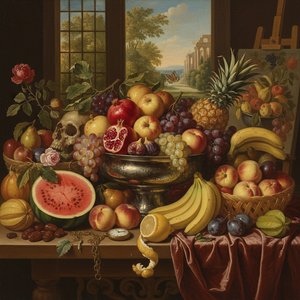
Gillis’s enduring fame rests principally upon his pioneering role in shaping the genre of “breakfast still life,” or *banketje*. This groundbreaking approach distinguished itself from preceding depictions of fruit and floral arrangements by eschewing mere decorative splendor for a deeper exploration of psychological depth and an astute observation of the natural world. Rather than simply presenting visual beauty, Gillis sought to convey an atmosphere of contemplative serenity – capturing the fleeting essence of daily life with unparalleled sensitivity. He wasn’t merely illustrating objects; he was conveying emotion and inviting viewers into a moment of quiet contemplation.
- The Innovation of *Banketje*: Unlike traditional still lifes focused on opulent displays, Gillis's canvases depicted commonplace scenes – tables laden with delectable edibles alongside freshly gathered blossoms. This deliberate departure from convention signaled a pivotal shift toward representing human experience and capturing the ephemeral beauty of nature.
- Technique & Material Considerations: Gillis’s mastery lay in his meticulous technique, notably his skillful utilization of glazing—thin layers of translucent paint—to achieve luminous effects that vividly reproduced color and texture. He achieved remarkable realism by painstakingly rendering surfaces with precision, mirroring the artistic ambition of his time.
His oeuvre comprises approximately 60 paintings, predominantly still lifes featuring fruits – melons, peaches, pears – and flowers – morning glories, tulips, roses – arranged in harmonious compositions that prioritized balance and visual appeal. These works exemplify Gillis’s unwavering commitment to capturing the subtleties of light and color, reflecting a broader trend within Dutch painting during this period where artists sought to emulate scientific observation alongside aesthetic excellence. The resulting canvases are imbued with an understated elegance that continues to captivate audiences today.
- Notable Paintings: Among Gillis’s celebrated works are “Laid Table,” “Melons and Morning Glories,” and “The Cut Melon”—each demonstrating his exceptional skill in portraying the textures and translucencies of natural materials.
Gillis's influence extended beyond his immediate contemporaries; he mentored younger artists and helped solidify the banketje genre as a cornerstone of Dutch Baroque painting. His legacy resides not only in his individual masterpieces but also in his pioneering role in establishing a new aesthetic paradigm—one that prioritized observation, emotion, and the portrayal of ordinary life alongside idealized beauty. Nicolaes Gillis remains an artist whose work continues to inspire admiration for its technical brilliance and its profound engagement with the human condition – securing his place as one of the most significant figures of the Dutch Golden Age.