

Mannerist художники at a glance
Famous Mannerist Художники — Top 71 List
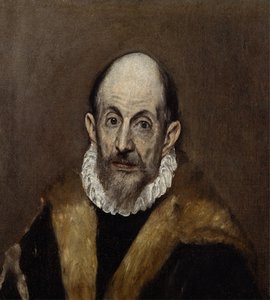
Эль Греко (1541–1614) is the most famous Mannerist художник, best known for Вид Толедо и Открытие пятой печати (Видение святого Иоанна Богослова). Then Тинторетто, Джузеппе Арчимбольдо, Аньоло Бронзино и Софонисба Ангиссола. The list covers 71 художники born between 1475 and 1577 in 14 countries, from Амико Аспертини to Кристофано Аллори.
Method. Scope: artists filed under Mannerist in our catalogue. Order: our artist fame ranking. Excluded: artists born after 1955 without a Wikidata identifier. Wikipedia figure: languages with an article, out of our 32.


Key data
Mannerist: key data
- 71Художники
- 1475–1577Годы рождения
- 14Страны рождения
- 2Женщины
- 5 179Работы в нашем каталоге
- Музеи с наибольшим количеством ключевых работ
- Музей истории искусств (20), Государственный Эрмитаж (10), Музей Прадо (8), Баварские государственные живописные коллекции (8)
- Женщины в этом списке
- Софонисба Ангиссола, Лавиния Фонтана
Ranked list
71 Mannerist Художники, ranked with key works


4/ 71
Аньоло Бронзино 1503–1572
Итальянский b. Флоренция Маньеризм Wikipedia 29/32

Bronzino’s formative years were marked by exposure to the artistic currents of Florence under Pontormo's guidance.


8/ 71
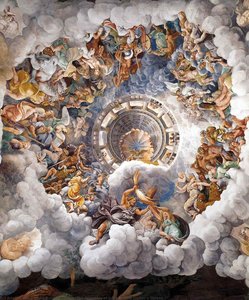
Джорджо Вазари 1511–1574
Итальянец b. Ареццо Маньеризм Wikipedia 31/32

Giorgio Vasari, born in Arezzo, Tuscany, on July 30, 1511, was more than simply a painter; he was a quintessential embodiment of the Italian Renaissance spirit. His monumental work, Lives of the Most Excellent Painters, Sculptors, and Architects, published in 1550 (with a revised edition in 1568), revolutionized the way art was understood and appreciated.
Trained Jacopo Zucchi #54, Federico Zuccari #41




11/ 71
Себастьяно дель Пьомбо 1485–1547
Итальянец b. Венеция Высокий Ренессанс, Маньеризм Wikipedia 23/32


12/ 71
Хендрик Гольциус 1558–1617
Нидерландский b. Брауншвейг Северный маньеризм Wikipedia 19/32

Hendrik Goltzius, a name synonymous with the vibrant dynamism of Northern Mannerism in Dutch art, was born in Braunschweig (Braunschweig), Germany, in 1558.


13/ 71
Доменико Беккафуми 1484–1551
Итальянский b. Кастельнуово-Берарденга Мannerизм, Ренессанс Wikipedia 21/32

Around 1509, Beccafumi journeyed to Rome, a transformative moment exposing him to the artistic ferment of the papal city. The Trinity Triptych, housed in the Pinacoteca Nazionale di Siena, showcases his mastery of oil painting and his ability to convey religious devotion with both grandeur and intimacy.


16/ 71
Лавиния Фонтана 1552–1614
Итальянская b. Болонья Маньеризм, Барокко Wikipedia 26/32

However, she quickly absorbed influences from other prominent artists, notably Denis Calvaert, whose school in Bologna was a hub of innovation during the late 16th century. Fontana’s oeuvre encompasses a diverse range of subjects, reflecting both her technical skill and her artistic versatility.


17/ 71
Федерико Бароччи 1535–1612
b. Урбино Wikipedia 24/32

“Композиционный эскиз” (“Circumcision”, Париж, Лувр) свидетельствует о его способности к тщательному планированию композиции и созданию выразительных образов. “Голова мужчины” (для картины “Призвание святого Андрея”, Брюссель, Королевские музеи изящных искусств Бельгии) поражает вниманием к деталям и глубиной психологического портрета. Особое место в его творчестве занимают религиозные полотна, такие как “Рождество” (1597 год, Прадо), “Мадонна дель Пополо” (Галерея Уффици, Флоренция) и знаменитая “Мадонна с котом” (“La Madonna del Gatto”).
Key works · Top 100 works
 The nativity
 Five Studies of Male Figure and two of His Right Hand and Arm (for “Madonna del Popolo”, Firenze, Galleria degli Uffizi)
 Three Studies of a Male Figure both Nude and Clothed (for “Stigmatization of Saint Francis”, Urbino, Galleria Nazionale delle Marche)
- 116116 works by Федерико Бароччи


20/ 71
Алессандро Аллори 1535–1607
Итальянец b. Флоренция Маньеризм Wikipedia 24/32

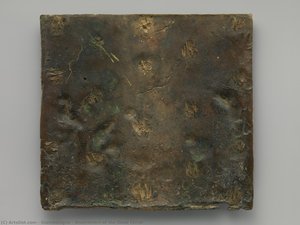
Allori’s art is inextricably linked to the Mannerist tradition – an era characterized by its deliberate artificiality, elegant complexity, and a conscious departure from the naturalistic ideals of the High Renaissance. Notably, he created a series of works for the Salviati family, including mythological scenes for Alamanno Salviati’s villa near Florence, intricate depictions of episodes from the Odyssey for Jacopo Salviati's Florentine palazzo, and significant contributions to the Chapel of St.


26/ 71
Карел Ван Мандер Старший 1548–1606
Фламандский b. Мёлебеке Северный маньеризм Wikipedia 20/32


29/ 71
Prospero Fontana 1512–1597
Italian b. Bologna Late Renaissance & Mannerism Wikipedia 18/32

His work also includes significant contributions to the decoration of the Santa Maria del Baraccano church in Bologna, including a captivating “Disputa di Santa Caterina.” His daughter, Lavinia Fontana, who herself became a successful painter, undoubtedly benefited from her father’s tutelage and artistic guidance.


31/ 71
Франческо Приматиччо 1504–1570
Italian b. Болонья Mannerism Wikipedia 22/32

Francesco Primaticcio stands as a towering figure of the Italian Mannerist tradition, a polymath whose creative reach extended far beyond the canvas to encompass the realms of architecture and sculpture. Born in Bologna, Italy, his artistic journey began under the rigorous guidance of Giulio Romano in Mantua, where he absorbed the complex, tension-filled aesthetics that would later define his career.


32/ 71
Отто ван Веен 1556–1629
Нидерландский b. Лейден Маньеризм Wikipedia 15/32

His relocation to Antwerp in 1572, driven by their Catholic faith amidst the rising tide of Protestantism, wasn't merely a geographical move; it was a pivotal moment that exposed him to the intellectual currents of the Low Countries and laid the foundation for his artistic development.
Trained by Federico Zuccari #41


35/ 71
Франческо Бассано Младший 1549–1592
Итальянец b. Бассано-дель-Граппа Венецианское Возрождение Wikipedia 12/32


36/ 71
Hendrick De Clerck 1570–1630
Flemish Late Mannerism

Early Life & Training: De Clerck’s formative years are shrouded in obscurity, though evidence suggests he received training under Jan Brueghel the Elder, a titan of Flemish landscape painting and a pivotal influence on de Clerck's artistic approach. Collaborations with Jan Brueghel the Elder on landscapes such as “ Paradise ” further cemented De Clerck’s reputation as a visionary artist who skillfully blended tradition and innovation.


38/ 71
Perino del Vaga 1501–1547
Italian b. Florence Mannerist Painting Wikipedia 15/32

Pietro Buonaccorsi, known to history through the evocative moniker Perino del Vaga, remains one of the most captivating figures of the transition from the High Renaissance to the intricate complexities of Mannerism. Born in Florence around 1501 into a lineage of artistic talent, his very name— Vaga, meaning wandering or idle—suggests a restless creative energy that would eventually carry him far beyond the borders of his native Tuscany.


39/ 71
Stradanus 1523–1605
Flemish b. Bruges Renaissance, 16th Century Painting Wikipedia 15/32

His arrival coincided with a period of immense artistic patronage and experimentation within the court, orchestrated by Grand Duke Cosimo I de’ Medici and his advisor, Giorgio Vasari.
Trained Antonio Tempesta #56


40/ 71
Джованни Антонио Порденоне 1484–1539
Итальянский b. Порденоне Живопись эпохи Возрождения Wikipedia 16/32


41/ 71
Federico Zuccari 1539–1609
Italian b. Sant'Angelo in Vado Mannerism Wikipedia 18/32

Their collaborative spirit yielded masterpieces such as “The Holy Family ” in Palazzo Vecchio, a work that serves as a testament to their unified artistic language.


43/ 71
Cornelis Ketel 1548–1616
Dutch b. Gouda Mannerism Wikipedia 13/32

Cornelis Ketel, born in Gouda, Netherlands in 1548, occupies a fascinating, transitional space within the history of Dutch art. He spent time in Paris with Jean de la Hame, a glass-painter serving King Charles IX, before securing a position at Fontainebleau during the twilight years of the School of Fontainebleau.


44/ 71
Gillis Mostaert 1528–1598
Flemish b. Hulst Mannerism, Renaissance Wikipedia 8/32

Perhaps his most famous work, The Haywain (Allegory on Worldly and Clerical Abuses), exemplifies this inspiration.


47/ 71
Santi di Tito 1536–1603
Italian b. Florence Proto-Baroque & Counter-Maniera Wikipedia 14/32

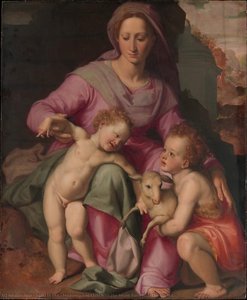
In the vibrant, shifting landscape of late 16th-century Italy, few figures played as pivotal a role in redefining the visual language of Florence as Santi di Tito. Between 1558 and 1564, di Tito’s presence was felt in the grand halls of Rome, where he worked alongside talented peers such as Giovanni de’ Vecchi and Niccolò Circignani.


49/ 71
Винченцо Кампи 1536–1591
Итальянец b. Кремона Фламандский стиль / Ломбардский натурализм Wikipedia 13/32


50/ 71
Andrea Schiavone 1522–1563
Italian b. Zadar Baroque Sculpture; Mannerism Wikipedia 14/32

In the vibrant, sun-drenched tapestry of the sixteenth-century Venetian Republic, few names evoke as much intrigue and stylistic complexity as Andrea Schiavone. Born Andrea Meldolla, his very moniker—meaning "Andrew the Slav"—serves as a poetic testament to his dual identity. Though his roots lay in the Dalmatian city of Zara, now Zadar, Croatia, his artistic spirit was forged in the heart of Venice.


52/ 71
Bartolomeo Passarotti 1529–1592
Italian b. Bologna Mannerism Wikipedia 10/32

In the vibrant, shifting landscape of the late sixteenth century, few artists captured the transition from the structured elegance of the High Renaissance to the dramatic intensity of the Baroque as skillfully as Bartolomeo Passarotti. Born in Bologna in 1529, Passarotti emerged not merely as a painter, but as a pivotal bridge between eras.


53/ 71
Andrea Vicentino 1542–1617
Italian b. Vicenza Late Renaissance/Mannerist Wikipedia 5/32

Under the watchful eye and expert tutelage of Giovanni Battista Maganza, Vicentino developed a command over monumental compositions and refined aesthetics that would later define his career. Known variously as Andrea Michieli or Michelli, his movement toward Venice in the mid-1570s marked a transformative era in his development. By 1583, he had officially registered with the Fraglia, the prestigious Venetian guild of painters.


54/ 71
Jacopo Zucchi 1542–1596
Italian b. Florence Mannerist Painting Wikipedia 11/32

Allegorical Narrative: His masterpiece, Age of Silver, demonstrates his command over the Florentine Baroque style, weaving intricate details of justice and angelic presence into a complex tapestry of meaning.


56/ 71
Antonio Tempesta 1555–1630
Italian b. Florence Mannerism Wikipedia 11/32

Narrative Allegories: Utilizing complex symbolism to communicate religious and political themes, such as in his evocative work The Expulsion of Heliodorus from the Temple.
Trained by Stradanus #39


57/ 71
Амико Аспертини 1475–1552
Итальянец b. Болонья Маньеризм Wikipedia 11/32

«Trionfo Militare» (Военный триумф), монументальная фреска, изображающая военную победу, демонстрирует его способность синтезировать классические образы с драматической театральностью. «Erocle e il cinghiale di erimanto» (Геракл и Эриманфский вепрь) — еще один поразительный пример, свидетельствующий о его мастерстве композиции и готовности искажать перспективу ради экспрессивного эффекта.


58/ 71
Wenzel Jamnitzer 1507–1585
German b. Vienna Northern Mannerism

Notably, he studied alongside Euclid's Elements and Plato’s Timaeus, texts considered foundational for geometric reasoning and philosophical contemplation – influences that would profoundly shape his later artistic pursuits.


59/ 71
Vincenzo Scamozzi 1548–1616
Italian b. Vicenza

Born in Vicenza, Italy, he emerged from a lineage of builders, being the son of Gian Domenico Scamozzi, a surveyor and contractor who served as his first teacher. Following Palladio's death in 1580, Scamozzi found himself entrusted with several unfinished projects, most notably the prestigious Teatro Olimpico at Vicenza.


60/ 71
Domenico Fontana 1543–1607
Italian b. Melide Late Renaissance

Domenico Fontana, a name often overshadowed by the titans of the High Renaissance, stands as a pivotal figure in 16th-century Italian architecture and engineering.


61/ 71
Jan De Beer 1475–1528
b. Antwerp Antwerp Mannerism Wikipedia 9/32

Active primarily in Antwerp, he was a central protagonist in a loose but influential group of painters known as the Antwerp Mannerists. By 1504, he had achieved the prestigious status of master within the Antwerp Guild of Saint Luke, eventually rising to the esteemed position of dean. The work of Jan De Beer is characterized by a breathtaking marriage of Northern Renaissance realism and a burgeoning sense of theatricality.


62/ 71
Marcello Venusti 1510–1579
Italian b. Mazzo di Valtellina Mannerist Wikipedia 10/32

Born near Como in the rugged terrain of Mazzo di Valtellina around 1512, Venusti emerged from the Italian foothills to become a vital conduit for the Mannerist aesthetic. This formative connection anchored him within the sophisticated stylistic currents of Rome, preparing him to translate the monumental language of the High Renaissance into the more stylized, elongated, and emotive vocabulary of Mannerism.


63/ 71
Дюбрёй, Туссен 1561–1602
Французский b. Париж Вторая школа Фонтенблуа; Маньеризм; Итальянское искусство влияния Wikipedia 8/32

Toussaint Dubreuil (c. 1561 – 1602), a French painter born in Paris, stands as a pivotal figure within the Second School of Fontainebleau—a movement that skillfully blended the stylistic grandeur of Mannerism with the vibrant aesthetics of Italian Renaissance art.


65/ 71
Jacopino del Conte 1510–1598
Italian b. Florence Mannerist Wikipedia 10/32

The “Virgin and Child with Saint Elizabeth and John the Baptist ” (1535), now housed in the Uffizi Gallery, exemplifies this evolution, showcasing a masterful command of perspective, drapery, and emotional expression.


66/ 71
Paolo Fiammingo 1540–1596
Flemish b. Antwerp Landscape with mythological and allegorical Wikipedia 8/32

The story of Paolo Fiammingo, born Pauwels Franck, is a captivating tale of artistic migration and the seamless blending of Northern precision with Italian grandeur. Emerging from the vibrant artistic traditions of Antwerp around 1540, this master crossed the Alps to find his true calling in the shimmering atmosphere of Venice.


67/ 71
Jacques Bellange 1575–1616
French b. Bassigny Northern Mannerism Wikipedia 9/32

A master of the Northern Mannerist style, his life was lived in the twilight of the late Renaissance, a period defined by elongated forms, theatrical tension, and an almost feverish psychological intensity. Born around 1575 in the Bâse-les-Vosges region of France, Bellange emerged from a landscape of shifting borders and intense religious fervor, eventually finding his creative home within the sophisticated courtly circles of Nancy.


68/ 71
Girolamo Mazzola Bedoli 1500–1569
Italian b. Parma Mannerist Painting Wikipedia 8/32

In the vibrant, swirling currents of the Italian Mannerist period, few names capture the elegance and stylistic complexity of the Parma school quite like Girolamo Mazzola Bedoli. Born in Viadana around 1500, Bedoli emerged from a landscape deeply enriched by the artistic legacies of Lombardy and the sophisticated atmosphere of Parma.


69/ 71
Lelio Orsi 1508–1587
Italian b. Novellara Mannerist Wikipedia 7/32

In the twilight of the Italian Renaissance, as the harmonious balance of High Renaissance classicism began to fracture into the restless energy of Mannerism, there emerged a voice from the fertile plains of Emilia-Romagna that captured the profound anxieties of a changing world. Born in the small town of Novellara around 1508 or 1511, Orsi navigated an era defined by shifting theological certainties and the complex intellectual currents of humanism.


70/ 71
Michele Tosini 1503–1577
Italian b. Florence Renaissance and Mannerism Wikipedia 5/32

He was an artist who did not merely witness the transition from the High Renaissance to Mannerism but actively participated in its shaping.


71/ 71
Juan Correa De Vivar 1510–1566
Spanish b. Mascaraque Renaissance, Mannerism Wikipedia 6/32

The altarpiece for the church of Almonacid de Zorita, tragically destroyed during the Spanish Civil War in 1936-39, stands as a testament to his skill and ambition.


Best-known works
Famous Mannerist paintings by artist
Chronology
Mannerist chronology
- 1517
- 1528
- 1532
- 1540
- 1545
- 1549
- 1555
- 1555
- 1565
- 1572
- 1579
- 1586
- 1592
- 1595
Statistics
Counts by country, period and museum
| Италия | 34 |
|---|---|
| Italy | 15 |
| Нидерланды | 3 |
| Франция | 3 |
| Belgium | 3 |
| Германия | 2 |
| Бельгия | 2 |
| Netherlands | 2 |
| 1470s | 2 |
|---|---|
| 1480s | 3 |
| 1490s | 5 |
| 1500s | 11 |
| 1510s | 10 |
| 1520s | 8 |
| 1530s | 7 |
| 1540s | 11 |
| 1550s | 7 |
| 1560s | 4 |
| 1570s | 3 |
| Музей истории искусств | 20 |
|---|---|
| Государственный Эрмитаж | 10 |
| Музей Прадо | 8 |
| Баварские государственные живописные коллекции | 8 |
| Национальная галерея | 6 |
| Рейксмюзеум | 6 |
| Метрополитен-музей | 5 |
| Галерея Уффици | 4 |
Index
Full list of 71 famous Mannerist художники
- 1
 Эль ГрекоГреко-Испанский · 1541–1614
- 2
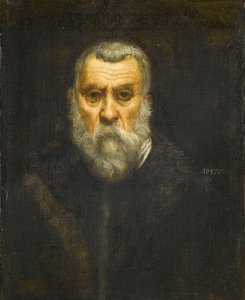 ТинтореттоИтальянец · 1519–1594
- 3
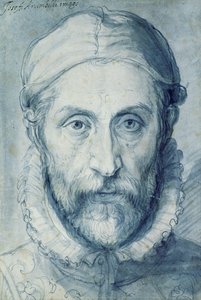 Джузеппе АрчимбольдоИтальянец · 1527–1593
- 4Аньоло БронзиноИтальянский · 1503–1572
- 5
 Софонисба АнгиссолаИтальянская · 1532–1625
- 6
 ПонтормоИтальянский · 1494–1556
- 7
 Франческо Пармиджанино1503–1540
- 8Джорджо ВазариИтальянец · 1511–1574
- 9
 Джулио РоманоИтальянский · 1499–1546
- 10
 Россо ФьорентиноИтальянец · 1494–1540
- 11Себастьяно дель ПьомбоИтальянец · 1485–1547
- 12Хендрик ГольциусНидерландский · 1558–1617
- 13Доменико БеккафумиИтальянский · 1484–1551
- 14
 Питер АртсенНидерландский · 1508–1575
- 15
 Бартоломеус СпрангерФламандская · 1546–1611
- 16Лавиния ФонтанаИтальянская · 1552–1614
- 17Федерико Бароччи1535–1612
- 18
 Ханс фон АахенНемец · 1552–1615
- 19
 Кристофано АллориИтальянец · 1577–1621
- 20Алессандро АллориИтальянец · 1535–1607
- 21
 Никколо Дель АббатеИтальянец · 1512–1571
- 22
 Джованни Баттиста Морони1525–1578
- 23
 Бэнвентуто Челлини1500–1571
- 24
 Франческо СальвиатиИтальянец · 1510–1563
- 25
 ДжамболоньяФламандский · 1529–1608
- 26Карел Ван Мандер СтаршийФламандский · 1548–1606
- 27
 Даниэле Да Вольтерра1509–1566
- 28
 Жан ГужонФранцуз · 1510–1567
- 29Prospero FontanaItalian · 1512–1597
- 30
 Joachim WtewaelГолландская · 1566–1638
- 31Франческо ПриматиччоItalian · 1504–1570
- 32Отто ван ВеенНидерландский · 1556–1629
- 33
 Лука КамбьязоИтальянец · 1527–1585
- 34
 Джузеппе ЧезариИтальянец · 1568–1640
- 35Франческо Бассано МладшийИтальянец · 1549–1592
- 36Hendrick De ClerckFlemish · 1570–1630
- 37
 Леандро БассаноИтальянский · 1557–1622
- 38Perino del VagaItalian · 1501–1547
- 39StradanusFlemish · 1523–1605
- 40Джованни Антонио ПорденонеИтальянский · 1484–1539
- 41Federico ZuccariItalian · 1539–1609
- 42
 Чеккино Дель СальвиатиИтальянец · 1510–1563
- 43Cornelis KetelDutch · 1548–1616
- 44Gillis MostaertFlemish · 1528–1598
- 45
 Франческо БакьяккаИтальянец · 1494–1557
- 46
 Шипьоне Пульцоне1550–1598
- 47Santi di TitoItalian · 1536–1603
- 48
 Полидоро Да КараваджоИтальянец · 1499–1543
- 49Винченцо КампиИтальянец · 1536–1591
- 50Andrea SchiavoneItalian · 1522–1563
- 51
 Якопо ЛигоцциИтальянец · 1547–1627
- 52Bartolomeo PassarottiItalian · 1529–1592
- 53Andrea VicentinoItalian · 1542–1617
- 54Jacopo ZucchiItalian · 1542–1596
- 55
 Доменико ТинтореттоИтальянец · 1560–1635
- 56Antonio TempestaItalian · 1555–1630
- 57Амико АспертиниИтальянец · 1475–1552
- 58Wenzel JamnitzerGerman · 1507–1585
- 59Vincenzo ScamozziItalian · 1548–1616
- 60Domenico FontanaItalian · 1543–1607
- 61Jan De Beer1475–1528
- 62Marcello VenustiItalian · 1510–1579
- 63Дюбрёй, ТуссенФранцузский · 1561–1602
- 64
 Тобиас ШтимерШвейцарец · 1539–1584
- 65Jacopino del ConteItalian · 1510–1598
- 66Paolo FiammingoFlemish · 1540–1596
- 67Jacques BellangeFrench · 1575–1616
- 68Girolamo Mazzola BedoliItalian · 1500–1569
- 69Lelio OrsiItalian · 1508–1587
- 70Michele TosiniItalian · 1503–1577
- 71Juan Correa De VivarSpanish · 1510–1566
FAQ
Mannerist: quick answers
Who was the greatest Mannerist художник?
Эль Греко (#1) comes first, ahead of Тинторетто (#2) and Джузеппе Арчимбольдо (#3).
Which five Mannerist художники should everyone know?
Эль Греко (#1), Тинторетто (#2), Джузеппе Арчимбольдо (#3), Аньоло Бронзино (#4) и Софонисба Ангиссола (#5).
Which country produced the most Mannerist художники?
Италия: 34 of the 71 художники in this list were born there, then Italy (15) и Нидерланды (3).
Which Mannerist художники from Италия are the most famous?
The highest-ranked художники born in Италия are Тинторетто (#2), Джузеппе Арчимбольдо (#3), Аньоло Бронзино (#4), Софонисба Ангиссола (#5) и Понтормо (#6).
Which city produced the most Mannerist художники?
Флоренция: 8 of the художники in this list were born there.
Where can I see Mannerist art?
The museums holding the most key works of this list are Музей истории искусств (20), Государственный Эрмитаж (10) и Музей Прадо (8).
Who was the first Mannerist художник?
The earliest-born художник in this list is Амико Аспертини (#57), born in 1475.
Which techniques define Mannerist art?
“This relationship fostered a prolific artistic output, encompassing monumental frescoes for churches and palaces, elaborate decorative schemes, and countless portraits of the Medici family and their associates.” — from our biography of Аньоло Бронзино (#4).
Which women Mannerist художники are the most famous?
2 women are in this ranking: Софонисба Ангиссола (#5) и Лавиния Фонтана (#16).
In which period did Mannerist art flourish?
Most художники in this list were born in the 1540s (11 of 71), between 1475 and 1577 overall.
Which Mannerist художники from Italy are the most famous?
The highest-ranked художники born in Italy are Prospero Fontana (#29), Perino del Vaga (#38), Federico Zuccari (#41), Santi di Tito (#47) и Bartolomeo Passarotti (#52).
Where can I buy Mannerist art?
Our catalogue holds 5,179 works by these художники. Each one can be ordered as a hand-painted oil reproduction or a print.
Guides
AllPaintingsStore.com guides
Other lists
Famous artists by movement
 Знаменитые художники BaroqueРембрандт ван Рейн · Рембрандт
 Знаменитые художники Contemporary RealistСборецы · Жан-Франсуа Милле
 Знаменитые художники ImpressionistЗвёздная ночь (Нью-Йорк, MoMA) · Винсент Ван Гог
 Знаменитые художники RomanticistСатурн пожирающий своего сына · Франсиско Гойя
 Знаменитые художники NeoclassicistСмерть Марата · Жак-Луи Давид
 Знаменитые художники RealistПроисхождение мира · Гюстав Курбе
 Знаменитые художники RenaissanceМона Лиза (Джоконда) · Леонардо Да Винчи
 Знаменитые художники Dutch Golden AgeДевушка с жемчужной серёжкой · Ян Вермеер
 Знаменитые художники ExpressionistКомпозиция VII · Василий Васильевич Кандинский
 Знаменитые художники RococoОтплытие на Кифере · Антуан Ватто
By period
Famous artists by period
 Знаменитые художники Early MedievalSnowy River · Ван Вэй
 Знаменитые художники High MedievalМадонна в Маэсти (Мадонна Оньисанти) · Джотто Ди Бондоне
 Знаменитые художники Late MedievalБлаговещение и два святых · Симоне Мартини
 Знаменитые художники RenaissanceСотворение Адама · Микеланджело
 Знаменитые художники Early ModernПризвание святого Матфея · Караваджо
 Знаменитые художники 19th CenturyВодяные лилии (или Нимфеи) · Клод Моне
 Знаменитые художники ModernГерника · Пабло Пикассо
 Знаменитые художники ContemporaryWind Sculpture III (one in a series of nine) · Yinka Shonibare
Related lists