Гарантия возврата средств · 30 дней Бесплатная доставка по всему миру
448 429произведения искусства 30 637художники 4 753музеи 32язык
Валюта
Язык
Ателье · Осн. в 2015 г. · Париж, Франция
AllPaintingsStore
allpaintingsstore.com
Личный кабинет Избранное Корзина

Леон Спринк

Краткая справка

  • Born: Франция
  • Top-ranked work: Constance Louisa Ponsonby Fane (1856–1930), Mrs William Robert Phelips
  • Top 3 works:
    • Constance Louisa Ponsonby Fane (1856–1930), Mrs William Robert Phelips
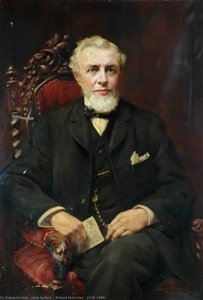
    • Richard Hattersley (1820–1900)
    • Lieutenant Edward Newdigate Boulton (1895–1963), RN
  • Copyright status: Under copyright
  • Развернуть подробности
  • Works on APS: 5
  • Also known as:
    • Джон Луис Спринк
    • Лéon John Sprinck
  • Nationality: Франция

Тест по искусству

В каждом вопросе только один правильный ответ.

Вопрос 1:
В каком году Леонардо Альберти начал строительство базилики Сант'Андреа в Мантуе?
Вопрос 2:
Кто был первым русским художником, который работал в Великобритании?
Вопрос 3:
Какое произведение искусства Леонардо Альберти является наиболее известным среди его работ?
Вопрос 4:
В какой эпохе Леонардо Альберти работал как художник?
Вопрос 5:
Каким был стиль живописи Леонардо Альберти?

Leon Sprinck: A Portraitist Bridging Impressionism and Art Deco

Leon John Sprinck (1866–1948) emerged from the artistic milieu of Paris at a pivotal moment in European art history—the waning years of Impressionism and the ascendance of Art Deco. Born into a family steeped in Norwegian heritage, he initially pursued scientific studies before dedicating himself to painting, a decision profoundly shaped by his father’s own distinguished career as a pastel artist. This lineage instilled within Sprinck a meticulous approach to observation and representation, qualities that would define his artistic style throughout his prolific life. His early training encompassed the academic tradition championed by Jean-Léon Gérôme, grounding him in classical draughtsmanship and compositional principles—a foundation he skillfully blended with the innovative techniques of Impressionism. Notably, Sprinck’s portrait of Lady Dundas exemplifies this synthesis, capturing both formal elegance and psychological nuance through a masterful use of pastel color and subtle tonal variations. This piece stands as testament to his ability to synthesize disparate influences into a cohesive artistic vision. He demonstrated an exceptional talent for blending classical precision with the expressive freedom championed by Impressionists like Monet and Renoir—a duality that would characterize his entire oeuvre. Sprinck's career flourished during the Belle Époque, establishing him as one of London’s most sought-after portrait painters. He cultivated relationships with prominent figures across society—aristocrats, diplomats, and artists alike—resulting in an impressive oeuvre encompassing over 300 paintings and drawings. His subjects ranged from stately ladies adorned in opulent gowns to dashing officers embodying the spirit of adventure, reflecting the dynamism and glamour of the era. The artist’s meticulous attention to detail—particularly in capturing facial expressions and conveying inner character—became a hallmark of his work. He was recognized for his ability to portray not merely physical likeness but also the essence of his subjects' personalities—a skill that cemented his reputation as one of London’s foremost portraitists. A significant turning point arrived with the Great War, prompting Sprinck to relocate his studio from London to Croydon. Despite the disruption caused by the conflict, he continued to produce artwork, demonstrating resilience and unwavering dedication to his craft. His artistic output during this period showcased a shift toward bolder color palettes and simplified forms—anticipating the stylistic trends of Art Deco. This evolution can be observed in portraits commissioned during the interwar years, where Sprinck employed geometric compositions and vibrant hues to convey both elegance and modernity. He skillfully adapted to changing aesthetic sensibilities while maintaining his commitment to artistic excellence—a testament to his enduring legacy as an artist who navigated a period of profound social and cultural transformation. Throughout his lifetime, Leon Sprinck’s artistic legacy extended beyond individual paintings; he served as a mentor to younger artists and actively participated in artistic circles. His influence resonated across generations of painters, fostering a tradition of psychological portraiture rooted in careful observation and nuanced tonal rendering. Today, Sprinck's works are housed in museums and private collections worldwide—a testament to his enduring appeal as an artist who captured the spirit of his time while upholding timeless standards of artistic excellence. He is remembered not only for his prolific output but also for his unwavering belief in the transformative power of art—a conviction that continues to inspire artists and scholars alike.