Гарантия возврата средств · 30 дней Бесплатная доставка по всему миру
446 261произведения искусства 30 640художники 4 753музеи 32язык
Страна
Валюта
Язык
Ателье · Осн. в 2015 г. · Париж, Франция
AllPaintingsStore
allpaintingsstore.com
Личный кабинет Избранное Корзина

Ян Асселийн

1610 - 1652

Краткая справка

  • Creative periods: mature period
  • Best occasions: заявление
  • Born: 1610, Диппе, Франция
  • Copyright status: Public domain
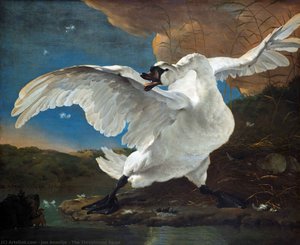
  • Top-ranked work: The Threatened Swan
  • Gift suitability: other-none
  • Top 3 works:
    • The Threatened Swan
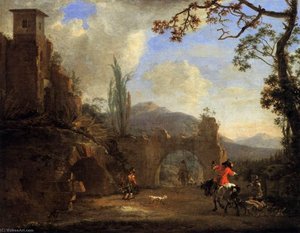
    • Muleteers beside an Italian Ruin
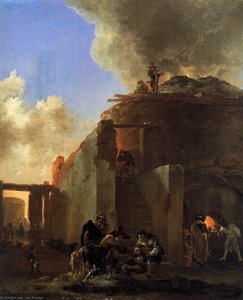
    • Бродяги перед римской литейной печью
  • Vibe: спокойный
  • Museums on APS:
    • Academy of Fine Arts Vienna
    • Academy of Fine Arts Vienna
    • Academy of Fine Arts Vienna
    • Academy of Fine Arts Vienna
    • Academy of Fine Arts Vienna
  • Nationality: Франция
  • Color intensity:
    • сбалансированный
    • яркий
  • Развернуть подробности
  • Works on APS: 54
  • Movements: dutch golden age
  • Art period: Раннее Новое время
  • Lifespan: 42 years
  • Mediums: масло на холсте
  • Room fit: гостиная
  • Also known as: Яан Асселин
  • Typical colors:
    • other
    • землистые
    • теплые тона
  • Died: 1652
  • Emotional tone: спокойный

Тест по искусству

В каждом вопросе только один правильный ответ.

Вопрос 1:
Где родился Ян ван Эйк?
Вопрос 2:
Кто оказал значительное влияние на художественный стиль Яна ван Эйка?
Вопрос 3:
Что является самым известным произведением Яна ван Эйка, часто воспринимаемым как символ нидерландской национальной защиты?
Вопрос 4:
В какой группе работал Ян ван Эйк во время пребывания в Италии?
Вопрос 5:
Кто был учеником Яна ван Эйка?

A Life Forged in Landscape: The World of Jan Asselijn

Jan Asselin, born around 1610 in Dieppe, France, embarked on an artistic journey marked by profound shifts in religious belief and a fervent embrace of burgeoning landscape painting techniques. His family, Huguenots fleeing persecution, relocated to Amsterdam in 1621—a vibrant epicenter of commerce and artistic innovation during the Dutch Golden Age—a move that irrevocably shaped his formative years. This relocation immediately immersed young Jean into an environment where capturing the grandeur and subtlety of nature was rapidly transforming from traditional depictions toward scenes brimming with atmospheric depth and emotional resonance. Initially apprenticed to Jan Martszen the Younger, Asselijn honed his skills in battle paintings before discovering his true passion: meticulously portraying the splendor and drama of both natural vistas and animal life—a pursuit that would define his artistic trajectory.

The Italianate Embrace & The Bentvueghels

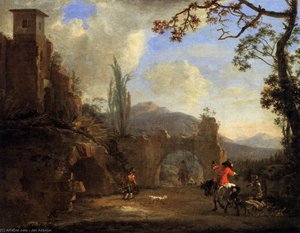
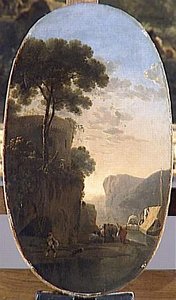
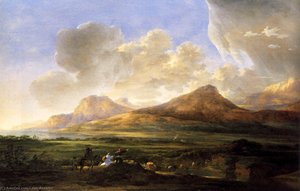
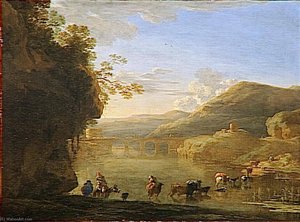
Like many ambitious Northern European painters of his era, Asselijn recognized the importance of refinement through exposure to Italy. Likely arriving sometime after 1635, he wholeheartedly adopted *Italianate* style—a genre distinguished by sun-drenched landscapes bathed in golden light, classical ruins standing proudly against azure skies, and pastoral scenes imbued with a palpable sense of romanticism. He joined the ranks of the *Bentvueghels*, a peculiar society comprised of Dutch and Flemish artists residing in Rome. These “Birds of a Feather” defied convention—embracing audacious nicknames, prioritizing direct observation of life over studio work, and upholding an uncompromising commitment to artistic authenticity. Within this spirited community, Asselijn earned the moniker "Krabbetje"—meaning "little crab"—due to a congenital deformity affecting his hand—yet he flourished creatively nonetheless. He absorbed the stylistic innovations championed by Pieter van Laer (Bamboccio), whose depictions of Roman peasant life and landscapes powerfully resonated with Asselijn’s own evolving artistic vision. This period constituted an indispensable catalyst in shaping his ability to convey atmosphere, light, and narrative within his canvases—a hallmark that would characterize his oeuvre for decades to come.

Mastering Light & Symbolism: Key Works

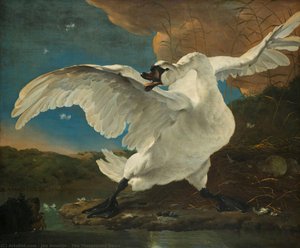
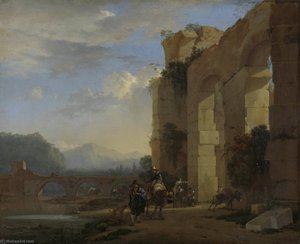
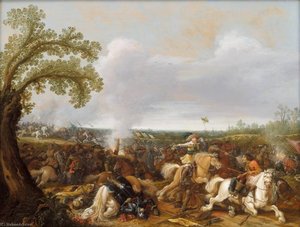
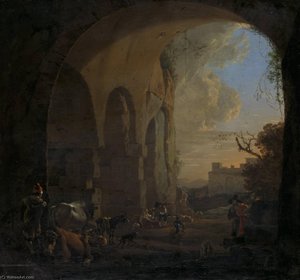
Returning to Amsterdam after considerable travel experience, Asselijn brought with him a refined technique and a distinctive artistic voice. His paintings are characterized by exceptional clarity of execution and masterful manipulation of light—qualities that swiftly garnered admiration from his peers and cemented his reputation as one of the era’s foremost landscape artists. While he produced historical and battle scenes alongside his landscapes, it was his depictions of rural life and animal studies that truly distinguished him from contemporaries. The Threatened Swan, completed around 1640, stands as Asselijn's magnum opus—a monumental achievement that transcends mere visual representation. More than simply capturing the beauty of waterfowl in flight, this painting became a potent emblem of Dutch national resilience against external pressures during a turbulent period marked by military conflict and political instability. The swan’s defiant posture—facing down an encroaching predator with unwavering determination—served as an allegorical invocation of Johan de Witt—a prominent Dutch statesman—and encapsulated the anxieties prevalent throughout the nation at that time. Furthermore, intriguing additions to the canvas—inscription “Holland” on one of the eggs and “Enemy of the state” positioned beside a menacing dog—underscored the painting’s profound political significance and cemented its place as an enduring symbol of Dutch patriotism. Other notable masterpieces include Cavalry Charge at Sunset—a testament to his formative training in battle art—and evocative portrayals of rural life, such as Drovers with Cattle Under An Arch of The Colosseum—which seamlessly blend Italianate landscape aesthetics with meticulous animal studies—demonstrating Asselijn’s unparalleled capacity for capturing both visual splendor and nuanced narrative. Finally, The Breach of Saint Anthony's Dike Near Amsterdam exemplifies his ability to depict a pivotal moment in Dutch history—the calamitous failure of the dike defenses during a devastating flood—reflecting the constant vulnerability faced by the Dutch people and highlighting the ingenuity required for safeguarding their land.

Influence & Legacy: A Lasting Impression

Jan Asselijn’s influence extended far beyond his own prolific artistic output. He was revered by fellow artists, notably Rembrandt van Rijn—who even created etchings depicting Asselijn at work—a gesture that subtly acknowledged the artist's physical disability and conveyed respect for his dedication to craft. Moreover, he served as a mentor to Frederik de Moucheron—another accomplished Dutch landscape painter who championed the Italianate style and disseminated its principles throughout Europe. Asselijn’s innovative approach to light and atmosphere profoundly impacted subsequent generations of painters—inspiring them to prioritize naturalism and imbue their canvases with emotional depth—leaving an indelible mark on the trajectory of European art history. His enduring legacy is secured through the preservation of his artworks in prestigious institutions such as the Rijksmuseum in Amsterdam, ensuring that his vision continues to captivate audiences worldwide.