

A Beacon of Black Heritage: Exploring the Harvey B. Gantt Center
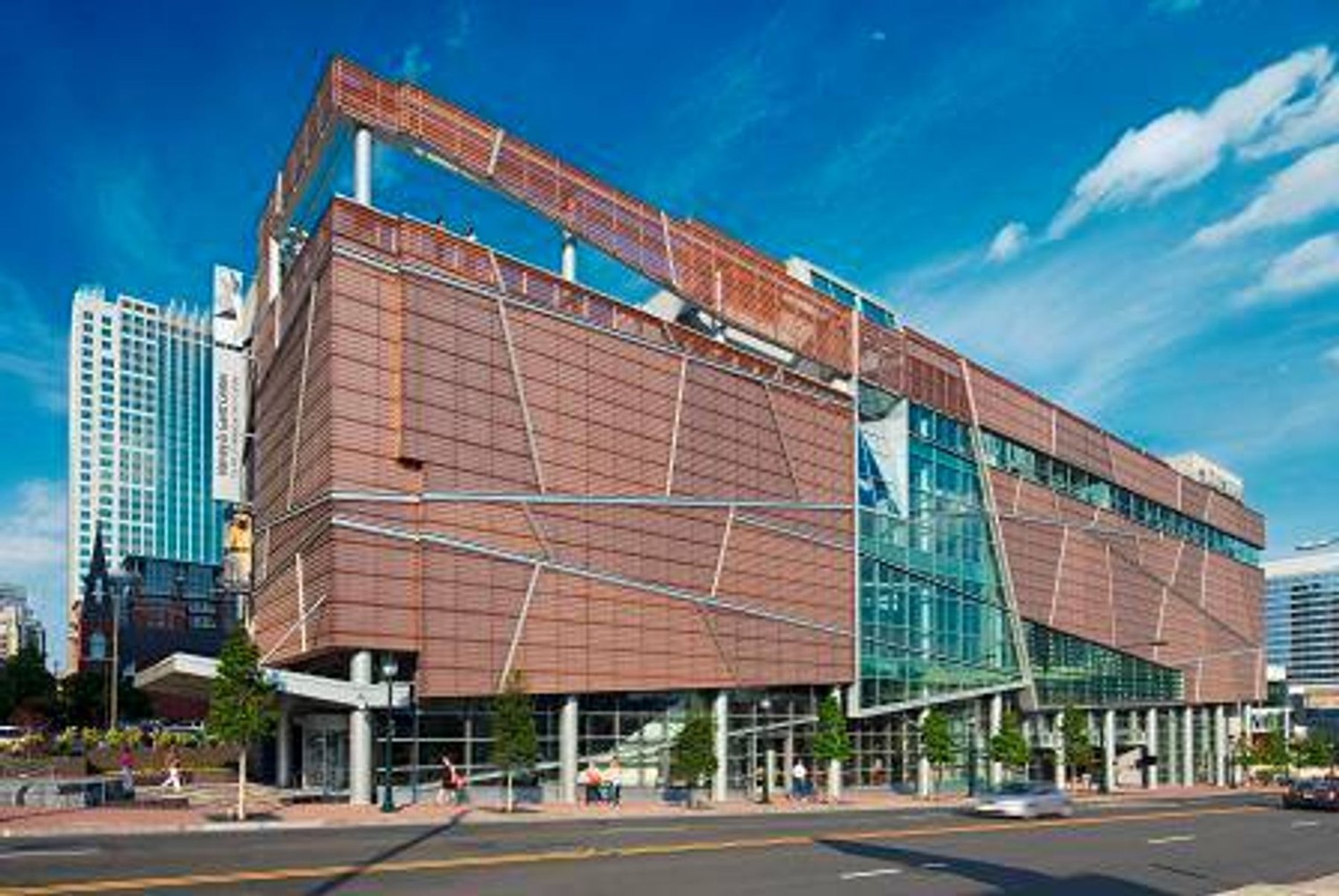
Nestled in the heart of Charlotte, North Carolina, the Harvey B. Gantt Center for African-American Arts + Culture isn’t merely a museum; it's a vibrant testament to resilience, creativity, and the enduring spirit of a community. From its humble beginnings as grassroots gatherings celebrating Black heritage to its current status as a nationally recognized cultural epicenter, the center embodies a powerful narrative of perseverance and artistic expression. Named in honor of Harvey Gantt, Charlotte’s first African-American mayor – a figure who shattered barriers at Clemson University and championed progress throughout his career – the building itself is a striking architectural achievement, designed by the renowned Freelon Group Architects, mirroring the concept of “Jacob's Ladder,” referencing the historic Myers Street School in Brooklyn. This deliberate design choice speaks volumes about the center’s mission: to represent an upward trajectory of education, enlightenment, and advancement within the African-American community.
The story of the Gantt Center is inextricably linked to the history of Charlotte's Black community. Born from a deep desire for a dedicated space to showcase artistic talent and preserve cultural memory, the center’s origins trace back to the 1970s. What began as modest festivals and gatherings gradually coalesced into a vision for a permanent institution – a place where the rich tapestry of African-American experiences could be celebrated and explored. The acquisition and renovation of the historic Little Rock A.M.E. Zion Church, a site steeped in local Black history, marked a pivotal moment, transforming a sacred space into a dynamic hub for art, culture, and community engagement. The building’s four stories, spanning 46,500 square feet, are not simply walls; they're a carefully orchestrated dialogue between modern design and profound cultural symbolism – a deliberate homage to the legacy of those who came before.
A Kaleidoscope of Artistic Expression
Stepping inside the Harvey B. Gantt Center is like embarking on a journey through time and across mediums. The collection, as diverse and dynamic as the culture it represents, showcases both contemporary and historical African-American artworks – paintings that pulse with emotion, sculptures that embody strength, photographs that capture moments in history, and multimedia installations that challenge perceptions. Beyond these visual arts, the center actively fosters a thriving performing arts scene, hosting captivating theater productions, soulful dance performances, and electrifying musical events. The Hewitt Collection, generously donated by Bank of America, adds another layer of depth to the museum’s offerings, providing scholars and art enthusiasts with an invaluable resource for research and appreciation.
Recent exhibitions have delved into compelling narratives – from the untold stories within Black biker culture, exploring themes of identity, resilience, and community, to powerful explorations of social justice. The curators don't simply display artwork; they craft carefully curated narratives designed to provoke thought, foster dialogue, and challenge conventional perspectives. The center’s commitment extends beyond static displays, actively engaging the community through educational programs, workshops, lectures, and outreach initiatives, solidifying its role as a vital cultural epicenter for Charlotte and beyond.
Architectural Significance & Historical Context
The building's design is more than just aesthetically pleasing; it’s deeply rooted in historical symbolism. As mentioned earlier, the “Jacob’s Ladder” motif directly references the Myers Street School, a landmark institution that served as a beacon of hope and opportunity for generations of Black children in Brooklyn. This deliberate connection underscores the center’s commitment to education and advancement – a core value reflected throughout its programming and exhibitions. The exterior façade itself is a work of art, incorporating patterns reminiscent of quilt designs from the Underground Railroad era and woven textile patterns from West Africa, creating a visual tapestry that celebrates African heritage.
The choice to renovate the historic Little Rock A.M.E. Zion Church was not merely pragmatic; it was a profound act of preservation. The church’s rich history – its role as a gathering place for the Black community and its significance in the neighborhood's development – is inextricably linked to the center’s mission. The building’s transformation from a sacred space into a vibrant cultural institution represents a powerful symbol of continuity and renewal, honoring the past while embracing the future.
A Living Cultural Hub
What truly distinguishes the Harvey B. Gantt Center is its unwavering commitment to being more than just a repository of art and artifacts. It’s a living, breathing cultural epicenter that actively engages with the community through a diverse range of programs – from family-friendly events to sophisticated lectures and workshops. The center serves as a welcoming gathering place for people of all backgrounds, fostering understanding, appreciation, and respect for African-American heritage. Its strategic location in Uptown Charlotte further solidifies its role as an integral part of the city’s cultural landscape, making it easily accessible to residents and visitors alike.
The Harvey B. Gantt Center isn't simply *about* African-American culture; it *is* a vibrant expression of it – constantly evolving and adapting to meet the needs of the community it serves. It’s a place where stories are told, histories are preserved, and futures are imagined, offering an unforgettable journey through the heart and soul of this rich and resilient heritage.