




The Chivalric Code: Symbolism and Spirit in Medieval Portraiture
To gaze upon the portraiture of the Middle Ages is to enter a world governed by an invisible, yet unbreakable, set of ethics. The knight was never merely a soldier; he was a living embodiment of chivalry, a complex tapestry of courage, piety, and courtly grace. In the meticulous rendering of armor, crests, and heraldry, medieval artists communicated much more than physical likeness. Every etched line on a breastplate and every specific hue in a surcoat served as a silent language, signaling lineage, allegiance, and the profound weight of duty.
The artistry of this era relied heavily on symbolism to convey the internal virtues of the subject. A knight depicted with a certain posture or accompanied by specific flora was not an accidental composition but a carefully curated narrative of character. This period of art history invites us to look beyond the steel and silk, searching for the spiritual essence that defined the noble class. Through the careful use of color and iconography, these portraits captured the very soul of an age where honor was the highest currency.
Ultimately, these works function as windows into a lost social order, reminding us that art has always been a tool for defining identity and moral standing within a community.
Divine Visions and Earthly Valor: The Sacred Narratives of Giotto
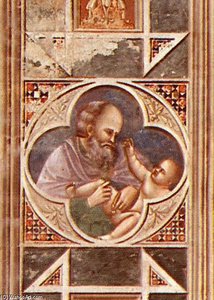
As we transition from the rigid symbols of heraldry toward the dawn of the Proto-Renaissance, we encounter the transformative genius of Giotto di Bondone. His frescoes, particularly those within the Basilica of Saint Francis in Assisi, represent a seismic shift in how humanity perceived the divine. In masterpieces such as the Vision of the Empyrean Thrones, Giotto moved away from the flat, stylized icons of the Byzantine tradition to introduce a breathtaking sense of weight, volume, and human emotion.
Giotto’s ability to marry the celestial with the terrestrial is perhaps most poignantly realized in his depictions of the Legend of Saint Francis. In works like the Death of the Knight of Celano, we see a remarkable infusion of realism. The divine is no longer a distant, abstract concept; it is felt through the palpable grief and physical presence of the figures. By introducing depth and anatomical gravity, Giotto allowed the viewer to experience sacred history as a lived, breathing reality. His brushwork—or rather, his masterful application of pigment on wet plaster—created a stage where the miraculous could intersect with the profoundly human.
This era of sacred narrative reminds us that the greatest art does not just depict a story; it invites the observer to participate in its emotional truth.
From Battlefield to Pastoral Peace: The Evolution of the Knightly Image
The visual trajectory of the knight throughout history is one of fascinating metamorphosis. In the high medieval period, the imagery was often defined by the tension of conflict—the clatter of iron and the dust of the tournament grounds. However, as centuries progressed, the romanticized notion of the knight began to soften, blending into more contemplative and pastoral settings. We see this evolution in later interpretations, such as the evocative works of Sir Alfred James Munnings, where the horse and rider are no longer just instruments of war, but integral parts of a serene, impressionistic landscape.
In these later iterations, the "knight" becomes a symbol of a lost, idyllic era. The focus shifts from the brutality of combat to the quiet dignity of the rider moving by a tranquil lake or through sun-drenched meadows. This transition reflects a broader cultural shift toward Romanticism, where the ruggedness of the medieval warrior is reimagined through a lens of nostalgia and aesthetic beauty. The armor may remain, but the atmosphere is one of peace rather than peril.
This evolution demonstrates how art continuously reinterprets historical archetypes to reflect the changing values and emotional landscapes of subsequent generations.
The Art of Legend: How Medieval Masterpieces Shaped Our Cultural Memory
Legends are not merely stories; they are the cultural bedrock upon which civilizations are built. The medieval era provided a wealth of mythic material—from the Holy Grail to the exploits of King Arthur—that found its most enduring expression through visual art. These paintings acted as the primary medium for disseminating legends to a largely illiterate population, turning every cathedral wall and illuminated manuscript into a cinematic experience of epic proportions.
The power of these images lies in their ability to crystallize abstract legends into concrete visual icons. When we think of a dragon, a quest, or a fallen hero, our mental imagery is often composed of the textures, colors, and compositions established by medieval and Renaissance masters. These works have shaped our collective subconscious, providing a visual vocabulary for heroism and tragedy that persists in modern cinema and literature today.
By studying these masterpieces, we gain a deeper understanding of how the myths of the past continue to breathe life into the stories of the present.
Preserving the Past: Bringing Historical Grandeur into Modern Interiors
In our contemporary, fast-paced world, there is a profound longing for the permanence and depth found in historical art. Integrating elements of medieval and Renaissance aesthetics into modern spaces allows for a unique dialogue between eras. Whether through large-scale frescoes that recreate the majesty of an Italian basilica or carefully selected oil reproductions that evoke the chivalric spirit, art can transform a house into a sanctuary of culture.
The key to successful integration lies in the appreciation of texture and authenticity. The visible brushstrokes of a hand-painted reproduction offer a tactile richness that digital prints simply cannot replicate. When we surround ourselves with works that possess impasto depth or the subtle craquelure of aged masterpieces, we bring a sense of historical continuity into our daily lives. This is not merely about decoration; it is about curation—selecting pieces that command respect and invite contemplation.
As we look to the future of art collecting, the ability to bridge the gap between ancient legends and modern living remains one of the most rewarding endeavors for any true lover of history.
At AllPaintingsStore.com, we are dedicated to making this historical grandeur accessible to all. From bespoke oil reproductions that capture the soul of the Old Masters to custom commissions that reimagine your own milestones through a classical lens, our mission is to preserve human creativity for a modern audience. Whether you seek a museum-quality fresco or a personalized portrait, our master artists bring the timeless magic of art history into your home.


