Záruka vrátenia peňazí · 100 dní Bezplatné celosvetové doručenie
646 446artworks 53 409umelci 5 406múzeá 32jazyky
Portrét Henry Ottmann

19 najznámejších obrazov od umelca Henry Ottmann, z ktorých si môžete vybrať

Aktualizované október 2026 · zoradené podľa našej miery popularity (vyhľadávanie, návštevy a objednávky pre každou prácu) · 19 dielov umelca Henry Ottmann v našom katalógu

Rýchla odpoveď

Číslo jeden medzi obrazmi umelca Henry Ottmann je The luxembourg station - brussels. Na druhom a tretom mieste: Nature morte au violon Le violon rouge (Ancien titre) a Beach With Characters. Náš katalóg obsahuje 19 diel od umelca Henry Ottmann. Zoznam 19 uvedených tu predstavuje najznámejšie diela usporiadané podľa poradia, spolu s rokom a múzeou, v ktorej sa nachádza originál.

1877 – 1927, Ancenis Post-impressionism Najviac diel: Musée d'Orsay

Top 10: najznámejšie obrazy umelca Henry Ottmann

Poriadie od 11 do 19: viac obrazov od Henry Ottmann

Obrazy umelca Henry Ottmann podľa témy

Štyri najčastejšie témy v tomto poradení spolu s najlepším obrazom pre každú z nich.

Múzeá, ktoré uchovávajú originály umelca Henry Ottmann

2 múzeá, v ktorých sa nachádza najviac obrazov z tejto stránky.

Múzeá Mesto Diela umelca Henry Ottmann Obrazy z tohto zoznamu
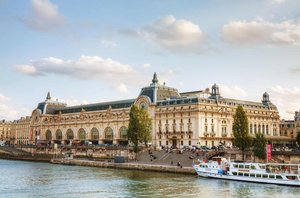
Musée d'Orsay, ParížMusée d'Orsay Paríž 1 The Luxembourg Station -
Centre Pompidou, ParížCentre Pompidou Paríž 1 Sleeping Courtesan

Najlepšie obrazy umelca Henry Ottmann za každý rok

1920: každá datovaná maľba od Henry Ottmann na tejto stránke pochádza z tohto roku. Tu sú, zoradené podľa poradia.

Diela podľa roku

Vyberte rok a pozrite si jeho obrazy.

Obrazy umelca Henry Ottmann: FAQ

Ktoré je najznámejšie dielo umelca Henry Ottmann?Zobraziť odpoveď

The luxembourg station - brussels sa umiestňuje na prvom mieste, za ním nasledujú Nature morte au violon Le violon rouge (Ancien titre) a Beach With Characters.

Ktorých desať najznámejších obrazov má Henry Ottmann?Zobraziť odpoveď

The luxembourg station - brussels, Nature morte au violon Le violon rouge (Ancien titre), Beach With Characters, Along The River, Le petit Fernand, Portrait de René Levrel, Portrait de l'artiste, L'étal marseillais, L'Erdre au pont d'Orléans, Nantes a Femme peignant dans un paysage. Rok a múzeu pre každé dielo nájdete v hornnej časti rebríčka.

Koľko obrazov od Henry Ottmann je v zozname?Zobraziť odpoveď

V našom katalógu sa nachádza 19 diel od Henry Ottmann.

V ktorých múzeách sa nachádzajú najznámejšie originály umelca Henry Ottmann?Zobraziť odpoveď

Predovšetkým v Musée d'Orsay (Paríž) a Centre Pompidou (Paríž). Pre úplný zoznam pozrite tabuľku múzeí vyššie.

Aké témy sa najčastejšie objavujú v obrazoch umelca Henry Ottmann?Zobraziť odpoveď

Medzi 19 obrazmi v tomto rebrísku: Europe (3), Women (2) a Woman (2).

Do ktorého smeru patria obrazy umelca Henry Ottmann?Zobraziť odpoveď

Post-impressionism, na základe obrazov usporiadaných na tejto stránke.

Môžem si kúpiť obraz od Henry Ottmann ako reprodukciu?Zobraziť odpoveď

Áno. Každý obraz na tejto stránke si môžete objednať ako ručne maľovanú olejobraskovú reprodukciu alebo ako tlač. Otvorte obraz, vyberte si veľkosť a dokončite objednávku.

Henry Ottmann: umelec za týmito obrazmi

A Glimpse into the French Soul: The Life and Art of Henri Ottmann

Henri Ottmann, a name perhaps less immediately recognized than some of his contemporaries, nevertheless occupies a significant niche in the transition between Impressionism and Post-Impressionism. Born in Ancenis, France, in 1877, Ottmann’s artistic journey was one of subtle evolution, marked by a sensitive approach to color, light, and the human form. His canvases offer a poignant window into early 20th-century French life, capturing not just appearances but also an underlying emotional resonance that speaks across generations. He debuted at the prestigious Salon La Libre Esthétique in Brussels in 1904, a pivotal moment that launched him onto the Parisian art scene and connected him with a network of forward-thinking artists who were challenging conventional artistic boundaries. This early exposure proved crucial, providing a platform for his emerging talent and fostering an environment of creative exchange.

Navigating Influences: From Impressionism to Personal Expression

Ottmann’s development wasn't one of abrupt revolution but rather a gradual refinement of technique and vision. Initially steeped in the principles of Impressionism, he absorbed the lessons of capturing fleeting moments and the effects of light on color. However, he soon began to move beyond mere optical representation, seeking a deeper level of emotional expression – a hallmark of Post-Impressionism. His active participation in key Parisian salons—the Salon des Indépendants from 1905 onward, the Salon d'Automne, and others—placed him squarely amongst the leading figures of his time. He wasn’t merely present; he was actively engaging with the artistic currents that were reshaping the landscape of modern art. The influence of artists like Armand Guillaumin, Henri Lebasque, and Paul Signac is readily apparent in his work. Exhibiting alongside these masters at the Galerie Paul Durand-Ruel in 1911 and 1912 allowed Ottmann to absorb their techniques and stylistic approaches firsthand. He masterfully blended Impressionistic color palettes with a more deliberate compositional structure and an emotional depth that distinguished his paintings from purely optical studies.

A Diverse Palette: Themes and Techniques

Ottmann’s artistic output was remarkably diverse, encompassing sensitive portraits, intimate nudes, vibrant still lifes, and evocative scenes of modern life. His portraiture stands out for its ability to capture not just the likeness but also the inner character of his subjects. He possessed a remarkable gift for conveying personality through subtle nuances of expression and pose. Similarly, his nude paintings are characterized by a delicate rendering of form and a restrained eroticism that avoids sensationalism. These works aren’t simply studies of the human body; they're explorations of sensuality and vulnerability. His still lifes showcase a mastery of color and composition, often featuring everyday objects arranged in harmonious groupings that elevate the mundane to the level of art. And his scenes of modern life offer glimpses into the changing social landscape of early 20th-century France, depicted with a keen eye for detail and atmosphere. Beyond painting, Ottmann also demonstrated versatility as a printmaker, contributing illustrations using woodcut techniques to periodicals like La Gebre in 1919 alongside artists such as Paul Signac and Henriette Tirman.

Legacy and Remembrance

Henri Ottmann’s career was tragically cut short by a car accident in Vernon, France, in 1927, at the age of fifty. Though his life ended prematurely, he left behind a body of work that continues to resonate with viewers today. While perhaps not a household name, his contributions to French painting are undeniably significant. His paintings can be found in prominent museums such as the Musée d'Orsay and the Musée National d'Art Moderne in Paris, ensuring that his artistic legacy endures. He represents a crucial transitional figure—an artist who embodied the shift from the fleeting impressions of Impressionism to the more subjective and expressive concerns of Post-Impressionism. His work provides invaluable insight into the artistic climate of early 20th-century France, offering a unique perspective on the social and cultural transformations that were taking place during this dynamic period. Ottmann’s art is a testament to the power of observation, sensitivity, and the enduring beauty of the human spirit.

Všetky 19 diela od Henry Ottmann →