


 Predogled v realnem okolju
 Pošlji
 Deli
Deli
 Podrobnosti o delu
 Priročnik

 Prenesi sliko
 Podobni izdelki
 Rentgenski posnetek
 Predvajaj diaporama
 Statistika
Rooftops of Ostend

 Preberi več
Giclée tisk / Umetniški tisk
Giclée ali platnati odtis muzejske kakovosti z hitro proizvodnjo in prilagodljivimi možnostmi končne obdelave. ( Kupite ročno slikano delo Preklop na digitalno sliko)




P118B €10

P118H €10

P118W €10

P438Z €10

P508JH €12

P508YH €12

P805H €10

P805Z €10

P919BZ €10

P919G €10

P919XJ €10

P959ZH €10

P968JZ €12

W106C €8

W218G €10

W218JH €8

W218Y €10

W307PJ €10

W316G €10

W316PJ €8

W316Y €10

W398PJ €8

W4111J €10

W500HY €15

W500JH €15

W692G €12

W849H €8

W940BG €15

W953PJ €8




Izberite eno od naših vnaprej določenih velikosti, ki ustrezajo prvotnim proporcijam umetničkega dela.

Vnesite širino in višino, ki jih potrebujete za svoj okvir ali steno. Tiskanje se lahko le odreže, vendar ga ni mogoče narediti večjega od slike, zato format z drugačno obliko pomeni izgubo dela slike. Pred tiskanjem vam pošljemo digitalni predogled za potrditev. Slika, prikazana na tej strani, ne prikazuje dejanskega izrezka — le predogled to omogoča.
Globalna dostava () v 2 tednih namesto standardnih 4/5 tednov. (28 oktober)

Brezplačna ekspresna dostava po vsem svetu

Visokokakovostno laneno platno

Popolno zavarovanje pošiljke

Garancija povračila carine in uvoznih davkov

Garancija popolnega barvnega ujemanja

100-dnevna politika vračil (le v primeru okvar)

Garancija 100% povračila denarja

Popust pri večjem naročilu
 Možnost stekla je na voljo le za velikosti pod 110 cm

Rooftops of Ostend
Giclée tisk / Umetniški tisk
Velikost reprodukcije
-


Skupna cena
€ 56
A Window into Ostend’s Soul: James Ensor's Rooftops
- James Ensor (1860-1949), a Belgian artist born in Ostend, stands as a singular figure within the Symbolist movement. His work transcends mere representation; it delves into psychological landscapes and confronts viewers with unsettling truths about human existence.
- “Rooftops of Ostend,” painted circa 1888-1900, exemplifies Ensor’s distinctive style—characterized by bold lines, flattened perspectives, and a deliberate rejection of academic conventions. The canvas captures the cityscape of Ostend with remarkable precision, yet simultaneously imbues it with an atmosphere of melancholy and contemplation.
Composition and Technique: Embracing Distortion for Emotional Resonance
- Ensor’s technique is marked by a masterful use of impasto—thickly applied paint—creating textural surfaces that heighten the visual impact. The artist employs a muted palette dominated by earthy tones, punctuated by splashes of crimson and ochre, mirroring the dramatic interplay between light and shadow.
- Notably, Ensor deliberately distorts architectural forms, flattening planes and exaggerating contours to convey a sense of unease and disorientation. This stylistic choice isn’t merely decorative; it serves as a conduit for expressing psychological anxieties—a hallmark of Symbolist art.
Historical Context: The Shadow of Modernity
- "Rooftops of Ostend" emerged during the late Victorian era and coincided with burgeoning industrialization and urbanization. Ensor’s depiction reflects anxieties surrounding societal change, mirroring broader concerns about the loss of innocence and the encroaching influence of modernity.
- Ostend itself was a prominent port city undergoing rapid transformation—a hub for trade and tourism—and Ensor's painting captures this dynamism while simultaneously hinting at its darker undercurrents. The inclusion of a clock symbolizes the relentless march of time, emphasizing the ephemeral nature of human experience.
Symbolism Beyond Surface Appearance: Masks and Disguise
- As with much of Ensor’s oeuvre, “Rooftops of Ostend” is laden with symbolic references. The prominent clock serves as a visual motif for confronting mortality—a recurring theme in Ensor's work. Furthermore, the artist’s penchant for masks and disguise reflects his preoccupation with concealing identity and exploring hidden emotions.
- The overcast sky contributes to the painting’s mood of introspection and apprehension. It symbolizes obscurity and uncertainty, mirroring the psychological complexities portrayed within the cityscape itself—a space where appearances deceive and truths remain concealed.
Emotional Impact: A Portrait of Existential Disquiet
- "Rooftops of Ostend" resonates with viewers on a visceral level, eliciting feelings of melancholy and unease. Ensor’s masterful manipulation of color and texture compels contemplation—inviting us to confront uncomfortable realities about human condition.
- More than just a depiction of a place, the painting is an exploration of inner turmoil—a testament to Ensor's ability to translate psychological states into visual form. It remains a powerful reminder that art can transcend mere representation and communicate profound truths about our shared experience.
Vprašanja in odgovori
Kako si lahko ogledam predogled reprodukcije dela "Rooftops of Ostend" avtorja James Ensor?
Za ogled predogleda reprodukcije dela "Rooftops of Ostend" avtorja James Ensor odprite stran Predogled dela za to umetniško delo.
Katera postavitev najbolje ustreza formatu dela "Rooftops of Ostend" avtorja James Ensor?
Format Landscape dela "Rooftops of Ostend" avtorja James Ensor priporočamo za Living Room. Format in prostor skupaj pomagata pri izbiri optimalne postavnitve reprodukcije.
Ali lahko vidim rentgenski pregled dela "Rooftops of Ostend" avtorja James Ensor?
X-ray pogled dela "Rooftops of Ostend" avtorja James Ensor si lahko ogledate na strani Rentgenski pregled: to je interaktivno raziskovanje slike skozi enajst optičnih slojev.
Sorodna umetniška dela


Biografija umetnika
James Ensor: A Pioneer of Expressionism and Surrealism
James Sidney Edouard Ensor (Ostend, 13 April 1860-19 November 1949) was a Belgian painter and printmaker who stands as one of the most influential figures in the development of Expressionism and Surrealism. Born into an English father and Belgian mother—a duality that profoundly shaped his artistic worldview—Ensor defied convention from the outset, rejecting academic formalism and embracing unsettling imagery rooted in psychological exploration.
Early Influences and Artistic Training
His formative years were marked by exposure to Ostend’s vibrant seaside atmosphere and his parents’ souvenir shop, which stocked exotic objects and carnival masks – stimuli that ignited his imagination and instilled a lifelong fascination with disguise. Ensor pursued formal artistic training at the Académie Royale des Beaux-Arts in Brussels, where he encountered fellow artists like Fernand Khnopff and Theo Van Rysselberghe—connections that fostered intellectual debate and propelled him beyond traditional boundaries.
A Shift Towards Grotesque Visionary Art
Around 1886-1889 Ensor embarked on a transformative stylistic journey, abandoning Impressionistic ideals for Expressionist techniques characterized by bold brushwork and vibrant color palettes. Influenced by Rembrandt’s masterful use of chiaroscuro, Francisco Goya’s unflinching depictions of human suffering, and Japanese woodcuts—a fascination with visual symbolism—Ensor developed a distinctive iconography focused on grotesque figures and unsettling narratives.
Key Masterpieces and Recurring Themes
His most celebrated works – including *Christ's Entry into Brussels* (1888-1889), *The Scandalized Masks* (1883) and *Skeletons Fighting over a Hanged Man* (1891) – exemplify Ensor’s commitment to confronting uncomfortable truths about human psychology and societal hypocrisy. Recurring themes throughout his oeuvre include death, decay, social critique, religious satire, and the boundless potential of imagination—elements that continue to resonate with audiences today.
Legacy and Influence
James Ensor's uncompromising artistic vision solidified his position as a pivotal innovator in modern art, paving the way for Expressionist artists like Edvard Munch and Surrealists like René Magritte. His rejection of academic conventions and embrace of psychological depth profoundly impacted subsequent generations of painters—establishing him as an enduring symbol of artistic rebellion and intellectual courage.
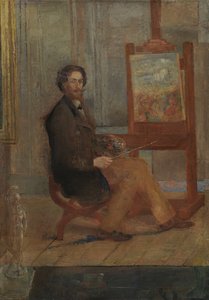
James Ensor
1860 - 1949 , Belgija
Hitri podatki
- Artistic Movement Or Style: Expressionism, Surrealism
- Artists Who Influenced This Artist:
- Pieter Bruegel the Elder
- Francisco Goya
- Whistler
- Date Of Birth: April 13, 1860
- Date Of Death: November 19, 1949
- Full Name: James Sidney Edouard Ensor
- Nationality: Belgian
- Notable Artworks:
- The Scandalized Masks
- Skeletons Fighting...
- Christ's Entry into Brussels
- Place Of Birth: Ostend, Belgium
Sorodni članki

Urban Visions: A Historical & Artistic Exploration of the Cityscape in Painting
Explore the evolution of cityscape painting from historical maps to Impressionist masterpieces. Discover artists like Caillebotte, Utrillo & Matsumoto Shunsuke. Find museum-quality reproductions at AllPaintingsStore.

James Ensor's Grotesque Visions: Social Commentary & Artistic Innovation
Explore the unsettling yet captivating world of James Ensor, a pioneer of Expressionism. Discover his satirical masterpieces, symbolic imagery & lasting influence on modern art. High-quality reproductions available at AllPaintingsStore.

Gothic Vibes: From Dark Shadows to Bold Modern Edge | The Ultimate Trend Forecast
Explore the evolution of Gothic vibes, from historical shadows to bold modern edge. Discover how dark aesthetics, noir interiors, and contemporary subcultures are redefining modern design through a high-impact, trend-focused lens.

Shadow & Soul: The Bold Dark Art Trend Redefining Modern Urban Interiors
Level up your space with the boldest trend in urban design. Discover how dark art, moody textures, and high-contrast aesthetics create a powerful visual impact. Master the art of shadow and soul to transform your modern interior into a high-energy masterpiece.

Dark Gray Masterpieces: 10 Iconic Paintings & Timeless Home Decor Ideas
Explore 10 iconic paintings dominated by dark gray tones, from Rembrandt & Caravaggio to Goya. Discover the stories behind these masterpieces and find museum-quality art reproductions for your home at . Explore the full collection online.


