Predogled
 Pošlji
 Deli
Deli
 Podrobnosti o delu

 Prenesi
 Podobni izdelki
 Rentgenski posnetek
 Predvajaj diaporama
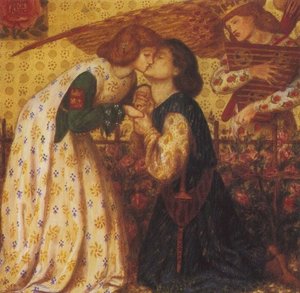
Poroka svetiha Georga in princesa


 Razviljaj več
Ročno izdelana oljna reprodukcija
Ročno slikano olje na platnu v vaši izbiri velikosti in okvirja, izdelano po naročilu naših umetnikov. ( Kupi tisk Kupi digitalno sliko)




P118B $10

P118H $10

P118W $10

P438Z $10

P508JH $12

P508YH $12

P805H $10

P805Z $10

P919BZ $10

P919G $10

P919XJ $10

P959ZH $10

P968JZ $12

W106C $8

W218G $10

W218JH $8

W218Y $10

W307PJ $10

W316G $10

W316PJ $8

W316Y $10

W398PJ $8

W4111J $10

W500HY $15

W500JH $15

W692G $12

W849H $8

W940BG $15

W953PJ $8




Izberite eno od naših vnaprej določenih velikosti, ki ustrezajo prvotnim proporcijam umetničkega dela.

Svoje dimenzije lahko vnesete tako, da se prilagodite določenemu okvirju ali prostoru. Če izbrana velikost ne ustreza razmerjem originalne slike, bomo umetniško delo obrezali ali sliko dopolnili z dodatnimi ročno naslikanimi elementi. Pred začetkom proizvodnje vam bo poslan digitalni osnutek v odobritev.
Upoštevajte, da predogled na zaslonu ne odraža dejanskega obrezovanja ali podaljšanja. Le osnutek bo natančno prikazal končno kompozicijo.
Čeprav so na voljo velikosti po meri, priporočamo izbiro dimenzije s preddefiniranega seznama, da ohranimo originalne razmere.
Po oddaji naročila bo ekipa AllPaintingsStore.com stranki po e-pošti poslala navodila in predogled digitalnega predogleda.
Svetska dostava () za 3/4 nedelje umesto uobičajenih 5 nedelja. (13 avgust). Bez kompromisa po pitanju kvaliteta.

Brezplačna ekspresna dostava po vsem svetu

Visokokakovostno laneno platno

Popolno zavarovanje pošiljke

Garancija povračila carine in uvoznih davkov

Garancija popolnega ujemanja barv

60-dnevna politika vračanja (le v primeru napak)

Garancija 100% povračila denarja

Popust pri večjem naročilu
 Možnost stekla je na voljo le za velikosti pod 110 cm

Poroka svetiha Georga in princesa
Tehnika reprodukcije
Velikost reprodukcije
-


Skupna končna cena
$ 283
Opis umetninine
A Vision of Sacred Union: Exploring Rossetti’s ‘The Wedding of St George and the Princess’
Dante Gabriel Rossetti's 1857 painting, *The Wedding of St. George and the Princess*, je prekrasen primer umetnosti Pre-Raphaelite sloga, polna simbolične globine in čuteškega odjeka. Ta gosto složenolepeljen uljanik prelite svetlobo, gledalcu popelje v veličasten, skoraj sanjski prostor, kjer se prikazuje ključni trenutek, pogloben v versko pripoved.
Subject & Narrative
Na platnu je prikaz poročne povorke sv. Georgija in princeze, čeprav to ni neposreden prikaz prazničnega dogodka. Rossetti namrežno predstavlja kompleksno sceno, pospanoženo z opazovalci in simboličnimi gestami. Verjetno je slika navdihnjena pesnitvo Sir Walter Scottja *Marmion*, še posebej epizodo o poroki sv. Georgija. To ni le zgodovinski ali verski ilustracijski primer, temveč je to raziskovanje viteščine, vere in ljubavi v dvoru, filtrirano skozi Rossettijev edinstven umetniški vidik.
Pre-Raphaelite Style & Technique
- Meticulous Detail: Res tako, kot so prepričali člani Pre-Raphaelite Brotherhood, je slika karakterizirana z osupljivim nivojem podrobnosti. Vsak zvitek tkanine, vsako čutno izrazo in vsaka arhitekturna prvinska je izvedena s skrbnim natančnostjo.
- Rich Color Palette: Rossetti uporablja živahno, a harmonijo barvno paleto, ki jo dominira toplotna tona – zlata, rdeča in smaragdna, ustvarjata občutek bogastva in veličanstvenosti. Hladnejša modrica in zelena dodajajo subtilne kontrasti na ozadju, dodajajo globino brez odvečnjega odvračanja pozornosti od osrednjega fokusa.
- Impasto & Glazing: Umetnik z glasnostjo uporablja impasto – gosto naneseno barvo – za ustvarjanje teksture in taktilnega občutka, še posebej opazen v tkanini in arhitekturnih prvinskih. To je dopolnjeno s tehniki glazure, kjer se preprogne barve nanašajo za dosego svetlečih učinkov in občutka globine.
- Flattened Perspective & Dynamic Lines: Perspektiva ni tradicionalno realistična; namesto tega je nekoliko sploščen, krepko poudarja figure in njihovo simbolično pomembnost nad prostorsko natančnostjo. Tečeča, ukrivljena črta prispeva k občutku gibanja in dinamike v kompoziciji.
Symbolism & Meaning
Slika je naložena simbolizmom:
- St. George: Predstavlja viteščino, pogum in vero – zaščitnika neviht.
- The Princess: Simbolizira nedotopnost, lepoto in predanost.
- Starbursts: Te ponavljajoče se motivi predstavljajo božansko svetlobo in duhovno osvetlitev.
- Opulent Setting: Lasični notranji prostor nakazuje sveti prostor, primeren za resnost dogodka. Poudarja tudi moč in bogastvo, povezanega s kraljestvom in verskimi institucijami.
Historical Context & Rossetti’s Vision
Dante Gabriel Rossetti (1828-1882), ključna figura v Pre-Raphaelite gibanju, je želel odpraviti se od tega, kar je ocenil kot umetnostsko umetnost akademikov, in se vrniti k resničnosti in podrobnosti, ki jih najdemo v zgodnjih italijanskih renesančnih slikah. Bil je močno vplivan na srednjeveško literaturo, poezijo in mitologijo, vse to se odraža v njegovem delu. *The Wedding of St George and the Princess* primerja ta estetski slog – mešanica verske pripovedi, romantične idealizacije in natančno obrtništva.
Emotional Impact & Aesthetic Appeal
Ta slika povzroča občutek čudežnosti, spoštovanja in skrivnosti. Kompleksne podrobnosti vabijo k bližnji preiskavi, bogate barve in dramatična svetloba ustvarjata vtis, ki ga je treba razmišljati o njem, prikazu novih slojev smisla z vsakim ogledom. Njena romantična občutljivost in vizualna lepota jo naredijo privlačen dodatek k kateremu koli umetniškemu zbiralniku ali notranji prostor, ponuja brezčasno izraz lepote in vere.
Sorodna umetniška dela


Biografija umetnika
A Life Immersed in Beauty: The World of Dante Gabriel Rossetti
Dante Gabriel Rossetti, born Gabriel Charles Dante Rossetti in 1828 London, was a figure profoundly shaped by the currents of his time—a Romantic spirit blossoming into the Victorian era. His lineage itself hinted at the artistic destiny that awaited him; his father, an Italian political refugee and scholar of Dante Alighieri, instilled within young Gabriel a deep reverence for literature and the arts. This early exposure, coupled with a mother who nurtured his intellectual curiosity, laid the foundation for a life dedicated to creative expression. Though initially considering a clerical career, Rossetti’s true calling lay in the realm of aesthetics—a path he would forge as a poet, illustrator, and, most notably, a painter whose works continue to captivate audiences today. His formative years were steeped in the literary giants of his age – Shakespeare, Dickens, Scott, Byron – all contributing to a rich imaginative landscape that would later define his artistic vision.The Pre-Raphaelite Rebellion and Artistic Awakening
Rossetti’s name is inextricably linked with the Pre-Raphaelite Brotherhood, a revolutionary movement he co-founded in 1848 alongside William Holman Hunt and John Everett Millais. This wasn't merely an artistic shift; it was a rebellion against the perceived artificiality of academic painting prevalent at the time. The Brotherhood sought to return to the detailed realism, vibrant colors, and spiritual intensity found in Italian and Flemish art *before* the High Renaissance – hence “Pre-Raphaelite.” This meant rejecting the idealized forms and conventional compositions favored by the Royal Academy, instead embracing a meticulous observation of nature and a commitment to truthful representation. Rossetti’s early works, such as *The Girlhood of Mary Virgin*, exemplify this dedication, showcasing an almost photographic level of detail alongside symbolic imagery drawn from religious texts. The Brotherhood’s manifesto wasn’t just about *how* to paint, but *what* to paint – focusing on themes of morality, spirituality, and beauty with an intensity that challenged Victorian sensibilities. He championed the Pre-Raphaelite ideal—a rejection of academic conventions in favor of a return to artistic inspiration from earlier masters—and his unwavering commitment to this vision solidified his place as one of the most influential figures in British art history. Rossetti’s meticulous attention to detail, combined with his profound understanding of symbolism and mythology, distinguished him from his contemporaries and established him as a pioneer of Aestheticism.Evolving Styles: Symbolism, Sensuality, and the Female Muse
As Rossetti's career progressed, his artistic style underwent a fascinating evolution. While initially adhering to the strict tenets of Pre-Raphaelite realism, he gradually moved towards more symbolic and dreamlike imagery. His paintings became increasingly infused with sensuality, exploring themes of love, loss, and spiritual longing with an emotional depth that resonated deeply with audiences. This shift was partly influenced by his personal life, particularly his complex relationships with the women who served as his models and muses – Elizabeth Siddal, Fanny Cornforth, and Jane Morris. These women weren’t merely passive subjects; they embodied a particular aesthetic ideal for Rossetti—often depicted with flowing red hair, melancholic expressions, and an air of enigmatic beauty. Paintings like *Proserpine* are prime examples of this later style, showcasing his mastery of symbolism and his ability to evoke a sense of otherworldly allure. The rich colors, dramatic lighting, and evocative poses all contribute to the painting’s haunting atmosphere. He also began to seamlessly blend poetry and visual art, often writing sonnets to accompany his paintings, creating a unified artistic experience that engaged both the eye and the mind. *Behold the handmaid of the Lord! (The Annunciation)* is a testament to this integrated approach. Rossetti's exploration of psychological depth—a characteristic that distinguishes him from many of his peers—reflected the broader intellectual currents of Victorian England, where thinkers wrestled with questions of morality, spirituality, and the role of art in shaping human consciousness.Major Achievements and Legacy
Rossetti achieved considerable acclaim during his lifetime as a poet and painter, establishing himself as one of the foremost artists of his era. His poems—particularly *The House of Life*, which delves into themes of mortality, memory, and artistic creation—are considered masterpieces of Victorian lyricism. He captivated audiences with his evocative imagery and profound emotional resonance, cementing his reputation as a visionary artist who challenged conventional norms. Beyond his literary accomplishments, Rossetti’s paintings—including *Ophelia*, *Ecstasy*, and *Sleeping Beauty*—remain iconic representations of Pre-Raphaelite art and continue to inspire artists today. His meticulous technique—characterized by painstaking detail and vibrant color palettes—demonstrates a mastery of artistic craft that transcends time. Furthermore, Rossetti profoundly influenced subsequent generations of artists and writers, shaping the aesthetic sensibilities of movements such as Aestheticism and Symbolism. He championed beauty in all its forms—from the sublime grandeur of nature to the delicate intricacies of human emotion—leaving behind a legacy that celebrates creativity and spiritual contemplation. Dante Gabriel Rossetti’s enduring influence testifies to his ability to capture the essence of the Victorian spirit—a spirit marked by both intellectual curiosity and artistic fervor.Historical Significance: A Catalyst for Artistic Change
Rossetti's contribution to British art history extends beyond mere stylistic innovation; he served as a catalyst for transformative change within the artistic landscape of his time. His defiance of academic conventions—his insistence on prioritizing emotional expression over formal imitation—challenged the prevailing aesthetic standards and paved the way for new artistic explorations. He helped usher in an era of Symbolist art, where artists sought to convey complex psychological states through evocative imagery and poetic language. Rossetti’s unwavering commitment to his artistic vision—a vision rooted in Pre-Raphaelite ideals—established him as a pivotal figure in shaping British culture and intellectual life. His legacy continues to inspire artists and scholars alike, reminding us of the importance of questioning assumptions and embracing creativity as a means of confronting existential questions. Dante Gabriel Rossetti remains an unforgettable artist whose work embodies the spirit of Romanticism and heralds the dawn of Symbolism—a testament to his enduring influence on the course of art history.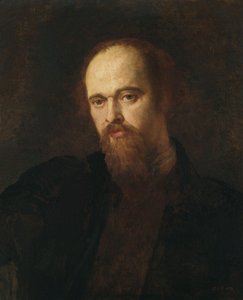
Dante Gabriele Rossetti
1828 - 1882 , Združeno kraljestvo
Hitri podatki
- Artistic Movement Or Style: Pre-rafaelitska umetnost
- Artists Who Influenced This Artist:
- John Keats
- William Blake
- Date Of Birth: 12. maj 1828
- Date Of Death: 9. april 1882
- Full Name: Dante Gabriel Rossetti
- Nationality: Britanski
- Notable Artworks:
- Proserpine
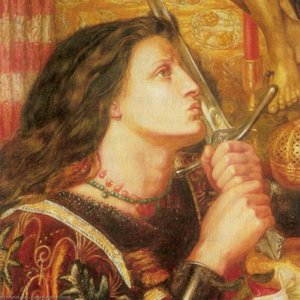
- Joan of Arc
- King Rene's Honeymoon
- Place Of Birth: London, UK
Sorodni članki
Dante Gabriel Rossetti: 25 Mojstrovin Pre-Rafaelitskega Romantika | AllPaintingsStore
Odkrijte 25 mojstrovin Dante Gabriela Rossettija, pre-rafaelitskega slikarja ljubezni in simbolizma. Pre-rafaeliti, portreti, mitologija – navdih za vaš dom na AllPaintingsStore.com! Raziskajte reprodukcije slik visoke kakovosti.
Georges Braque: 25 Mojstrovinskih Del za Navdih v Vašem Domu | AllPaintingsStore
Odkrijte 25 mojstrovinskih del Georgesa Braqueja – pionirja kubizma! Preberite zgodbe za vsako sliko, tehnike in navdih. Reprodukcije slik visoke kakovosti za vaš dom na AllPaintingsStore.com.

Georges Seurat: 25 Mojstrovin Pionirja Pointilizma za Vaš Dom | AllPaintingsStore
Odkrijte 25 mojstrovin Georgesa Seurata, pionirja pointilizma! Preučite zgodbe za ikoničnimi slikami, kot sta 'Nedeljski dan na otoku La Grande Jatte' in 'Kopalci v Asnières'. Kvalitetne reprodukcije za vaš dom – AllPaintingsStore.com.

Sir John Everett Millais: Pre-Raphaelite Rebellion & Victorian Narrative Detail
Explore the revolutionary art of Sir John Everett Millais & the Pre-Raphaelite Brotherhood. Discover their radical realism, symbolic narratives, and lasting impact on Victorian aesthetics. A deep dive into 19th-century masterpieces.

The Pre-Raphaelite Brotherhood: Rediscovering Beauty, Romance, and Medieval Magic in Victorian Art
Embark on a journey through the Pre-Raphaelite Brotherhood. Discover the romantic symbolism, medieval magic, and radical beauty of Rossetti and Burne-Jones in this expert exploration of Victorian art history.