


 Preverite v realnem okolju
 Pošlji kot čestitko
 Deli
Deli
 Podrobnosti
 Navodila

 Prenesi
 Podobni artefakti
 Rentgenski posnetek
 Predvajaj diaporama
 Statistika
Tješče


 Preberi več
Ročno izdelana oljna reprodukcija
Ročno slikano olje na platnu v vaši izbiri velikosti in okvirja, izdelano po naročilu naših umetnikov. ( Preklop na tiskanine Preklop na digitalno sliko)




P118B $10

P118H $10

P118W $10

P438Z $10

P508JH $12

P508YH $12

P805H $10

P805Z $10

P919BZ $10

P919G $10

P919XJ $10

P959ZH $10

P968JZ $12

W106C $8

W218G $10

W218JH $8

W218Y $10

W307PJ $10

W316G $10

W316PJ $8

W316Y $10

W398PJ $8

W4111J $10

W500HY $15

W500JH $15

W692G $12

W849H $8

W940BG $15

W953PJ $8




Izberite eno od naših vnaprej določenih velikosti, ki ustrezajo prvotnim proporcijam umetničkega dela.

Svoje dimenzije lahko vnesete tako, da se prilagodite določenemu okvirju ali prostoru. Če izbrana velikost ne ustreza razmerjem originalne slike, bomo umetniško delo obrezali ali sliko dopolnili z dodatnimi ročno naslikanimi elementi. Pred začetkom proizvodnje vam bo poslan digitalni osnutek v odobritev.
Upoštevajte, da predogled na zaslonu ne odraža dejanskega obrezovanja ali podaljšanja. Le osnutek bo natančno prikazal končno kompozicijo.
Čeprav so na voljo velikosti po meri, priporočamo izbiro dimenzije s preddefiniranega seznama, da ohranimo originalne razmere.
Po oddaji naročila bo ekipa AllPaintingsStore.com stranki po e-pošti poslala navodila in predogled digitalnega predogleda.
Mednarodna dostava () v 3/4 tednih namesto običajnih 5 tednov. (21 september). Brez kompromisov pri kakovosti.

Brezplačna ekspresna dostava po vsem svetu

Visokokakovostno laneno platno

Popolno zavarovanje pošiljke

Garancija povračila carine in uvoznih davkov

Garancija popolnega barvnega ujemanja

Politika vračila v 100 dneh (le v primeru okvar)

Garancija 100% povračila denarja

Popust pri večjem naročilu
 Možnost stekla je na voljo le za velikosti pod 110 cm

Tješče
Tehnika reprodukcije
Velikost reprodukcije
-


Skupna cena
$ 258
Sorodna umetniška dela


Biografija umetnika
The Vibrant Pulse of German Expressionism
Born in the industrial heart of Zwickau in 1881, Hermann Max Pechstein emerged from a working-class background to become one of the most commanding figures of the early twentieth-century avant-garde. His journey into the soul of modern art began not with grand academic pretension, but through a grounded connection to craftsmanship and the raw textures of life. As the son of a textile worker, Pechstein’s early sensibilities were shaped by the rhythmic, tactile world of industry, a foundation that would later manifest in his bold, uninhibited use of line and color. His formal education at the Royal Academy of Applied Arts and the Royal Academy of Fine Arts in Dresden provided him with a technical rigor that set him apart from many of his contemporaries; he was, uniquely, the only member of the legendary Die Brücke group to have undergone such comprehensive academic training.
The trajectory of Pechstein’s career was irrevocably altered in 1906 when a chance encounter at a Dresden exhibition introduced him to Erich Heckel and the burgeoning collective known as Die Brücke. This fellowship of artists sought to bridge the gap between the past and a new, visceral modernity, stripping away the polite veneers of academicism to reveal the emotional truth beneath. Pechstein’s work during this period began to vibrate with a newfound energy, shedding the lingering decorative influences of Art Nouveau in favor of something far more primal. His travels through Italy and France acted as a powerful catalyst, where the sun-drenched palettes of the Fauves and the structural clarity of the Renaissance masters merged within his mind, resulting in a style characterized by simplified forms and an intense, unmixed application of pigment.
A Legacy Forged in Color and Conflict
As his reputation grew, Pechstein’s canvases became windows into the shifting spirit of post-WWI Germany. His art was never merely decorative; it was a profound exploration of human existence, captured through scenes of lively dancers, tranquil landscapes, and intimate portraits. In works such as Girl at a Table, one can witness his mastery of expressive lines and a sophisticated use of color that breathes life into the subject, often utilizing models like Lotte Kaprolat to ground his visionary abstractions in human warmth. His ability to capture the vitality of everyday life—from the rhythmic movement in his Dancers series to the vibrant, sun-soaked atmospheres of his island scenes—cemented his status as a master of the Expressionist idiom.
However, the brilliance of Pechstein’s vision was met with profound darkness during the rise of the Nazi regime. His commitment to emotional honesty and formal experimentation led the state to label his work as Degenerate Art. This period of persecution saw more than 300 of his paintings stripped from German museums, a devastating blow to both the artist and the cultural fabric of his nation. Despite this systematic attempt to erase his contribution, Pechstein’s spirit remained unbroken. He continued to paint through the turbulence of war and political upheaval, leaving behind a legacy that serves as a testament to the resilience of the creative impulse. Today, we recognize Max Pechstein not just as a painter, but as a pioneer who dared to use color as a language of liberation, ensuring that the vibrant pulse of German Expressionism continues to resonate through the halls of art history.

Hermann Max Pechstein
1881 - 1955 , Germany
Ključne informacije
- Artistic Movement Or Style: Cubism, Surrealism
- Artists Or Movements Influenced By This Artist: ['Georges Braque']
- Artists Who Influenced This Artist:
- Paul Cézanne
- African art
- Date Of Birth: October 25, 1881
- Date Of Death: April 8, 1973
- Full Name: Pablo Diego José Francisco de Paula Juan Nepomuceno María de los Remedios Cipriano de la Santísima Trinidad Ruiz y Picasso
- Nationality: Spanish
- Notable Artworks:
- Guernica
- Les Demoiselles d’Avignon
- The Weeping Woman
- Girl Before a Mirror
- Place Of Birth: Málaga, Spain
Sorodni članki

German Expressionism's 10 Defining Masterpieces | Art for Your Home
Explore 10 defining German Expressionism masterpieces – from Munch's 'The Scream' to Kandinsky’s abstracts. Discover the artists, stories & bold colors behind this powerful art movement. Find museum-quality reproductions at AllPaintingsStore.com.

The Visceral Cry of a Nation: Exploring Emotion & Distortion in German Expressionism
Explore the powerful world of German Expressionism with AllPaintingsStore. Discover Kirchner, Nolde & Die Brücke's emotive masterpieces. Learn about this pivotal art movement and its lasting impact on modern art.
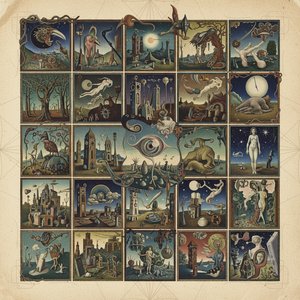
Max Ernst: 25 Mojstrovin Surrealizma za Vaš Dom | AllPaintingsStore
Odkrijte 25 mojstrovin Maxa Ernsta – ikone surrealizma, dadaizma in abstraktne umetnosti. Preberite zgodbe za slikami, tehnike ter navdih za dekoracijo doma z reprodukcijami visoke kakovosti na AllPaintingsStore.com.

Unmasking Emotion: A Definitive Guide to the Raw Power and Visceral Beauty of German Expressionism
Explore the visceral power of German Expressionism. From Ernst Ludwig Kirchner to Die Brücke, discover how bold colors and distorted forms unmask raw human emotion in this expert art history guide for collectors and enthusiasts.

Unmasking Emotion: A Journey Through the Raw Power and Visceral Beauty of German Expressionism
Explore the raw emotional power of German Expressionism. From Kirchner to Die Brücke, discover how artists used distortion and vibrant color to unmask the human psyche. A deep dive into art history for the discerning collector and enthusiast.


