


 Pregledaj u prostoru
 Podeli
 Podeli
 Detalji
 Vodič
Vodič

 Preuzmi sliku
 Slični predmeti
 Rendgenski snimak
 Automatska prezentacija
 Statistika
Scena iz "Grobnog Andreja"
 Akril na platnu
- Umetnost za zidove
- Baroque Drama
 1707
1707 100.0 x 139.0 cm
 Louvre
 Pročitaj više
Ručno rađena uljana reprodukcija
Ručno oslikano uljanim bojama na platnu u dimenzijama i okviru po vašem izboru, izrađeno po porudžbini od strane naših umetnika. ( Pređi na prodaju štampanih primeraka Pređi na prodaju digitalnih slika)




P118B $10

P118H $10

P118W $10

P438Z $10

P508JH $12

P508YH $12

P805H $10

P805Z $10

P919BZ $10

P919G $10

P919XJ $10

P959ZH $10

P968JZ $12

W106C $8

W218G $10

W218JH $8

W218Y $10

W307PJ $10

W316G $10

W316PJ $8

W316Y $10

W398PJ $8

W4111J $10

W500HY $15

W500JH $15

W692G $12

W849H $8

W940BG $15

W953PJ $8




Izaberite jednu od naših unapred definisanih veličina koje odgovaraju originalnim proporcijama umetničkog dela.

Možete uneti sopstvene dimenzije kako biste prilagodili umetničko delo određenom okviru ili prostoru. Ako odabrana veličina ne odgovara proporcijama originala, slika će biti isečena ili proširena dodatnim elementima koji se ručno oslikavaju. Digitalni prikaz će vam biti poslat na odobrenje pre početka proizvodnje.
Imajte na umu da pregled na ekranu ne odražava stvarno prisecanje ili proširenje. Samo mockup će precizno prikazati konačnu kompoziciju.
Iako su dostupne prilagođene veličine, preporučujemo da izaberete dimenziju iz unapred definisane liste kako biste sačuvali originalne proporcije.
Nakon narudžbine, tim AllPaintingsStore.com će klijentu putem e-pošte poslati uputstva i dostaviti prikaz predloženog rešenja
Svetska isporuka () za 3/4 nedelje umesto uobičajenih 5 nedelja. (25 септембар). Bez kompromisa po pitanju kvaliteta.

Besplatna ekspresna dostava širom sveta

Visokokvalitetno laneno platno

Sveobuhvatno osiguranje transporta

Garancija povraćaja carine i uvoznih dažbina

Garancija vernosti boja i autentičnosti pri reprodukciji

Politika povraćaja u roku od 100 dana (samo u slučaju nedostataka)

Garancija povrata 100% novca

Popust pri većoj količini
 Opcija sa staklom dostupna je samo za dimenzije manje od 110 cm

Scena iz "Grobnog Andreja"
Tehnika izrade reprodukcije
Veličina reprodukcije
-


Ukupna cena
$ 258
Claude Gillot: A Maestro of Baroque Drama and Pastoral Elegance
Claude Gillot (1673 – 1722) stands as a cornerstone in the artistic panorama of late Baroque France, primarily celebrated for his unparalleled command over Watteau and Lancret—artists who irrevocably molded the aesthetic sensibilities of their era. Born in Langres, Burgundy, Gillot’s life unfolded with remarkable breadth, encompassing painting, engraving, theatrical design, and metalworking – a multifaceted skillset uncommon amongst artists of his time. He commenced his artistic journey as an apprentice under Jean Watteau around 1703, imbibing the essence of Watteau's delicate pastel landscapes and aristocratic scenes—a style that swiftly cemented itself as “fête champêtre,” or pastoral fête. This preoccupation with idyllic vistas and refined social gatherings would permeate Gillot’s oeuvre throughout his career.- Style: Gillot’s artistic vision firmly resides within the Baroque tradition, yet he deftly navigated its conventions toward a softer, more nuanced expression. Unlike the grandiose theatricality often associated with the period, Gillot favored scenes imbued with understated elegance and psychological depth—a characteristic that distinguishes him from many of his contemporaries.
- Technique: Primarily utilizing red chalk, watercolor, and pen and black ink over graphite, Gillot achieved remarkable tonal gradation and textural subtlety. His meticulous application of pigment combined with precise linework created images brimming with atmospheric luminescence and conveying a palpable sense of emotion. Corrections in white gouache further refined the composition, ensuring visual harmony and enhancing the overall impact of the artwork.
The Significance of “Scene from The Tomb of Master André”
“Scene from The Tomb of Master André,” created circa 1705/1708, exemplifies Gillot’s signature approach to portraying human interaction within carefully constructed environments. This particular piece delves into a moment of profound contemplation and communication between two figures—a man kneeling before another who gestures emphatically toward him—capturing the tension inherent in interpersonal dynamics. The inclusion of supporting characters adds layers of complexity to the narrative, fostering an immersive experience for the viewer.- Composition: Gillot’s compositional choices are deliberate and masterful. The positioning of individuals within the frame directs the eye's gaze, emphasizing key elements and contributing to the scene’s dramatic impact. The presence of a chair and a dagger—objects subtly integrated into the background—serve as visual cues that enrich the artwork’s symbolic resonance.
- Historical Context: Produced during a period marked by intellectual ferment and artistic experimentation, “Scene from The Tomb of Master André” reflects the broader cultural currents of its time. Gillot's work aligns with the prevailing fascination for portraying human emotion and psychological states—a hallmark of Baroque art’s ambition to engage viewers on an emotional level.
Symbolism and Emotional Resonance
The artwork transcends mere visual representation, conveying a deeper exploration of human experience. The kneeling posture suggests humility and reverence, while the gesturing man embodies authority and guidance. These gestures communicate unspoken intentions and contribute to the scene’s dramatic tension—elements that resonate powerfully with audiences centuries later. Gillot's ability to capture fleeting expressions of emotion solidified his reputation as one of the foremost artists of his generation. The Garden Tomb: This ancient rock-cut tomb, located just outside Jerusalem’s walls, holds significant religious importance for Evangelicals and Protestants who believe it represents the empty tomb where Jesus Christ resurrected. The meticulous depiction of this sacred space underscores Gillot's sensitivity to spiritual themes—a testament to his artistic prowess and enduring legacy. Provenance: This artwork is currently housed at the National Gallery of Art (Washington D.C.). Its accession number is 2004.77.1.Srodna umetnička dela


Biografija umetnika
The Architect of Baroque Splendor
Claude Gillot (1673–1722) remains a luminous figure in the tapestry of late Baroque France, an artist whose versatile hand touched nearly every facet of the visual culture of his era. Born in the historic town of Langres, north of Dijon, Gillot’s early creative impulses were nurtured by his father before he ventured to Paris to refine his craft. His artistic journey was far from linear; he was a true polymath of the arts, moving with ease between the delicate precision of printmaking, the structural demands of metalworking, and the grand-scale imagination required for theatrical design. This multidisciplinary foundation allowed him to approach the canvas not merely as a surface for pigment, and but as a stage where light, movement, and drama could converge.
The trajectory of Gillot’s career was profoundly shaped by his apprenticeship under the legendary Jean Watteau around 1703. From Watteau, he absorbed the ethereal qualities of the emerging fête champêtre style—a genre characterized by pastoral elegance and aristocratic leisure. Yet, while he inherited this delicate sensibility, Gillot infused it with a unique vigor derived from his work in the Parisian theater. His extensive collaborations with playwrights and composers to design elaborate sets and costumes for operas and comedies instilled in him a mastery of visual storytelling. He understood how to direct the viewer's eye through composition, using the theatricality of costume and scenery to breathe life into mythological and contemporary narratives alike.
A Mastery of Myth and Motion
Gillot’s ascent within the prestigious Académie Royale de peinture et de sculpture in 1715 marked a definitive moment in his professional life, signaling his recognition as a master of monumental composition. His breakthrough was anchored by works that celebrated the grandeur of classical antiquity through a contemporary lens. In masterpieces such as “Feast of Pan” and “Feast of Bacchus,” Gillot demonstrated an extraordinary ability to blend the divine with the terrestrial. These canvases were not merely depictions of myth; they were sensory experiences, where the lushness of the landscape met the exuberant energy of mythological revelry.
His technique was characterized by a sophisticated use of color and form that could shift from the soft, dreamlike textures reminiscent of his mentor to a more robust, dramatic Baroque intensity. This versatility allowed him to capture the very essence of the commedia dell’arte, bringing the wit and character of masked performers to life with a sense of spontaneous motion. Through his engravings and paintings, he documented the social graces and theatrical whimsies of the French court, creating a visual record that was as much about the spirit of the age as it was about the subjects themselves.
Legacy of the Rococo Prelude
As the art world began to transition from the heavy grandeur of the Baroque toward the lighter, more intimate aesthetics of the Rococo, Gillot’s influence remained foundational. He served as a vital bridge between generations, influencing later masters such as Lancret by refining the vocabulary of pastoral scenes and theatrical character studies. His ability to marry the structural discipline of classical painting with the whimsical charm of the stage helped define the aesthetic sensibilities of the early 18th century.
Today, the significance of Claude Gillot lies in his role as a creator of atmosphere. Whether through the intricate lines of a print or the sweeping vistas of a mythological feast, his work continues to evoke the vibrant, theatrical pulse of pre-revolutionary France. He remains an artist whose legacy is found not just in individual masterpieces, but in the very way we perceive the intersection of art, theater, and the beautiful artifice of life.

Claude Gillot
1673 - 1722 , France
Brzi pregled
- Artistic Movement Or Style: Baroque
- Artists Who Influenced This Artist:
- Jean Watteau
- Nicolas Lancret
- Date Of Birth: 1673
- Date Of Death: 1722
- Full Name: Claude Gillot
- Nationality: French
- Notable Artworks:
- The Two Coaches
- Garment time of night
- Italian Comedians
- Place Of Birth: Langres, France
Srodni članci

Simon Vouet: A Baroque Master's Journey from Italian Influence to French Classicism
Explore the life & art of Simon Vouet, a pivotal French Baroque painter who introduced Italian styles to France. Discover his masterpieces and lasting influence on 17th-century art.

Барокна драма: Уношење величине и емоција у савремене ентеријере
Откријте барокну драму и унесите величину у ваш ентеријер! AllPaintingsStore нуди ручно насликане репродукције, персонализоване портрете и стручне консултације за љубитеље класичне уметности. Потражите савршено дело већ данас!
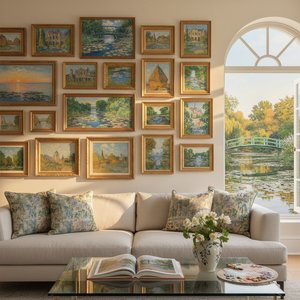
Claude Monet: 25 Remek-dela Impresionizma za Vaš Dom | AllPaintingsStore
Uronite u svet Claudea Moneta sa 25 remek-dela impresionizma! Otkrijte priče iza poznatih slika, tehnike i inspiraciju. Reprodukcije vrhunskog kvaliteta za luksuzni dekor doma na AllPaintingsStore.com.

Charles Le Brun: Master of French Baroque Classicism & His Enduring Legacy
Explore the life & art of Charles Le Brun, master of French Baroque Classicism. Discover his royal commissions, influence on Versailles, and enduring legacy through detailed analysis & stunning artworks.

Charles-André van Loo: A Study in Rococo Portraiture & the French Court's Artistic Dynamics
Explore the elegant world of Charles-André van Loo, a master of Rococo portraiture at the French court. Discover his life, techniques, and enduring influence on 18th-century art. Hand-painted reproductions available.


