


 Pregledaj u prostoru
 Podeli
 Podeli
 Detalji
 Vodič
Vodič

 Preuzmi sliku
 Slični predmeti
 Rendgenski snimak
 Automatska prezentacija
 Statistika
Тафель 7 - Эпибулия. Сифонфороэ.


 Pročitaj više
Ručno rađena uljana reprodukcija
Ručno oslikano uljanim bojama na platnu u dimenzijama i okviru po vašem izboru, izrađeno po porudžbini od strane naših umetnika. ( Pređi na prodaju štampanih primeraka Pređi na prodaju digitalnih slika)




P118B $10

P118H $10

P118W $10

P438Z $10

P508JH $12

P508YH $12

P805H $10

P805Z $10

P919BZ $10

P919G $10

P919XJ $10

P959ZH $10

P968JZ $12

W106C $8

W218G $10

W218JH $8

W218Y $10

W307PJ $10

W316G $10

W316PJ $8

W316Y $10

W398PJ $8

W4111J $10

W500HY $15

W500JH $15

W692G $12

W849H $8

W940BG $15

W953PJ $8




Izaberite jednu od naših unapred definisanih veličina koje odgovaraju originalnim proporcijama umetničkog dela.

Možete uneti sopstvene dimenzije kako biste prilagodili umetničko delo određenom okviru ili prostoru. Ako odabrana veličina ne odgovara proporcijama originala, slika će biti isečena ili proširena dodatnim elementima koji se ručno oslikavaju. Digitalni prikaz će vam biti poslat na odobrenje pre početka proizvodnje.
Imajte na umu da pregled na ekranu ne odražava stvarno prisecanje ili proširenje. Samo mockup će precizno prikazati konačnu kompoziciju.
Iako su dostupne prilagođene veličine, preporučujemo da izaberete dimenziju iz unapred definisane liste kako biste sačuvali originalne proporcije.
Nakon narudžbine, tim AllPaintingsStore.com će klijentu putem e-pošte poslati uputstva i dostaviti prikaz predloženog rešenja
Svetska isporuka () za 3/4 nedelje umesto uobičajenih 5 nedelja. (21 септембар). Bez kompromisa po pitanju kvaliteta.

Besplatna ekspresna dostava širom sveta

Visokokvalitetno laneno platno

Sveobuhvatno osiguranje transporta

Garancija povraćaja carine i uvoznih dažbina

Garancija vernosti boja i autentičnosti pri reprodukciji

Politika povraćaja u roku od 100 dana (samo u slučaju nedostataka)

Garancija povrata 100% novca

Popust pri većoj količini
 Opcija sa staklom dostupna je samo za dimenzije manje od 110 cm

Тафель 7 - Эпибулия. Сифонфороэ.
Tehnika izrade reprodukcije
Veličina reprodukcije
-


Ukupna cena
$ 258
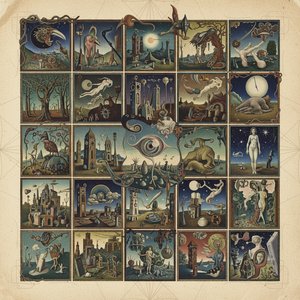
Tafel 7 - Epibulia. Siphonophorae.: A Window Into Haeckel's Vision of Marine Biodiversity
Ernst Heinrich Philipp August Haeckel’s “Tafel 7 – Epibulia. Siphonophorae.” isn’t merely a depiction of marine organisms; it’s a testament to Haeckel’s groundbreaking approach to scientific illustration and his profound influence on the Art Nouveau movement. Created in 1904, this watercolor painting exemplifies Haeckel's dedication to capturing the intricate beauty and interconnectedness of life beneath the waves – a pursuit that cemented his place as one of the most visionary biologists of his time.- Subject Matter: The artwork showcases an astonishing array of marine invertebrates, primarily siphonophores—colonial organisms resembling jellyfish but possessing complex branching structures. Haeckel meticulously documented these creatures with unparalleled detail, presenting them not just as specimens for scientific study but as embodiments of evolutionary principles.
- Style & Technique: Haeckel’s distinctive style aligns perfectly with the Art Nouveau aesthetic. Characterized by flowing lines, organic forms, and vibrant colors—particularly blues and greens—the painting abandons traditional academic conventions in favor of a dynamic visual language that prioritizes expressive beauty alongside scientific accuracy. The watercolor medium lends itself beautifully to capturing subtle tonal variations and conveying the ethereal quality of underwater environments.
- Historical Context: Haeckel’s work emerged during a period of intense intellectual ferment, fueled by Darwinian evolution and burgeoning interest in natural history. He sought to communicate complex biological concepts—phylogeny, ecology, and the recapitulation theory—to a wider audience through captivating imagery. “Tafel 7” served as a powerful illustration of his belief that art could illuminate scientific understanding.
- Symbolism & Interpretation: Beyond its aesthetic merits, the painting carries symbolic weight. Haeckel’s depiction of siphonophores underscores the concept of collective behavior and interdependence within ecosystems—a core tenet of his ecological philosophy. The meticulous detail reflects Haeckel's conviction that observation and careful analysis are crucial for unlocking the secrets of nature.
- Emotional Impact: Viewing “Tafel 7” evokes a sense of wonder and fascination, transporting the viewer to the depths of the ocean. Haeckel’s masterful rendering captures not only the visual splendor of marine life but also its underlying complexity and interconnectedness—inspiring contemplation about the grandeur of the natural world and the importance of preserving biodiversity.
A Legacy Beyond Biology: Haeckel's Influence on Art Nouveau
Ernst Haeckel’s artistic vision profoundly impacted the Art Nouveau movement, which sought to reject industrial ugliness in favor of organic forms and flowing lines inspired by nature. Artists like Alphonse Mucha and Gustav Klimt drew inspiration from Haeckel’s illustrations, incorporating botanical motifs and stylized depictions of marine creatures into their artworks. This collaboration between science and art exemplifies Haeckel's belief that creativity could enhance understanding—a conviction that continues to resonate with artists and designers today.Reproducing Haeckel's Masterpiece: AllPaintingsStore.com Offers Exceptional Quality
AllPaintingsStore.com presents a stunning reproduction of “Tafel 7 – Epibulia. Siphonophorae.” Crafted using archival-grade pigments on premium canvas, this print captures the essence of Haeckel’s original watercolor painting with remarkable fidelity. Its vibrant colors and intricate details faithfully recreate the beauty of marine life as envisioned by one of science's most imaginative minds. Order yours today and bring a piece of Art Nouveau history into your home!Srodna umetnička dela


Biografija umetnika
Ernst Haeckel: A Pioneer of Biology and Artistic Vision
Ernst Heinrich Philipp August Haeckel (1834-1919) stands as a monumental figure in the annals of science and art, a man whose relentless curiosity and profound insights reshaped our understanding of life itself. Born into a family steeped in legal tradition in Potsdam, Prussia – a lineage that included prominent lawyers – Haeckel’s early fascination with the natural world quickly eclipsed any inherited legal aspirations. He possessed an innate drive to observe, classify, and ultimately, comprehend the intricate tapestry of existence, a passion nurtured by his mother's love for botany and a childhood spent collecting specimens. This formative period laid the groundwork for a career that would span decades, yielding groundbreaking discoveries in zoology, marine biology, philosophy, and, crucially, a uniquely compelling visual language. Haeckel’s legacy isn’t solely rooted in scientific advancement; it’s inextricably linked to his extraordinary artistic talent, particularly evident in his meticulously rendered illustrations – works that profoundly influenced the burgeoning Art Nouveau movement.Early Life and Scientific Foundations
Haeckel's formal education began at the Domgymnasium, a prestigious cathedral school in Merseburg, where he demonstrated an exceptional aptitude for learning and a remarkable independence of thought. He then pursued studies in medicine at Berlin and Würzburg, immersing himself in the rigorous disciplines of anatomy and physiology under esteemed mentors like Albert von Kölliker, Franz Leydig, Rudolf Virchow, and Johannes Peter Müller. These formative years instilled within him a deep respect for scientific methodology and a fascination with the underlying principles governing the natural world. Crucially, his encounter with Charles Darwin’s *On the Origin of Species* in 1860 served as a catalyst, igniting a fervent commitment to evolutionary theory and shaping his subsequent research trajectory. Haeckel quickly recognized the transformative potential of Darwin's ideas and dedicated himself to popularizing and expanding upon them within Germany – a role that would both elevate him to prominence and ultimately lead to controversy.Revolutionary Discoveries and the Recapitulation Theory
Haeckel’s scientific career blossomed during his tenure as professor of zoology at the University of Jena, beginning in 1861. He embarked on extensive expeditions – traversing the Canary Islands, Mediterranean Sea, Norway, Croatia, Egypt, Turkey, and Greece – meticulously documenting thousands of previously unknown species, primarily within the realms of radiolaria and medusae. His systematic approach to classification resulted in the naming of nearly seven hundred new marine invertebrates, solidifying his reputation as a leading authority in his field. Perhaps Haeckel’s most enduring contribution lies in his development of the “recapitulation theory,” often referred to as “ontogeny recapitulates phylogeny.” This provocative concept posited that an organism's embryonic development mirrors its evolutionary history – essentially suggesting that a creature briefly embodies all stages of its lineage. While now largely discredited due to subsequent discoveries in genetics, this theory, powerfully illustrated through his stunning artistic renderings, captivated the public imagination and profoundly influenced scientific thought at the time. His detailed illustrations, particularly those found in *Kunstformen der Natur* (Art Forms of Nature), weren’t merely depictions of marine life; they were visual arguments for his evolutionary theories, showcasing a remarkable synthesis of science and art.Artistic Influence and ‘Kunstformen der Natur’
Beyond his scientific achievements, Haeckel was a gifted artist whose illustrations transcended the boundaries of mere documentation. *Kunstformen der Natur* (1897), a monumental work comprising over 100 meticulously rendered plates, stands as a testament to his artistic vision and scientific rigor. These images – depicting everything from jellyfish and sea urchins to insects and plants – are not simply beautiful; they’re imbued with a sense of dynamism and evolutionary narrative. Haeckel's ability to capture the essence of each organism through precise detail and evocative composition profoundly influenced the Art Nouveau movement, which embraced organic forms, flowing lines, and a celebration of nature’s beauty. His work demonstrated that scientific observation could be elevated to an art form, creating a powerful bridge between the natural world and artistic expression. The influence can still be seen in contemporary design and illustration today.Controversies and Lasting Legacy
Despite his significant contributions to science and art, Haeckel’s career was not without controversy. His fervent advocacy for Darwinism often clashed with religious dogma, and he became embroiled in heated debates regarding the origins of humanity. Furthermore, Haeckel embraced ideas rooted in scientific racism – a disturbing aspect of his legacy that demands careful consideration. He promoted the concept of “racial hygiene,” advocating for selective breeding to improve the perceived genetic quality of populations. These views are unequivocally reprehensible and should not be excused or minimized. However, it’s crucial to acknowledge that Haeckel's work was produced within a specific historical context – a time when scientific ideas were rapidly evolving, often influenced by prevailing social biases. Despite these troubling aspects, Ernst Haeckel remains a pivotal figure in the history of science, an artist whose illustrations continue to inspire awe and wonder, and a complex individual whose life and work warrant continued scrutiny and critical engagement. His legacy is one of both remarkable achievement and profound ethical challenges, reminding us that scientific progress must always be tempered by moral responsibility.
ernst heinrich philipp august haeckel
1834 - 1919 , Germany
Brzi pregled
- Artistic Movement Or Style: Art Nouveau influence
- Artists Or Movements Influenced By This Artist: ['Art Nouveau']
- Artists Who Influenced This Artist: ['Charles Darwin']
- Date Of Birth: February 16, 1834
- Date Of Death: August 9, 1919
- Full Name: Ernst Heinrich Philipp August Haeckel
- Nationality: German
- Notable Artworks:
- Kunstformen der Natur
- Tafel 7 - Epibulia. Siphonophorae
- Place Of Birth: Potsdam, Germany
Srodni članci

Echoes of Time: Exploring the Enduring Appeal & Historical Context of Vintage Art Prints
Explore the captivating world of vintage art prints! Discover their history, collecting tips & enduring appeal. Expert insights on chromolithography and building a legacy collection with AllPaintingsStore.

Kay Rasmus Nielsen: A Golden Age Illustrator's Enchanting Legacy of Symbolism & Narrative
Explore the captivating world of Kay Rasmus Nielsen, a celebrated Golden Age illustrator renowned for his Art Nouveau fairy tale art & Disney contributions. Discover his unique style, enduring legacy, and how to collect his enchanting works.
25 Remek-dela Maksa Ernsta: Surrealistička Vizija za Vaš Dom | AllPaintingsStore
Istražite 25 remek-dela Maksa Ernsta, ikona surrealizma. Otkrijte priče iza apstraktnih slika, inovativnih tehnika i psiholoških vizija ovog nemačkog umetnika. Kupite reprodukcije vrhunskog kvaliteta za dekoraciju enterijera na AllPaintingsStore.com!

The Enduring Legacy of Fine Art Prints: Technique, History & Aesthetic Impact
Explore the rich history & techniques of fine art prints. Discover investment potential, assess authenticity, and learn how to preserve your collection with expert guidance. Trusted insights for discerning collectors.

Giclée Prints: Archival Quality & Aesthetic Nuances for the Discerning Collector
Explore the world of giclée prints with AllPaintingsStore. Learn about archival quality, aesthetic nuances & investment potential. Expert guidance for discerning art collectors seeking museum-quality reproductions and lasting value.


