Pregledaj u prostoru
 Podeli
 Podeli
 Detalji
 Vodič
Vodič

 Preuzmi sliku
 Slični predmeti
 Rendgenski snimak
 Automatska prezentacija
 Statistika
Мушкалица и човек који свира флауту
 Akril na platnu
- Umetnost za zidove
- Baroque Period
 1675
1675 38.0 x 31.0 cm
 National Trust
 Pročitaj više
Ručno rađena uljana reprodukcija
Ručno oslikano uljanim bojama na platnu u dimenzijama i okviru po vašem izboru, izrađeno po porudžbini od strane naših umetnika. ( Pređi na prodaju štampanih primeraka Pređi na prodaju digitalnih slika)




P118B $10

P118H $10

P118W $10

P438Z $10

P508JH $12

P508YH $12

P805H $10

P805Z $10

P919BZ $10

P919G $10

P919XJ $10

P959ZH $10

P968JZ $12

W106C $8

W218G $10

W218JH $8

W218Y $10

W307PJ $10

W316G $10

W316PJ $8

W316Y $10

W398PJ $8

W4111J $10

W500HY $15

W500JH $15

W692G $12

W849H $8

W940BG $15

W953PJ $8




Izaberite jednu od naših unapred definisanih veličina koje odgovaraju originalnim proporcijama umetničkog dela.

Možete uneti sopstvene dimenzije kako biste prilagodili umetničko delo određenom okviru ili prostoru. Ako odabrana veličina ne odgovara proporcijama originala, slika će biti isečena ili proširena dodatnim elementima koji se ručno oslikavaju. Digitalni prikaz će vam biti poslat na odobrenje pre početka proizvodnje.
Imajte na umu da pregled na ekranu ne odražava stvarno prisecanje ili proširenje. Samo mockup će precizno prikazati konačnu kompoziciju.
Iako su dostupne prilagođene veličine, preporučujemo da izaberete dimenziju iz unapred definisane liste kako biste sačuvali originalne proporcije.
Nakon narudžbine, tim AllPaintingsStore.com će klijentu putem e-pošte poslati uputstva i dostaviti prikaz predloženog rešenja
Svetska isporuka () za 3/4 nedelje umesto uobičajenih 5 nedelja. (23 септембар). Bez kompromisa po pitanju kvaliteta.

Besplatna ekspresna dostava širom sveta

Visokokvalitetno laneno platno

Sveobuhvatno osiguranje transporta

Garancija povraćaja carine i uvoznih dažbina

Garancija vernosti boja i autentičnosti pri reprodukciji

Politika povraćaja u roku od 100 dana (samo u slučaju nedostataka)

Garancija povrata 100% novca

Popust pri većoj količini
 Opcija sa staklom dostupna je samo za dimenzije manje od 110 cm

Мушкалица и човек који свира флауту
Tehnika izrade reprodukcije
Veličina reprodukcije
-


Ukupna cena
$ 258
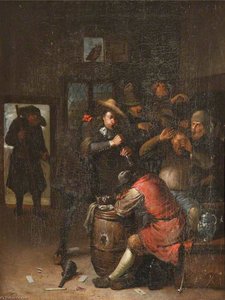
Men Carousing and a Man Playing a Flute – Egbert van Heemskerck II
“Men Carousing and a Man Playing a Flute,” painted by Egbert van Heemskerck II in 1675, is more than just a depiction of merriment; it’s a masterful snapshot of Baroque society—a testament to the artistic fervor that characterized the Dutch Golden Age. Currently residing at the National Trust in Sevenoaks, United Kingdom, this canvas measuring 38 x 31 cm encapsulates a scene brimming with conviviality and subtly layered symbolism.
The painting’s style firmly establishes itself within the Baroque tradition—characterized by dramatic lighting, opulent colors, and an emphasis on movement. Van Heemskerck II skillfully employs chiaroscuro, manipulating light and shadow to sculpt figures and heighten emotional intensity. The warm hues of red, gold, and amber dominate the palette, reflecting the celebratory atmosphere of the depicted gathering.
Technically speaking, the artwork is executed in oil on canvas—a medium favored by Baroque artists for its ability to achieve rich textures and luminous effects. Van Heemskerck II’s meticulous brushwork reveals an impressive level of detail, capturing not only the physicality of the men involved but also their expressions and gestures. Observe how he portrays a central figure adorned in scarlet – a bold choice that draws immediate attention and symbolizes status and prestige.
Historically, “Men Carousing and a Man Playing a Flute” reflects the cultural landscape of 17th-century Holland—a nation experiencing unprecedented economic prosperity and artistic innovation. The scene portrays men indulging in wine consumption and musical performance – activities that were considered emblems of social status and leisure during this period. Furthermore, the inclusion of a bird perched on the windowsill serves as a poignant reminder of nature’s presence amidst human activity, symbolizing hope and renewal.
Beyond its aesthetic qualities, the painting resonates with profound emotional impact. It invites contemplation on themes of friendship, indulgence, and the fleeting pleasures of life. The artist's ability to convey both joy and melancholy contributes to the artwork's enduring appeal—a captivating glimpse into a bygone era that continues to inspire admiration for its artistic brilliance.
Srodna umetnička dela


Biografija umetnika
Jacques Callot: The Chronicler of a Turbulent Age
Jacques Callot, born around 1592 in Nancy, Duchy of Lorraine, and passing away in 1635, remains a pivotal figure in the history of printmaking. More than simply an engraver, he was a chronicler—a visual recorder of his time, capturing the anxieties, entertainments, and hardships of 17th-century Europe with remarkable detail and unsettling honesty. His work, largely focused on scenes of soldiers, clowns, drunken revelers, Romani people, beggars, and even depictions of court life, offers a unique window into a world grappling with war, poverty, and social upheaval. Callot’s legacy isn't defined by grand masterpieces but rather by the sheer volume and poignant realism of his prints—over 1,400 images that collectively form a sprawling tapestry of everyday existence.Early Life and Training: From Goldsmith to Master Engraver
Callot’s early life was steeped in craftsmanship. His father, a master goldsmith, initially intended for him to follow the family trade. However, a youthful fascination with drawing led him to apprentice under a goldsmith first, then a glass engraver named Abraham Toorenvliet. This formative period instilled in him a meticulous attention to detail and an understanding of line quality—skills that would prove crucial to his later success. Crucially, Callot traveled to Rome around 1612, immersing himself in the artistic traditions of the Renaissance. He studied under Philippe Thomassin, a French expatriate engraver who had established a studio there, absorbing techniques and developing his own distinctive style. It was during this time that he honed his skills in etching, a process that allowed for greater subtlety and nuance than engraving alone. His training wasn’t solely focused on technique; Callot's exposure to Roman antiquities and classical literature profoundly shaped his artistic sensibilities, influencing his later depictions of mythological scenes and allegorical narratives.Technical Innovations: Shaping the Old Master Print
Callot was not merely a skilled reproducer of existing images; he was an innovator who significantly advanced the art of printmaking. He is credited with several key technical breakthroughs that fundamentally altered the possibilities of the medium. Perhaps most notably, he developed the *échoppe*, a specialized engraving needle featuring a slanting oval section at its tip. This ingenious tool allowed engravers to create swelling lines—a technique previously unattainable—mimicking the effect of brushstrokes and adding depth and dynamism to his prints. Furthermore, Callot refined the etching ground recipe, utilizing lute-makers’ varnish instead of traditional wax-based formulations. This alteration dramatically increased the durability of the ground, extending the lifespan of the plate and reducing the risk of “foul-biting,” a common problem that could ruin an entire print. These innovations were not simply technical refinements; they represented a shift in the way artists approached printmaking, paving the way for future generations of engravers and establishing Callot as a pioneer of the *old master print*.The “Suite” and Social Commentary: A Chronicle of His Time
Callot’s most enduring contribution lies in his development of the “suite”—a series of prints united by a common theme or narrative. He pioneered this format, meticulously planning each image to work together as a cohesive whole. This approach allowed him to explore complex social and political issues with unprecedented depth and nuance. His most famous suites, *Les Moeurs Natures de Tous les Ages* (The Customs of All Ages), are a searing indictment of the excesses and injustices of his time. These prints depict a wide range of human experiences—from the brutality of war to the poverty and exploitation of the marginalized—with unflinching realism. He also created suites focused on the lives of soldiers, clowns, and Romani people, offering glimpses into their worlds and challenging prevailing stereotypes. His work wasn’t simply observational; it often carried a subtle moral message, prompting viewers to confront uncomfortable truths about themselves and society.Influence and Legacy: A Foundation for Future Artists
Jacques Callot's influence on subsequent generations of printmakers is undeniable. Rembrandt van Rijn, one of the greatest painters of all time, was a devoted collector of Callot’s prints, recognizing their technical brilliance and emotional power. Nicolas Poussin, another influential artist known for his classical compositions, also drew inspiration from Callot's work, particularly his depictions of landscapes and human figures. Callot’s innovations in etching—the *échoppe* and improved ground recipe—were adopted by other engravers, shaping the development of printmaking techniques for decades to come. While he may not be remembered for grand paintings or monumental sculptures, Jacques Callot's legacy rests on his extraordinary prints—a testament to his skill, vision, and profound understanding of the human condition. His work continues to resonate today, offering a powerful reminder of the complexities and contradictions of 17th-century Europe and serving as a poignant commentary on the enduring challenges of social justice and human dignity.
egbert van heemskerck ii
1635 - 1704
Brzi pregled
- Artistic Movement Or Style: Baroque printmaker
- Artists Or Movements Influenced By This Artist: ['Rembrandt']
- Artists Who Influenced This Artist: ['Philippe Thomassin']
- Date Of Death: 1635
- Full Name: Jacques Callot
- Nationality: French
- Notable Artworks:
- The Triumph of Pan
- The Triumph of Bacchus
- Place Of Birth: Nancy, France
Srodni članci

Golden Light & Dutch Skies: The Timeless Magic of Dutch Golden Age Landscapes
Discover the breathtaking beauty of Dutch Golden Age landscapes. Explore the mastery of light, chiaroscuro, and 17th-century realism through an expert art history lens, celebrating the enduring legacy of the Dutch Masters for discerning collectors and art lovers.
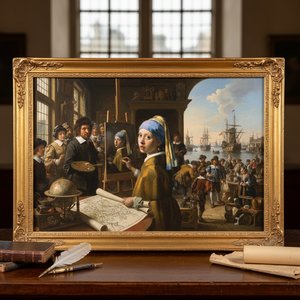
Golden Age Reflections: Dutch Baroque Painting & Cultural Innovation
Explore the Dutch Golden Age of painting! Discover key artists like Vermeer & ter Borch, their innovative techniques, and the rich cultural context behind these Baroque masterpieces. Learn about collecting & appreciating this iconic art period.
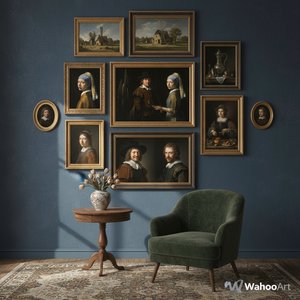
Dutch Baroque Masters: 10 Paintings That Shaped an Era | AllPaintingsStore
Journey through the Golden Age with our guide to the Top 10 Dutch Baroque masterpieces! Explore iconic paintings by Rembrandt, Vermeer & Frans Hals. Find museum-quality art reproductions and elevate your home decor at AllPaintingsStore.com.

Chiaroscuro and Character: A Definitive Guide to Light and Shadow in the Dutch Baroque Era
Explore the dramatic mastery of the Dutch Baroque era. Discover how masters like Rembrandt used chiaroscuro to transform everyday life into timeless art. An expert guide for collectors and enthusiasts seeking to understand the profound interplay of light and shadow.
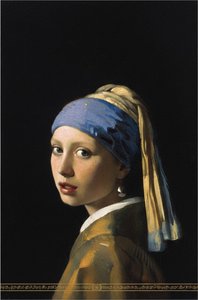
Zlatno doba Holandske umetnosti: Top 10 remek dela za vaš dom
Otkrijte remek dela Holandskog zlatnog doba! Uronite u svet Rembrandta, Vermeera i drugih majstora. 10 ikoničnih slika koje su definisale umetnost. Inspiracija za vaš dom i kolekciju - ekskluzivne reprodukcije na AllPaintingsStore.com!