


1


Ažurirano: новембар 2026 · rangirano prema našem koeficijentu popularnosti (pretrage, posete i porudžbine za svako delo) · 2 dela Eric Cameron u našem katalogu
Brzi odgovor
Sellotape Painting No. 5 (1963) je najpoznatije delo umetnika Eric Cameron; original se nalazi u muzeju Nacionalna galerija Kanade, Otava. Naš katalog sadrži 2 dela umetnika Eric Cameron; evo 2 najpoznatijih, rangiranih prema godini i muzeju u kojem se nalaze, kako bi vam pomogli da odaberete onaj koji želite da naručite.
1 muzeja u kojima se nalazi najviše slika sa ove stranice.
| Muzej | Grad | Radovi umetnika Eric Cameron | Slike iz ovog spiska |
|---|---|---|---|
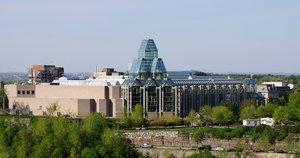 Nacionalna galerija Kanade |
Otava | 2 | Sellotape Painting No. 5, Reds and Yellows on Green (type 111q, 1/2" tape) |
Eric Cameron, od 1963 do 1968: 6 godina datiranih slika, poređanih godinu po godinu.
Izaberite godinu da biste videli njene slike.

Sellotape Painting No. 5 (1963) je na prvom mestu.
Eric Cameron je imao 28 godina: Sellotape Painting No. 5 je datiran 1963, a Eric Cameron je rođen 1935.
U našem katalogu se nalazi 2 dela umetnika Eric Cameron, datiranih od 1963 do 1968.
Pretežno u Nacionalna galerija Kanade (Otava). Za kompletnu listu pogledajte tabelu muzeja iznad.
Najstarije na ovoj stranici: Sellotape Painting No. 5 (1963). Najnovije: Reds and Yellows on Green (type 111q, 1/2" tape) (1968).
Nacionalna galerija Kanade, Otava poseduje 2 slika sa ovog rangiranja, uključujući Sellotape Painting No. 5 i Reds and Yellows on Green (type 111q, 1/2" tape).
Eric Cameron was born in 1935 in Leicester, England. His early development was rooted in a rigorous academic foundation that prioritized the structural understanding of art. He pursued his studies at the University of Durham, where he earned a Bachelor of Arts in painting in 1957. This period established the technical discipline that would later define his more conceptual pursuits. He did not rely solely on practice; he sought a theoretical grounding as well, eventually earning a Diploma in Art History from the Courtauld Institute at the University of London.
The trajectory of his career shifted significantly when he moved to Canada in 1969. This relocation marked a transition from his formative years in the United Kingdom to a new environment that would host his most significant professional developments. His training provided the necessary tools to move beyond simple representation, allowing him to approach the medium with a specific, methodical intent. The combination of formal painting education and art historical study created a framework for the highly deliberate processes he would later employ.
Cameron’s practice is defined by a relentless, almost obsessive accumulation of material. His work moves beyond simple figuration into a highly conceptual realm where the act of making is inseparable from the final form. In his early process paintings, he utilized masking tape grids to dictate the composition, creating structured, geometric arrangements. This methodical approach established a foundation for his later, more transformative experiments with volume and mass.
The most significant shift in his output occurred when he began applying massive quantities of gesso to everyday objects. These "Thick Paintings" are not merely surfaces; they are physical accumulations that transform a simple item into a heavy, sculptural presence. He would apply thousands of layers of paint or gesso, often continuing the process for decades. This technique forces a confrontation with the object's new, distorted reality, where the original shape is slowly buried under the weight of the medium itself.
His aesthetic is rooted in modernist and minimalist principles, yet it avoids the sterile detachment often associated with those movements. Instead, his work possesses a tactile, material density. Whether working in painting, video, or sculpture, the focus remains on the physical reality of the substance being applied. The following works illustrate this commitment to material buildup:
Cameron’s influence extended far beyond the studio through a teaching career that spanned 47 years across universities in England and Canada. He held positions at the University of Guelph and the Nova Scotia College of Art and Design before settling into a long-term tenure at the University of Calgary. From 1987 to 2020, he served as a professor in the Art Department there, shaping the technical and conceptual understanding of several generations of students. His pedagogical presence was as methodical and persistent as his painting process.
His professional standing is marked by specific, high-level institutional honors. He received the Canada Council's Victor Martyn Lynch-Staunton Award in 1992 and the Governor General's Award in 2004. These were not merely ceremonial; they recognized a body of work that demanded rigorous intellectual engagement. In 2009, his contributions to the Canadian art landscape were formalized when he was elected to the Royal Society of Canada. His legacy is defined by this intersection of academic discipline and formal recognition.