


1


Ažurirano: октобар 2026 · rangirano prema našem koeficijentu popularnosti (pretrage, posete i porudžbine za svako delo) · 36 dela Alan Davie u našem katalogu
Brzi odgovor
Najpoznatija slika umetnika Alan Davie je Woman Arranging Flowers (1945). Untitled Abstract i Self Portrait with Brushes (1937) su brojevi dva i tri. Od 36 dela umetnika Alan Davie u našem katalogu, ovih je 36 najpoznatijih, rangiranih prema godini i muzeju u kojem se nalaze, kako biste mogli da odaberete sliku za narudžbu.


 Joe's Magic Lantern1961
12
 Joe's Lucky Dip1961
13
 Keep Your Fingers Crossed1961
14
 Hopi Studies No.32, Opus 0.11731991 · University of Hertfordshire
15
 Hopi Studies No.30 (Big Blue) (Opus O.1171)1991
16
 Homage to an Earth Goddess No.61992
17
 Symbols in a Landscape1994 · The Pier Arts Centre
18
 Village Witch (Opus O.1263)1994
19
 Magic Casket1997 · Art
20
 Celtic Landscape (Dreamscape)1996 · The Pier Arts Centre
21
 Magic Landscape (Opus O.1337)1996
22
 The Alchemist's Mirror No.1 (Opus 1357)1997
23
 Cosmic Signals I2000
24
 Cosmic Signals No.72000
25
 The Golden Palace1999
26
 Magician's Mirror No.22000 · The Mercer Art Gallery
27
 Serpent's Idea of a Horse2000
28
 The Magician's Mirror No.3 (Opus 1450)2000
29
 Without Devices2004 · Pembroke College Oxford Jcr Art Collection
30
 Around and Around in the PinkNacionalna galerija Kanade
31
 Kaleidoscope for a Parrot
32
 Prize for a Serpent
33
 Flowers on a TableThe Fleming Collection
34Prophet in a Tree, 1963Fitzwilliam College
35
 Double MonumentRobinson College
36
 Hallucination with Monster and Cock
8 muzeja u kojima se nalazi najviše slika sa ove stranice.
| Muzej | Grad | Radovi umetnika Alan Davie | Slike iz ovog spiska |
|---|---|---|---|
 The Pier Arts Centre |
Stromness | 2 | Symbols in a Landscape, Celtic Landscape (Dreamscape) |
 University of Hertfordshire |
North Hatley | 1 | Hopi Studies No.32, Opus 0.1173 |
 Art |
Edinburg | 1 | Magic Casket |
 The Mercer Art Gallery |
Harrogate | 1 | Magician's Mirror No.2 |
 Pembroke College Oxford Jcr Art Collection |
Oxford | 1 | Without Devices |
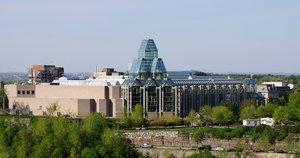 Nacionalna galerija Kanade |
Otava | 1 | Around and Around in the Pink |
 The Fleming Collection |
London | 1 | Flowers on a Table |
 Fitzwilliam College |
Cambridge | 1 | Prophet in a Tree, 1963 |
Izaberite deceniju da biste videli njene najpoznatije slike.


Woman Arranging Flowers (1945) zauzima prvo mesto, a prate ga Untitled Abstract i Self Portrait with Brushes (1937).
Alan Davie je imao 25 godina: Woman Arranging Flowers je datiran 1945, a Alan Davie je rođen 1920.
Woman Arranging Flowers, Untitled Abstract, Self Portrait with Brushes, The Saint, Entrance to a Paradise, Jingling Space, Ram Grip, Piggy Chain, Joy Bag No. 1 i Entrance For A Red Temple No. 4. Godina i muzej za svako od njih navedeni su u rangiranju iznad.
U našem katalogu se nalazi 36 dela umetnika Alan Davie, datiranih od 1937 do 2004.
Pretežno u The Pier Arts Centre (Stromness), University of Hertfordshire (North Hatley) i Art (Edinburg). Za kompletnu listu pogledajte tabelu muzeja iznad.
U periodima 1990s: 10 od 36 slika rangiranih ovde datiraju iz tog vremena, uključujući Hopi Studies No.32, Opus 0.1173.
Najstarije na ovoj stranici: Self Portrait with Brushes (1937). Najnovije: Without Devices (2004).
Abstract expressionism, na osnovu slika rangiranih na ovoj stranici.
The Pier Arts Centre, Stromness poseduje 2 slika sa ovog rangiranja, uključujući Symbols in a Landscape i Celtic Landscape (Dreamscape).