Garancija povraćaja novca · 100 dana Besplatna dostava širom sveta
646.446umetnička dela 53.409umetnici 5.406muzeji 32jezici
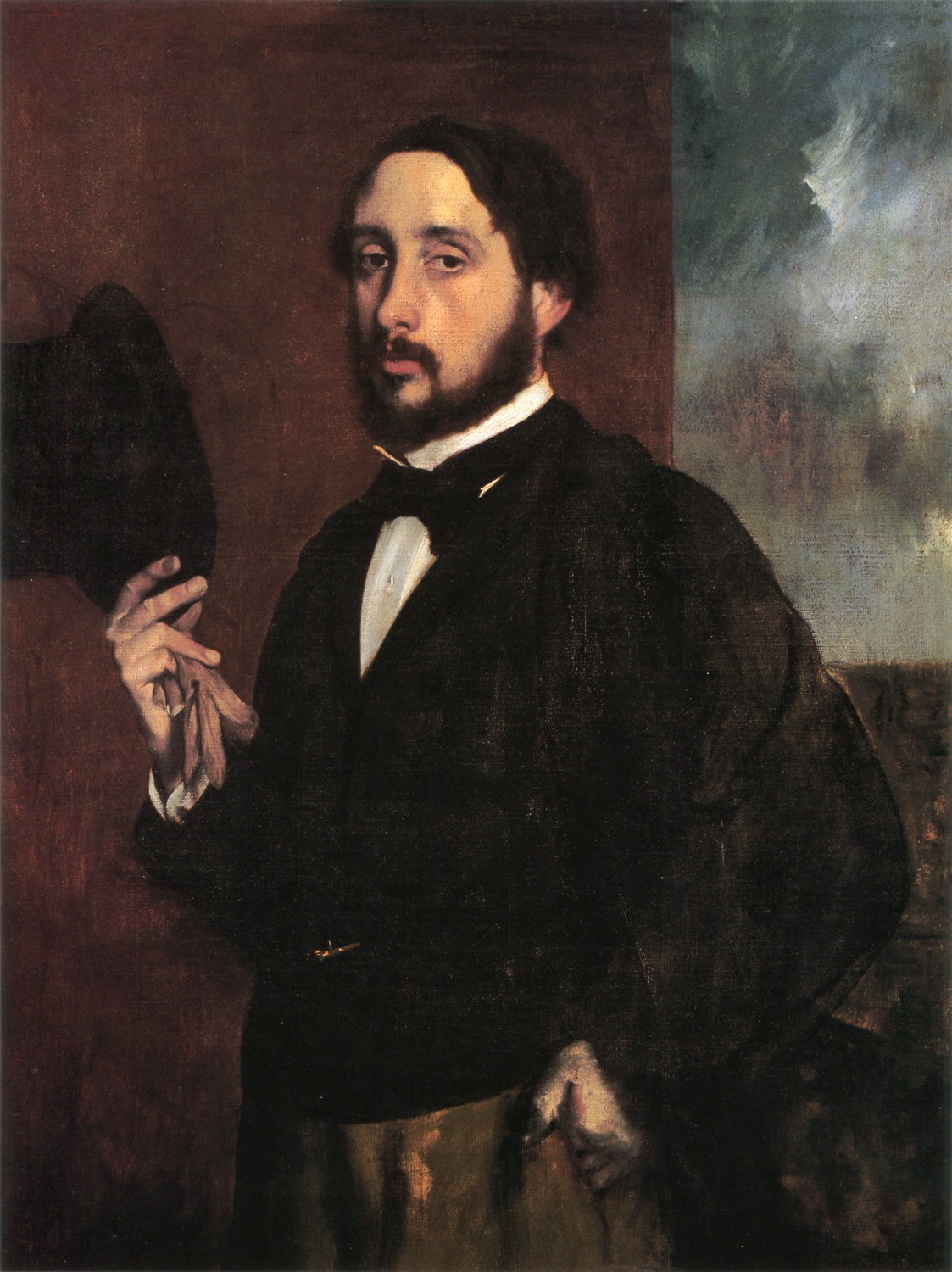
Portret Едгар Дега

100 najpoznatijih slika umetnika Едгар Дега koje možete odabrati

Ažurirano: октобар 2026 · rangirano prema našem koeficijentu popularnosti (pretrage, posete i porudžbine za svako delo) · 1.074 dela Едгар Дега u našem katalogu

Brzi odgovor

Najpoznatije delo iz kolekcije umetnika Едгар Дега je Упитник абсента (1876), čiji se original nalazi u muzeju Musée d'Orsay, Pariz. Na drugom i trećem mestu: Žena koja se suši i Baletna proba (1873). Naš katalog sadrži 1,074 dela umetnika Едгар Дега. Ovde je navedeno 100 najpoznatijih dela, poređanih prema rangu, sa godinom nastanka i muzejem u kojem se čuva svaki original.

1834 – 1917, Париз Impresionizam Najviše dela: Metropoliten музеј у Њујорку

Top 10: najpoznatija dela umetnika Едгар Дега

1
Упитник абсента (1876) čiji je Едгар Дега

Упитник абсента

1876 · Ulje na platnu · Musée d'Orsay, Pariz

Edgar Degas stands apart from his Impressionist contemporaries, not merely in stylistic preference but in a fundamental commitment to portraying the world with unflinching honesty. His gaze was fixed on the urban landscape—the bustling cafes and theaters of Paris—and he sought to capture its essence not through idealized beauty but through meticulous observation and nuanced technique.

2
Žena koja se suši čiji je Едгар Дега

Žena koja se suši

Akril na platnu · National Gallery, London

Počevši iz Francuske u drugoj polovini 19. veka, impresionizam je prkratio tradicionalnim umetničkim konvencijama. Umetnici poput Degaa odmakli su se od istorijskih i mitoloških tema, okrenuvši se umesto toga scenama modernog života. *Intimizam*, podtok unutar impresionizma, fokusirao se specifično na domaće enterijere i privatne trenutke. „Žena koja se suši” savršeno exemplifikuje ovaj trend. Iako se Degas protivio tome da bude etiketiran kao „impresionista”, njegovo delo je delilo posvećenost ovom pokretu…

3
Baletna proba (1873) čiji je Едгар Дега

Baletna proba

1873 · Ulje na platnu · Musée d'Orsay, Pariz

Zakoračiti u delo Edgara Degasa pod nazivom „Baletna proba” znači prevazići granice vremena i ući u utočište discipliniranog otmenosti. Naslikano oko 1873. godine, ovo remek-delo ne predstavlja samo scenu baletske probe; ono nudi intiman, gotovo voyeuristički prozor u tihi intenzitet plesnog studija. Za razliku od grandioznih, režiranih spektakla koji se često povezuju sa operom, Degas usmerava naš pogled ka neobrađenoj stvarnosti vežbanja. Ovde svedočimo suptilnoj napetosti istezanja mišića, fokusiranom iscrpljenosti…

4
Porodica Bellelli čiji je Едгар Дега

Porodica Bellelli

Ulje na platnu · Musée d'Orsay, Pariz

U tihim, zasenjenim uglovima pariskog prostora, Edgar Degas beleži nešto mnogo dublje od običnog porodičnog okupljanja. Porodica Bellelli, naslikana između 1858. i 1867. godine, stoji kao izvrsno remek-delo koje prevazilazi granice tradicionalnog portretizma. To nije samo zapis lica, već psihološki pejzaž u kojem svaki pogled i poza šapuću o neizrečenim tenzijama i duboko ukorenjenim emocijama. Dok posmatrač gleda u ovo monumentalno platno, pozvan je u privatni svet, svedok trenutka porodične…

5
Interior (also known as The Rape) (1868) čiji je Едгар Дега

Interior (also known as The Rape)

1868 · Ulje na platnu · Philadelphia Museum of Art, Filadelfija

Edgar Degas’s “Interior,” often referred to as “The Rape,” is not merely a painting; it's an experience—a carefully constructed tableau of psychological tension and unspoken drama. Completed in 1868, this grisaille masterpiece resides within the Philadelphia Museum of Art, yet its power transcends its physical location, resonating with viewers long after they’ve turned away. It’s a work that invites speculation, prompting us to confront uncomfortable truths about human relationships and…

6
Portraits in a New Orleans Cotton Office čiji je Едгар Дега

Portraits in a New Orleans Cotton Office

Portraits in a New Orleans Cotton Office Edgar Degas, one of the most celebrated artists of the Impressionist movement, gifted us Portraits in a New Orleans Cotton Office, an oil painting that encapsulates the very essence of his uncle’s cotton brokerage business during its calamitous bankruptcy. Completed in 1873, this masterpiece transcends mere visual representation; it stands as a testament to Degas' unparalleled skill and occupies a significant place within…

7
Балерине у розовом (1885) čiji je Едгар Дега

Балерине у розовом

1885 · Ulje na platnu · Hill-Stead Museum, Farmington

Gracija i pokret baleta uhvaćeni u impresionističkom sjaju „Igračice u roze boji“ Edgara Degasa majstorska je predstavljanje sveta baleta, izvedeno prepoznatljivim impresionističkim stilom ovog umetnika. Ovo očaravajuće delo poziva posmatrače u dinamični svet plesa, gde se prepliću gracioznost, pokret i elegancija. Živopisna plesna scena Slika prikazuje živopisnu scenu balerina u pokretu, dok njihove roze tutuje kruže na pozadini toplih nijansi. Degasova sposobnost da uhvati prolazne trenutke nastupa očigledna je u…

8
Танцирка са букетом цвећа (1878) čiji je Едгар Дега

Танцирка са букетом цвећа

1878 · Akril na platnu

Trenutak zaustavljen u vremenu: Očaravost Degasove „Igračice sa buketom cveća (Zvezda baleta)” Edgar Degasovo remdelo iz 1878. godine, „Igračica sa buketom cveća (Zvezda baleta)”, nije samo prikaz balerine; to je sažetak prolaznog trenutka—dah zadržan između napora i gracioznosti. Slika nas uvodi u živopisni svet pariskog baleta, ne kroz grandiozan spektakl, već kroz intimno posmatrananje. Mlada plesačica, u pokretu usred izvođenja, steže buket, a njeno telo zrači istovremeno snagom i ranjivosti.…

9
Мис Лола, у Цирку Фернандо, НГ Л (1879) čiji je Едгар Дега

Мис Лола, у Цирку Фернандо, НГ Л

1879 · Ulje na platnu

"Misis Lola u cirkusu Fernando": Pogled u Pariskom sjaju i umetničkoj briljantnosti Edgar Degas, jedan od najznačajnijih impresionista, stvorio je delo "Misis Lola u cirkusu Fernando" 1879. godine, a ovo nije samo portret akrobatice, već prozor u živopisnu kulturu Pariza 19. veka. Slika prikazuje Misis Lolu, cirkusku izvođačicu, u sred performansa, zarobljenu u trenutku graciozne snage i odvažnosti. Kompozicija je dinamična, privlači gledaoca u srž scene, naglašavajući veštinu i hrabrost…

10
Пљасачи на коњу 1 (1888) čiji je Едгар Дега

Пљасачи на коњу 1

1888 · Ulje na platnu · The Phillips Collection, Vašington, D.C.

Graciozni Pokreti i Disciplinovana Eleganicija: "Plesačice na Šipki 1" Edgar Degasa "Plesačice na Šipki 1" Edgara Degasa, nastao 1888. godine, nije samo slika; to je trenutak zaleđen u vremenu, intimni pogled u svet baletske discipline i gracioznosti. Ova pastelna kompozicija prikazuje dve plesačice angažovane u svakodnevnim vežbama, a njihova posvećenost i elegancija isijavaju sa platna, pozivajući gledaoca da se uroni u tajni svet baletske umetnosti. Degasov majstorstvo u korišćenju pastela…

Rangovi od 11 do 100: više dela umetnika Едгар Дега

11Клубска сцена (Песма пса) (1877) čiji je Едгар ДегаКлубска сцена (Песма пса)1877 12Žena koja se opere u kupelji (1892) čiji je Едгар ДегаŽena koja se opere u kupelji1892 13Sestra (1873) čiji je Едгар ДегаSestra1873 14U kafiću, takođe nazivan čiji je Едгар ДегаU kafiću, takođe nazivanGrand Palais 15Двојка балерина (1898) čiji je Едгар ДегаДвојка балерина1898 16Данска Класа (1874) čiji je Едгар ДегаДанска Класа1874 · Metropoliten музеј у Њујорку 17Trkački konji u Lonšampu (1874) čiji je Едгар ДегаTrkački konji u Lonšampu1874 · Muzej finih umetnosti u Bostonu 18Igračica na sceni (1880) čiji je Едгар ДегаIgračica na sceni1880 · Hamburger Kunsthalle 19Two Dancers in Their Dressing Room (1880) čiji je Едгар ДегаTwo Dancers in Their Dressing Room1880 · National Gallery 20The Star čiji je Едгар ДегаThe Star 21Two Dancers Entering the Stage (1878) čiji je Едгар ДегаTwo Dancers Entering the Stage1878 22Балерина и Дама са Фантом (1885) čiji je Едгар ДегаБалерина и Дама са Фантом1885 23The Ballet Rehearsal on Stage (1874) čiji je Едгар ДегаThe Ballet Rehearsal on Stage1874 24Head of a Woman (1874) čiji je Едгар ДегаHead of a Woman1874 · National Gallery 25Two harlequins (1886) čiji je Едгар ДегаTwo harlequins1886 26Fan Mount: Ballet Girls (1879) čiji je Едгар ДегаFan Mount: Ballet Girls1879 · Metropoliten музеј у Њујорку 27Sedeća žena koja češlja kosu (1890) čiji je Едгар ДегаSedeća žena koja češlja kosu1890 · Musée d'Orsay 28Yellow Dancers (In the Wings) (1875) čiji je Едгар ДегаYellow Dancers (In the Wings)1875 · Art Institute of Chicago 29Café Singer (1879) čiji je Едгар ДегаCafé Singer1879 · Art Institute of Chicago 30The Milliners (1882) čiji je Едгар ДегаThe Milliners1882 · J. Paul Getty Museum 31Women Combing Their Hair (1876) čiji je Едгар ДегаWomen Combing Their Hair1876 · The Phillips Collection 32Three Dancers Preparing for Class (1878) čiji je Едгар ДегаThree Dancers Preparing for Class1878 · Metropoliten музеј у Њујорку 33A Roman Beggar Woman (1857) čiji je Едгар ДегаA Roman Beggar Woman1857 · Birmingham Museum and Art Gallery 34At the Ballet (1881) čiji je Едгар ДегаAt the Ballet1881 35Dancer in Her Dressing Room (1879) čiji je Едгар ДегаDancer in Her Dressing Room1879 36The Blue Dancers čiji je Едгар ДегаThe Blue Dancers 37Seated Nude Combing Her Hair (1890) čiji je Едгар ДегаSeated Nude Combing Her Hair1890 38Dancer in her dressing room (1879) čiji je Едгар ДегаDancer in her dressing room1879 · Norton Simon Museum 39Tuileries, the woman with a parasol (1877) čiji je Едгар ДегаTuileries, the woman with a parasol1877 · Burrell Collection 40Orchestra of the Opera (1869) čiji je Едгар ДегаOrchestra of the Opera1869 41The Bather (La Baigneuse) (1895) čiji je Едгар ДегаThe Bather (La Baigneuse)1895 · Reading Public Museum 42Russian Dancers (1899) čiji je Едгар ДегаRussian Dancers1899 43A Cotton Office in New Orleans (1873) čiji je Едгар ДегаA Cotton Office in New Orleans1873 44Woman in Blue (Portrait of Mlle. Helene Rouart) (1886) čiji je Едгар ДегаWoman in Blue (Portrait of Mlle. Helene Rouart)1886 45Manet at the Races (1870) čiji je Едгар ДегаManet at the Races1870 46Singer in Green (1884) čiji je Едгар ДегаSinger in Green1884 · Metropoliten музеј у Њујорку 47Tri Plesalce, Plave Suknje, Crvene Majice (1903) čiji je Едгар ДегаTri Plesalce, Plave Suknje, Crvene Majice1903 48Žena Česanje kose (1894) čiji je Едгар ДегаŽena Česanje kose1894 · Metropoliten музеј у Њујорку 49Danseuse rajustant son chausson (1880) čiji je Едгар ДегаDanseuse rajustant son chausson1880 50Three Dancers in Purple Skirts (1898) čiji je Едгар ДегаThree Dancers in Purple Skirts1898 51Woman at a Window (1872) čiji je Едгар ДегаWoman at a Window1872 · Courtauld Gallery 52Ballet Scene (1880) čiji je Едгар ДегаBallet Scene1880 · Dixon Gallery and Gardens 53Four Dancers (1902) čiji je Едгар ДегаFour Dancers1902 54A Carriage at the Races (1872) čiji je Едгар ДегаA Carriage at the Races1872 · Muzej finih umetnosti u Bostonu 55Lady with a Parasol (1871) čiji je Едгар ДегаLady with a Parasol1871 · Courtauld Gallery 56Ballet Rehearsal on Stage, oil on canvas, Musée (1874) čiji je Едгар ДегаBallet Rehearsal on Stage, oil on canvas, Musée1874 57Singer with a glove (1878) čiji je Едгар ДегаSinger with a glove1878 58Mme Jacques Fourchy (1883) čiji je Едгар ДегаMme Jacques Fourchy1883 59Field of Flax (1892) čiji je Едгар ДегаField of Flax1892 60The Return of the Herd (1896) čiji je Едгар ДегаThe Return of the Herd1896 · New Walk Museum - Art Gallery 61Žena Sedela Na Kanapu (1872) čiji je Едгар ДегаŽena Sedela Na Kanapu1872 62Репетиција танца у студију Опере (1895) čiji je Едгар ДегаРепетиција танца у студију Опере1895 · Norton Simon Museum 63Woman Tying the Ribbons of Her Hat (1882) čiji je Едгар ДегаWoman Tying the Ribbons of Her Hat1882 64Group of Dancers (1905) čiji je Едгар ДегаGroup of Dancers1905 65Standing Female Figure with Bared Torso (1868) čiji je Едгар ДегаStanding Female Figure with Bared Torso1868 · Kunstmuseum Basel 66Dancer with Bouquet (1877) čiji je Едгар ДегаDancer with Bouquet1877 67Conversation (1895) čiji je Едгар ДегаConversation1895 · Yale University Art Gallery 68The Rehearsal of the Ballet on Stage (1874) čiji je Едгар ДегаThe Rehearsal of the Ballet on Stage1874 · Metropoliten музеј у Њујорку 69Two Dancers (1898) čiji je Едгар ДегаTwo Dancers1898 · Staatliche Kunstsammlungen Dresden 70Spanish dance (2018) čiji je Едгар ДегаSpanish dance2018 · Asociación Española de Pintores y Escultores 71On the Stage (1880) čiji je Едгар ДегаOn the Stage1880 72Horses and Jockeys (1886) čiji je Едгар ДегаHorses and Jockeys1886 73The Dancers (1885) čiji je Едгар ДегаThe Dancers1885 · Metropoliten музеј у Њујорку 74Four dancers, ca National Galler (1899) čiji je Едгар ДегаFour dancers, ca National Galler1899 · National Gallery of Art 75Dancer Tilting (1883) čiji je Едгар ДегаDancer Tilting1883 76Ballet Scene čiji je Едгар ДегаBallet SceneDixon Gallery and Gardens 77Melancholy (1874) čiji je Едгар ДегаMelancholy1874 78Dancer's Dressing Room (1878) čiji je Едгар ДегаDancer's Dressing Room1878 79Три балерини, една с тъмночервена талия (1899) čiji je Едгар ДегаТри балерини, една с тъмночервена талия1899 80M. and Mme Edouard Manet (1869) čiji je Едгар ДегаM. and Mme Edouard Manet1869 81Dancers Practicing at the Barre (1877) čiji je Едгар ДегаDancers Practicing at the Barre1877 · Metropoliten музеј у Њујорку 82Woman in a Café (1877) čiji je Едгар ДегаWoman in a Café1877 83Dancers (1895) čiji je Едгар ДегаDancers1895 84Dancer Looking at the Sole of Her Right Foot (1921) čiji je Едгар ДегаDancer Looking at the Sole of Her Right Foot1921 · Tel Aviv Museum of Art 85Žena Česanje Kosa Pred Zrkalom (1877) čiji je Едгар ДегаŽena Česanje Kosa Pred Zrkalom1877 · Norton Simon Museum 86Dancers in the Wings (1885) čiji je Едгар ДегаDancers in the Wings1885 87Četiri Plesača (1900) čiji je Едгар ДегаČetiri Plesača1900 · National Gallery of Art 88The Tub (1889) čiji je Едгар ДегаThe Tub1889 89Before the Curtain Call (1892) čiji je Едгар ДегаBefore the Curtain Call1892 90Dancer on Stage with a Bouquet (1876) čiji je Едгар ДегаDancer on Stage with a Bouquet1876 91Woman with a Bandage (1873) čiji je Едгар ДегаWoman with a Bandage1873 · Detroit Institute of Arts 92Dancers (8) (1900) čiji je Едгар ДегаDancers (8)1900 93Cafe-Concert Singer (1878) čiji je Едгар ДегаCafe-Concert Singer1878 94The Rehearsal (1878) čiji je Едгар ДегаThe Rehearsal1878 · Dumbarton Oaks 95Dancers Practicing at the Barre (1877) čiji je Едгар ДегаDancers Practicing at the Barre1877 96Russian Dancer (1895) čiji je Едгар ДегаRussian Dancer1895 97Olive Trees against a Mountainous Background (1893) čiji je Едгар ДегаOlive Trees against a Mountainous Background1893 98View of Saint-Valery-sur-Somme (1898) čiji je Едгар ДегаView of Saint-Valery-sur-Somme1898 · Metropoliten музеј у Њујорку 99Leon Bonnat (1863) čiji je Едгар ДегаLeon Bonnat1863 100Two Dancers in the Studio (Dance School) (1875) čiji je Едгар ДегаTwo Dancers in the Studio (Dance School)1875

Radovi umetnika Едгар Дега prema periodima

Slike umetnika Едгар Дега prema temi

Četiri najčešća motiva u ovom rangiranju, sa najboljim delom za svaki od njih.

Muzeji u kojima se čuvaju originalna dela umetnika Едгар Дега

8 muzeja u kojima se nalazi najviše slika sa ove stranice.

Muzej Grad Radovi umetnika Едгар Дега Slike iz ovog spiska
Metropoliten музеј у Њујорку, ЊујоркMetropoliten музеј у Њујорку Њујорк 52 Данска Класа, Fan Mount: Ballet Girls, Three Dancers Preparing for Class
Musée d'Orsay, ParizMusée d'Orsay Pariz 55 Упитник абсента, Baletna proba, Porodica Bellelli
National Gallery, LondonNational Gallery London 18 Žena koja se suši, Two Dancers in Their Dressing Room, Head of a Woman
Norton Simon Museum, PasadenaNorton Simon Museum Pasadena 5 Dancer in her dressing room, Репетиција танца у студију Опере, Žena Česanje Kosa Pred Zrkalom
National Gallery of Art, WashingtonNational Gallery of Art Washington 28 Four dancers, ca National Galler, Četiri Plesača
Muzej finih umetnosti u Bostonu, BostonMuzej finih umetnosti u Bostonu Boston 10 Trkački konji u Lonšampu, A Carriage at the Races
Art Institute of Chicago, ČikagoArt Institute of Chicago Čikago 8 Yellow Dancers (In the Wings), Café Singer
Courtauld Gallery, LondonCourtauld Gallery London 7 Woman at a Window, Lady with a Parasol

Najbolja slika decenije: Едгар Дега

Radovi po decenijama

Izaberite deceniju da biste videli njene najpoznatije slike.

Slike autora Едгар Дега: Često postavljana pitanja

Koje je najpoznatije delo umetnika Едгар Дега?Prikaži odgovor

Упитник абсента (1876), Musée d'Orsay, Pariz, zauzima prvo mesto, a prate ga Žena koja se suši i Baletna proba (1873).

U kojoj je godini Едгар Дега naslikao delo Упитник абсента?Prikaži odgovor

Едгар Дега je imao 42 godina: Упитник абсента je datiran 1876, a Едгар Дега je rođen 1834.

Koja su deset najpoznatijih slika umetnika Едгар Дега?Prikaži odgovor

Упитник абсента, Žena koja se suši, Baletna proba, Porodica Bellelli, Interior (also known as The Rape), Portraits in a New Orleans Cotton Office, Балерине у розовом, Танцирка са букетом цвећа, Мис Лола, у Цирку Фернандо, НГ Л i Пљасачи на коњу 1. Godina i muzej za svako od njih navedeni su u rangiranju iznad.

Koliko je slika umetnika Едгар Дега navedeno?Prikaži odgovor

U našem katalogu se nalazi 1,074 dela umetnika Едгар Дега, datiranih od 1857 do 1905.

U kojim muzejima se čuvaju najpoznatiji originali umetnika Едгар Дега?Prikaži odgovor

Pretežno u Metropoliten музеј у Њујорку (Њујорк), Musée d'Orsay (Pariz) i National Gallery (London). Za kompletnu listu pogledajte tabelu muzeja iznad.

Kada su nastala najpoznatija dela umetnika Едгар Дега?Prikaži odgovor

U periodima 1870s: 40 od 100 slika rangiranih ovde datiraju iz tog vremena, uključujući Упитник абсента.

Koja su najstarija i najnovija čuvena dela Едгар Дега?Prikaži odgovor

Najstarije na ovoj stranici: A Roman Beggar Woman (1857). Najnovije: Group of Dancers (1905).

Koji motivi se najčešće pojavljuju u slikama umetnika Едгар Дега?Prikaži odgovor

Među 100 slika rangiranih ovde: Ballet (17), Dance (13) i Dancers (12).

Koji je medij najčešći u delima umetnika Едгар Дега?Prikaži odgovor

Oil On Canvas, za 25 od 100 slika rangiranih ovde.

Kojem umetničkom pravcu pripadaju dela umetnika Едгар Дега?Prikaži odgovor

Impresionizam, na osnovu slika rangiranih na ovoj stranici.

Koja čuvena dela Едгар Дега se nalaze u muzeju Metropoliten музеј у Њујорку?Prikaži odgovor

Metropoliten музеј у Њујорку, Њујорк poseduje 9 slika sa ovog rangiranja, uključujući Данска Класа, Fan Mount: Ballet Girls i Three Dancers Preparing for Class.

Mogu li kupiti reprodukciju slike autora Едгар Дега?Prikaži odgovor

Da. Svaka slika na ovoj stranici može se naručiti kao ručno slikana uljana reprodukcija ili kao štampa. Otvorite sliku, odaberite veličinu i izvršite porudžbinu.

Едгар Дега: umetnik iza ovih dela

The Life of Edgar Degas

Paris, 1834. A child is born into a moderately wealthy family to Hilaire-Germain-Edgar De Gas. The name he would eventually simplify to Edgar Degas marks the beginning of a life defined by the tension between social expectation and artistic obsession. He grows up within the sophisticated atmosphere of the French capital, a setting that will later serve as the backdrop for his observations of modern life.

The years pass in a blur of study and shifting interests. He moves from the structured environment of his upbringing toward the grit of the city's working spaces. He does not seek the sunlight of the outdoors, preferring the controlled, artificial light of the studio and the theater. His gaze settles on the dancers, the laundresses, and the racehorses of Paris, capturing the physical toll of labor and the fleeting movements of the stage. He remains a man of contradictions, often resisting the labels his contemporaries apply to him, insisting instead on his identity as a realist.

The end comes in Paris on 27 September 1917. He leaves behind a vast body of work that spans many decades, including:

Early Life, Family and Training

Paris, 1834. The son of a banker and Célestine Musson De Gas, a Creole from New Orleans, Louisiana, Hilaire-Germain-Edgar De Gas enters a world of bourgeois stability. At eleven, he is enrolled at the Lycée Louis-le-Grand. The academic path is set, yet the boy’s focus drifts toward the halls of the Louvre. By 1853, having graduated from the Lycée with a baccalauréat in literature, he bypasses his father's expectations of a legal career. Instead, he registers as a copyist in the Louvre Museum, spending his hours tracing the lines of the masters.

The training intensifies at the École des Beaux-Arts in Paris. He moves through the rigors of classical instruction, honing a precision that would define his later work. In 1855, a meeting occurs that leaves a permanent mark on his development: he meets Jean-Auguste-Dominique Ingres. The encounter cements a respect for draftsmanship and the importance of the line, even as he begins to move toward the modern subjects that would eventually define his career.

Technique and Artistic Style

Degas rejects the label of Impressionist. He prefers the term "Realist," a choice that dictates his entire approach to the canvas. He avoids the outdoor landscape and the loose, flickering brushstrokes favored by his contemporaries. Instead, he retreats into the controlled environment of the studio. Here, he masters the human form through rigorous draftsmanship. He is a superb draftsman, possessing a specific, technical command over the depiction of movement. He does not wait for the sun to hit a subject; he constructs his scenes through careful study in pencil or pastel. This preparation allows him to freeze a fleeting moment of motion with anatomical precision.

Light in a Degas composition is rarely natural. He utilizes artificial light to emphasize the figures, creating a sense of theatricality and depth. One notable method is contre-jour, where he places his subject in shadow while the background remains brightly lit. This technique isolates the figure, pulling it forward from the environment. The result is a tension between the subject and the space they inhabit, often revealing the physical strain or the quiet, unposed reality of modern life.

Key Works and Subjects

The stage and the stable dominate his visual world. More than half of his output focuses on dancers, capturing them in moments of rehearsal and performance. He moves between the grace of a pirouette and the physical strain of the dance class. Beyond the theater, he turns his gaze toward the speed of the racetrack, documenting racehorses and the jockeys who ride them. These subjects are not merely decorative; they are studies in tension and movement.

His reach extends into the private and the psychological. He produces portraits that reveal a complex inner life, often using unconventional angles to isolate his subjects. This focus on the human form is not limited to oil on canvas. He works through a variety of media, including prints, drawings, and wax sculptures. His ability to render the human figure is evident in his many studies of women, often focusing on the body in private, unobserved moments.

Legacy and Lasting Impact

The shift in late 19th-century art finds a central figure in Degas. Though he resisted the label, his presence helped establish the foundations of Impressionism. He moved away from the rigid, historical subjects of the academy, choosing instead to document the grit and grace of modern Parisian life. This departure from tradition paved the way for future generations of artists to explore the unvarnished reality of the human condition.

His influence reaches far beyond the initial Impressionist circle. The structural innovations and unconventional compositions he developed left a mark on the trajectory of modern art. Specifically, his approach to form and movement can be seen in the later works of Pablo Picasso and Henri Matisse. He taught the art world to look at the world through asymmetrical angles and unexpected crops, turning the private, fleeting moments of a dancer or a laundress into permanent studies of motion.

Where to See the Works Today

The traces of Degas's observation remain scattered across major institutions, preserved in the quiet halls of Paris and beyond. In France, the Musée d'Orsay holds significant collections of his work, capturing the movement he spent a lifetime studying. The Louvre Museum also houses his art, while the Bibliothèque Nationale de France in Paris maintains his works within its archives. These collections offer a direct look at the technical precision and the study of form that defined his career.

Across the Atlantic, the reach of his vision extends into the United States. The Metropolitan Museum of Art in New York holds his paintings, providing a window into the modern life he depicted with such scrutiny. In Philadelphia, the Philadelphia Museum of Art contains his works, ensuring his influence remains accessible to international audiences. These sites act as physical anchors for his legacy, where the lines and light he mastered are still visible to the modern eye.

Sva 1074 dela umetnika Едгар Дега →