Garancija povraćaja novca · 100 dana Besplatna dostava širom sveta
646.446umetnička dela 53.409umetnici 5.406muzeji 32jezici
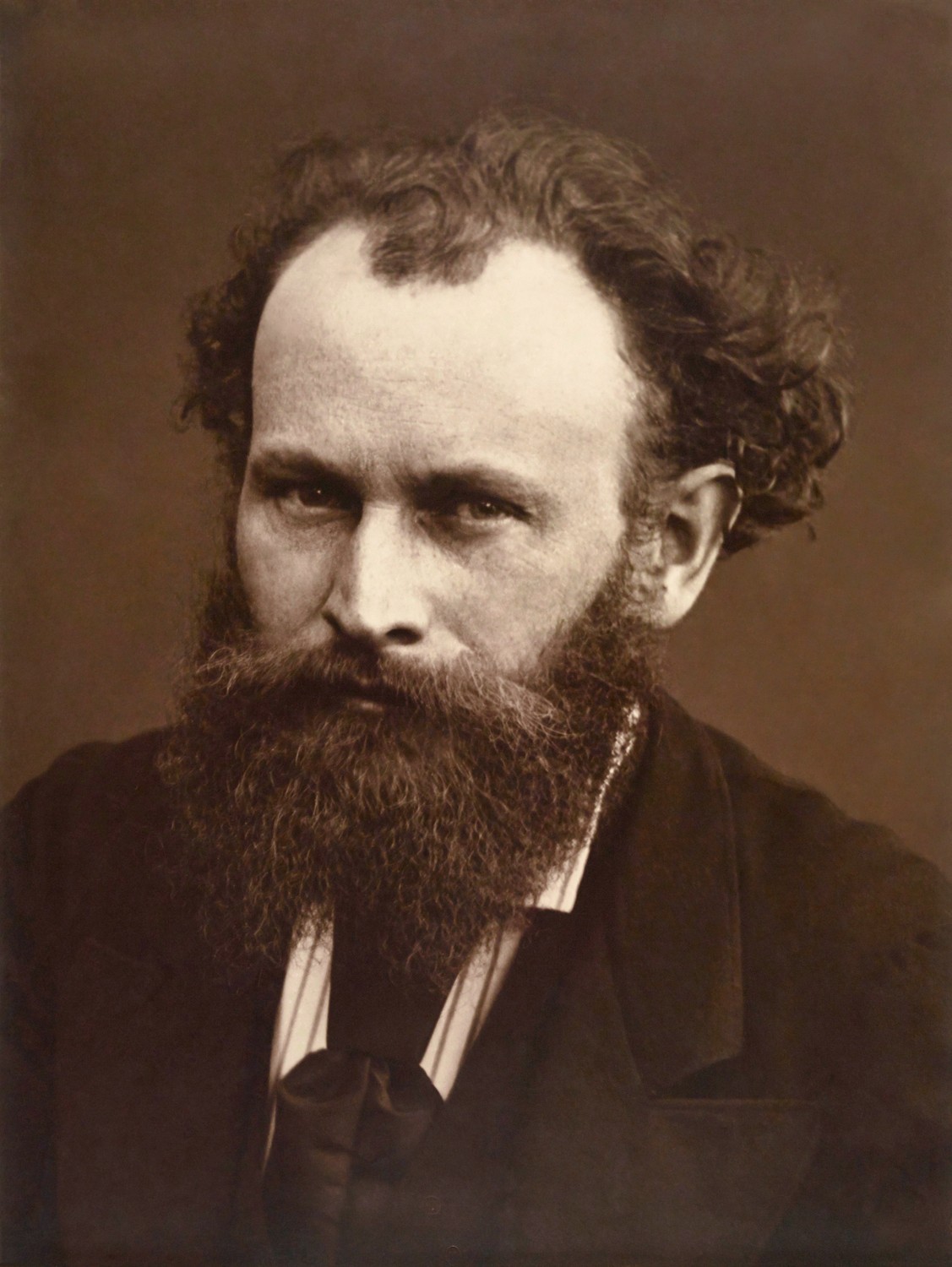
Portrait of Едуар Мане

Shop the 100 Most Famous Едуар Мане Paintings

Updated октобар 2026 · ranked by our popularity score (searches, visits and orders for each work) · 587 works by Едуар Мане in our catalogue

Quick answer

Ručak na travi (1863) is Едуар Мане's best-known painting; the original belongs to the Musée d'Orsay, Pariz. Олимпија (1863) ranks second, Bar u Folies-Bergere (1882) third. Our catalogue has 587 works by Едуар Мане; here are the 100 most famous, ranked, with the year and museum of each, to help you pick the one to order.

1832 – 1883, Париж Impresionizam Most works: Musée d'Orsay

Едуар Мане: the 10 top-ranked paintings

1
Ručak na travi (1863) by Едуар Мане

Ručak na travi

1863 · Ulje na platnu · Musée d'Orsay, Pariz

Године 1863., ова монументална слика необративо је променила ток историје уметности, служећи као кључни прелаз између реализма и импресионизма. Приказује привидно једноставну сцену – опуштени пикник у шумском окружењу – али радикално одступање од академских конвенција изазвало је тренутне контроверзе и трајну фасцинацију. Едуар Манет, сликар који је често био у супротности са устаљеним нормима, није желео да реплицира прошлост; уместо тога, тежио је да заухвати живост – а понекад…

2
Олимпија (1863) by Едуар Мане

Олимпија

1863 · Ulje na platnu · Musée d'Orsay, Pariz

Olímpija: Edouard Maneta i Revolucionarni Pogled na Ženu Edouard Manetovo delo "Olímpija", nastalo 1863. godine, nije samo slika; to je umetnički manifest koji je zauvek izmenio tok istorije umetnosti. Više od obične gole figure, ovo je hrabar i provokativan izraz koji je osporio akademske konvencije i najavio eru modernog realizma. Gledalac se ne samo osvrće na "Olímpiju", već se suočava sa direktnim, gotovo bezobzirnim pogledom koji retko viđamo u umetnosti…

3
Bar u Folies-Bergere (1882) by Едуар Мане

Bar u Folies-Bergere

1882 · Ulje na platnu · Courtauld Gallery, London

Édouard Manetov remek-delo iz 1882. godine, “Bar u Folies-Bergère”, nije samo slika jednog bara i konobarice; to je dubok prodor u srce pariškog života krajem XIX veka. Manet nam ne nudi idealizovanu viziju glamura, već intimni portret urbanog postojanja, društvenih interakcija i rađajuće modernosti Francuske. Poziva nas da zakoračimo u živopisnu atmosferu Folies-Bergère, jednog od najpoznatijih pariskih zabavnih mesta, i razmišljamo o njegovim suptilnim složenostima.

4
Frulaš (1866) by Едуар Мане

Frulaš

1866 · Akril na platnu · Musée d'Orsay, Pariz

Delo „Frulaš“ (The Fifer) Edvarda Maneta, završeno 1866. godine, predstavlja temelj realizističkog slikarstva i ključni trenutak u umetničkom pejzažu Francuske sredine viktorijanskog doba. Trenutno smešteno u uzvišenim prostorima muzeja Orsej u Parizu, ovo naizgled jednostavno platno prevazilazi svoje skromne dimenzije — 161 x 97 cm — kako bi pružilo duboku komentaciju društvenih promena i buđenja duha impresionizma.

5
The Suicide (1880) by Едуар Мане

The Suicide

1880 · Akril na platnu · Foundation E.G. Bührle Collection, Zrich

Édouard Manet’s “The Suicide,” completed in 1877, stands as a haunting meditation on mortality and psychological torment—a pivotal work that cemented Manet's reputation as a pioneer of modern art. Measuring just 38 x 46 cm, this unassuming canvas belies the profound emotional resonance it evokes, prompting ongoing debate about its interpretation and significance within the broader context of Impressionism.

6
Balkon (1869) by Едуар Мане

Balkon

1869 · Akril na platnu

Zaustavljeni trenutak: Otkrivanje Manetovog dela Balkon Edouard Manetovo delo Balkon, naslikano između 1868. i 1869. godine, predstavlja mnogo više od običnog prikaza figura na pariskom balkonu; to je ključno delo koje povezuje realizam i impresionizam, beležeći prolazni trenutak prožet neizvesnošću i modernim životom. Dimenzija 170 x 124 cm, ovo ulje na platnu čuva prestižna kolekcija muzeja Musée d'Orsay u Parizu, nastavljajući da očarava posetioce svojim suptilnim slojevima i kompleksnošću. Istorijski…

7
Музика у Тюйлеријском парку (1862) by Едуар Мане

Музика у Тюйлеријском парку

1862 · Ulje na platnu · The Hugh Lane, Dublin

Živopisni trenutak pariskog života Edouard Manetovo delo „Muzika u Tuilerijskom vrtu“ verno beleži suštinu pariskog društva 19. veka uz neprevaziđenu živost i dinamiku. Ova kultna slika prenosi posmatrače u užurbani Tuilerijski vrt, omiljeno okupljalište Parizana koji uživaju u opuštenim popodnevima ispunjenim muzikom, razgovorom i društvenom interakcijom. Impresionističko majstorstvo Manetov inovativni pristup kompoziciji i tehnici izdvaja ovo delo kao rani primer njegovog impresionističkog stila. Gsta, prepuna scena nema jedinstvenu fokusnu tačku,…

8
The Railroad (1873) by Едуар Мане

The Railroad

1873 · Ulje na platnu · National Gallery of Art, Washington

A Moment Frozen in Time: Exploring Edouard Manet’s “The Railroad” “The Railroad,” painted by Édouard Manet in 1873, isn't merely a depiction of two women seated beside a fence; it’s an emblem of shifting artistic sensibilities and the burgeoning anxieties of modern life. Hanging proudly at the National Gallery of Art in Washington D.C., this monochrome masterpiece invites contemplation on themes of familial connection, observation, and the subtle intrusion of…

9
The Absinthe Drinker by Едуар Мане

The Absinthe Drinker

Acrylic On Canvas · Ny Carlsberg Glyptotek, Kopenhagen

In the dimly lit corners of late 19th-century Paris, where the scent of turpentine mingled with the bitter aroma of wormwood, Édouard Manet captured a moment of profound isolation. The Absinthe Drinker is not merely a painting; it is a haunting window into the soul of the Belle Époque, a period often romanticized but here revealed in its raw, unvarnished truth. The central figure, a man draped in a heavy…

10
Berthe Morisot with a bouquet of violets (1872) by Едуар Мане

Berthe Morisot with a bouquet of violets

1872 · Oil On Canvas · Musée d'Orsay, Pariz

An Intimate Encounter in Light and ShadowIn the quietude of a sun-drenched interior, Édouard Manet captures more than just a likeness; he captures a fleeting moment of profound intimacy. Berthe Morisot with a Bouquet of Violets is not merely a portrait of a woman, but a poetic distillation of the Impressionist spirit. As we gaze upon Morisot, seated with a quiet, contemplative grace, we are invited into a private world…

Едуар Мане, ranks 11 to 100

11Portrait of Emile Zola (1868) by Едуар МанеPortrait of Emile Zola1868 · Musée d'Orsay 12Нана (1877) by Едуар МанеНана1877 · Hamburger Kunsthalle 13Chez Tortoni (1875) by Едуар МанеChez Tortoni1875 · Isabella Stewart Gardner Museum 14Žan (Proleće) (1881) by Едуар МанеŽan (Proleće)1881 · J. Paul Getty Museum 15Железница by Едуар МанеЖелезница 16Ručak na travi (1863) by Едуар МанеRučak na travi1863 · Musée d'Orsay 17Улица Мосје са заставама (1878) by Едуар МанеУлица Мосје са заставама1878 18Бар у Фоли-Бержере by Едуар МанеБар у Фоли-Бержере 19Пролеће (Студија за Жан Демерси) (1882) by Едуар МанеПролеће (Студија за Жан Демерси)1882 20Jahanje, Muzej umetnosti Metropolitan, Njujork (1874) by Едуар МанеJahanje, Muzej umetnosti Metropolitan, Njujork1874 · Metropoliten музеј у Њујорку 21Izabela Lemonije, Žena sa zlatnom šnalom za kosu (1879) by Едуар МанеIzabela Lemonije, Žena sa zlatnom šnalom za kosu1879 22Извршење цара Максимилија Мексичког (1867) by Едуар МанеИзвршење цара Максимилија Мексичког1867 · Muzej finih umetnosti u Bostonu 23Olimpija by Едуар МанеOlimpijaMusée d'Orsay 24Portrait of Stéphane Mallarmé, Musée d'Orsay, Pa (1876) by Едуар МанеPortrait of Stéphane Mallarmé, Musée d'Orsay, Pa1876 25The balcony, Musee d'Orsay, Paris (1869) by Едуар МанеThe balcony, Musee d'Orsay, Paris1869 · Musée d'Orsay 26Monetova porodica u bašti (1874) by Едуар МанеMonetova porodica u bašti1874 · Metropoliten музеј у Њујорку 27Monah u molitvi (1865) by Едуар МанеMonah u molitvi1865 · Muzej finih umetnosti u Bostonu 28Maskenbal u operi (1873) by Едуар МанеMaskenbal u operi1873 · National Gallery of Art 29Monet u svom studijskom čamcu (1874) by Едуар МанеMonet u svom studijskom čamcu1874 30Spanish Ballet (1862) by Едуар МанеSpanish Ballet1862 · The Phillips Collection 31Jahačica (1882) by Едуар МанеJahačica1882 32Plum (1878) by Едуар МанеPlum1878 · National Gallery of Art 33Šetnja (1880) by Едуар МанеŠetnja1880 · Tokyo Fuji Art Museum 34Lilas u staklu (1882) by Едуар МанеLilas u staklu1882 35Портрет г. Антона Пруста (1880) by Едуар МанеПортрет г. Антона Пруста1880 · Toledo Museum of Art 36Дечак са мачем (1861) by Едуар МанеДечак са мачем1861 · Metropoliten музеј у Њујорку 37Kopija po Delakroajjevom „Čamcu Dantea“ (1859) by Едуар МанеKopija po Delakroajjevom „Čamcu Dantea“1859 · Metropoliten музеј у Њујорку 38Олимпија, (Детаљ) Музеј д'Орсе, П (1863) by Едуар МанеОлимпија, (Детаљ) Музеј д'Орсе, П1863 39Guerre Civile by Едуар МанеGuerre CivileDetroit Institute of Arts 40The Picnic (Le Déjeuner sur l'Herbe) by Едуар МанеThe Picnic (Le Déjeuner sur l'Herbe) 41Bar u Folije-Beržer, Courtauld (1882) by Едуар МанеBar u Folije-Beržer, Courtauld1882 42The Waitress by Едуар МанеThe Waitress 43The Waitress by Едуар МанеThe Waitress 44The Old Musician, canvas, National Gallery of Ar (1862) by Едуар МанеThe Old Musician, canvas, National Gallery of Ar1862 45The Execution of the Emperor Maximilian (1867) by Едуар МанеThe Execution of the Emperor Maximilian1867 · Muzej finih umetnosti u Bostonu 46Bouquet of violets (1872) by Едуар МанеBouquet of violets1872 47Monet in his Studio (1874) by Едуар МанеMonet in his Studio1874 · Staatsgalerie Stuttgart 48The Croquet Party (La partie de croquet) (1871) by Едуар МанеThe Croquet Party (La partie de croquet)1871 · Nelson-Atkins Museum of Art 49Портрет Едуарда Мане са шлемом (1878) by Едуар МанеПортрет Едуарда Мане са шлемом1878 · Artizon Museum 50Rochefortovo bekstvo (1880) by Едуар МанеRochefortovo bekstvo1880 · Kunsthaus Zürich 51Masquerade at the Opera (1873) by Едуар МанеMasquerade at the Opera1873 52Portret Viktorin Mer, Muzej lepih umetnosti (1862) by Едуар МанеPortret Viktorin Mer, Muzej lepih umetnosti1862 53Jean-Baptiste Faure (1830–1914) (1882) by Едуар МанеJean-Baptiste Faure (1830–1914)1882 · Metropoliten музеј у Њујорку 54The Bench (aka My Garden) by Едуар МанеThe Bench (aka My Garden) 55Стари музичар (1862) by Едуар МанеСтари музичар1862 · National Gallery of Art 56The railway, (Detalj 2) Nation (1873) by Едуар МанеThe railway, (Detalj 2) Nation1873 57Мле В... у одећи еспаде (1862) by Едуар МанеМле В... у одећи еспаде1862 · Metropoliten музеј у Њујорку 58Still Life: Fruits on a Table (1864) by Едуар МанеStill Life: Fruits on a Table1864 59Nana, kunsthalle, hamburg. (1877) by Едуар МанеNana, kunsthalle, hamburg.1877 60Ulična pevačica (1862) by Едуар МанеUlična pevačica1862 · Muzej finih umetnosti u Bostonu 61Mladica među cvecem (1879) by Едуар МанеMladica među cvecem1879 62Њена (такође позната и као Девојка која послужује пиво) (1878) by Едуар МанеЊена (такође позната и као Девојка која послужује пиво)1878 · Luvr 63Мртви тореадор (такође познат и као Мртвац) (1864) by Едуар МанеМртви тореадор (такође познат и као Мртвац)1864 · National Gallery of Art 64Maskirani bal u operi (1873) by Едуар МанеMaskirani bal u operi1873 · National Gallery of Art 65Basket of Fruits (1864) by Едуар МанеBasket of Fruits1864 · Muzej finih umetnosti u Bostonu 66Консерваторијум (1879) by Едуар МанеКонсерваторијум1879 67Портрет господина Бруна (1879) by Едуар МанеПортрет господина Бруна1879 · Национални музеј западне уметности 68Studija za Le Déjeuner sur l'herbe (1865) by Едуар МанеStudija za Le Déjeuner sur l'herbe1865 · Courtauld Gallery 69Samoportret sa paletom (1879) by Едуар МанеSamoportret sa paletom1879 70The Seine at Argenteuil (1874) by Едуар МанеThe Seine at Argenteuil1874 · Courtauld Gallery 71U baru ''Le Bouchon'' (1879) by Едуар МанеU baru ''Le Bouchon''1879 · Pushkin State Museum 72The ragpicker (1869) by Едуар МанеThe ragpicker1869 73Vase of Peonies on a Small Pedestal (1864) by Едуар МанеVase of Peonies on a Small Pedestal1864 74The absinthe drinker, ny carlsberg glyptotek, co (1859) by Едуар МанеThe absinthe drinker, ny carlsberg glyptotek, co1859 75Žan Мартин у робичастој хаљини (1881) by Едуар МанеŽan Мартин у робичастој хаљини1881 · Staatliche Kunstsammlungen Dresden 76Young Woman in the Garden (1880) by Едуар МанеYoung Woman in the Garden1880 77Ostrige (1862) by Едуар МанеOstrige1862 · National Gallery of Art 78Bathers on the Seine, unfinished by Едуар МанеBathers on the Seine, unfinishedMuseu de Arte de São Paulo Assis Chateaubriand 79The Port of Bordeaux (1871) by Едуар МанеThe Port of Bordeaux1871 80Villa at Rueil by Едуар МанеVilla at Rueil 81Seascape (1873) by Едуар МанеSeascape1873 82Rochefort's Escape (1881) by Едуар МанеRochefort's Escape1881 · Musée d'Orsay 83Portrait of Faure as Hamlet (1877) by Едуар МанеPortrait of Faure as Hamlet1877 · Hamburger Kunsthalle 84Жена која обара воду (Напомена о Сузане Леенхоф) (1858) by Едуар МанеЖена која обара воду (Напомена о Сузане Леенхоф)1858 85Peony Stems and Pruning Shears (1864) by Едуар МанеPeony Stems and Pruning Shears1864 · Musée d'Orsay 86Boating (1874) by Едуар МанеBoating1874 87Isabelle Lemonnier with Muff (1879) by Едуар МанеIsabelle Lemonnier with Muff1879 · Dallas Museum of Art 88Woman with a Cat, Portrait of Madame Manet (1882) by Едуар МанеWoman with a Cat, Portrait of Madame Manet1882 · Tate Gallery 89The Escape of Rocherfort by Едуар МанеThe Escape of Rocherfort 90The Banks of the Seine at Argenteuil (1874) by Едуар МанеThe Banks of the Seine at Argenteuil1874 91Rue Mosnier with Road Menders (1878) by Едуар МанеRue Mosnier with Road Menders1878 92Španski balet (1862) by Едуар МанеŠpanski balet1862 93Dečak sa trešnjama (1859) by Едуар МанеDečak sa trešnjama1859 · Calouste Gulbenkian Museum 94At the Café (Au café) (1869) by Едуар МанеAt the Café (Au café)1869 95Antonin Prust (1880) by Едуар МанеAntonin Prust1880 · Toledo Museum of Art 96Beach at Boulogne (1869) by Едуар МанеBeach at Boulogne1869 97The Beach at Sainte-Adresse, oil on canvas, Art (1867) by Едуар МанеThe Beach at Sainte-Adresse, oil on canvas, Art1867 98Boats at Berck-sur-Mer (1873) by Едуар МанеBoats at Berck-sur-Mer1873 · Cleveland Museum of Art 99The stroll (1880) by Едуар МанеThe stroll1880 100The Barricade (Civil War) (1871) by Едуар МанеThe Barricade (Civil War)1871

Едуар Мане paintings by period

Едуар Мане paintings by subject

The four most frequent subjects in this ranking, with the top painting for each.

Museums holding Едуар Мане's originals

The 8 museums that hold the most of the paintings on this page.

Museum City Works by Едуар Мане Paintings from this list
Musée d'Orsay, ParizMusée d'Orsay Pariz 35 Ručak na travi, Олимпија, Frulaš
National Gallery of Art, WashingtonNational Gallery of Art Washington 19 The Railroad, Maskenbal u operi, Plum
Metropoliten музеј у Њујорку, ЊујоркMetropoliten музеј у Њујорку Њујорк 28 Jahanje, Muzej umetnosti Metropolitan, Njujork, Monetova porodica u bašti, Дечак са мачем
Muzej finih umetnosti u Bostonu, BostonMuzej finih umetnosti u Bostonu Boston 9 Извршење цара Максимилија Мексичког, Monah u molitvi, The Execution of the Emperor Maximilian
Courtauld Gallery, LondonCourtauld Gallery London 5 Bar u Folies-Bergere, Studija za Le Déjeuner sur l'herbe, The Seine at Argenteuil
Hamburger Kunsthalle, HamburgHamburger Kunsthalle Hamburg 3 Нана, Portrait of Faure as Hamlet
Toledo Museum of Art, ToledoToledo Museum of Art Toledo 2 Портрет г. Антона Пруста, Antonin Prust
Detroit Institute of Arts, DetroitDetroit Institute of Arts Detroit 15 Guerre Civile

Top Едуар Мане painting by decade

Works per decade

Select a decade to see its top painting.

What to know about Едуар Мане paintings

Which famous Едуар Мане painting tops the ranking?Show answer

Ručak na travi (1863), Musée d'Orsay, Pariz, ranks first, followed by Олимпија (1863) and Bar u Folies-Bergere (1882).

How old was Едуар Мане in the year of Ručak na travi?Show answer

Едуар Мане was 31: Ručak na travi is dated 1863, and Едуар Мане was born in 1832.

Which Едуар Мане paintings make the top 10?Show answer

Ručak na travi, Олимпија, Bar u Folies-Bergere, Frulaš, The Suicide, Balkon, Музика у Тюйлеријском парку, The Railroad, The Absinthe Drinker and Berthe Morisot with a bouquet of violets. Year and museum for each are in the ranking above.

How many Едуар Мане works does your catalogue list?Show answer

587 works by Едуар Мане are in our catalogue, dated 1858 to 1882.

Where can the originals of Едуар Мане's famous paintings be seen?Show answer

Mainly in Musée d'Orsay (Pariz), National Gallery of Art (Washington) and Metropoliten музеј у Њујорку (Њујорк). See the museum table above for the full list.

In which years did Едуар Мане paint the top-ranked works?Show answer

In 1870s: 36 of the 100 paintings ranked here date from that time, including The Railroad.

Which famous Едуар Мане paintings are the earliest and the latest?Show answer

Earliest on this page: Жена која обара воду (Напомена о Сузане Леенхоф) (1858). Latest: Bar u Folies-Bergere (1882).

What are Едуар Мане's most frequent subjects?Show answer

Among the 100 paintings ranked here: Manet (9), Parisian life (7) and Portrait (7).

Which medium did Едуар Мане use most often?Show answer

Ulje na platnu, for 41 of the 100 paintings ranked here.

Which art movement is Едуар Мане part of?Show answer

Impresionizam, based on the paintings ranked on this page.

Which Едуар Мане paintings are held by the Musée d'Orsay?Show answer

The Musée d'Orsay, Pariz holds 10 of the paintings ranked here, including Ručak na travi, Олимпија and Frulaš.

Do you sell reproductions of Едуар Мане paintings?Show answer

Yes. Every painting on this page can be ordered as a hand-painted oil reproduction or a print. Open the painting, choose the size and place your order.

Едуар Мане: life and career

Early Life, Family and Training

Édouard Manet was born in Paris on January 23, 1832. He grew up in an affluent household, the eldest son of a man who held a position in the French Ministry of Justice. His father had envisioned a different path for him, one involving the navy or the law. The boy attempted to follow this direction, but he failed the entrance exams for the naval academy twice. This failure redirected his focus toward the studio. He eventually presented his father with a portfolio of paintings to prove his commitment to the arts, finally gaining the permission needed to study formally.

From 1850 to 1856, he trained in the studio of Thomas Couture. While he learned the technical foundations of academic painting there, his eyes often wandered toward the Louvre. He spent much of his time in those galleries, standing before the canvases of the Old Masters and copying their methods. He studied the way they handled light and form, absorbing the lessons of the past while preparing to find his own way. This period of intense study provided the technical grounding that would support his later departures from tradition.

Technique and Artistic Style

The surface of a canvas reveals a deliberate departure from the polished, invisible finish required by the Salon. Instead of smoothing away the evidence of the brush, there is a visible, energetic application of pigment known as facture. This approach prioritizes the physical reality of the paint itself. By using the alla prima or wet-on-wet technique, the colors are laid down while still fresh, capturing an immediate quality that avoids the slow, layered buildup of traditional academic methods. This method allows for a certain spontaneity in how light and atmosphere are recorded.

There is a noticeable flatness in the way forms are constructed. A loose handling of the paintbrush avoids the heavy modeling used to create deep, three-dimensional illusions. Instead, the pictorial space often feels compressed. This effect is heightened by the use of strong, contrasting tones. Rather than relying on gradual color scales to define shape, the work often uses stark shifts in value to suggest the fragmented, modern light of the city. This rejection of mathematical perspective and seamless blending creates a sense of immediacy, as if the image is being assembled directly before the eye.

The Scandal of Modern Subjects

The mid-1860s brought a series of confrontations with the public eye. In 1863, the Salon des Refusés provided a stage for works that the official juries had rejected. Among these was Le Déjeuner sur l'herbe, a painting that caused an immediate stir. It did not rely on the usual mythological or biblical excuses to present nudity; instead, it placed a nude woman in a picnic setting alongside two fully clothed men. This refusal to provide a historical or divine context left the viewer with nothing but the raw presence of contemporary life.

The tension only increased in 1865 with the exhibition of Olympia. This work was considered the most shocking piece in the Salon. It took the composition of Titian’s Venus of Urbino and stripped away the protective layer of myth, replacing a goddess with a contemporary prostitute. She did not look away or invite a gaze of admiration; she stared back with a directness that many found unsettling. Critics focused their anger on this lack of idealization and the bluntness of the subject matter.

Beyond the choice of subjects, the way the paint was applied drew heavy criticism. Many observers attacked the visible, energetic brushwork and the lack of a polished, seamless finish. They saw errors in perspective and a failure to follow the traditional rules of decorum. What some called incompetence, others recognized as a deliberate choice to show the reality of the paint on the canvas rather than a window into a dream.

Key Works and Major Paintings

In 1861, he produced The Spanish Singer, a work that earned him an honorable mention at the Salon. The painting shows a model in Andalusian costume, holding a guitar in a way that suggests the chords are being pressed by a left-handed player, even though the instrument is strung for a right-handed one. This small, deliberate error sits alongside a stereotypical Spanish still life placed near the model's feet.

His brushwork often addressed the immediate and the political. In 1867, he painted The Execution of the Emperor Maximilian of Mexico. Later, as his health began to decline in the late 1870s, his focus shifted toward smaller, more intimate subjects. By 1882, he had completed A Bar at the Folies-Bergère, a painting that captures the atmosphere of a modern café with a sense of psychological ambiguity. Near the end of his life, around 1883, he turned his attention to still lifes, such as Two roses on a tablecloth.

Circle, Rivals and Influences

His brushwork carries the weight of the masters he studied in the Louvre. He looked toward the dramatic light of Caravaggio and the fluid, dark tones of Velázquez to find a way forward. From Goya, he took a certain directness that bypassed the need for polished, academic finishes. These were not mere studies; they were the tools he used to dismantle the expectations of the Salon. He preferred the presence of a single, strong color over the gradual blending of tones.

In the cafes and intellectual circles of Paris, he moved among the very people who would redefine the era. He shared spaces and ideas with Claude Monet and Edgar Degas, men who were also pushing against the boundaries of what a painting could be. His personal life was equally intertwined with the avant-garde; his sister-in-law was the artist Berthe Morisot. While he often sought the approval of the official institutions, his true peers were those working in the shadows of the established academies.

He found an early, vocal defender in a writer who saw the future in his controversial canvases. This supporter published a glowing account of his work, helping to frame his place in a changing art world. Even when the public reacted with hostility to his modern subjects, this support provided a necessary counterweight to the critics who found his style unfinished or his themes improper. He remained a figure caught between the old world of the Academy and the new, restless energy of the streets.

All 587 works by Едуар Мане →