Garancija povraćaja novca · 100 dana Besplatna dostava širom sveta
646.446umetnička dela 53.409umetnici 5.406muzeji 32jezici
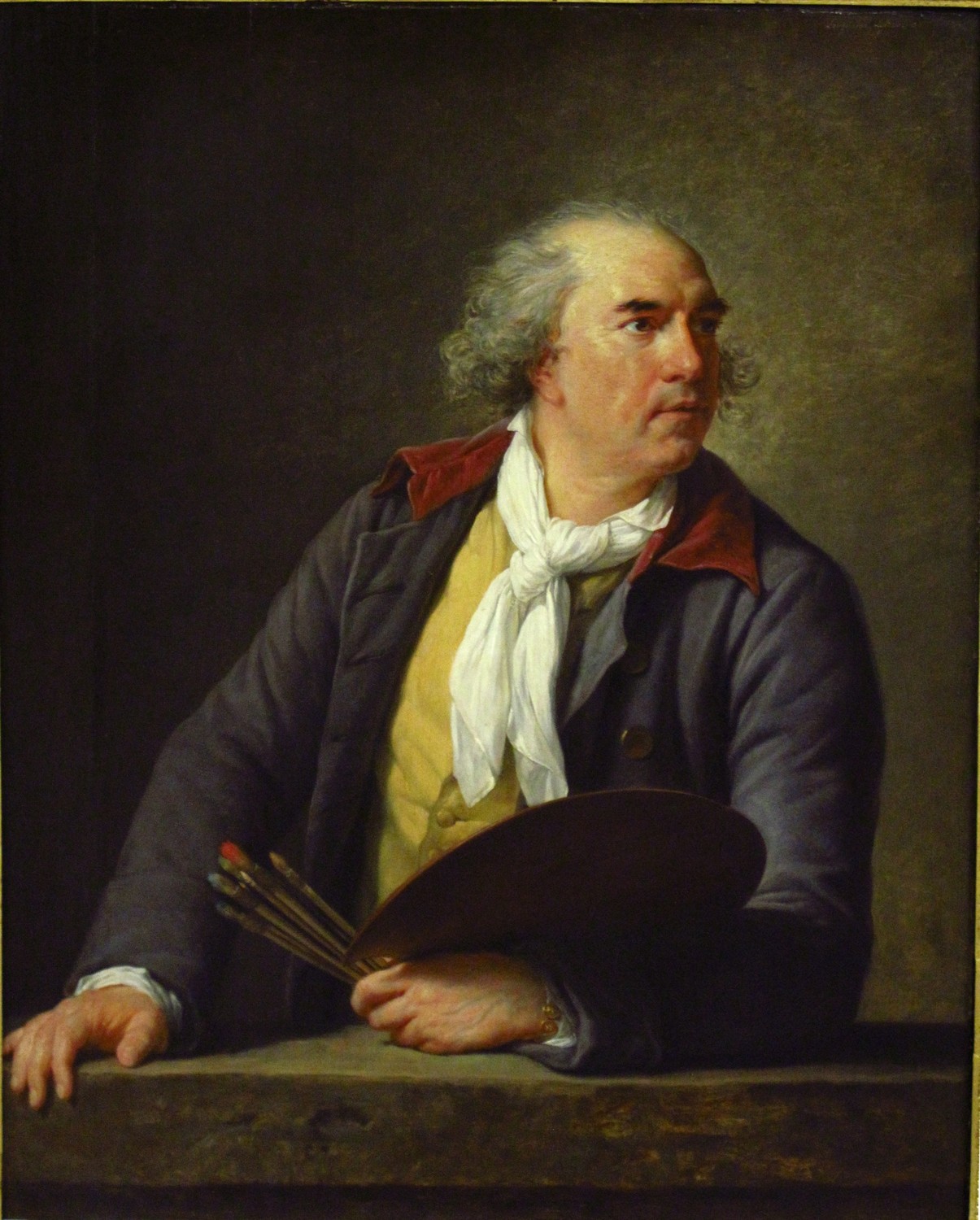
Portrait of Ибер Робер

Ибер Робер Paintings: The Top 100 Most Famous, Ranked

Updated октобар 2026 · ranked by our popularity score (searches, visits and orders for each work) · 415 works by Ибер Робер in our catalogue

Quick answer

The most famous Ибер Робер painting is The Pont du Gard (1787); the original is in the Luvr, Pariz. The Finding of the Laocoön (1773) and Le port de Ripetta are numbers two and three. Out of the 415 works by Ибер Робер in our catalogue, these are the 100 most famous, ranked, each with its year and museum, so you can choose the painting to order.

1733 – 1808, Париз Romanticism Most works: Luvr

Top 10 Ибер Робер paintings, ranked

1
The Pont du Gard (1787) by Ибер Робер

The Pont du Gard

1787 · Oil On Canvas · Luvr, Pariz

In the soft, diffused light of a fading afternoon, Hubert Robert’s 1787 masterpiece, The Pont du Gard, invites the viewer into a world where history and imagination coalesce. This breathtaking work transcends a mere topographical record of the famous Roman aqueduct; instead, it serves as a profound meditation on the passage of time and the enduring spirit of human achievement. As the eye travels across the canvas, one is immediately…

3
Le port de Ripetta by Ибер Робер

Le port de Ripetta

To gaze upon Hubert Robert’s depiction of "Le port de Ripetta" is to step across the threshold of time and into an idealized vision of classical antiquity meeting vibrant human life. This masterful scene does not merely record a harbor; it captures the very spirit of Roman grandeur, filtered through the romantic lens of an 18th-century imagination. The composition immediately draws the eye down the sweeping curve of the grand…

4
PROJET D'AMENAGEMENT DE LA GRANDE GALERIE DU LOUVRE by Ибер Робер

PROJET D'AMENAGEMENT DE LA GRANDE GALERIE DU LOUVRE

Acrylic On Canvas · Luvr, Pariz

Hubert Robert’s “Projet d’aménagement de la Grande Galerie du Louvre,” a captivating oil on canvas, isn’t merely a depiction of a museum; it’s a meticulously crafted vision of an idealized Parisian space. Painted in 1796, during a period of profound transformation for France – the tumultuous years following the Revolution and the nascent ambition to establish a grand national museum – Robert offers us a glimpse into a future imagined…

5
VUE D'UN PARC.LE JET D'EAU by Ибер Робер

VUE D'UN PARC.LE JET D'EAU

Oil On Canvas · Luvr, Pariz

Hubert Robert (1733-1808), a luminary of the French Romantic landscape movement, transcends mere depiction; he crafts immersive visions that capture the ethereal beauty of decay and the sublime grandeur of nature. His oeuvre stands apart for its meticulous attention to detail—particularly in his “capricci”—semi-fictitious scenes infused with imagination and imbued with an irresistible nostalgia for antiquity.

6
The Grande Galerie (detail) (1795) by Ибер Робер

The Grande Galerie (detail)

1795 · Acrylic On Canvas · Luvr, Pariz

Hubert Robert's "The Grande Galerie (detail)" isn’t merely a painting; it’s a meticulously crafted illusion, a fleeting moment captured within the heart of the Louvre in 1795. This remarkable work transports us to a space brimming with artistic legacy and the burgeoning spirit of revolutionary France. The scene unfolds within the newly transformed Grande Galerie, a monumental hall designed to showcase the nation's vast collection of art – a project…

7
The Maison Carée, the Arenas and the Magne Tower in Nimes (1787) by Ибер Робер

The Maison Carée, the Arenas and the Magne Tower in Nimes

1787 · Oil On Canvas · Luvr, Pariz

Hubert Robert's "The Maison Carée, the Arenas and the Magne Tower in Nimes," painted in 1787, isn’t merely a depiction of an ancient Roman monument; it’s a carefully constructed meditation on time, memory, and the enduring beauty of decay. This captivating oil painting transports us to the heart of southern France, specifically the dramatic landscape surrounding Nimes, where the imposing Maison Carée – a testament to Roman architectural prowess –…

8
The Grande Galerie (1795) by Ибер Робер

The Grande Galerie

1795 · Acrylic On Canvas · Luvr, Pariz

Hubert Robert’s “The Grande Galerie,” completed in 1795, transcends mere depiction; it embodies a profound philosophical stance on art and memory. Painted during the turbulent years of the French Revolution, this monumental canvas isn't simply a record of the Louvre Museum—it’s an imaginative reimagining of classical grandeur filtered through the lens of Romantic sensibility.

9
The Ponte Solario (1775) by Ибер Робер

The Ponte Solario

1775 · Oil On Canvas · National Gallery of Art, Washington

Hubert Robert’s “The Ponte Solario,” completed in 1775, stands as a cornerstone of Romantic landscape painting—a genre that prioritized emotion and imagination over strict adherence to classical ideals. More than just a depiction of crumbling stone and weathered timbers, the canvas embodies Robert's fascination with ruins as symbols of time’s relentless passage and the sublime beauty inherent in decay.

10
Alexandre le Grand devant le tombeau d'Achille by Ибер Робер

Alexandre le Grand devant le tombeau d'Achille

Oil · Luvr, Pariz

Hubert Robert’s “Alexandre le Grand devant le tombeau d’Achille” (c. 1754-1757) is not merely a depiction of a historical scene; it's a carefully constructed tableau brimming with symbolic weight, rendered in the evocative style characteristic of the late 18th century. The painting transports us to a ruined Roman landscape – a deliberate choice by Robert that immediately establishes a dialogue between grandeur and transience. Here, Alexander the Great stands before…

Ибер Робер paintings ranked 11 to 100

11Civil Guard (1780) by Ибер РоберCivil Guard1780 · Музеј Тисен-Борнемиза 12Imaginary View of the Grande Galerie in the Louvre in Ruins (1796) by Ибер РоберImaginary View of the Grande Galerie in the Louvre in Ruins1796 · Luvr 13Ruins of a Roman Bath with Washerwomen (1766) by Ибер РоберRuins of a Roman Bath with Washerwomen1766 · Philadelphia Museum of Art 14Studio of an Antiquities Restorer in Rome (1783) by Ибер РоберStudio of an Antiquities Restorer in Rome1783 · Toledo Museum of Art 15A Hermit Praying in the Ruins of a Roman Temple (1760) by Ибер РоберA Hermit Praying in the Ruins of a Roman Temple1760 · J. Paul Getty Museum 16Landscape with the Ruins of the Round Temple, with a Statue of Venus and a Monument to Marcus Aurelius by Ибер РоберLandscape with the Ruins of the Round Temple, with a Statue of Venus and a Monument to Marcus AureliusErmitaž 17VUE DE LA GRANDE GALERIE DU LOUVRE EN RUINES by Ибер РоберVUE DE LA GRANDE GALERIE DU LOUVRE EN RUINESLuvr 18Italian kitchen (1760) by Ибер РоберItalian kitchen1760 · Narodni muzej u Varšavi 19Hermit in the Colosseum (1790) by Ибер РоберHermit in the Colosseum1790 · Dallas Museum of Art 20Wandering Minstrels (1777) by Ибер РоберWandering Minstrels1777 · Metropoliten музеј у Њујорку 21Cypresses (1773) by Ибер РоберCypresses1773 · Ermitaž 22Vue de montagne avec glaciers, Composition décorative by Ибер РоберVue de montagne avec glaciers, Composition décorative 23Decorative Landscape with an Obelisk by Ибер РоберDecorative Landscape with an ObeliskErmitaž 24Hercules Farnese (1790) by Ибер РоберHercules Farnese1790 · Petit Palais 25Villa Madama near Rome (1760) by Ибер РоберVilla Madama near Rome1760 · Ermitaž 26The Ruined Temple. Landscape around a Cauldron (1750) by Ибер РоберThe Ruined Temple. Landscape around a Cauldron1750 27Antique Ruins with a Vase (1750) by Ибер РоберAntique Ruins with a Vase1750 · Szépművészeti Múzeum 28A Boy and a Dog among Ruins (1750) by Ибер РоберA Boy and a Dog among Ruins1750 29A Grand Staircase In a Park Setting (1750) by Ибер РоберA Grand Staircase In a Park Setting1750 30Scene at a Well (1750) by Ибер РоберScene at a Well1750 31The Farandole amidst Egyptian Monuments (1750) by Ибер РоберThe Farandole amidst Egyptian Monuments1750 · Mougins Museum of Classic Art 32The Clearing (1775) by Ибер РоберThe Clearing1775 · Cincinnati Art Museum 33Expulsion of the Merchants from the Temple (1758) by Ибер РоберExpulsion of the Merchants from the Temple1758 34Landscape with Bridge and Staffage (1758) by Ибер РоберLandscape with Bridge and Staffage1758 35Landscape with Ruin of a Triumphal Arch and Staffage (1758) by Ибер РоберLandscape with Ruin of a Triumphal Arch and Staffage1758 36The Laundry (1758) by Ибер РоберThe Laundry1758 · Petit Palais 37Sculptor working on the statue of a saint at Saint-Pierre de Rome (1758) by Ибер РоберSculptor working on the statue of a saint at Saint-Pierre de Rome1758 · Petit Palais 38The Artist in His Studio (1763) by Ибер РоберThe Artist in His Studio1763 · Museum Boijmans Van Beuningen 39Washerwomen in the Ruins of the Colosseum (1760) by Ибер РоберWasherwomen in the Ruins of the Colosseum1760 · Brooklyn Museum 40Peasant Dwelling (1760) by Ибер РоберPeasant Dwelling1760 41Christ Driving the Money Changers out of the Temple (1760) by Ибер РоберChrist Driving the Money Changers out of the Temple1760 · Gemäldegalerie 42arohitektur with five persones (1758) by Ибер Роберarohitektur with five persones1758 43washing women near a house (1758) by Ибер Роберwashing women near a house1758 44View of a Fire (1775) by Ибер РоберView of a Fire1775 · Muzej Carnavalet 45Roman Landscape (1775) by Ибер РоберRoman Landscape1775 46Landscape with a Triumphal Column (1773) by Ибер РоберLandscape with a Triumphal Column1773 · Ermitaž 47The Glade (1775) by Ибер РоберThe Glade1775 · Cincinnati Art Museum 48The Cascades of Tivoli (1776) by Ибер РоберThe Cascades of Tivoli1776 · Petit Palais 49Interior of the Temple of Diana at Nîmes (1783) by Ибер РоберInterior of the Temple of Diana at Nîmes1783 · Музеј Тисен-Борнемиза 50The Park of Ermenonville (1780) by Ибер РоберThe Park of Ermenonville1780 51Landscape of Ruins with Fountain and the Motto "Tant va la cruche à l'eau" (1788) by Ибер РоберLandscape of Ruins with Fountain and the Motto "Tant va la cruche à l'eau"1788 · Musée Calvet 52The Resupply of Prisoners at the Prison of Saint-Lazare (1794) by Ибер РоберThe Resupply of Prisoners at the Prison of Saint-Lazare1794 · Muzej Carnavalet 53A Banquet in the Ruins of a Temple (1795) by Ибер РоберA Banquet in the Ruins of a Temple1795 · Yale University Art Gallery 54Draughtsmen in a Landscape with Antique Ruins (1789) by Ибер РоберDraughtsmen in a Landscape with Antique Ruins1789 55The Watering Hole (1804) by Ибер РоберThe Watering Hole1804 · Musée Cognacq-Jay 56The Salle des Saisons in the Louvre (1802) by Ибер РоберThe Salle des Saisons in the Louvre1802 57Architecture with Figures (1800) by Ибер РоберArchitecture with Figures1800 · Statens Museum For Kunst 58The Obelisk (1787) by Ибер РоберThe Obelisk1787 · Art Institute of Chicago 59La Cascade : a Rocky Hillside with a Peasant Woman and Child near a Waterfall and Boys Resting by a Blasted Tree (1800) by Ибер РоберLa Cascade : a Rocky Hillside with a Peasant Woman and Child near a Waterfall and Boys Resting by a Blasted Tree1800 60Ruins of a Circular Temple with Apollo di Belvedere (1799) by Ибер РоберRuins of a Circular Temple with Apollo di Belvedere1799 · Nationalmuseum 61A Fishing Party (1805) by Ибер РоберA Fishing Party1805 62A Quarry with a Flock of Sheep (1800) by Ибер РоберA Quarry with a Flock of Sheep1800 · Statens Museum For Kunst 63Terrasse d'un palais à Rome by Ибер РоберTerrasse d'un palais à Rome 64The Draughtsman of the Borghese Vase (1775) by Ибер РоберThe Draughtsman of the Borghese Vase1775 · Musée des Beaux-Arts 65Orator in Prison (1764) by Ибер РоберOrator in Prison1764 · Nationalmuseum 66Fantastic View of Tivoli (1789) by Ибер РоберFantastic View of Tivoli1789 · Saint Louis Art Museum 67The Old Bridge (1775) by Ибер РоберThe Old Bridge1775 · National Gallery of Art 68The Old Bridge (1760) by Ибер РоберThe Old Bridge1760 · Yale University Art Gallery 69Ruined Bridge with Figures Crossing (1767) by Ибер РоберRuined Bridge with Figures Crossing1767 · Philadelphia Museum of Art 70The Fire of Hôtel-Dieu in Paris, 1772 (1772) by Ибер РоберThe Fire of Hôtel-Dieu in Paris, 17721772 · Nationalmuseum 71RUINES ANTIQUES.JEUNES FILLES DEVANT UNE STATUE DE L'ABONDANCE by Ибер РоберRUINES ANTIQUES.JEUNES FILLES DEVANT UNE STATUE DE L'ABONDANCELuvr 72View through the Atrium of the Casino into the Garden Parterre of the Villa Albani (1764) by Ибер РоберView through the Atrium of the Casino into the Garden Parterre of the Villa Albani1764 · Staatliche Kunsthalle Karlsruhe 73The Fountain (1777) by Ибер РоберThe Fountain1777 · Metropoliten музеј у Њујорку 74LA FONTAINE by Ибер РоберLA FONTAINELuvr 75The Fountains (1787) by Ибер РоберThe Fountains1787 · Art Institute of Chicago 76The Fountain by Ибер РоберThe FountainMusée Cognacq-Jay 77Landscape with a Statue of Isis by Ибер РоберLandscape with a Statue of Isis 78Landscape with a Temple (1782) by Ибер РоберLandscape with a Temple1782 · Chrysler Museum of Art 79Roman Ruins (1760) by Ибер РоберRoman Ruins1760 · Worcester Art Museum 80The Grotto of Pausilippe (1760) by Ибер РоберThe Grotto of Pausilippe1760 · Petit Palais 81PROJET D'AMENAGEMENT DE LA ROTONDE DE MARS AU LOUVRE by Ибер РоберPROJET D'AMENAGEMENT DE LA ROTONDE DE MARS AU LOUVRELuvr 82The Pyramid in the Gardens of Mauperthuis (1780) by Ибер РоберThe Pyramid in the Gardens of Mauperthuis1780 · Bavarske državne slikopisne kolekcije 83Architectural Capriccio with the Colonnades of St. Peter in Rome (1760) by Ибер РоберArchitectural Capriccio with the Colonnades of St. Peter in Rome1760 · Kunstmuseum Basel 84Ruined Temple (1775) by Ибер РоберRuined Temple1775 · Nacionalni muzej stare umetnosti 85The Landing Place (1787) by Ибер РоберThe Landing Place1787 · Art Institute of Chicago 86Fountain and Collonades in a Park (1775) by Ибер РоберFountain and Collonades in a Park1775 · Kraljevski muzeji fine umetnosti Belgije 87Demilishing the Buildings on the Pont Notre-Dame in Paris, 1786 (1787) by Ибер РоберDemilishing the Buildings on the Pont Notre-Dame in Paris, 17861787 · Staatliche Kunsthalle 88Roman Capriccio (1798) by Ибер РоберRoman Capriccio1798 · Staatliche Kunsthalle Karlsruhe 89The Old Temple (1788) by Ибер РоберThe Old Temple1788 · Art Institute of Chicago 90Demolition of the Houses on the Pont Notre-Dame in 1786 (1786) by Ибер РоберDemolition of the Houses on the Pont Notre-Dame in 17861786 · Luvr 91Interior of a Roman Park - The Staircase (1750) by Ибер РоберInterior of a Roman Park - The Staircase1750 92Landscape with a Ruined Tower (1750) by Ибер РоберLandscape with a Ruined Tower1750 · Musée des Beaux-Arts 93Landscape. The Cascade (1750) by Ибер РоберLandscape. The Cascade1750 94Landscape with the Obelisk (1750) by Ибер РоберLandscape with the Obelisk1750 95The Return of the Herd against a Background of an Italian Palace (1750) by Ибер РоберThe Return of the Herd against a Background of an Italian Palace1750 96Ruins (1750) by Ибер РоберRuins1750 · Musée National du Château de Compiègne 97Figures in a Crypt (1750) by Ибер РоберFigures in a Crypt1750 98Landscape with a Stairs and Obelisk (1770) by Ибер РоберLandscape with a Stairs and Obelisk1770 · Ermitaž 99The Landing (1750) by Ибер РоберThe Landing1750 · Fine Arts Museums of San Francisco 100Bridge over a Torrent (1750) by Ибер РоберBridge over a Torrent1750

Ибер Робер paintings by period

Ибер Робер paintings by subject

The four most frequent subjects in this ranking, with the top painting for each.

Museums holding Ибер Робер's originals

The 8 museums that hold the most of the paintings on this page.

Museum City Works by Ибер Робер Paintings from this list
Luvr, ParizLuvr Pariz 43 The Pont du Gard, PROJET D'AMENAGEMENT DE LA GRANDE GALERIE DU LOUVRE, VUE D'UN PARC.LE JET D'EAU
Ermitaž, Sankt PeterburgErmitaž Sankt Peterburg 32 Landscape with the Ruins of the Round Temple, with a Statue of Venus and a Monument to Marcus Aurelius, Cypresses, Decorative Landscape with an Obelisk
Petit Palais, ParizPetit Palais Pariz 9 Hercules Farnese, The Laundry, Sculptor working on the statue of a saint at Saint-Pierre de Rome
Art Institute of Chicago, ČikagoArt Institute of Chicago Čikago 4 The Obelisk, The Fountains, The Landing Place
Nationalmuseum, СтокхолмNationalmuseum Стокхолм 7 Ruins of a Circular Temple with Apollo di Belvedere, Orator in Prison, The Fire of Hôtel-Dieu in Paris, 1772
Muzej Carnavalet, ParizMuzej Carnavalet Pariz 19 View of a Fire, The Resupply of Prisoners at the Prison of Saint-Lazare
Metropoliten музеј у Њујорку, ЊујоркMetropoliten музеј у Њујорку Њујорк 12 Wandering Minstrels, The Fountain
Cincinnati Art Museum, SinciнatiCincinnati Art Museum Sinciнati 6 The Clearing, The Glade

Ибер Робер by decade: the top painting of each

Works per decade

Select a decade to see its top painting.

Ибер Робер paintings: common questions

What is the most famous painting by Ибер Робер?Show answer

The Pont du Gard (1787), Luvr, Pariz, ranks first, followed by The Finding of the Laocoön (1773) and Le port de Ripetta.

What was Ибер Робер's age when The Pont du Gard was painted?Show answer

Ибер Робер was 54: The Pont du Gard is dated 1787, and Ибер Робер was born in 1733.

Which are the top 10 Ибер Робер paintings?Show answer

The Pont du Gard, The Finding of the Laocoön, Le port de Ripetta, PROJET D'AMENAGEMENT DE LA GRANDE GALERIE DU LOUVRE, VUE D'UN PARC.LE JET D'EAU, The Grande Galerie (detail), The Maison Carée, the Arenas and the Magne Tower in Nimes, The Grande Galerie, The Ponte Solario and Alexandre le Grand devant le tombeau d'Achille. Year and museum for each are in the ranking above.

How many works by Ибер Робер do you list?Show answer

415 works by Ибер Робер are in our catalogue, dated 1750 to 1805.

Where are the original Ибер Робер paintings kept?Show answer

Mainly in Luvr (Pariz), Ermitaž (Sankt Peterburg) and Petit Palais (Pariz). See the museum table above for the full list.

Which period produced Ибер Робер's most famous paintings?Show answer

In 1750s: 22 of the 100 paintings ranked here date from that time, including The Ruined Temple. Landscape around a Cauldron.

Which are the earliest and latest famous Ибер Робер paintings?Show answer

Earliest on this page: The Ruined Temple. Landscape around a Cauldron (1750). Latest: A Fishing Party (1805).

What are the main subjects of Ибер Робер's paintings?Show answer

Among the 100 paintings ranked here: Ruins (31), Sky (21) and People (17).

What medium are most Ибер Робер originals in?Show answer

Oil On Canvas, for 45 of the 100 paintings ranked here.

Which movement is Ибер Робер associated with?Show answer

Romanticism and Neoclassicism, based on the paintings ranked on this page.

Which Ибер Робер originals are at the Luvr?Show answer

The Luvr, Pariz holds 13 of the paintings ranked here, including The Pont du Gard, PROJET D'AMENAGEMENT DE LA GRANDE GALERIE DU LOUVRE and VUE D'UN PARC.LE JET D'EAU.

Can I order a Ибер Робер reproduction?Show answer

Yes. Every painting on this page can be ordered as a hand-painted oil reproduction or a print. Open the painting, choose the size and place your order.

About the artist: Ибер Робер

Rani život, porodica i umetnička obuka

Rođen u Parizu 1733. godine, Hubert Robert je ušao u svet u kojem je društveni status njegove porodice bio neraskidivo povezan sa služenjem drugima. Njegov otac, Nicolas Robert, bio je zaposlen u domaćinstvu istaknutog pojedinca, što je bila veza koja će vremenom olakšati mladom čoveku kretanje kroz najviše slojeve francuskog društva. Ova rani period stabilnosti pružio je temelj za formalno obrazovanje, koje je sticao u strukturiranom okruženju koledža Navarre. Do 1751. godine, završio je svoje studije pod vođstvom Jezuita, stekavši disciplinovanu intelektualnu osnovu pre nego što je svoju pažnju usmerio ka vizuelnim umetnostima.

Njegov početni put uopšte nije bio namenjen platnu. Prvo je ušao u atelier skulptora Mišel-Anža Slodca, gde se njegova obuka fokusirala na stroge principe dizajna i perspektive. Iako je taktilna priroda skulpture bila njegova polazna tačka, Slodtz je posedovao oštar pogled za specifične sklonosti dečaka. Prepoznajući drugačiji potencijal, mentor ga je ohrabrio da napusti dletu u korist četkice. Ovaj prelazak sa trodimenzionalne težine skulpture na atmosferske mogućnosti slikarstva odredio je putanju njegovog celokupanog života.

Formativne godine u Rimu

Godine 1754. Hubert Robert je napustio Francusku i uputio se ka Rimu, putujući u pratnji Étienne-François de Choiseula. Ovaj odlazak bio je mnogo više od obične promene okruženja; bio je to decenijski zaron u samo srce antike. Tokom svojih jedanaest godina provedenih u Italiji, boravio je u Académie de France, što mu je omogućilo da apsorbuje arhitektonsku veličinu grada. On nije samo posmatrao ove spomenike iz daljine; on je živeo među njima, razvijajući duboku, gotovo intimnu vezu sa fizičkim ostacima prošlosti.

Njegov umetnički razvoj dodatno je oblikovao boravak u studiju koji je vodio Giovanni Paolo Panini. Kroz ovu asocijaciju, Hubert Robert je počeo da usavršava svoju sposobnost interpretacije klasičnog sveta. Prešao je granice jednostavnog dokumentovanja postojećih struktura, naučivši umesto toga da manipuliše svetlošću i senkom kako bi sugeriše osećaj istorije. Njegovo prisustvo u gradu bilo je toliko duboko prožeto prostorom da je, prema prepričavanjima, 1767. godine uklesao svoje ime u zidove Koloseuma – mali, humanizujući čin trajanja nasuprot istim onim ruševinama koje je proveo čitav život proučavajući.

Uspeh i kraljevski patronat u Parizu

Nakon povratka u Pariz 1765. godine, Hubert Robert je zatekao grad koji je žudeo za perspektivama koje je prikupljao tokom svojih godina provedenih u Italiji. Njegov uspon u okvirima francuskog umetničkog establishmenta bio je brz i nezaustavljiv. Godine 1766. primljen je u Kraljevsku akademiju slikarstva i skulpture, gde je predstavio rimski kapričo koji je bio jasan znak njegovog dolaska na vrh umetničkog Olimpa. Ovo formalno priznanje otvorilo je vrata najvišim krugovima francuskog društva, gde je njegova sposobnost da spoji arhitektonsku preciznost sa imaginativnim pejzažima pronašla odjek u rastućoj publici koja je bila fascinirana onim što je bilo pitoreskno.

Njegov profesionalni život postao je sve više isprepleten sa francuskom krunom. Stekao je prestižne funkcije koje su odražavale poverenje države u njegovu tehničku veštinu i estetski sud. Služio je kao projektant kraljevskih vrtova, a kasnije je zauzeo poziciju čuvara kraljevskih slika. Ove uloge omogućile su mu da utiče na vizuelni identitet monarhije, krećući se između kreiranja novih projekata i brige o postojećim kolekcijama. Njegov uticaj protezao se sve do samih institucija koje će definisati francusku umetnost tokom narednog veka.

Kako se politički pejzaž menjao, njegove odgovornosti su postajale sve težim i složenijim. Bivši je imenovan za čuvara muzeja i savetnika Akademije, pozicija koja ga je postavila u samu srž nacionalne kulturne administracije. Njegov život više nije bio samo život slikara, već čuvara istorije. Čak i kada su se strukture starog režima počele urušavati, njegovo prisustvo u hodnicima Luvra ostalo je nepromenljivo, označavajući ga kao centralnu figuru u tranziciji francuske institucionalne umetnosti.

Tehnika i prepoznatljiv umetnički stil

Rukopis Hubert Robert je bio podjednako svestran kao i pejzaži koje je nastojao da uhvati. Sa lakoćom se kretao između preciznosti crtača i fluidnog dodira slikara, koristeći širok spektar medija. Njegov tehnički repertoar obuhvatao je kvač (etching), pero i tuš, crni, crveni kreda i akvarel, pored tradicionalnog slikanja uljanim bojama na platnu. Često je primenjivao alla prima tehniku, nanoseći boju na direktan, spontan način koji je njegovim kompozicijama pridivao osećaj neposrednosti. Ova tehnička širina omogućavala mu je da se sa jednakom lakoćom bavi složenostima arhitektonskih formi i mekoćom promenljivog neba.

Njegov metod oslanjao se na delikatnu ravnotežu između onoga što je vidljivo i onoga što je zamišljeno. Iako su njegova dela bila utemeljena u pedantnom detalju i rigoroznom razumevanju perspektive, ona nikada nisu bila puki topografski zapisi. Umesto toga, koristio je atmosfersku perspektivu kako bi omekšao udaljene horizonte, stvarajući opipljiv osećaj dubine i svetlosti. Posedovao je poseban dar za iluziju, koristeći svetlost i senku da manipuliše percepcijom prostora kod posmatrača. Spajajući pažljivo posmatranje sa snažnom maštom, on je konstruisao scene u kojima je fizička realnost kamenog luka ili urušene kolone bila uzdignuta pomoću pažljivo orkestriranog, gotovo teatralnog, osećaja atmosfere.

Kapričo i teme propadanja

Nadimak „Robert des Ruines” bio je mnogo više od običnog nadimka; to je bilo priznanje čoveku koji je svoj najdublji izraz pronašao u krhkim ostacima prošlosti. Hubert Robert se kretao kroz umetnički pejzaž kasnog 18. veka kao slikar u duhu romantizma, pozicija koja mu je omogućila da gleda dalje od puke dokumentacije arhitekture. Umesto da se bavi samo beleženjem stanja neke građevine, on je tražio poeziju u njenom raspadanju. Njegova dela su često predstavljala polufiktivne, pittoresne prikaze ruševina, pronalazeći teme kako u drevnim pejzažima Italije, tako i u promenljivoj urbanističkoj strukturi Francuske.

Srž ove vizije činilo je njegovo majstorstvo u stvaranju kapričija. U ovim kompozicijama, on je namerno suprotstavljao različite elemente — drevne spomenike, fantastične pejzaže i idealizovane figure — kako bi stvorio scene koje su postojale u napetosti između stvarnosti i mašte. On nije samo slikao ono što je postojalo; on je konstruisao atmosfere melanholije i čuda. Spajajući stvarne arhitektonske detalje sa zamišljenim okruženjima, stvorio je osećaj istorije koji je delovao istovremeno opipljivo i kao san. Ovaj pristup mu je omogućio da istražuje prolaznost vremena kroz prizmu kamena i senke.

Političke previranja i kasne godine

Promenljive su sudbine i oluje Francuske revolucije donele iznenadnu i ličnu opasnost za umetnika kojeg je svet poznavao kao Hubert Robert. Tokom užasnog perioda Terora, suočio se sa kratkim zatvorskim iskustvom, iskustvom koje je ostavilo dubok trag na njegovu umetničku produkciju kroz niz crteža koji su dokumentovali njegovo zatočeništvo. Uprkos nestalnosti i nemirima tog doba, njegov profesionalni status ostao je izuzetno značajan. Imenovan je za kuratora tek osnovanog Muzeja centralnih umetnosti (Muséum Central des Arts), institucije koja će se vremenom transformisati u čuveni Luvr, gde je radio na organizaciji i katalogizaciji rastuće nacionalne kolekcije.

Njegova veza sa Luvrom bila je duboka i neprocenjiva. Od 1778. pa sve do 1802. godine, on je boravio u njegovim zidovima, živeći među istim hodnicima koje je sam pomagao da ukrasi i sačuva. Ovo dugo boravište postavilo ga je u samu srž transformacije Francuske, omogućavajući mu da svedočim prelazu iz stare monarhije u Napoleonovu eru. Hubert Robert je ostao plodni stvaralac sve dok mu zdravlje konačno nije otkazalo. Umro je u Parizu od moždanog udara, 15. aprila 1808. godine.

Značajna dela i umetnička dostignuća

Sam obim Robertovog stvaralačkog rada odražava život proveden u neprestanom dijalogu sa prošlošću. Njegova plodna ruka stvorila je približno 1.000 slika i 10.000 crteža, što je bio obim koji mu je omogućio da kroz nebrojene iteracije istražuje nijanse svetlosti i arhitektonskog propadanja. Njegov rani uspeh učvrstio je Luka Rima, rimski kapričo koji je utrudio njegovu reputaciju unutar francuskog umetničkog establishmenta. Ovo delo je demonstriralo njegovu sposobnost da prevaziđe puku topografsku beležnicu, umesto toga konstruišući viziju antike koja je odjekivala senzibilitetima njegovog doba.

Kako se njegova karijera razvijala, teme su se pomerale sa čisto klasičnih na integraciju istorijskih struktura u raznovrsnije pejzaže. Oko 1773. godine stvorio je Portiko seoske vile, delo koje je prikazalo njegovo vladanje perspektivom i atmosferom. Kasnije, njegovo interesovanje za veličanstvenost antičke inženjerske misli zabeleženo je u delu Pont du Gard, naslikanom oko 1787. godine. Ova dela ilustruju tehničko majstorstvo i u monumentalnom i u intimnom, često koristeći tanke lazure kako bi izgradio osećaj tonalne dubine i luminoznosti.

Njegove kasnije godine obeleženo su dokumentovanjem upravo onih institucija kojima je pomagao u upravljanju. Oko 1795. godine stvorio je Velika galerija, delo koje je zabeležilo specifičan, transformativni trenutak u pariškoj istoriji. Ovaj period njegovog života obeležen je navigacijom kroz napetost između očuvanja kulturne memorije i realnosti promene jedne nacije. Njegova sposobnost da dočara ove prostore, bilo putem ulja na platnu ili preciznim linijama pera i tuša, osigurala mu je mesto u istoriji francuskog pejzažnog slikarstva.

  • Luka Rima
  • Portiko seoske vile
  • Pont du Gard
  • Velika galerija

Gde danas možete posetiti njegova dela

Bogatstvo i raznolikost Robertovog stvaralačkog nasleđa danas su rasprostranjeni kroz nekoliko vodećih svetskih institucija, što svedoči o ogromnom dometu njegovog uticaja koji je odjekivao kroz kasni osamnaesti vek. Najznačajnija koncentracija njegovih slika i dalje se nalazi u Parizu, gde Luvr čuva čak 43 njegova dela. Posetioci ove kolekcije mogu uživati u njegovim detaljnim arhitektonskim studijama i dramatičnim prikazima Velike galerije, uključujući vizije sale u ruševinama, kao i prikaz galerije u procesu restauracije, datiran oko 1798. ili 1799. godine.

Izvan okvira Francuske, njegovo prisustvo je izraženo u još nekoliko istaknutih kolekcija. Ermitaž u Sankt Peterburgu čuva četiri njegove slike, kao što su Inhabited Ruins i Painters. U Sjedinjenim Američkim Državama, Metropolitan Muzej umetnosti u Njujorku poseduje tri dela, među kojima su The Portico of a Country Mansion i Wandering Minstrels. Njegov uticaj se proteže i na Nemačku i Švajcarsku, gde Staatliche Kunsthalle Karlsruhe u Nemačkoj čuva tri kompozicije, uključujući jedan Roman Capriccio.

All 415 works by Ибер Робер →