

1919. Acrylic On Canvas.

§ 1Katalogdata


Detta konstverk är upphovsrättsligt skyddat
Konstverket som visas på denna sida skyddas av upphovsrättslagen, vilket innebär att vi inte lagligt kan skapa eller sälja en identisk reproduktion. Detta skydd upprätthålls genom internationella avtal såsom den Bernkonventionen och genom nationella lagar, inklusive de som fastställs av Amerikansk upphovsrättslag – Titel 17. Alla rättigheter förbehållna. Återgivning av konstverk är förbjuden utan skriftligt tillstånd från WahooArt.
Som ett respektfullt och lagligt alternativ erbjuder vi skräddarsydda, handmålade konstverk inspirerade av originalet. Våra skickliga och professionella konstnärer studerar noggrant originalets stil, stämning och konstnärliga essens för att skapa ett nytt, unikt verk som väcker samma känsla – samtidigt som det förblir en originell skapelse i egen rätt.
Denna metod följer fullt ut upphovsrättsliga regler eftersom den inte innebär kopiering eller duplicering av det skyddade konstverket. Istället är det en kreativ nytolkning – en ny målning som är influerad av originalet men inte identisk med det.
 Läs mer
§ 2Abstrakt
Beskrivning av samlarobjekt
Konstnärens biografi
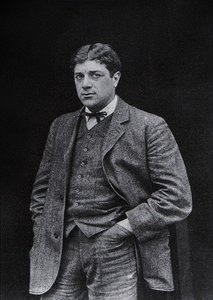
Georges Braque (1882-1963): En pionjär inom kubismen och fauvism! Utforska hans banbrytande konst, från 'Hus i L'Estaque' till innovativa collager. Ett mästerverk av modern fransk konst.
§ 3Kommentarer
Still Life with Glass Carafe and Phillips Ace – A Fragmented Reflection of Cubist Vision
Georges Braque’s “Still life with glass carafe and phillips ace,” painted in 1919, stands as a cornerstone of Synthetic Cubism—a movement that irrevocably altered the course of artistic expression. More than just an arrangement of objects; it's a deliberate challenge to traditional representation, embodying Braque’s pioneering exploration into the very nature of perception and visual experience. This artwork isn’t merely observed but actively interrogated by the viewer, inviting contemplation on how reality is perceived and reconstructed through artistic intervention.- Subject Matter & Composition: The scene presents a deceptively simple tableau—a glass carafe alongside what appears to be a pastry or cake—yet it's rendered with an unsettling disregard for conventional spatial conventions. Braque abandons perspective entirely, opting instead for a multi-faceted viewpoint that simultaneously depicts the objects from various angles. This fragmentation isn’t accidental; it reflects Cubist principles of dissecting forms into geometric components and presenting them in overlapping planes.
- Style & Technique: Synthetic Cubism distinguishes itself from Analytical Cubism by prioritizing color and texture alongside form. Braque employs oil paint applied in thin, translucent layers—a technique that allows for subtle tonal variations and imparts a remarkable sense of luminosity to the canvas. The resulting surface is remarkably smooth, minimizing visible brushstrokes and furthering the impression of flatness.
- Color Palette & Lighting: The subdued color palette—primarily grays, browns, whites, and muted greens and blues—contributes significantly to the painting’s contemplative mood. Braque deliberately eschews vibrant hues, prioritizing tonal harmony over visual excitement. Diffused lighting reinforces this effect, eliminating harsh shadows and highlighting the interplay of light and reflection on the surfaces of the objects.
- Historical Context: Created during the turbulent years following World War I, “Still life with glass carafe and phillips ace” embodies the broader artistic anxieties of the era. Cubism emerged as a reaction against Impressionism’s focus on capturing fleeting moments of sensory experience, asserting instead an intellectual engagement with visual reality—a desire to represent not what is seen but how it is perceived.
- Symbolism & Emotional Impact: While devoid of overt symbolic references, the artwork speaks powerfully to themes of fragmentation and reconstitution. The fractured depiction of the objects mirrors the psychological impact of trauma and loss experienced by artists and audiences alike—a reflection on the instability inherent in human consciousness. Ultimately, Braque’s masterpiece compels us to reconsider our assumptions about representation and invites a deeper appreciation for the transformative potential of art.
Frågor och svar
Varför är upphovsrättsläget för "Still life with glass carafe and phillips ace" som det är?
Upphovsrättsläget för "Still life with glass carafe and phillips ace" - fortfarande skyddat av upphovsrätt - baseras på konstnärens dödsår 1963.
Vad rekommenderas för användning av ett tryck av "Still life with glass carafe and phillips ace"?
En reproduktion av "Still life with glass carafe and phillips ace" av Georges Braque rekommenderas för Accent. Detta förslag grundar sig på verkets motiv, stämning och färger.
Hur beskrivs färgpaletten i "Still life with glass carafe and phillips ace" av Georges Braque?
Färgpaletten i "Still life with glass carafe and phillips ace" av Georges Braque beskrivs som Earthy. Det är en kortfattad beskrivning av verkets färger.


 Byt till tryck


 För konstverk eller reproduktioner som är större än 105 cm (cirka 41 tum) på någon sida, levereras ramen som ett isärplockat kit. Denna metod säkerställer en trygg leverans och förhindrar skador under transport.


