


 Visa i rummet
 Skicka
 Dela
Dela
 Detaljer
 Guide
Guide

 Ladda ner
 Liknande objekt
 Röntgen
 Bildspel
 Besökstatistik
En Gondol på Elben nära Dresden
 Akryl på duk
- Väggkonst
- Romantic Landscape Painting
 1827
1827 29.0 x 22.0 cm
 Museum Kunstpalast
 Läs mer
Handgjord oljereproduktion
Handmålad olja på duk i din valda storlek och ram, tillverkad efter beställning av våra konstnärer. ( Byt till tryckta exemplar Byt till digital bildförsäljning)




P118B $10

P118H $10

P118W $10

P438Z $10

P508JH $12

P508YH $12

P805H $10

P805Z $10

P919BZ $10

P919G $10

P919XJ $10

P959ZH $10

P968JZ $12

W106C $8

W218G $10

W218JH $8

W218Y $10

W307PJ $10

W316G $10

W316PJ $8

W316Y $10

W398PJ $8

W4111J $10

W500HY $15

W500JH $15

W692G $12

W849H $8

W940BG $15

W953PJ $8




Välj bland våra förinställda storlekar som motsvarar konstverkets ursprungliga proportioner.

Du kan ange egna mått för att passa en specifik ram eller yta. Om den valda storleken inte matchar originalbildens proportioner kommer vi antingen att beskära konstverket eller utöka målningen med ytterligare handmålade element. En digital skiss skickas till dig för godkännande innan produktionen påbörjas.
Observera att förhandsvisningen på skärmen inte återspeglar den faktiska beskärningen eller utökningen. Endast skissen visar den slutgiltiga kompositionen korrekt.
Även om anpassade storlekar är möjliga, rekommenderar vi att du väljer en dimension från den fördefinierade listan för att bevara originalproportionerna.
Efter beställning kommer AllPaintingsStore.com team att mejla kunden för instruktioner och tillhandahålla en skissförhandsvisning
Leverans över hela världen () på 3–4 veckor istället för standard 5 veckor. (24 september). Inga kompromisser med kvaliteten.

Fri expressfrakt över hela världen

Högkvalitativ linnecanvas

Fullständig fraktförsäkring

Garantier för återbetalning av tullavgifter

Garantier för exakt färgåtergivning

100 dagars returrätt vid fabrikationsfel

100% pengarna tillbaka-garanti

Mängdrabatt erbjuds
 Glasalternativet är endast tillgängligt i storlekar under 110 cm.

En Gondol på Elben nära Dresden
Tryckteknik
Reproduktionsstorlek
-


Totalpris
$ 258
Carl Gustav Carus och Gondolen vid Elben
Carl Gustav Carus (1789–1869) var en verkligt mångsidig konstnär och vetenskapsman som präglade den romantiska tyska kulturen. Han föddes i Leipzig och utbildades först inom matematik och naturvetenskap, vilket senare skulle påverka hans konstnärliga vision på ett djupgående sätt. Hans akademiska resa inkluderade studier vid Jena Universitet tillsammans med Johann Wolfgang Goethe, där han absorberade de romantiska idéerna om sublim skönhet och kontemplation av naturen – en atmosfär som också skulle inspirera hans samarbeten med Caspar David Friedrich. Detta samarbete är särskilt betydelsefullt eftersom det visar hur konst och vetenskap kunde mötas och främjas under denna tidsepok.En Bild av Kontemplation och Naturens Styrka
Carus’ målning ”A Gondola on the Elbe near Dresden” fångar perfekt essensen av romantiken: ett lugnt ögonblick av reflektion inför den majestätiska Elbenfloden och dess omgivande landskap. Figuren på båten är placerad strategiskt för att skapa en känsla av djup och perspektiv, vilket förstärks ytterligare av de mjuka skuggorna och den atmosfäriska användningen av ljus och färg. Detta är inte bara ett tekniskt briljant verk utan också ett uttryck för en filosofi där naturen ses som källa till inspiration och självförståelse – något som Friedrich också utforskade intensivt.Teknik och Färgschema: Ett Fördjupande Ögonblick
Carus använde sig av olja på duk, vilket är ett vanligt teknikval för landskapsmålningar under denna period. Han var särskilt skicklig på att skapa atmosfär genom användningen av ljus och färg, vilket är tydligt synligt i målningens mjuka toner och subtila nyanser. Färgschemat är dominerat av gröna och blå färger som återspeglar Elbenflodens vatten och omgivande vegetation – färger som också används för att skapa en känsla av lugn och harmoni. Detta noggrant genomförda tekniska arbete bidrar till målningens övergripande estetiska kvalitet och förmåga att väcka känslor hos betraktaren.Historisk Kontext och Filosofisk Inspiration
Målningen skapades år 1827 och är ett produkt av den romantiska rörelsens blomstringstid i Tyskland. Detta var en tid präglad av intensiv filosofisk diskussion om människans plats i världen och förhållandet till naturen – idéer som Carus själv delade med Goethe och Friedrich. ”A Gondola on the Elbe near Dresden” kan ses som ett svar på dessa frågor, där konstnären försöker förmedla en känsla av förundran inför naturens skönhet och komplexitet samt behovet av kontemplation och självreflektion. Detta är inte bara ett vackert landskap utan också ett verk som väcker viktiga filosofiska frågor om mänsklig existens.Symbolism och Emotionell Påverkan
Den upphöjda hållningen på båten och hans uppsträckta händer kan tolkas som ett uttryck för människans längtan efter något större än sig själv – en önskan att nå kontakt med det gudomliga eller det sublima. Gondolen själv är ett klassiskt romantiskt motiv som ofta användes för att förmedla idéer om enkelhet, elegans och kontemplation av naturen. Målningen väcker känslor av lugn, förundran och kanske till och med lite längtan efter något bortom vardagens rutin – vilket gör den till ett perfekt verk för att skapa en atmosfär av harmoni och inspiration i hemmet.Liknande konstverk


Om konstnären
The Polymath of the Romantic Soul
Carl Gustav Carus stands as a singular, luminous figure in the tapestry of German history, a man whose intellect refused to be confined by the boundaries of a single discipline. Born in Leipzig in 1789, Carus was far more than a mere painter; he was a true polymath, navigating the intricate intersections of medicine, botany, geology, and psychology with equal mastery. His life unfolded during an era of profound intellectual ferment, a time when the scientific rigor of the Enlightenment began to dance with the emotional depth of Romanticism. To look upon a Carus landscape is to witness more than just scenery; it is to see the world through the eyes of a scientist who found the divine in the anatomical precision of a leaf and the spiritual sublime in the shifting mists of a riverbank.
His early education in Leipzig provided him with a formidable foundation in mathematics and the natural sciences, disciplines that would forever inform his artistic eye. This scientific grounding allowed him to approach the canvas with a unique clarity, observing the physical world not just as a subject for beauty, but as a complex, living organism. As he moved toward Jena University, he found himself immersed in the philosophical currents of his time, studying alongside the legendary Goethe. This connection was pivotal, as it placed Carus at the very heart of the German Romantic movement, where the contemplation of nature served as a gateway to understanding the human psyche and the infinite mysteries of the universe.
A Symbiosis of Science and Artistry
While his brush captured the ethereal, his hands practiced the healing arts. Carus established a distinguished medical career in Dresden, serving as a Professor of Obstetrics and the Director of the Maternity Clinic. This dual identity—physician and artist—created a fascinating tension in his work. His deep understanding of human anatomy and physiology lent an unparalleled realism to his depictions of the natural world; he understood the structural integrity of a tree trunk and the delicate translucency of light through fog as intimately as he understood the pulse of a living patient. This meticulous observation allowed him to bridge the gap between the tangible, physical reality of nature and its intangible, emotional resonance.
The trajectory of his artistic development was profoundly shaped by his close friendship and collaboration with Caspar David Friedrich. Together, these two masters of German Romanticism explored the concept of the sublime—that overwhelming sense of awe and terror inspired by the vastness of nature. While Friedrich often focused on the spiritual isolation of the individual, Carus brought a unique atmospheric precision to the movement. His works, such as the hauntingly beautiful Gothic Windows in the Ruins of the Monastery at Oybin, utilize light and shadow to evoke a sense of historical weight and melancholic beauty, capturing the way ruins become part of the organic landscape over time.
Legacy of Light and Thought
The enduring significance of Carl Gustav Carus lies in his ability to synthesize seemingly disparate worlds. His paintings are not merely static images but are imbued with a psychological depth that foreshadowed much of modern thought. His explorations into the relationship between the external environment and internal perception have drawn comparisons to the later psychological insights of figures like Carl Jung, and his scientific observations contributed to the broader intellectual climate that influenced Charles Darwin. He saw no conflict between the empirical study of the earth and the poetic interpretation of its beauty.
Even in his more tranquil compositions, such as Morning Fog or A Gondola on the Elbe near Dresden, one can sense this profound harmony. In these works, the subtle gradations of color and the soft, ethereal light evoke a sense of peace and cosmic connection. Carus leaves behind a legacy that challenges us to view the world with both a keen, analytical eye and an open, feeling heart. He remains a testament to the idea that true understanding comes from the marriage of observation and imagination, making him one of the most intellectually complete artists to ever grace the Romantic era.

Carl Gustav Carus
1789 - 1869 , Germany
Snabbfakta
- Artistic Movement Or Style: Romanticism
- Artists Or Movements Influenced By This Artist: ['Jung']
- Artists Who Influenced This Artist: ['Caspar David Friedrich']
- Date Of Birth: January 3, 1789
- Date Of Death: July 28, 1869
- Full Name: Carl Gustav Carus
- Nationality: German
- Notable Artworks:
- Morning Fog
- Gothic Windows in the Ruins of the Monastery at Oybin
- Oaks at the Sea Shore
- Place Of Birth: Leipzig, Germany
Relaterade artiklar

The Sublime and the Picturesque: Exploring Emotion & Nature in Romantic Landscape Painting
Explore the emotional power of Romantic landscape painting! Discover the sublime & picturesque traditions, key artists like Friedrich & Cole, and find your perfect artwork at AllPaintingsStore.
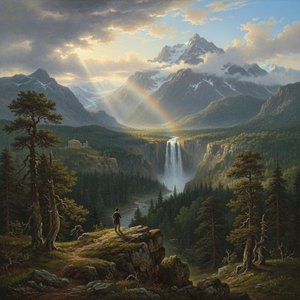
Evoking Nature's Sublime: A Comprehensive Exploration of 19th-Century Landscape Painting
Explore the captivating world of 19th-century landscape painting! Discover renowned artists like Friedrich & Monet, key movements, and find the perfect artwork to bring nature's serenity into your home. Expert insights at AllPaintingsStore.

Romantiska landskap: Topp 10 mästerverk som definierade en epok – AllPaintingsStore.se
Utforska de 10 mest ikoniska mästerverken inom romantisk landskapsmålning! Lär känna Caspar David Friedrich, Turner & andra. Hitta inspiration och köp museumkvalitativa konsttryck på AllPaintingsStore.com.
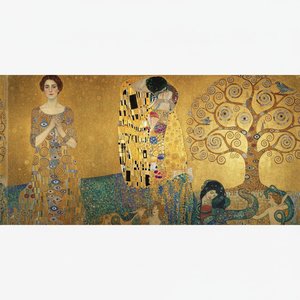
Gustav Klimts 25 Mästerverk: En Konstresa för Hemmet & Själens Frid
Utforska Gustav Klimts 25 mest ikoniska målningar! Fördjupa dig i symbolik, Art Nouveau och den gyllene fasen. Hitta inspiration för din heminredning & köp museumkvalitativa reproduktioner på AllPaintingsStore.com.

Evocations of Place: A Historical Journey Through Landscape Art
Explore the rich history of landscape art with AllPaintingsStore. Discover renowned artists, movements like Impressionism & Romanticism, and expert guidance for collecting timeless pieces. Find your perfect serene escape today!


