


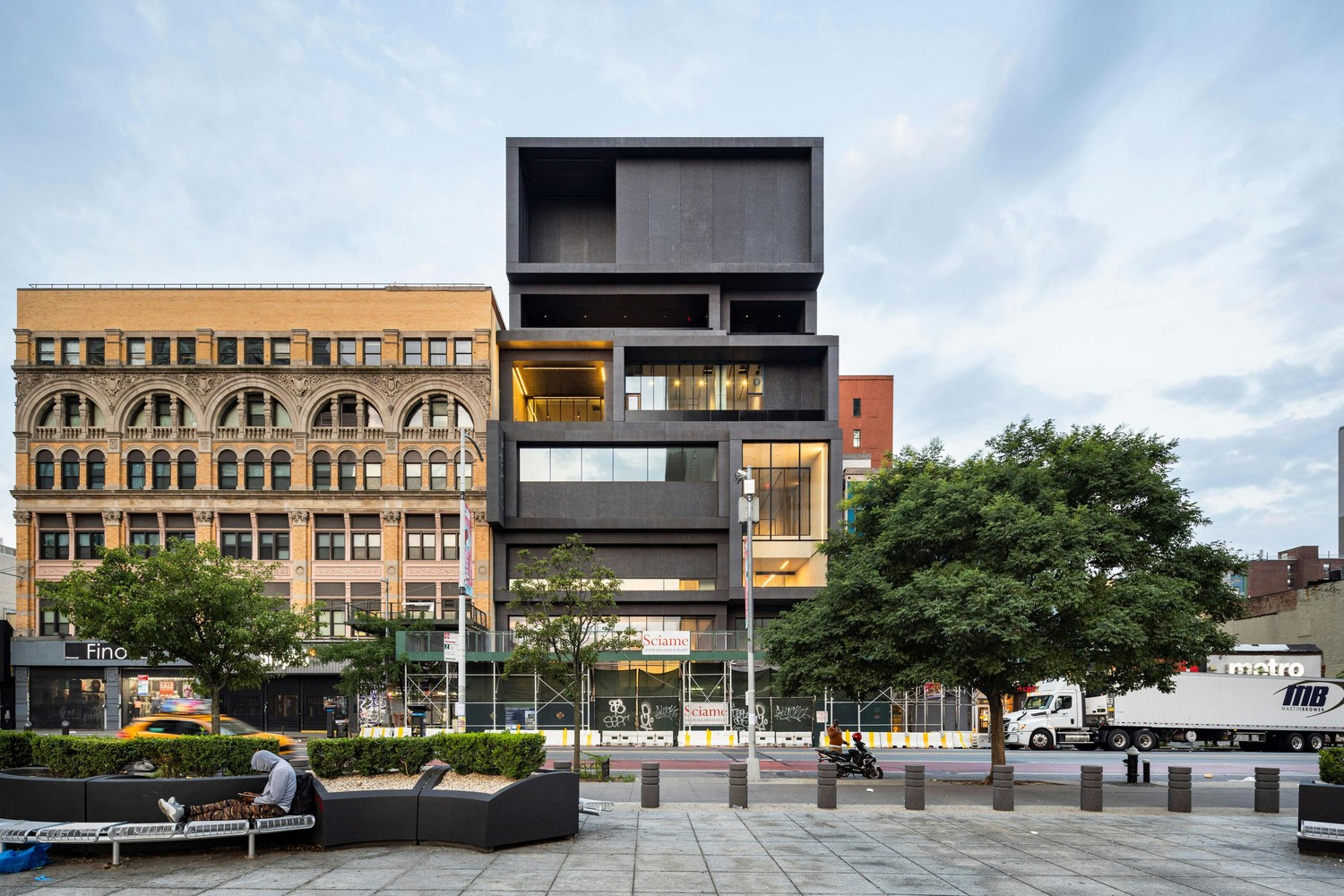


En Beacon of Black Art: The Studio Museum in Harlem
The Studio Museum in Harlem stands as more than just an art institution; it’s been a vital cultural force, actively shaping the narrative of American art itself. Founded in 1968, amidst a period of profound social and political upheaval, the museum arose from a critical need – to provide dedicated space for Black artists whose voices had historically been marginalized within mainstream institutions. What began as a modest loft on Fifth Avenue quickly blossomed into a powerful presence, fueled by an unwavering commitment to community engagement, artist development, and rigorous scholarly research. From Loft Space to Architectural Vision
The museum’s physical evolution mirrors its growing influence. From those initial humble beginnings, it moved to its current location at 144 West 125th Street in 1982, establishing itself as an anchor within the vibrant heart of Harlem. However, this story didn't end there. Recognizing the need for expanded space and enhanced facilities, a bold new chapter began with the demolition of the existing building in the 2020s. The forthcoming structure, designed by the renowned architect Sir David Adjaye (before his departure from the project), promises to be more than just a museum; it will be a dynamic cultural hub, symbolizing the institution’s unwavering commitment to accessibility and its future growth. The design thoughtfully incorporates elements inspired by Harlem's architectural landscape – the energy of the street, the theatricality of performance spaces, and the serenity of local houses of worship – creating an environment that is both inspiring and deeply rooted in community. The planned “inverted” stoop, a central gathering space, embodies this ethos, inviting dialogue and connection, serving as a welcoming threshold for all who enter.
A Legacy of Artistic Innovation
The Studio Museum’s collection is remarkably diverse, encompassing painting, sculpture, photography, video, and mixed-media works that explore the multifaceted experiences of African Americans and the African diaspora. Notable pieces often challenge conventional artistic boundaries, reflecting a spirit of experimentation and innovation. The museum's commitment extends beyond simply exhibiting established masters; it actively champions emerging talent through its celebrated Artist-in-Residence program. Since its inception, this program has nurtured over one hundred artists, providing them with invaluable studio space, mentorship, and opportunities to showcase their work. Many alumni have gone on to achieve national and international acclaim, solidifying the Studio Museum’s reputation as a breeding ground for artistic excellence.
More Than Just an Exhibition Space
What truly sets The Studio Museum in Harlem apart is its unwavering commitment to community engagement. It’s not a passive space for viewing art; it’s a dynamic forum for dialogue, learning, and social change. Lectures, panel discussions, performances, and interpretive programs are integral components of the museum experience, fostering critical thinking and promoting cultural understanding. The museum actively collaborates with local residents and organizations, ensuring that its programming remains relevant and responsive to the needs of the community it serves. This dedication extends to educational outreach initiatives for students and teachers, cultivating a new generation of art enthusiasts and informed citizens.
A Future Forged in Creativity
As anticipation builds for the grand reopening on November 15, 2025, The Studio Museum in Harlem stands poised to embark on a new era of artistic leadership. It remains steadfast in its mission: to celebrate the creativity and resilience of Black communities worldwide, to amplify marginalized voices, and to challenge conventional notions of art and culture. It is a place where history is honored, present-day realities are confronted, and future possibilities are imagined – a beacon of inspiration for artists, scholars, and anyone seeking a deeper understanding of the human experience. The museum’s continued evolution promises not only to preserve its legacy but also to expand its reach, ensuring that the power of Black art continues to resonate for generations to come.
Notable Exhibitions:
- “Rodney McMillian: Views of Main Street” (2016)
- “Artists in Residence 2014–2015”
- “Charles Gaines: Gridwork 1974–1989”
- “Julie Mehretu”
Architectural Significance:
- The building’s design incorporates elements inspired by Harlem's architectural landscape – the energy of the street, the theatricality of performance spaces, and the serenity of local houses of worship.





