


 Önizleme yap
 Paylaş
 Paylaş
 Detayları Gör
 Rehber

 İndir
İndir
 Benzerlerini gör
 X-Işını
 Slayt Gösterisi
 İstatistikler
The Massacre of the Innocents
 Oil On Canvas
- WallArt
- Early Baroque
 1582
1582 422.0 x 546.0 cm
 Scuola Grande di San Rocco
 Tümünü Gör
El Yapımı Yağlı Boya Reproduksiyon
Sanatçılarımız tarafından sipariş üzerine hazırlanan; istediğiniz boyut ve çerçevede, tuval üzerine el boyaması yağlı boya. ( Baskı Moduna Geç Dijital Görsele Geç)




P118B $10

P118H $10

P118W $10

P438Z $10

P508JH $12

P508YH $12

P805H $10

P805Z $10

P919BZ $10

P919G $10

P919XJ $10

P959ZH $10

P968JZ $12

W106C $8

W218G $10

W218JH $8

W218Y $10

W307PJ $10

W316G $10

W316PJ $8

W316Y $10

W398PJ $8

W4111J $10

W500HY $15

W500JH $15

W692G $12

W849H $8

W940BG $15

W953PJ $8




Eserin orijinal oranlarıyla uyumlu, önceden belirlenmiş boyutlarımız arasından seçim yapın.

Belirli bir çerçeveye veya alana uyması için kendi boyutlarınızı girebilirsiniz. Seçtiğiniz boyut orijinal görüntünün oranlarıyla eşleşmiyorsa, sanat eserini kırparak veya ek el boyaması öğelerle resmi uzatarak ayarlayacağız. Üretim başlamadan önce onayınız için dijital bir taslak gönderilecektir.
Lütfen ekrandaki önizlemenin gerçek kırpmayı veya uzatmayı yansıtmadığını unutmayın. Nihai kompozisyonu yalnızca hazırlanan taslak doğru şekilde gösterecektir.
Özel boyutlar mevcut olsa da, orijinal oranları korumak adına önceden tanımlanmış listeden bir boyut seçmenizi öneririz.
Siparişten sonra, AllPaintingsStore.com ekibi talimatlar için müşteriye e-posta gönderecek ve bir taslak önizleme sunacaktır
Dünya Çapında Teslimat (); standart 5 hafta yerine 3/4 haftada. (21 Eylül). Kaliteden ödün verilmez.

Dünya Çapında Ücretsiz Ekspres Kargo

Yüksek Kaliteli Keten Tuval

Tam Kapsamlı Nakliye Sigortası

Gümrük Vergisi İade Garantisi

Gerçek Renk Uyumu Garantisi

100 Günlük İade Politikası (Sadece Kusurlu Ürünler İçin)

%100 Para İade Garantisi

Toplu Alım İndirimi
 Cam seçeneği yalnızca 110 cm altındaki boyutlar için mevcuttur.

The Massacre of the Innocents
Reproduksiyon Tekniği
Reproduksiyon Boyutu
-


Toplam Tutar
$ 258
A Descent Into Darkness: Tintoretto’s “The Massacre of the Innocents”
Jacopo Tintoretto's "The Massacre of the Innocents," completed in 1582, isn’t merely a depiction of a biblical tragedy; it’s a visceral plunge into chaos and despair. This monumental oil on canvas, measuring an impressive 422 x 546 cm, commands attention not just for its scale but for the sheer drama Tintoretto unleashes upon the viewer. The painting transports us to a scene of unimaginable horror – the brutal slaying of infant children by soldiers, a chilling premonition of the future suffering of Jesus Christ. It’s a work that speaks volumes about the anxieties and moral complexities of the late Renaissance, reflecting a period grappling with religious upheaval and political instability.
Tintoretto's Venetian style is immediately recognizable in this piece. He eschews the smooth, polished surfaces favored by his contemporaries, opting instead for a deliberately rough, almost impastoed application of paint. Thick layers of pigment create a sense of immediacy and movement, as if the scene is unfolding before our very eyes. The lighting, a hallmark of Tintoretto’s genius, is dramatically theatrical. A single, unseen light source floods the room, casting deep shadows that heighten the horror and emphasizing the vulnerability of the victims. He masterfully manipulates chiaroscuro – the stark contrast between light and dark – to draw our attention to key figures and amplify the emotional impact of the massacre.
The Anatomy of Agony: Composition and Technique
The composition itself is a carefully orchestrated vortex of violence. Tintoretto employs a dynamic, diagonal arrangement, pulling the viewer into the heart of the carnage. The bodies are strewn across the floor and walls, creating a claustrophobic sense of confinement. Notice how he doesn’t shy away from depicting the brutality – severed limbs, bloodied clothing, and expressions of terror are all rendered with unflinching realism. Yet, amidst this chaos, there's an underlying structure; figures are grouped in clusters, guiding our eye through the scene. The use of foreshortening—the technique of representing objects as they appear to be seen from a point further away than the picture plane—adds to the illusion of depth and intensifies the drama.
- Foreground Figures: The central focus is on the mother, Mary, in a state of profound grief, reaching out towards her fallen son. Her posture and expression are heartbreakingly poignant, embodying universal maternal sorrow.
- Midground Action: Soldiers, clad in armor, relentlessly carry out their gruesome task. Their faces are often obscured by shadows, contributing to the sense of anonymity and dehumanization of violence.
- Background Details: The dining room setting—a table laden with food, a partially visible doorway—provides a stark contrast to the horror unfolding before us, underscoring the normalcy that has been brutally disrupted.
Symbolism and Spiritual Weight
Beyond its immediate depiction of violence, “The Massacre of the Innocents” is rich in symbolic meaning. The massacre itself represents a prefiguration of Christ’s crucifixion, highlighting the theme of sacrifice and redemption central to Christian theology. The infants symbolize innocence and vulnerability, tragically extinguished by human cruelty. The act of killing them foreshadows the suffering endured by Jesus, emphasizing his role as the ultimate sacrificial lamb. Furthermore, the painting can be interpreted as a broader commentary on political corruption and injustice – a critique of the Roman Empire’s brutality and disregard for human life.
Tintoretto's choice to depict this specific event, rather than a more familiar biblical narrative, suggests a deliberate engagement with contemporary anxieties. The painting reflects the turbulent political climate of Venice at the time, where religious tensions were high and the city was frequently embroiled in conflict. The scene’s raw emotional power continues to resonate today, reminding us of the enduring consequences of violence and the importance of protecting the innocent.
Bringing Tintoretto Home: A Reproduction for Your Space
AllPaintingsStore offers meticulously crafted hand-painted reproductions of “The Massacre of the Innocents,” allowing you to experience the power and drama of this iconic masterpiece in your own home. Our artists replicate Tintoretto’s masterful technique, capturing the rich colors, dynamic composition, and theatrical lighting with exceptional accuracy. Whether you're an art enthusiast, a collector seeking to expand your collection, or simply someone drawn to powerful imagery, our reproduction provides a stunning tribute to one of Venice’s greatest artistic treasures. Consider how this monumental work will transform your space – injecting it with a sense of history, emotion, and timeless beauty. Explore our high-resolution reproductions today and bring the intensity of Tintoretto's vision into your world.
Benzer Eserler


Sanatçı Özgeçmişi
Venedik’in Dramatik Işıltısı: Tintoretto (Jacopo Comin)
Jacopo Tintoretto, asıl adı Jacopo Robusti olarak bilinen ve 1518'de Venedik'te doğan bu dahi sanatçı, Rönesans ve erken Barok dönemlerinin en büyüleyici ve gizemli figürlerinden biridir. “Tintoretto” lakabı – babasının mesleği olan kumaş boyamacılığına (İtalyanca *tintore*) atıfta bulunur – ancak onu diğer tüm sanatçılardan ayıran muazzam sanatsal yeteneği gölgede bırakır. Birçok sanatçı, yapılandırılmış çıraklıklardan faydalandığı gibi, Tintoretto’nun yolu büyük ölçüde kendi kendine yönlendirilmişti; doyumsuz bir merak ve yenilik için amansız bir arzuyla beslenen bir yolculuktu. Hesaplara göre, Venedik renkçiliğinin tanınmış ustası Titian'in atölyesinde kısa ve başarısız bir dönem geçirmiş olsa da, bu deneyim daha çok tartışmalı olmaktan ziyade biçimlendirici görünmemiştir. Titian’in genç Jacopo’yu kıskançlık veya sanatsal anlaşmazlık nedeniyle reddetmesi, Tintoretto'yu cüretkar denemeler ve eşsiz bir dinamik tarzla karakterize edilen bağımsız bir yola yönlendirmiştir. Kendisini anatomi çalışmalarına adadı – söylentilere göre diseksiyon yoluyla – ve becerilerini klasik heykelleri ve diğer ustaların eserlerini titizlikle kopyalayarak geliştirdi. Bu özveri, kariyerinin onu tüm Venedik resmini yeniden tanımlayacak bir temeli oluşturmuştur.“Öfkeli Jacopo”: Kendine Özgü Bir Tarzın Yükselişi
Tintoretto’nun sanatsal gelişimi, neredeyse ateşli bir enerjiyle işaretlenmişti ve bu da ona “*Il Furioso*” – “Öfkeli Adam” anlamına gelen başka etkileyici bir lakap kazandırmıştı. Bu niteleme sadece çalışma temposunu tanımlamakla kalmadı, aynı zamanda tuvallerini işgal eden yoğunluğu ve duygusal yüklülüğü da yakaladı. Erken dönem eserleri bile zaten geleneksel Venedik normlarından bir kopuşu işaret ediyordu. Renk konusunda Titian’ın etkisini kabul ederken Tintoretto, Michelangelo’nun güçlü figürlerine ve dramatik kompozisyonlarına yöneldi. Bu etkileri tamamen yeni bir şeye sentezledi: uzamış formlar, girdaplı drapeler ve sıklıkla göz kamaştırıcı derinlik ve hareket hissi yaratan yenilikçi bir perspektifle karakterize edilen bir tarz. Çağdaşlarının tercih ettiği titiz bitişi terk ederek bunun yerine anlık ve ham duyguyu ileten hızlı, neredeyse eskiz benzeri bir fırça darbesini tercih etti. Bu teknik, *chiaroscuro* olarak bilinen ışık ve gölge manipülasyonuyla birlikte, emsalsiz dram ve psikolojik yoğunluğa sahip sahneler yaratmasına olanak sağladı. Sadece olayları tasvir etmiyor; duygusal özünü aktarıyordu.San Rocco ve Ötesinde: Anıt Eserler
Jacopo Tintoretto’nun üretken çıktısı onlarca yılı kapsadı ve dini anlatıları, tarihi alegorileri ve portreleri içeriyordu. Ancak en önemli başarısı, Saint Roch Kardeşliğine adanmış bir Venedik kardeşliğe ait olan Scuola Grande di San Rocco için yarattığı resim döngüsünde yatmaktadır. Elli yıldan fazla bir süre boyunca Tintoretto, Scuola’nın salonlarını altı yüzden fazla tuvalle süsleyerek onu inanç ve insan deneyimine büyüleyici bir görsel destana dönüştürdü. Kariyerinin sonlarında tamamlanan “Son Akşam Yemeği” gibi eserler, perspektif ve kompozisyonla olan sürekli denemelerini gösterir. Geleneksel tasvirlerden ayrılan Tintoretto, sahneyi dramatik bir şekilde aydınlatılmış, mimari olarak istikrarsız bir uzayda yerleştirdi ve İsa’nın öğrencileriyle son yemeğinin duygusal sıkıntısını vurguladı. “Köleleri Kurtaran Aziz Mark'ın Mucizesi” gibi diğer önemli eserler, dinamik kompozisyon ve perspektifin güçlü bir göstergesidir ve Venedik kiliseleri ve sarayları için duvar resimleri, ölçek ve anlatı hikaye anlatma ustalığını sergiler. Bu anıt projeler, Tintoretto’nun Venedik’in en önemli sanatçılarından biri olarak ününü pekiştirdi.Mirası ve Tarihi Önemi
Jacopo Tintoretto 1594'te Venedik'te öldü ve arkasında geniş ve etkili bir eser bıraktı. Rönesans ile Barok dönemleri arasında bir köprü kurdu ve sonuncusunu tanımlayacak birçok stilistik yeniliği öngördü. Dramatik kompozisyonları, ifade edici fırça darbeleri ve ışık ve gölgenin yenilikçi kullanımı Caravaggio, Rembrandt ve Delacroix gibi sanatçıları derinden etkiledi. Sadece bir ressam değil; duyguyu uyandırmak ve hayranlık uyandırmak için sanatı kullanma gücünü anlayan görsel bir hikaye anlatıcısıydı. Titian ve Paolo Veronese ile birlikte 16th yüzyılın Venedik’in altın çağı boyunca sanat manzarasını şekillendirmede önemli rol oynayan üç büyük Venedikli ressamdan biri olarak, Tintoretto'nun mirası sanatsal yeniliğin kalıcı gücünün ve insan yaratıcılığının dönüştürücü potansiyelinin bir kanıtıdır. Eserleri, zamanın ruhunu yansıtan ve günümüz izleyicileriyle yankılanan zamansız bir sanatsal ifade örneğidir.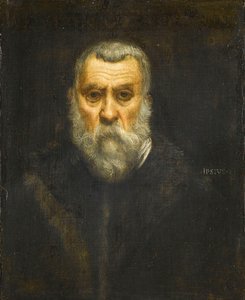
Tintoretto
1518 - 1594 , İtalya
Kısa Bilgiler
- Artistic Movement Or Style: Baroque
- Artists Who Influenced This Artist:
- Titian
- Michelangelo
- Date Of Birth: 1518
- Full Name: Jacopo Tintoretto
- Nationality: İtalyan
- Notable Artworks:
- Son Bakış
- Sonraki Öğrencileri
- Saint Mark Miracülü
- Place Of Birth: Venice, Italy
İlgili Makaleler

Barok Draması: Çağdaş İç Mekanlara Görkem ve Duygu Katmak
Barok sanatının görkemini evinize taşıyın! AllPaintingsStore'ta el yapımı tablolar, uzman sanat danışmanlığı ve özel siparişlerle iç mekanlarınıza zarafet katıyoruz. Chiaroscuro tekniğiyle hayat bulan eserlerimizi keşfedin.

The Enduring Power of Painting: A Historical & Contemporary Exploration of Form and Emotion
Explore the rich history & enduring techniques of oil painting with AllPaintingsStore. Discover masterpieces, learn about art collecting, and find authentic handmade reproductions crafted by skilled artists.

Venetian Renaissance: The Mastery of Color, Light, and the Art of Colorito
Explore the luminous mastery of the Venetian Renaissance. Discover how masters like Titian and Giorgione revolutionized art through colorito, light, and atmosphere. An expert guide to the golden age of Italian painting for collectors and enthusiasts.

The Golden Light of Innovation: Exploring the Venetian Renaissance Art Movement (1430–1580)
Explore the Golden Age of Venetian art (1430–1580). Discover Giorgione, Titian & Tintoretto's techniques, the 'colorito' revolution, and lasting influence. Expert insights for collectors & enthusiasts.

Jacopo Tintoretto'nun En İyi 25 Eseri: Venedik Rönesansı'nın Dramatik Dehası | AllPaintingsStore
Jacopo Tintoretto'nun en iyi 25 eserini keşfedin! Venedik Rönesansı'nın dramatik dehasının ardındaki hikayeleri, teknikleri ve renk paletlerini öğrenin. Ev dekorasyonunuz için lüks sanat baskıları AllPaintingsStore'ta. Koleksiyonu şimdi keşfedin!


