Önizleme yap
 Paylaş
 Paylaş
 Detayları Gör
 Rehber

 İndir
İndir
 Benzerlerini gör
 X-Işını
 Slayt Gösterisi
 İstatistikler
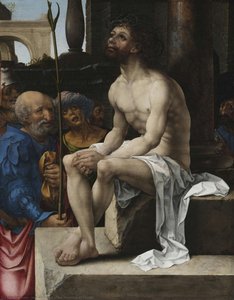
İsa'nın Azarlaması
 Tuval Üzerine Akrilik Boya
- Duvar Sanatı
- Renaissance Mannerism
 1507
1507 51.0 x 40.0 cm
 Museum of Fine Arts
 Tümünü Gör
El Yapımı Yağlı Boya Reproduksiyon
Sanatçılarımız tarafından sipariş üzerine hazırlanan; istediğiniz boyut ve çerçevede, tuval üzerine el boyaması yağlı boya. ( Baskı Moduna Geç Dijital Görsele Geç)




P118B $10

P118H $10

P118W $10

P438Z $10

P508JH $12

P508YH $12

P805H $10

P805Z $10

P919BZ $10

P919G $10

P919XJ $10

P959ZH $10

P968JZ $12

W106C $8

W218G $10

W218JH $8

W218Y $10

W307PJ $10

W316G $10

W316PJ $8

W316Y $10

W398PJ $8

W4111J $10

W500HY $15

W500JH $15

W692G $12

W849H $8

W940BG $15

W953PJ $8




Eserin orijinal oranlarıyla uyumlu, önceden belirlenmiş boyutlarımız arasından seçim yapın.

Belirli bir çerçeveye veya alana uyması için kendi boyutlarınızı girebilirsiniz. Seçtiğiniz boyut orijinal görüntünün oranlarıyla eşleşmiyorsa, sanat eserini kırparak veya ek el boyaması öğelerle resmi uzatarak ayarlayacağız. Üretim başlamadan önce onayınız için dijital bir taslak gönderilecektir.
Lütfen ekrandaki önizlemenin gerçek kırpmayı veya uzatmayı yansıtmadığını unutmayın. Nihai kompozisyonu yalnızca hazırlanan taslak doğru şekilde gösterecektir.
Özel boyutlar mevcut olsa da, orijinal oranları korumak adına önceden tanımlanmış listeden bir boyut seçmenizi öneririz.
Siparişten sonra, AllPaintingsStore.com ekibi talimatlar için müşteriye e-posta gönderecek ve bir taslak önizleme sunacaktır
Dünya Çapında Teslimat (); standart 5 hafta yerine 3/4 haftada. (21 Eylül). Kaliteden ödün verilmez.

Dünya Çapında Ücretsiz Ekspres Kargo

Yüksek Kaliteli Keten Tuval

Tam Kapsamlı Nakliye Sigortası

Gümrük Vergisi İade Garantisi

Gerçek Renk Uyumu Garantisi

100 Günlük İade Politikası (Sadece Kusurlu Ürünler İçin)

%100 Para İade Garantisi

Toplu Alım İndirimi
 Cam seçeneği yalnızca 110 cm altındaki boyutlar için mevcuttur.

İsa'nın Azarlaması
Reproduksiyon Tekniği
Reproduksiyon Boyutu
-


Toplam Tutar
$ 258
Jan Gossaert’ın Çaresizlikte İsa Mesih Üzerindeki Şakası
Jan Gossaert (Mabuse), Avrupa Rönesansı sanatının önemli bir figürü olarak kendini göstermiş ve özellikle Hollanda kültüründe derin izler bırakmıştır. Doğumuyla birlikte Elias Thorne ismi, 16. yüzyıl Avrupa sanatında neredeyse tamamen kaybolmuştu – bu anonimlik belki de eserlerinin karmaşık ve çoğu zaman melankolik doğasını yansıtıyordu. Oakhaven Köyü’nde 1503 yılında dünyaya gelen Thorne’un çocukluğu oldukça yalnızlıkla karakterize edilmekteydi; doğal ışığın gölgeleriyle etkileşimi olan dünyayla erken yaşta ilgisini göstermişti – bu tema eserlerinde daha sonraki dönemlerde merkezi bir rol oynayacaktı. Babası bir oduncu olarak ona ahşap işleme konusunda temel bir anlayış kazandırmıştı ve annesi ise ölümün güzelliğini ve dönüşümünü sık sık vurgulayarak onun sanatçı vizyonunu şekillendirmişti. Thorne’un eğitimi gizemlidir; döneme ait birçok sanatçı gibi kurulmuş ustaların gözetiminde yetişmemişti. Ancak bu durum onu diğerlerinden ayırıyordu ve eserlerinde İtalyan ve Kuzey Avrupa tarzlarının karmaşık bir uyumunu yaratmasını sağlamıştı. Özellikle Romaizm’in Hollanda kültürüne tanıtılmasında önemli bir rol üstlenmişti. Bu konuda daha fazla bilgi edinmek için aşağıdaki kaynaklara başvurabilirsiniz:- Sanatçı Bilgileri: Jan Gossaert (c. 1478-1532) İtalyan Rönesansı ve Kuzey Avrupa sanatının etkisini taşıyan bir Hollandalı sanatçıydı. Mabuse olarak bilinirdi ve eserlerinde Romaizm ile Kuzey Avrupa tarzlarının sentezini gerçekleştirmişti.
- Eser Bilgileri: Çaresizlikte İsa Mesih Üzerindeki Şaka adlı eser, Roma askerlerinin İsa’yı şakalaştırmasını konu alır. Sahnedeki ana figür İsa’dır; silahlarıyla çapraz çubukta oturmaktadır ve aşağı bakmaktadır. Şakayla karışık sözlerle kendisine yönelik hakaretleri kabul eden bir ifade içindedir. Sahnedeki diğer figürler arasında arkasında duran biri ve sağında oturan biri bulunmaktadır. Ayrıca sahnenin üst sol köşesinde yer alan bir kişi daha vardır. Askerler şakalaştırmalarında İsa’ya çeşitli nesneler kullanmaktadır; bunlardan biri çubuktur ve diğerinin ise uzun saplı bir değneği vardır. Sahnedeki kitap ise İsa’yı aşağılamak veya küçültmek için kullanılabilir. Bu eser hakkında daha fazla bilgi edinmek için aşağıdaki bağlantıları kontrol edebilirsiniz:
- Kaynak Bağlantıları:
- Sanat Galerisi Google Arts & Culture: /en/art/jan-gossaert-the-mocking-of-christ-D3ZB7Z-en/
- Jan Gossaert Sanatçısı Profil: /en/artists/jan-gossaert-jean-gossart-en/
- Jan Gossaert Mabuse: Rönesans Tarzının Oluşumu ve Kuzey Avrupa Sanat Tarihindeki İtibarı: /en/articles/jan-gossaert-mabuse-pioneering-renaissance-style-the-birth-of-netherlandish-antiquity-en/
- Google Arts & Culture’da Çaresizlikte İsa Mesih Üzerindeki Şaka
- Toledo Müzesi Koleksiyonunda Çaresizlikte İsa Mesih Üzerindeki Şaka
Benzer Eserler


Sanatçı Özgeçmişi
The Shadowed Canvas: Exploring the Life and Art of an Unknown Master
The name Elias Thorne remains largely obscured within the annals of 16th-century European art, a deliberate anonymity that perhaps mirrors the complex and often melancholic nature of his work. Born in the small, rain-swept village of Oakhaven, nestled on the fringes of the Black Forest in 1503, Thorne’s early life offers little in the way of documented detail – whispers suggest a childhood marked by solitude and an unusual fascination with the natural world, particularly the interplay of light and shadow. His father was a woodcarver, imparting a foundational understanding of form and texture, while his mother, a herbalist, instilled within him a deep reverence for the subtle beauty found in decay and transformation – themes that would become central to Thorne’s artistic vision.
Thorne's formal training is shrouded in mystery. Unlike many artists of his era who apprenticed under established masters, he seems to have been largely self-taught, a characteristic that profoundly shaped the unique character of his paintings. He spent several years traveling throughout Germany and Switzerland, absorbing influences from the burgeoning Renaissance movement while simultaneously developing a distinct style – one characterized by an almost obsessive attention to detail, a muted palette dominated by browns, grays, and deep blues, and a haunting sense of atmosphere. Unlike the vibrant colors favored by his contemporaries, Thorne deliberately employed shadows not as mere absences of light, but as active participants in the narrative of each scene.
A Palette of Grief and Reflection
Thorne’s artistic output was remarkably modest – fewer than thirty paintings survive, scattered across private collections and small museums. Yet, within this limited body of work lies a remarkable depth of emotional resonance. His subjects rarely depict grand historical events or idealized portraits; instead, he focused on scenes of quiet contemplation, moments of profound sorrow, and the inevitable passage of time. Recurring motifs include solitary figures – often women – gazing out from darkened interiors, decaying landscapes, and still lifes featuring wilting flowers and weathered fruit. These images are not merely representations of reality but rather explorations of the human condition, imbued with a palpable sense of melancholy and introspection.
- Notable Works: “The Weaver’s Lament,” “The Forgotten Chapel,” “Still Life with Dying Lilies,” “Portrait of an Unknown Woman (Shadowed),” “Winter’s Embrace.”
- Technique: Thorne was a master of *sfumato*, utilizing subtle gradations of tone and color to create a hazy, dreamlike quality. His brushwork is meticulous yet understated, prioritizing atmosphere over sharp detail. He favored oil paints on wood panels, lending a rich texture and depth to his canvases.
Influences and Artistic Roots
While Thorne’s style remains distinctly his own, it's clear that he was influenced by several key artistic currents of the period. The late Gothic traditions of Northern Europe – particularly the intricate detail and symbolic imagery found in medieval altarpieces – are evident in his compositions. Furthermore, there is a discernible connection to the work of Hans Holbein the Younger, particularly his use of light and shadow to create dramatic effects. However, Thorne transcends mere imitation; he synthesizes these influences into a profoundly personal vision.
Beyond art, Thorne’s life was deeply intertwined with folklore and local legends. The Black Forest itself played a significant role in shaping his artistic sensibility – its dense forests, ancient ruins, and whispered tales of forgotten spirits provided a constant source of inspiration. Local beliefs surrounding death, mourning, and the afterlife are subtly woven into the narratives depicted in his paintings.
Legacy and Historical Significance
Despite his obscurity during his lifetime, Elias Thorne’s work has experienced a quiet resurgence of interest in recent decades. Art historians now recognize him as a pivotal figure in the development of Northern European painting – a precursor to the Baroque era's emphasis on dramatic lighting and emotional intensity. His paintings are not celebrated for their technical brilliance or historical importance but rather for their profound psychological depth and haunting beauty. Thorne’s art serves as a poignant reminder that true artistic genius often resides not in grand gestures, but in the quiet contemplation of human experience.
His work offers a unique window into the anxieties and uncertainties of 16th-century Europe – a period marked by religious upheaval, political instability, and widespread social unrest. Thorne’s paintings reflect this atmosphere of unease, capturing not just the outward appearance of reality but also the underlying currents of sorrow, loss, and longing that shaped the lives of ordinary people.
Further Exploration
For further research into Elias Thorne's life and work, consider exploring these resources:
- The website of the Kunstmuseum Bern (Bern Art Museum) – which houses several examples of his paintings.
- Academic articles on Northern European painting from scholarly journals such as *Art History* and *Renaissance Quarterly*.

jan gossaert
1532 , Belgium
Kısa Bilgiler
- Artistic Movement Or Style: World Goes Pop
- Date Of Death: 1532
- Notable Artworks:
- Evelyne Axell
- Joav BarEl
- Thomas Bayrle
İlgili Makaleler

Mastering Etching: A Professional Guide to Intaglio Printmaking Techniques for High-End Interior Curation
Master the intricate techniques of intaglio etching with our professional guide. Discover how fine-line printmaking adds depth and sophistication to luxury hotel interiors through high-quality, museum-grade reproductions for large-scale design projects.