


1

El boyaması yağlı boya reprodüksiyon fiyatları: $411 35 × 28 cm
Bu tabloyu sipariş edin
Tablo detayları

Kasım 2026 tarihinde güncellendi · popülerlik puanımıza göre sıralanmıştır (her bir eser için aramalar, ziyaretler ve siparişler) · 1 eser Roberto Bompiani kataloğumuzda
Hızlı yanıt
A Roman Feast (1850), Roberto Bompiani tarafından yapılmış en ünlü tablodur; orijinali Los Angeles, J. Paul Getty Müzesi bünyesinde bulunmaktadır. Kataloğumuzda Roberto Bompiani tarafından yapılmış 1 eser bulunmaktadır; sipariş vereceğiniz eseri seçmenize yardımcı olmak amacıyla, en ünlü 1 eser; her birinin yılı ve bulunduğu müze ile birlikte sıralanmış olarak burada yer almaktadır.
Bu sayfadaki tabloların büyük bir kısmına ev sahipliği yapan müze.
| Müzeler | Şehir | Roberto Bompiani Eserleri | Bu listedeki tablolar |
|---|---|---|---|
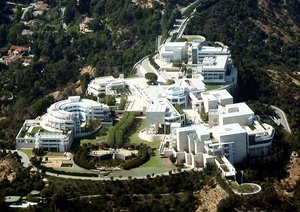 J. Paul Getty Müzesi |
Los Angeles | 1 | A Roman Feast |
Burada listelenen tarihli her Roberto Bompiani tablosu 1850 yılına aittir ve sıralama sırasına göre dizilmiştir.
Tablolarını görmek için bir yıl seçin.
A Roman Feast (1850) birinci sırada.
Roberto Bompiani 29 yaşındaydı: A Roman Feast 1850 tarihli bir eserdir ve Roberto Bompiani 1821 yılında doğmuştur.
Roberto Bompiani tarafından yapılmış 1 eser kataloğumuzda yer almaktadır.
Ağırlıklı olarak J. Paul Getty Müzesi (Los Angeles) bünyesinde bulunmaktadır. Tam liste için yukarıdaki müze tablosuna bakınız.
Evet. Bu sayfadaki tüm tablolar, el yapımı yağlı boya reprodüksiyon veya baskı olarak sipariş edilebilir. Tabloyu açın, boyutu seçin ve siparişinizi verin.
To understand Roberto Bompiani, one must look past the surface of his polished figures and see the calculated precision of a man obsessed with historical reconstruction. He did not merely paint; he reconstructed. Known to his contemporaries as the Italian Bouguereau, Bompiani utilized a rigorous academic foundation to breathe life into the ghosts of ancient Rome. His work functions as a bridge between archaeological reality and narrative fiction. When viewing a canvas like A Roman Feast, the viewer encounters more than just a scene; they encounter a deliberate assembly of Greek, Roman, and Etruscan influences, ranging from bronze vessels to inlaid marble floors.
His technique relied on a heavy, academic discipline learned early at the Accademia di San Luca in Rome. By age fifteen, he was already navigating the complexities of design, eventually securing first prizes in both painting and sculpture. This technical versatility allowed him to move between the fluid demands of watercolor and the structural permanence of stone. His later sculptural works, such as Sappho or Ruth, demonstrate a mastery of form that mirrors the physical perfection found in his oil paintings. He avoided the messy ambiguity of more experimental movements, opting instead for a clarity of line and a smooth, marble-like finish on skin.
Bompiani’s career was defined by an ability to satisfy both the religious demands of the Papal government and the commercial appetites of the international bourgeoisie. His output was massive, spanning genres from sacred frescoes in churches like Santa Maria in Trastevere to the highly marketable neo-Pompeian subjects that found homes in Philadelphia and London. He understood the market. By blending photographic realism with idealized, noble expressions, he created a brand of historical fiction that felt authentic yet remained accessible.
The breadth of his professional impact is visible through several key areas:
Ultimately, Bompiani remains significant because he mastered the art of the controlled gaze. He did not seek to disrupt the status quo but to refine it. His work represents the peak of Roman Purism, a period where the weight of history was used to anchor the fleeting aesthetics of the late nineteenth century. He died in Rome while working on the Apotheosis of Sappho, leaving behind a body of work that remains a definitive record of academic excellence.