Гарантія повернення коштів протягом 100 днів Безкоштовна доставка по всьому світу
646 446витвори мистецтва 53 409художники 5 406музеї 32мови
Портрет Max Kurzweil

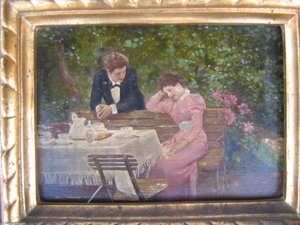
Картини Max Kurzweil: Топ 21 найвідоміших за рейтингом

Оновлено Жовтень 2026 · за рейтингом нашої популярності (кількість пошукових запитів, переглядів та замовлень для кожної роботи) · 22 робіт Max Kurzweil у нашому каталозі

Швидка відповідь

Найвідоміша картина Max Kurzweil — це Lady in Yellow Dress (1899). Bettina Bauer (1908) та A Dear Visit (1894) — це два та три. З 22 робіт Max Kurzweil у нашому каталозі ці 21 найвідоміші — вони відсортовані за рейтингом, з зазначенням року та музею, щоб ви могли обрати картину для замовлення.

1867 – 1916, Bzenec Expressionism Найбільше робіт: Музей округу Лос-Анджелес

Топ 10 картин художника Max Kurzweil за рейтингом

Картини Max Kurzweil у рейтингу від 11 до 21

Картини Max Kurzweil за тематикою

Чотири найпопулярніші сюжети цього рейтингу з найкращими картинами для кожного з них.

Музеї, де зберігаються оригінали Max Kurzweil

2 музеїв, у яких зберігається більшість картин із цього списку.

Музеї Місто Твори Max Kurzweil Картини з цього списку
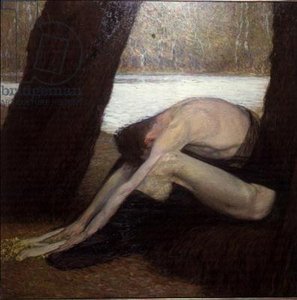
Музей округу Лос-Анджелес, Лос-АнджелесМузей округу Лос-Анджелес Лос-Анджелес 1 Seated nude facing right and meditating
Музей Сецесіон, ВіденьМузей Сецесіон Відень 1 Withdrawal letter from Max Kurzweil, June 15, 1905

Max Kurzweil за десятиліттями: найкращі картини кожного періоду

Роботи за десятиліття

Оберіть десятиліття, щоб побачити його найкращу картину.

Картини Max Kurzweil: поширені запитання

Яка найвідоміша картина Max Kurzweil?Показати відповідь

Lady in Yellow Dress (1899) посідає перше місце, за ним слідують Bettina Bauer (1908) та A Dear Visit (1894).

Скільки років було Max Kurzweil, коли було написано Lady in Yellow Dress?Показати відповідь

Max Kurzweil було 32 років: Lady in Yellow Dress датована 1899, а Max Kurzweil народився(-лася) у 1867.

Які 10 найкращих картин Max Kurzweil?Показати відповідь

Lady in Yellow Dress, Bettina Bauer, A Dear Visit, Seated nude facing right and meditating, The Farrier, The fisherman, Christ, A walk in the garden, The Pond (Concarneau) та Blue Seascape in Moonlight. Рік та музей для кожного вказані у рейтингу вище.

Скільки робіт Max Kurzweil представлено у вашому списку?Показати відповідь

У нашому каталозі представлено 22 робіт автора Max Kurzweil, датованих періодом з 1894 по 1915.

Де зберігаються оригінальні картини Max Kurzweil?Показати відповідь

Переважно в Музей округу Лос-Анджелес (Лос-Анджелес) та Музей Сецесіон (Відень). Повний список наведено в таблиці музеїв вище.

Який період присвячений найвідомішим картинам Max Kurzweil?Показати відповідь

У 1900s: 12 із 21 картин у цьому рейтингу датуються цим часом, зокрема Bettina Bauer.

Які найдавніші та найновіші відомі картини Max Kurzweil?Показати відповідь

Найраніші на цій сторінці: A Dear Visit (1894). Найновіші: Christ (1915).

Які основні сюжети на картинах Max Kurzweil?Показати відповідь

Серед 21 картин, що увійшли до цього рейтингу: Women (3), Children (2) та Beach (2).

З яким напрямом пов'язаний Max Kurzweil?Показати відповідь

Expressionism та Art nouveau, на основі картин, що увійшли до рейтингу на цій сторінці.

Чи можу я замовити репродукцію Max Kurzweil?Показати відповідь

Так. Кожну картину на цій сторінці можна замовити як ручну олійну репродукцію або як принт. Відкрийте картину, виберіть розмір і оформіть замовлення.

Про художника: Max Kurzweil

The Bohemian Roots of a Viennese Visionary

Born amidst the evocative landscapes of Bisenz, Bohemia, Maximilian Franz Viktor Zdenko Marie Kurzweil carried the romantic sensibilities of his youth into the heart of the Austro-Hungarian Empire. His relocation to Vienna in 1879 marked the beginning of a transformative era for both the artist and the city itself, as he moved from the quietude of his Czech origins toward the vibrant, pulsing energy of a burgeoning metropolis. Under the rigorous academic guidance of masters such as Christian Griepenkerl and Leopold Carl Müller at the Academy of Fine Arts Vienna, Kurzweil mastered the classical foundations of his craft. Yet, it was his immersion in the light-drenched ateliers of Paris, particularly the Académie Julian, that truly ignited his creative spirit. Here, the rigid boundaries of academic tradition began to dissolve, replaced by a burgeoning fascination with the fleeting impressions of light and the profound, often unsettling, depths of human emotion.

A Revolutionary Spirit in the Vienna Secession

As the nineteenth century drew to a close, Kurzweil emerged not merely as a painter, but as a pivotal architect of the modern Viennese aesthetic. In 1897, he stood alongside luminaries such as Gustav Klimt and Emil Nolde to co-found the Vienna Secession, a movement dedicated to shattering the stifling constraints of conservative academicism. Through his influential role as an editor and illustrator for the magazine Ver Sacrum, he helped weave a new visual language that married the textured, expressive palettes of Impressionism with the haunting, dreamlike motifs of Symbolism. His artistic evolution was marked by a deepening psychological intensity, drawing profound inspiration from the raw emotionality of Edvard Munch and the structural elegance of Ferdinand Hodlen. Whether capturing the contemplative stillness in "Seated nude facing right and meditating" or the atmospheric textures found in "The Fisherman," his work became a vessel for the complex tensions of a world caught between tradition and modernity.

A Legacy of Melancholy and Mastery

The trajectory of Kurzweil’s life was as profound as it was tragic. While he achieved significant professional milestones—including being awarded the prestigious Villa Romana prize in 1905 and serving as a respected professor at the Frauenkunstschule—his personal existence was often shadowed by an innate sense of melancholy. This internal struggle reached its devastating conclusion in 1916, when he ended his life alongside his student and lover, Helene Heger. Despite this somber end, his contribution to the Viennese Secessionist movement remains indelible. His ability to bridge the gap between Bohemian Romanticism and the avant-garde future ensures that his name continues to resonate within the annals of European art history, serving as a testament to a soul that sought to capture the ephemeral beauty of a vanishing era.