


 Переглянути в інтер'єрі
 Надіслати
 Поділитися
 Деталі
 Посібник

 Завантажити
 Схожі предмети колекціонування
 Рентгенівське дослідження
 Слайд-шоу
 Статистика переглядів
Male Nude known as Patroclus

 Читати далі
Придбайте цифрову копію високої роздільної здатності з покращеною якістю, що значно перевершує онлайн-перегляд.
Кожен файл ретельно підготовлений нашими фахівцями за допомогою сучасних інструментів та професійної ручної ретуші. Ми гарантуємо виняткову чіткість, точну передачу кольору та високу деталізацію кожного зображення.
Фінальний файл надсилається електронною поштою протягом 72 годин і оптимізований для негайного використання у професійних виданнях та друкованих матеріалах. Таку якість обирають провідні дизайнерські студії, видавництва та галереї.
Цифрове зображення
Завантажте файл високої роздільної здатності для особистого використання, друку та творчих проєктів. ( Перейти до друку Купити картину ручної роботи)
Що входить у кожне замовлення цифрових зображень
Експертна цифрова доставка з гарантією якості
Обираючи AllPaintingsStore.com, ви отримуєте не просто зображення — ви отримуєте професійно вдосконалений цифровий витвір мистецтва, створений з надзвичайною точністю та підкріплений гарантією задоволення. Ось усе, що автоматично додається до вашого замовлення:

Швидка доставка на email
Ваш цифровий файл із зображенням високої роздільної здатності буде надісланий вам електронною поштою протягом 72 годин після оформлення замовлення — він буде готовий до негайного використання.

Цифровий файл із покращенням ШІ
Ваш витвір мистецтва професійно оптимізовано за допомогою передових інструментів штучного інтелекту та ручної корекції, що забезпечує максимальну деталізацію, чіткість і точність передачі кольорів.

Безкоштовне повторне завантаження назавжди
Випадково видалили або втратили файл? Не хвилюйтеся — ми надішлемо його вам повторно в будь-який час безкоштовно.

Без митних зборів — завжди
Насолоджуйтесь вашим витвором мистецтва миттєво без жодних мит, зборів або плати за доставку — цифрові завантаження завжди не оподатковуються.

Гарантія точності кольорів
Ми гарантуємо максимально точне відтворення оригінальних кольорів на вашому цифровому зображенні завдяки використанню професійних інструментів та систем управління кольором.

100-денна гарантія задоволення клієнта
Якщо ви не задоволені придбаним цифровим зображенням, ми внесемо правки або повернемо 100% вартості протягом 100 днів — без зайвих запитань.

Гарантія повернення 100% коштів
Незадоволені покупкою? Отримайте повне повернення коштів протягом 100 днів після отримання цифрового файлу — без зайвих запитань.

Знижки на оптові замовлення
Купуйте 3 зображення — заощаджуйте 10% — Купуйте 5 — заощаджуйте 15% — Купуйте 10+ — заощаджуйте 20%. Чудово підходить для творчих проєктів, галерей та агентств.
Patroclus: A Study in Neoclassical Idealism
Jacques-Louis David’s *Patroclus* is more than just a male nude; it's a pivotal work embodying the burgeoning Neoclassical aesthetic of the late 18th century. Created around 1780, this oil on canvas (approximately 54 x 39 cm) serves as a preparatory study for his monumental painting, *The Death of Socrates*. However, *Patroclus* stands powerfully on its own, revealing David’s exceptional skill in anatomical rendering and emotional suggestion.Historical Context & Artistic Lineage
David emerged as a leading figure during a period of significant artistic transition. Reacting against the ornate frivolity of Rococo, he championed a return to classical principles – clarity, order, and moral seriousness. This shift mirrored broader societal changes, with Enlightenment ideals emphasizing reason and civic virtue. *Patroclus* exemplifies this movement; it’s not merely decorative but seeks to evoke contemplation on themes of heroism, mortality, and the human condition. David's rigorous training at the French Academy, despite his initial frustrations with its competitive system, provided him with a solid foundation in classical technique and subject matter.A Masterclass in Technique
The painting showcases David’s mastery of oil paint. He employs subtle gradations of light and shadow – *chiaroscuro* – to sculpt the figure, emphasizing its muscular form and creating a sense of three-dimensionality. The smooth application of paint, characteristic of Neoclassicism, contributes to the idealized beauty of the subject. Note the careful attention to anatomical detail; David’s precise rendering reflects his dedication to observation and study. The composition is deliberately restrained, focusing solely on the figure and minimal props – a red cloth and strategically placed rocks – which serve to ground the form without distracting from it.Symbolism & Interpretation
While identified as *Patroclus*, referencing the Trojan War hero known for his loyalty and bravery, the figure transcends simple mythological illustration. The pose—relaxed yet subtly conveying a sense of vulnerability—suggests introspection or perhaps even anticipation of fate. The red cloth could symbolize passion, sacrifice, or even impending bloodshed. David often infused his works with moral and political undertones; *Patroclus*, though a study, likely carries echoes of these concerns. The figure’s idealized physique embodies the classical notion of *kalokagathia* – the unity of beauty and goodness.Emotional Resonance & Lasting Impact
*Patroclus* possesses a quiet power. It doesn't shout for attention but draws the viewer in with its understated elegance and emotional depth. The painting evokes feelings of contemplation, admiration, and perhaps even melancholy. David’s ability to imbue a classical subject with such human emotion is remarkable. This work profoundly influenced subsequent generations of artists, solidifying David’s position as a central figure in art history. It remains a compelling example of Neoclassical artistry, celebrated for its technical brilliance and enduring aesthetic appeal.Bringing the Masterpiece Home
At AllPaintingsStore, we offer meticulously crafted hand-made oil painting reproductions of *Patroclus*. Our skilled artists painstakingly recreate every nuance of David’s original work, ensuring a stunning addition to your home or office. Experience the timeless beauty and intellectual power of this masterpiece firsthand. Visit our website to explore our collection and learn more about our reproduction process.Explore More by Jacques-Louis David
Discover a wider range of artworks by Jacques-Louis David and other renowned artists at AllPaintingsStore.Схожі твори мистецтва


Біографія митця
A Brushstroke Across Revolution: The Life and Art of Jacques-Louis David
Jacques-Louis David, born in Paris in 1748, was more than just a painter; he was a visual chronicler of an era defined by upheaval, idealism, and the relentless pursuit of new orders. His life mirrored the dramatic shifts unfolding across France – from the waning opulence of the Rococo to the austere clarity of Neoclassicism, and ultimately, through the tumultuous years of revolution and Napoleonic glory. A childhood marked by the early loss of his father and a facial impediment that initially hindered his speech seemed only to sharpen his observational skills and fuel an unwavering dedication to artistic mastery. Though initially apprenticed to François Boucher, David quickly found himself drawn to the more morally resonant work of Joseph-Marie Vien, whose emphasis on history painting and classical subjects resonated with a burgeoning sense of purpose within the young artist. His early attempts to win the prestigious Prix de Rome were fraught with frustration, yet these repeated setbacks only intensified his resolve, forging a relentless perfectionism that would characterize his entire career.The Birth of Neoclassical Drama
David’s artistic evolution wasn't merely a stylistic shift; it was a philosophical statement. He rejected the frivolous ornamentation and playful themes of the Rococo, embracing instead the clarity, order, and moral seriousness inherent in classical antiquity. This commitment was profoundly influenced by archaeological discoveries at Pompeii and Herculaneum, which unveiled a world of Roman art and architecture previously lost to time. These unearthed ruins ignited within him a profound respect for the rationalism and civic virtue of the Roman Republic – values he believed were desperately needed in his own era. His breakthrough came with “Oath of the Horatii” (1784), a painting that transcended mere artistic skill to become an emblem of civic virtue and patriotic sacrifice. The stark composition, dramatic lighting, and precise draftsmanship were revolutionary, signaling a decisive break from the past. It wasn’t simply *what* he painted but *how* – a deliberate construction designed to evoke powerful emotional responses and inspire contemplation on themes of duty, honor, and self-sacrifice. The figures are rendered with an almost sculptural quality, their bodies idealized according to classical principles, while the scene unfolds with a dramatic intensity that captures the essence of heroic commitment. This work didn't just announce a new style; it foreshadowed the ideological currents that would soon sweep across France.Revolution and Remembrance: Art as Political Weapon
As the French Revolution erupted in 1789, David was not merely an observer but an active participant. A fervent supporter of the revolutionary cause and a close associate of Maximilien Robespierre, he saw art as a powerful tool for shaping public opinion and immortalizing the ideals of the new republic. His paintings during this period became potent symbols of revolutionary martyrdom and republican fervor. Perhaps his most iconic work from this era is “The Death of Marat” (1793), a hauntingly realistic depiction of the assassinated journalist, transformed into a secular saint. The pale body, the makeshift desk, the poignant letter clutched in Marat's hand – all contribute to an image of profound sorrow and heroic sacrifice. David deliberately stripped away any trace of personal identification, elevating Marat to the status of a martyr for the revolution. He served on the Committee of Public Safety during the Reign of Terror, even signing Robespierre’s death warrant, demonstrating his deep entanglement with the political machinations of the time. This period reflects a willingness to use art as a tool for propaganda and social control – a controversial aspect of David's legacy.From Revolution to Empire: Serving Napoleon
The fall of Robespierre marked another turning point in David’s career. With remarkable adaptability, he navigated the shifting political landscape and aligned himself with Napoleon Bonaparte, becoming the First Consul’s official court painter. This new patronage ushered in a period of grand-scale commissions designed to glorify Napoleon’s victories and achievements. “Napoleon Crossing the Alps” (1801-1805) is perhaps the most famous example – a masterful piece of propaganda that presents Napoleon as a heroic, almost mythical figure conquering both nature and adversity. The dramatic lighting, the dynamic composition, and the carefully chosen details all contribute to an image of unparalleled power and authority. “The Coronation of Napoleon” (1807), an immense canvas capturing the opulence and grandeur of the imperial ceremony, further cemented David’s position as the preeminent artist of the Napoleonic era. During this time, his palette subtly shifted, incorporating warmer Venetian colors while maintaining the precision and clarity that defined his style – a reflection of Napoleon's ambition to emulate the glories of Rome.Exile, Legacy, and Enduring Influence
The Bourbon Restoration in 1814 brought renewed peril for David, whose association with the fallen Napoleon made him a target of persecution. He chose exile in Brussels in 1816, where he continued to paint and teach until his death on December 29, 1825. Even in exile, his influence remained profound. He trained numerous pupils, including Jean-Auguste-Dominique Ingres, who would become one of the most important neoclassical painters of the 19th century. David’s emphasis on draftsmanship, composition, and historical accuracy left an indelible mark on French art. *His legacy extends beyond mere imitation*; his expressive distortions of form and space even foreshadowed the innovations of later artists like Henri Matisse and Pablo Picasso. Jacques-Louis David was not simply a painter of his time; he *defined* it, capturing its spirit of revolution, ambition, and enduring ideals on canvas for generations to come.- Major Achievements: Established Neoclassicism as the dominant style in French painting.
- Historical Significance: Created iconic images that captured the spirit of the French Revolution and the Napoleonic era.
- Influence: Trained a generation of influential artists who carried on his legacy.
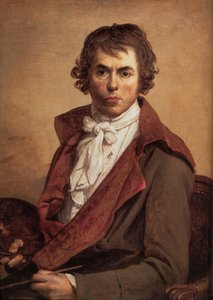
Жак-Луї Давид
1748 - 1800 , Франція
Коротко про автора
- Artistic Movement Or Style: Неокласицизм
- Artists Or Movements Influenced By This Artist:
- Рококо
- Імпресіонізм
- Artists Who Influenced This Artist:
- Жан-Авґаст Дюмаєр
- Жозеф-Марі Віен
- Date Of Birth: 30 серпня 1748
- Date Of Death: 29 грудня 1825
- Full Name: Jacques-Louis David
- Nationality: Француз
- Notable Artworks:
- Обет орлят
- Смерть Марата
- Наполеон перетинає Альпи
- Place Of Birth: Париж, Франція

