


 Переглянути в інтер'єрі
 Надіслати
 Поділитися
 Деталі
 Посібник

 Завантажити
 Схожі предмети колекціонування
 Рентгенівське дослідження
 Слайд-шоу
 Статистика переглядів
Navarre, the Town Council of Roncal
 Олія на полотні
- Настінне мистецтво
- Impressionism
 1914
1914 349.0 x 230.0 cm
 Hispanic Society Museum - Library
 Читати далі
Олійная репродукція ручної роботи
Написана вручну олією на полотні у вашому розмірі та рамі, виготовлена на замовлення нашими художниками. ( Перейти до друку Перейти до цифрових зображень)




P118B $10

P118H $10

P118W $10

P438Z $10

P508JH $12

P508YH $12

P805H $10

P805Z $10

P919BZ $10

P919G $10

P919XJ $10

P959ZH $10

P968JZ $12

W106C $8

W218G $10

W218JH $8

W218Y $10

W307PJ $10

W316G $10

W316PJ $8

W316Y $10

W398PJ $8

W4111J $10

W500HY $15

W500JH $15

W692G $12

W849H $8

W940BG $15

W953PJ $8




Обирайте з наших стандартних розмірів, що відповідають оригінальним пропорціям твору мистецтва.

Ви можете вказати власні розміри, щоб репродукція ідеально підійшла до конкретної рами або інтер'єру. Якщо вибраний вами розмір не відповідає пропорціям оригіналу, ми або обріжемо полотно, або доповнимо картину додатковими елементами, промальованими вручну. Цифровий макет буде надіслано вам на затвердження перед початком виробництва.
Зверніть увагу, що попередній перегляд на екрані не відображає фактичне обрізання або розширення зображення. Тільки макет точно покаже остаточну композицію.
Хоча ми можемо виготовити виріб у нестандартному розмірі, для збереження оригінальних пропорцій рекомендуємо обирати варіанти зі встановленого списку.
Після оформлення замовлення команда AllPaintingsStore.com зв'яжеться з клієнтом електронною поштою для отримання інструкцій та надасть попередній макет
Доставка по всьому світу () за 3–4 тижні замість стандартних 5 тижнів. (21 Вересень). Без жодних компромісів у якості.

Безкоштовна експрес-доставка по всьому світу

Високоякісне лляне полотно

Повне страхове покриття доставки

Гарантія повернення митних зборів

Гарантія точного відтворення кольорів

Політика повернення протягом 100 днів (лише у разі виявлення дефектів)

Гарантія повернення 100% коштів

Знижка на оптові замовлення
 Скляний варіант доступний лише для розмірів до 110 см

Navarre, the Town Council of Roncal
Техніка репродукції
Розмір репродукції
-


Загальна вартість
$ 258
Joaquin Sorolla’s “Navarre, the Town Council of Roncal” – A Sunlit Echo of Spanish Identity
Joaquin Sorolla y Bastida's "Navarre, the Town Council of Roncal," painted in 1914, isn’t merely a depiction of a provincial gathering; it’s a vibrant distillation of Spanish identity, bathed in the artist’s signature mastery of light and color. This monumental canvas, measuring an impressive 349 x 230 cm, housed within the Hispanic Society of America Museum and Library in New York City, transports the viewer to the heart of the Roncal Valley in Navarre – a region steeped in history and tradition. Sorolla, a leading figure of the Spanish avant-garde, sought to capture not just a scene but an atmosphere, a feeling of communal life imbued with the warmth of the Mediterranean sun.
The composition immediately draws the eye to the central group of figures – men dressed in formal attire, suggesting a civic event or perhaps a celebration. Their postures are relaxed yet dignified, hinting at a shared sense of belonging and pride. A prominent horse stands nearby, adding an element of dynamism and perhaps symbolizing the importance of rural life and connection to the land. The backdrop reveals the town hall, its flag fluttering proudly, anchoring the scene within a specific geographical and cultural context. Sorolla’s meticulous attention to detail – from the textures of the clothing to the subtle variations in light on the buildings – creates an incredibly realistic and immersive experience.
Impressionism at its Finest: Technique and Light
Sorolla's technique is a testament to his exceptional skill. He employed loose, visible brushstrokes, characteristic of Impressionism, yet with a remarkable control that prevents the painting from appearing haphazard. The artist’s focus on capturing fleeting moments of light is particularly striking. Sorolla masterfully utilized broken color and layering techniques to create an illusion of shimmering sunlight filtering through the air, illuminating the scene with an almost palpable warmth. This isn't simply a representation of a sunny day; it’s an embodiment of the Spanish spirit – joyful, vibrant, and full of life.
The use of color is equally crucial to the painting’s impact. Sorolla favored bright, saturated hues, particularly yellows and blues, which evoke the colors of the Mediterranean landscape. He skillfully blended these colors to create a sense of depth and atmosphere, drawing the viewer into the scene. The interplay of light and shadow further enhances the painting's visual richness, adding drama and highlighting key elements within the composition.
A Window into Navarre’s Soul: Historical Context
"Navarre, the Town Council of Roncal" was painted during a period of significant social and political change in Spain. The late 19th and early 20th centuries witnessed growing calls for regional autonomy and cultural preservation. Sorolla's work reflects this sentiment by celebrating the traditions and identity of Navarre, a region with a long and complex history. The painting can be interpreted as an affirmation of local pride and a celebration of community life in a rapidly changing world.
Furthermore, the choice of subject matter – a town council meeting – speaks to Sorolla’s interest in depicting everyday scenes of Spanish life. He sought to capture the essence of his nation's culture through portraits of ordinary people engaged in their daily activities. This commitment to realism and social commentary distinguishes Sorolla from many of his contemporaries, who primarily focused on grand historical or mythological subjects.
Symbolism and Emotional Resonance
Beyond its literal depiction of a town council meeting, "Navarre, the Town Council of Roncal" is rich in symbolism. The horse, for example, can be interpreted as a symbol of strength, vitality, and connection to the land – values deeply rooted in Spanish culture. The flag represents the collective identity of the community and its commitment to preserving its traditions. The overall mood of the painting is one of optimism and celebration, reflecting the spirit of a nation embracing progress while honoring its past.
Sorolla’s ability to evoke such powerful emotions through his art is a testament to his genius. “Navarre, the Town Council of Roncal” isn't just a beautiful painting; it’s a window into the soul of Spain – a vibrant and enduring symbol of Spanish identity and culture.
Схожі твори мистецтва


Біографія митця
A Life Bathed in Light: The World of Joaquín Sorolla
Joaquín Sorolla y Bastida, a name synonymous with the radiant light and vibrant energy of Spain, was more than just a painter; he was a chronicler of his nation’s soul. Born in Valencia in 1863, Sorolla's early life was marked by tragedy. Orphaned at the tender age of two following a cholera epidemic that claimed both parents, young Joaquín and his sister were raised by their maternal aunt and uncle. This early experience with loss perhaps instilled within him a profound appreciation for the fleeting beauty of life – a sentiment that would permeate his art. Though hardship shadowed his beginnings, it did not dim the spark of artistic talent that quickly became apparent. He received initial instruction in Valencia, demonstrating an aptitude that led to studies under established artists like Cayetano Capuz and José Benlliure, eventually culminating in a four-year grant to study in Rome. It was there, amidst the classical grandeur of Italy, that Sorolla began to forge his unique artistic path, absorbing influences while simultaneously developing a style distinctly his own.From Historical Narratives to Sun-Drenched Realism
Sorolla’s early work reflected the prevailing academic trends of the time – large-scale historical and mythological scenes. He was initially tasked with creating grand canvases depicting heroic battles and regal figures, adhering to the conventions of the day. However, a pivotal shift occurred as he returned to Spain and began to truly observe the world around him. He found himself captivated by the everyday lives of his countrymen, particularly those along the Valencian coast. The intense Mediterranean sunlight, the shimmering sea, and the vibrant energy of the people became his primary subjects. This transition wasn’t immediate; Sorolla continued to explore social realism with works like Sad Inheritance (1899), a powerful depiction of children afflicted by polio bathing in the sea – a painting that garnered significant acclaim but also revealed a darker, more compassionate side to his artistic vision. *Sad Inheritance*, exhibited at the Universal Exhibition in Paris, brought him widespread recognition and cemented his position as a leading figure in Spanish art. Yet, it was his increasingly focused exploration of light and color, inspired by Impressionism though never fully embracing its tenets, that would define his legacy. He wasn’t merely *depicting* light; he was attempting to *capture* its very essence, the way it danced on water, illuminated skin, and transformed ordinary moments into scenes of extraordinary beauty.Master of Luminism: A Unique Artistic Voice
Sorolla's technique became instantly recognizable – a bravura display of brushwork, characterized by loose, energetic strokes that conveyed movement and atmosphere. He worked *en plein air* whenever possible, directly confronting the challenges of capturing fleeting light conditions. This dedication to painting outdoors resulted in canvases brimming with life and immediacy. His beach scenes, perhaps his most iconic works, are not simply picturesque representations of leisure; they are studies in luminosity, reflections, and the joyful interaction between people and their environment. Paintings like Children on the Seashore and Sewing the Sail exemplify this mastery – figures bathed in golden light, rendered with a remarkable sense of spontaneity and vitality. He wasn’t interested in meticulous detail; rather, he sought to convey the *impression* of reality, prioritizing atmosphere and emotion over precise representation. This approach earned him comparisons to Impressionists like Monet and Renoir, but Sorolla's work possessed a unique Spanish character – a warmth, intensity, and emotional depth that set it apart.Influences and Artistic Development
Sorolla’s artistic journey was shaped by a diverse range of influences. His early training in Valencia exposed him to the traditional academic style, while his time in Rome provided exposure to classical sculpture and architecture. However, it was his encounters with Parisian Impressionists – particularly Jules Bastien-Lepage and Adolph von Menzel – that truly ignited his creative spirit. He admired their ability to capture fleeting moments of light and color, and he adopted many of their techniques, such as broken brushstrokes and a focus on atmospheric effects. Furthermore, the Spanish masters of the Golden Age, like Velázquez and Goya, undoubtedly informed his approach to composition and characterization. Sorolla’s work can be seen as a synthesis of these diverse influences – a vibrant blend of realism, Impressionism, and Spanish tradition.Key Achievements & Recognition
- 1892: Gold medal at the National Exhibition in Madrid for Another Marguerite.
- 1894: Acclaimed for The Return from Fishing: Hauling the Boat, acquired by the Musée du Luxembourg.
- 1899: Grand Prix and medal of honor at the Universal Exhibition in Paris for Sad Inheritance.
- 1900-1923: Extensive exhibitions throughout Europe and the United States, establishing international recognition.
- 1912-1928: Commissioned to create Vision of Spain for the Hispanic Society of America (completed posthumously).
- Present Day: Works held in major museums worldwide, including the Museo Sorolla in Madrid.
Legacy and Enduring Influence
Sorolla’s legacy extends far beyond his technical brilliance. He captured a specific moment in Spanish history and culture – the vibrant spirit of the Mediterranean coast and the everyday lives of its people. His paintings are not merely beautiful images; they are windows into a bygone era, imbued with warmth, joy, and an undeniable sense of optimism. His work inspired generations of artists, not only in Spain but around the world. Today, his paintings continue to resonate with audiences, reminding us of the power of art to illuminate our world and capture the fleeting beauty of life. The Museo Sorolla in Madrid stands as a testament to his enduring legacy – a place where visitors can immerse themselves in his world and experience the magic of his light.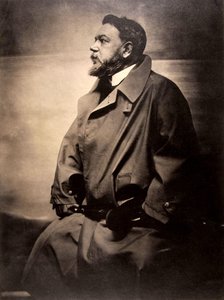
Хоакін Соролла
1863 - 1923 , Іспанія
Довідкова інформація
- Artistic Movement Or Style: Лумінізм, Імпресіонізм
- Artists Or Movements Influenced By This Artist: ['Імпресіонізм']
- Artists Who Influenced This Artist:
- Франсіско Праділла
- Жуль Бастіен-Лепаж
- Адольф фон Мenzel
- Date Of Birth: 27 лютого 1863
- Date Of Death: 10 серпня 1923
- Full Name: Joaquín Sorolla y Bastida
- Nationality: Іспанець
- Notable Artworks:
- Інша Маргарита
- Купання в морі
- Біла раба
- Типові сорійці
- Діти на березі
- Place Of Birth: Валенсія, Іспанія
Схожі статті

Evocations of Place: A Historical Journey Through Landscape Art
Explore the rich history of landscape art with AllPaintingsStore. Discover renowned artists, movements like Impressionism & Romanticism, and expert guidance for collecting timeless pieces. Find your perfect serene escape today!

Топ-10 шедеврів романтичного пейзажу: мистецтво, що захоплює дух | AllPaintingsStore
Відкрийте для себе 10 шедеврів романтичного пейзажу! Каспар Давид Фрідріх, Тернер та інші майстри. Історія мистецтва, емоційні кольори природи та ідеї декору з AllPaintingsStore.com. Дослідіть колекцію онлайн!
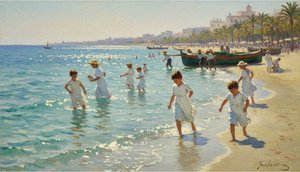
Joaquín Sorolla: Capturing Spanish Light & Life – A Legacy of Impressionism
Explore the luminous world of Joaquín Sorolla, Spanish master of Impressionism. Discover his life, techniques & legacy – a guide for art collectors and enthusiasts. Invest in timeless beauty.

Capturing Nostalgia: The Timeless Allure and Art History of Village Scene Landscapes
Explore the profound beauty of village scene art. From Impressionist light to pastoral realism, discover how timeless landscapes capture nostalgia through expert artistry and historical depth. Perfect for collectors seeking evocative, museum-quality landscape inspirations.

Capturing Sunlight: The Radiant Magic and Impressionist Brilliance of Joaquín Sorolla's Masterpieces
Embark on a visual journey through the radiant sunlight of Joaquín Sorolla's masterpieces. Discover the brilliance of Spanish Impressionism and learn how to bring this luminous legacy into your home with museum-quality, hand-painted oil reproductions from AllPaintingsStore.


