


 Переглянути в інтер'єрі
 Надіслати
 Поділитися
 Деталі

 Завантажити
 Схожі експонати
 Рентгенівське дослідження
 Слайд-шоу
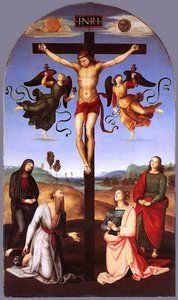
Crucifixion
 Олія на твердій основі
- Early Renaissance
 1515
1515- — Відродження
 372.0 x 270.0 cm
 Пінакотека ді Брера
 Читати далі
Олійная репродукція ручної роботи
Написана вручну олією на полотні у вашому розмірі та рамі, виготовлена на замовлення нашими художниками. ( Перейти до друку Перейти до зображення)




P118B $10

P118H $10

P118W $10

P438Z $10

P508JH $12

P508YH $12

P805H $10

P805Z $10

P919BZ $10

P919G $10

P919XJ $10

P959ZH $10

P968JZ $12

W106C $8

W218G $10

W218JH $8

W218Y $10

W307PJ $10

W316G $10

W316PJ $8

W316Y $10

W398PJ $8

W4111J $10

W500HY $15

W500JH $15

W692G $12

W849H $8

W940BG $15

W953PJ $8




Обирайте з наших стандартних розмірів, що відповідають оригінальним пропорціям твору мистецтва.

Ви можете вказати власні розміри, щоб репродукція ідеально підійшла до конкретної рами або інтер'єру. Якщо вибраний вами розмір не відповідає пропорціям оригіналу, ми або обріжемо полотно, або доповнимо картину додатковими елементами, промальованими вручну. Цифровий макет буде надіслано вам на затвердження перед початком виробництва.
Зверніть увагу, що попередній перегляд на екрані не відображає фактичне обрізання або розширення зображення. Тільки макет точно покаже остаточну композицію.
Хоча ми можемо виготовити виріб у нестандартному розмірі, для збереження оригінальних пропорцій рекомендуємо обирати варіанти зі встановленого списку.
Після оформлення замовлення команда AllPaintingsStore.com зв'яжеться з клієнтом електронною поштою для отримання інструкцій та надасть попередній макет
Доставка по всьому світу () за 3–4 тижні замість стандартних 5 тижнів. (10 Серпень). Без жодних компромісів у якості.

Безкоштовна експрес-доставка по всьому світу

Високоякісне лляне полотно

Повне страхове покриття доставки

Гарантія відшкодування митних зборів

Гарантія точного відтворення кольорів

Політика повернення протягом 60 днів (лише у разі виявлення дефектів)

Гарантія повернення 100% коштів

Знижка на оптові замовлення
 Скляний варіант доступний лише для розмірів до 110 см

Crucifixion
Техніка репродукції
Розмір репродукції
-


Загальна вартість
$ 458
Опис твору
A Divine Encounter with the Eternal
In the hallowed halls of the Pinacoteca di Brera in Milan, there exists a window into the profound spiritual intensity of the High Renaissance: Bartolomeo Suardi’s Crucifixion. Painted in 1515, this monumental oil masterpiece transcends mere religious iconography to become a visceral experience of human suffering and divine grace. As one gazes upon the vast 372 x 270 cm canvas, the viewer is immediately drawn into a world where the boundaries between the earthly and the celestial blur. The central figure of Christ, suspended between heaven and earth, serves as the emotional anchor for a composition that is as much about the weight of mortality as it is about the promise of redemption.
The painting’s atmosphere is one of solemnity and quiet grandeur. Bramantino, a master of serene classicism, employs a sophisticated use of light and shadow to sculpt the figures with an almost architectural precision. The soft, diffused lighting casts gentle shadows across the faces of the mourners, highlighting their grief while maintaining a sense of tranquil dignity. This technique creates a remarkable three-dimensionality, making the central tragedy feel present and tangible. Above the cross, the appearance of cherubs holding the "INRI" banner introduces a celestial lightness that balances the heavy, somber tones of the landscape below, suggesting that even in the depths of death, there is an unfolding divine plan.
The Language of Symbolism and Renaissance Mastery
Every element within this composition has been meticulously placed to weave a complex narrative of faith. The background, featuring a detailed cityscape under a brooding, cloudy sky, provides a sense of scale and historical grounding, reminding the observer that this cosmic event is rooted in human history. At the base of the cross, the inclusion of a skull serves as a poignant memento mori—a stark reminder of the inevability of death—yet it sits in dialogue with the surrounding figures whose expressions of devotion and sorrow offer a profound study in human emotion. The artist’s ability to render realistic textures, from the heavy folds of period clothing to the smooth, polished surfaces of the architectural elements, demonstrates a technical virtuosity that was unparalleled in the Milanese school.
For the discerning collector or interior designer, this work offers more than just aesthetic beauty; it provides a focal point of immense intellectual and emotional depth. The cool palette of muted browns, deep blues, and subtle reds allows the painting to integrate seamlessly into sophisticated environments, whether in a classical study or a contemporary gallery setting. A high-quality reproduction of this masterpiece allows one to bring the contemplative spirit of the Italian Renaissance into a modern home, serving as a constant source of inspiration and a testament to the enduring power of sacred art. To own such a piece is to possess a fragment of history, a silent yet powerful storyteller that continues to captivate the soul centuries after its creation.
Схожі твори мистецтва




![Virgin And Child With Saint Joseph And Donor [centre Panel Of The Withypool Triptych] — Antonio Solario (lo Zingaro), High Renaissance](/media/artworks/images/thumbnails/27/fb/27fb91bb373a4b548d046019bf697de5.jpg)

Біографія митця
Bartolomeo Suardi (Bramantino): A Milanese Master of Serene Classicism
Bartolomeo Suardi, better known as Bramantino, stands as a singular figure in the artistic landscape of Renaissance Italy – specifically Milan. Born around 1465 in Milan itself, he emerged from a milieu steeped in architectural innovation and humanist ideals, profoundly shaping his artistic vision. While overshadowed by contemporaries like Leonardo da Vinci and Michelangelo, Bramantino’s meticulous approach to painting and his unwavering dedication to capturing the beauty of classical forms cemented his legacy as one of Milan's most important artists.- Early Life & Training: Little is known definitively about Suardi’s formative years. He apprenticed under Piero della Francesca, absorbing the principles of linear perspective and idealized representation – techniques that would become hallmarks of his oeuvre. This mentorship instilled in him a deep appreciation for mathematical precision combined with artistic sensitivity.
- Milanese Architectural Patronage: Bramantino's career truly flourished during the reign of Ludovico Sforza, Milan’s formidable patron of the arts. He collaborated extensively on monumental architectural projects, notably the ambitious reconstruction of the Duomo – a project spearheaded by Leonardo da Vinci himself. Suardi’s role wasn’t merely decorative; he meticulously crafted detailed drawings and oversaw construction, demonstrating his mastery of both artistic conception and technical execution.
- Painting Style & Influences: Bramantino's distinctive style is characterized by an almost meditative serenity. Unlike the dramatic dynamism favored by many of his peers, he prioritized clarity of form and subtle tonal gradations—a deliberate echo of Leonardo’s compositional strategies. His paintings often depict religious subjects with a profound sense of stillness and grace, imbued with luminous colors reminiscent of Piero della Francesca's frescoes.
- Notable Works: Among Bramantino’s celebrated achievements are “Madonna and Child,” a poignant depiction of Mary cradling Jesus—a piece that exemplifies his masterful use of perspective and idealized beauty. Furthermore, "Adoration of the Magi," commissioned for private devotion, showcases his meticulous attention to detail and symbolic resonance, particularly the inclusion of John the Baptist as an adult figure.
- Legacy & Historical Significance: Bramantino’s contribution to Milanese art history is undeniable. He represents a crucial link between Florentine classicism and Venetian coloristic innovation—a synthesis that profoundly impacted artistic sensibilities throughout Europe. His architectural designs continue to inspire awe, and his paintings endure as testament to the enduring power of serene beauty and humanist contemplation.
Further Exploration
You can delve deeper into Bramantino’s artistry by examining reproductions of “Madonna and Child” at The Metropolitan Museum of Art (Madonna and Child) and "Adoration of the Kings" on Wikipedia (Adoration of the Kings (Bramantino)).
bartolomeo suardi (bramantino)
1465 - 1536 , Italy
Досьє митця
- Artistic Movement Or Style: Renaissance Classicism
- Artists Or Movements Influenced By This Artist: ['Piero della Francesca']
- Artists Who Influenced This Artist: ['Leonardo da Vinci']
- Date Of Birth: Milan, Italy (1465)
- Full Name: Bartolomeo Suardi
- Nationality: Italian
- Notable Artworks:
- Madonna and Child
- Adoration of the Kings
- Place Of Birth: Milan
Схожі статті

The Enduring Legacy of Oil on Canvas: Technique, History & Aesthetic Impact
Explore the rich history & techniques of oil painting – from Renaissance masters to Impressionism. Discover pigments, layering methods, and why this timeless medium endures. Expert insights for artists & art enthusiasts.

Oil on Canvas: A Historical & Technical Exploration of a Timeless Artistic Medium
Explore the rich history & enduring techniques of oil painting on canvas. Discover the science behind its longevity, conservation practices, and contemporary relevance. Expert insights for art enthusiasts.

The Enduring Power of Painting: A Historical & Contemporary Exploration of Form and Emotion
Explore the rich history & enduring techniques of oil painting with AllPaintingsStore. Discover masterpieces, learn about art collecting, and find authentic handmade reproductions crafted by skilled artists.

Вікові традиції олійного живопису: техніка, історія та сучасна практика
Дізнайтеся про вікову історію олійного живопису, техніки майстрів та сучасні тенденції. Відкрийте світ класичного мистецтва та натхнення для власної творчості!

The Soul of Impressionism: Why Oil on Canvas Captures Eternal Light and Timeless Emotion
Discover the enchanting alchemy of Impressionism. Explore how the mastery of oil on canvas, through glazing and impasto, captures eternal light and emotion. Perfect for lovers of Monet and Van Gogh seeking the profound depth of hand-painted fine art.



