


 Переглянути в інтер'єрі
 Надіслати як листівку
 Поділитися
 Детальніше

 Завантажити
 Схожі експонати
 Рентгенівське дослідження
 Слайд-шоу
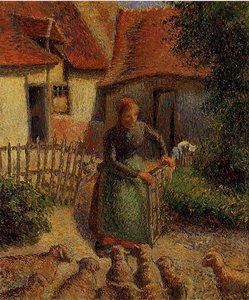
Springtime (also known as Le Printemps)


 Читати далі
Олійная репродукція ручної роботи
Написана вручну олією на полотні у вашому розмірі та рамі, виготовлена на замовлення нашими художниками. ( Замовити принт Купити цифрове зображення)




































Обирайте з наших стандартних розмірів, що відповідають оригінальним пропорціям твору мистецтва.

Ви можете вказати власні розміри, щоб репродукція ідеально підійшла до конкретної рами або інтер'єру. Якщо вибраний вами розмір не відповідає пропорціям оригіналу, ми або обріжемо полотно, або доповнимо картину додатковими елементами, промальованими вручну. Цифровий макет буде надіслано вам на затвердження перед початком виробництва.
Зверніть увагу, що попередній перегляд на екрані не відображає фактичне обрізання або розширення зображення. Тільки макет точно покаже остаточну композицію.
Хоча ми можемо виготовити виріб у нестандартному розмірі, для збереження оригінальних пропорцій рекомендуємо обирати варіанти зі встановленого списку.
Після оформлення замовлення команда AllPaintingsStore.com зв'яжеться з клієнтом електронною поштою для отримання інструкцій та надасть попередній макет
Доставка по всьому світу () за 3–4 тижні замість стандартних 5 тижнів. (21 Серпень). Без жодних компромісів у якості.

Безкоштовна експрес-доставка по всьому світу

Високоякісне лляне полотно

Повне страхове покриття доставки

Гарантія відшкодування митних зборів

Гарантія точного відтворення кольорів

Політика повернення протягом 60 днів (лише у разі виявлення дефектів)

Гарантія повернення 100% коштів

Пропозиція на оптові замовлення
 Скляний варіант доступний лише для розмірів до 110 см

Springtime (also known as Le Printemps)
Матеріал репродукції
Розмір репродукції
-


Підсумкова вартість
$ 258
Опис твору
A Pastoral Reverie: "Springtime" by Charles-Émile Jacque
Step into a tranquil world of rural harmony with Charles-Émile Jacque’s “Springtime” (also known as *Le Printemps*), an evocative oil painting from 1859. This captivating scene transports the viewer to the heart of the French countryside, where a young shepherdess tends to her flock amidst rolling fields and a distant village nestled on the horizon. The artwork embodies a sense of peacefulness and connection with nature, offering a respite from the bustle of modern life.Style & Technique: Echoes of the Barbizon School
Jacque was a prominent figure within the Barbizon School, an artistic movement that championed plein air painting and realistic depictions of everyday rural life. "Springtime" exemplifies these principles, showcasing Jacque’s mastery of traditional oil painting techniques. Noticeable brushstrokes contribute to the rich texture of the scene – the fluffy wool of the sheep, the swaying grasses, and the weathered details of the village buildings all come alive through his skilled application of paint. The style leans towards Romanticism, prioritizing emotional resonance over strict realism; the softened lines and diffused lighting create a dreamlike quality that enhances the painting's overall charm. Jacque’s background in engraving, honed during his military service, is evident in the meticulous detail and precise rendering of forms within this pastoral landscape.Symbolism & Historical Context
Painted in 1859, "Springtime" reflects a growing appreciation for rural life and a yearning for simpler times amidst the rapid industrialization of 19th-century Europe. The painting’s symbolism is rich with meaning:- The Shepherdess: Represents care, responsibility, and a nurturing connection to the land.
- The Sheep: Symbolize innocence, peace, and the gentle rhythms of rural existence.
- The Rural Setting: Embodies a nostalgic idealization of a simpler way of life, far removed from urban complexities.
Emotional Impact & Artistic Legacy
"Springtime" evokes a profound sense of serenity and nostalgia. The muted earth tones – browns, greens, and grays – create a calming atmosphere, while the touches of red in the woman’s clothing and pink blossoms on the tree add subtle pops of color that draw the eye. The diffused lighting suggests an overcast day, bathing the scene in a gentle glow that enhances its tranquil mood. Jacque's ability to capture this quiet domesticity within a natural environment makes "Springtime" not just a beautiful painting but also a poignant reflection on the enduring appeal of rural life and the timeless beauty of nature. Owning a reproduction of this artwork is like bringing a piece of pastoral tranquility into your home, allowing you to experience the peace and harmony that Jacque so skillfully captured.Схожі твори мистецтва




Біографія митця
A Life Rooted in the French Countryside
Charles-Émile Jacque, born in Paris in 1813, wasn’t destined for a conventional artistic path. His early life took an unexpected turn with seven years of service in the French army. Yet, even within the regimented structure of military life, his innate talent found expression – not through painting initially, but through the meticulous skill of map engraving. This foundational training, demanding precision and observation, would prove surprisingly pivotal to his later artistic endeavors, instilling a dedication to detail that became a hallmark of his work. It was an unlikely beginning for a painter who would become synonymous with the idyllic beauty of rural France, yet it speaks volumes about Jacque’s adaptability and inherent artistry. Upon leaving the army, he briefly pursued illustration and caricature, contributing to Parisian journals before finding his true calling in the realm of etching and painting.Embracing Barbizon and a Pastoral Vision
The mid-19th century saw Jacque drawn towards Barbizon, a small village that would become the epicenter of a revolutionary artistic movement. Fleeing cholera epidemics plaguing Paris, he joined Jean-François Millet and other like-minded artists in seeking inspiration directly from nature. This marked a decisive shift away from academic conventions and toward a more honest, realistic portrayal of life. Jacque wholeheartedly embraced this new approach, dedicating himself to capturing the essence of rural existence – the quiet dignity of shepherds tending their flocks, the gentle rhythm of farm labor, the simple beauty of livestock in sun-dappled fields. His paintings weren’t merely depictions of scenes; they were imbued with a deep sense of tranquility and harmony, reflecting a profound appreciation for the natural world. He wasn't simply *painting* sheep or barns; he was conveying a feeling, an atmosphere—a reverence for the pastoral life that resonated deeply with audiences.Master of Mediums: Painting and Printmaking
Jacque’s artistic prowess extended beyond painting. He became renowned as a master etcher and engraver, reviving 17th-century techniques and pushing the boundaries of printmaking. His etchings were lauded for their boldness and well-conceived subject matter, earning him praise from critics like Charles Baudelaire. Henri Béraldi distinguished two distinct periods in Jacque’s graphic work: an early phase inspired by Dutch vignettes, characterized by spontaneity, and a later period marked by larger, more detailed plates demonstrating meticulous craftsmanship. This dual mastery – of both brush and burin – allowed him to reach a wider audience and solidify his reputation as a significant figure in the art world. He didn’t see painting and printmaking as separate disciplines but rather as complementary avenues for expressing his artistic vision. His illustrations for literary classics, including editions of Goldsmith's *The Vicar of Wakefield* and Wordsworth’s *Picturesque Greece*, further showcased his versatility and skill.Legacy and Lasting Influence
Charles-Émile Jacque died in 1894, leaving behind a rich artistic legacy that continues to captivate viewers today. He played a vital role in shaping the development of Realism in French art, paving the way for future generations of artists who sought to depict life with honesty and sensitivity. His dedication to portraying rural life elevated genre painting – scenes from everyday existence – to a position of prominence within the artistic landscape.- A Pioneer of Etching Revival: Jacque’s revival of 17th-century etching techniques significantly impacted printmaking.
- Influence on Millet: His early work and etchings profoundly influenced his friend and fellow Barbizon School artist, Jean-François Millet.
- Champion of Rural Life: He immortalized the beauty and dignity of rural life in France, creating a lasting visual record of a disappearing way of existence.

Charles-Émile Jacque
1813 - 1894 , France
Короткі факти
- Artistic Movement Or Style: Barbizon School
- Artists Or Movements Influenced By This Artist: ['Realism']
- Artists Who Influenced This Artist: ['Adriaen van Ostade']
- Date Of Birth: 1813
- Date Of Death: 1894
- Full Name: Charles-Émile Jacque
- Nationality: French
- Notable Artworks:
- Little Blue Boy
- The Sheepfold
- Shepherdess
- Place Of Birth: Paris, France
Пов'язані статті

The Barbizon School: A Professional Guide to Naturalism and Landscape Mastery for Interior Designers
Explore the Barbizon School's mastery of naturalism. An expert guide for hotel designers and procurement managers on sourcing high-quality landscape reproductions to elevate hospitality and corporate interiors with authentic, large-scale fine art solutions.


