


 Переглянути в інтер'єрі
 Надіслати
 Поділитися
 Деталі
 Посібник

 Завантажити
 Схожі предмети колекціонування
 Рентгенівське дослідження
 Слайд-шоу
 Статистика переглядів
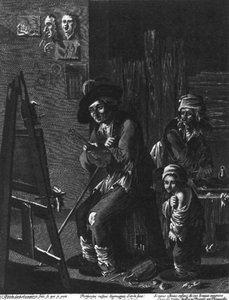
Юоркширський шахтар


 Читати далі
Олійная репродукція ручної роботи
Написана вручну олією на полотні у вашому розмірі та рамі, виготовлена на замовлення нашими художниками. ( Перейти до друку Перейти до цифрових зображень)




P118B $10

P118H $10

P118W $10

P438Z $10

P508JH $12

P508YH $12

P805H $10

P805Z $10

P919BZ $10

P919G $10

P919XJ $10

P959ZH $10

P968JZ $12

W106C $8

W218G $10

W218JH $8

W218Y $10

W307PJ $10

W316G $10

W316PJ $8

W316Y $10

W398PJ $8

W4111J $10

W500HY $15

W500JH $15

W692G $12

W849H $8

W940BG $15

W953PJ $8




Обирайте з наших стандартних розмірів, що відповідають оригінальним пропорціям твору мистецтва.

Ви можете вказати власні розміри, щоб репродукція ідеально підійшла до конкретної рами або інтер'єру. Якщо вибраний вами розмір не відповідає пропорціям оригіналу, ми або обріжемо полотно, або доповнимо картину додатковими елементами, промальованими вручну. Цифровий макет буде надіслано вам на затвердження перед початком виробництва.
Зверніть увагу, що попередній перегляд на екрані не відображає фактичне обрізання або розширення зображення. Тільки макет точно покаже остаточну композицію.
Хоча ми можемо виготовити виріб у нестандартному розмірі, для збереження оригінальних пропорцій рекомендуємо обирати варіанти зі встановленого списку.
Після оформлення замовлення команда AllPaintingsStore.com зв'яжеться з клієнтом електронною поштою для отримання інструкцій та надасть попередній макет
Доставка по всьому світу () за 3–4 тижні замість стандартних 5 тижнів. (22 Вересень). Без жодних компромісів у якості.

Безкоштовна експрес-доставка по всьому світу

Високоякісне лляне полотно

Повне страхове покриття доставки

Гарантія повернення митних зборів

Гарантія точного відтворення кольорів

Політика повернення протягом 100 днів (лише у разі виявлення дефектів)

Гарантія повернення 100% коштів

Знижка на оптові замовлення
 Скляний варіант доступний лише для розмірів до 110 см

Юоркширський шахтар
Техніка репродукції
Розмір репродукції
-


Загальна вартість
$ 258
George Walker’s Yorkshire Miner: A Silent Testament to Industrial Progress
Yorkshire Miner by George Walker (1860 – 1911) stands as a remarkable achievement in the realm of wordless graphic narrative, embodying the spirit of Impressionism interwoven with Symbolist sensibilities. Created in 1814, this monochrome engraving transcends mere depiction; it’s an invitation to contemplate the profound impact of technological advancement on the human condition during Britain's burgeoning industrial revolution. Walker’s masterful use of line and texture speaks volumes where words fail, capturing a moment frozen in time with remarkable precision and emotional resonance.Composition & Technique: Mastering Monochromatic Expression
The engraving’s central focus is undeniably the solitary miner, positioned prominently against the backdrop of a steam locomotive and ore carts—a visual representation of the transformative forces reshaping Yorkshire's landscape and economy. Walker skillfully employs geometric shapes – rectangular buildings and carts – juxtaposed with organic forms mirroring the human figure – to establish depth and guide the viewer’s gaze. Cross-hatching and stippling techniques are meticulously applied to render clothing, coal bags, and the ground, generating a palpable sense of texture that enhances realism without resorting to color. The flattened perspective characteristic of engravings emphasizes the scene's immediacy, prioritizing clarity of form over illusionistic depth. This deliberate stylistic choice underscores Walker’s commitment to conveying emotion through visual cues alone.Historical Context & Symbolism: Labor, Progress, and Quiet Reflection
Yorkshire Miner resides firmly within the context of early railway development—a period marked by unprecedented industrial expansion and societal upheaval. The engraving serves as a poignant commentary on the hardships endured by working-class laborers – individuals like the miner depicted – who fueled this transformative era. Walker’s decision to forgo color is deliberate, fostering contemplation rather than distraction. It invites viewers to consider not just what they see but also what it represents: the relentless pursuit of progress alongside the quiet dignity of manual labor. The somber tone reinforces this message, prompting reflection on humanity's relationship with technology and its consequences for everyday life.Walker’s Influence & Artistic Legacy
Inspired by artists such as Henri Matisse and Gustave Moreau, George Walker championed the expressive potential of color alongside the absence of text—a pioneering approach that aligns perfectly with the broader artistic currents of his time. His collaboration with fellow artist Ethel Walker solidified his position as one of Canada's foremost practitioners of wordless graphic narratives. Furthermore, Walker’s meticulous observation of the natural world and his dedication to capturing fleeting moments of beauty – evident in his landscapes and scenes of England – resonate powerfully with contemporary sensibilities. His work continues to inspire artists and collectors alike, securing his place as a pivotal figure in Victorian art history.A Reproduction Worth Admiring
A high-quality reproduction of Yorkshire Miner by George Walker offers an exceptional opportunity to experience the enduring power of this evocative image. Its monochrome palette captures the essence of its historical context and stylistic brilliance—a testament to Walker’s artistic vision and a captivating addition to any discerning collection.Схожі твори мистецтва




Біографія митця
The Silent Resonance of George Walker
In the quiet intersection where the tactile tradition of printmaking meets the profound depth of visual storytelling, the work of George Walker emerges as a singular voice. A master of the wood engraving, Walker has dedicated his career to the art of the wordless narrative, creating a realm where imagery does not merely supplement text but replaces it entirely. His practice is an evocative dance of light and shadow, carved with meticulous precision into the grain of the wood, inviting viewers to inhabit a silent, contemplative space. Through his intricate engravings, he captures the essence of human experience, transforming the stark contrast of black ink on white paper into a complex language of emotion and memory.
Born in 1960, Walker’s artistic identity is deeply intertwined with the rich traditions of Canadian book arts and the technical rigor of letterpress printing. His journey through the halls of the Ontario College of Art and later academic pursuits at Brock University and Ryerson provided him with a robust foundation in both the physical craft of the printer and the intellectual depth of communication and culture. This dual mastery allows him to approach the page not just as a canvas, but as a structural element of a larger narrative architecture. His work often feels like a bridge between eras, possessing a timeless quality that evokes the delicate craftsmanship of a bygone age while addressing contemporary psychological landscapes.
A Symphony of Line and Symbolism
The technical brilliance of Walker’s wood engravings lies in his ability to manipulate the most minute details of the medium to achieve a sense of atmospheric depth. Influenced by the expressive power of Impressionism and the evocative, dreamlike qualities of Symbolism, he utilizes the starkness of relief printing to create nuanced tonal palettes. Each line is a deliberate stroke of storytelling, capable of conveying the fleeting shimmer of light or the heavy, brooding weight of a psychological shadow. His mastery over the woodblock allows for a level of delicacy that belies the physical strength required by the craft, resulting in works that are both structurally bold and emotionally tender.
Beyond the technical, Walker’s work is deeply rooted in the concept of the wordless novel—a genre that demands the viewer become an active participant in the creation of meaning. By stripping away the crutch of prose, he forces a direct confrontation with the image. This approach finds kinship with the legendary graphic narratives of Frans Masereel, yet Walker infuses his work with a uniquely Canadian sensibility and a personal preoccupation with historical and biographical themes. His ability to weave complex biographies—such as those of Tom Thomson or Leonard Cohen—into purely visual sequences demonstrates a profound understanding of how symbolism can transcend linguistic barriers.
Legacy and the Art of the Book
Throughout his illustrious career, Walker has achieved significant recognition within the global art community, notably being elected to the Royal Canadian Academy of Arts in 2002. His contributions extend far beyond individual prints; he has been a pivotal figure in the revitalization of fine press book arts, treating the book as an integrated object of art where binding, paper, and print coalesce into a singular experience. His collaborations with luminaries such as Neil Gaiman further highlight his ability to bridge the gap between high-art printmaking and contemporary literary culture.
The historical significance of George Walker lies in his preservation and evolution of the relief printing tradition. In an age dominated by the ephemeral nature of digital media, his commitment to the permanent, tactile, and deeply considered medium of wood engraving serves as a vital reminder of the power of slow art. His body of work stands as a testament to the enduring strength of visual narrative, proving that even in total silence, the most profound stories can be told.

george walker
1960 - 1911 , Canada
Довідкова інформація
- Artistic Movement Or Style: Impressionism
- Artists Or Movements Influenced By This Artist: ['Symbolism']
- Artists Who Influenced This Artist: ['Gustave Moreau']
- Date Of Birth: 1861
- Date Of Death: 1951
- Full Name: George Alexander Walker
- Nationality: Scottish
- Notable Artworks: ['Portrait of Ethel Walker']
- Place Of Birth: Glasgow
Схожі статті

Mastering the Line: A Professional Guide to the Precision and Legacy of Engraving for Interior Designers
Explore the technical precision of engraving and intaglio printmaking. A professional guide for hotel designers on integrating historical line work and museum-quality art reproductions into large-scale hospitality projects with ease and authority.


