


 Переглянути в інтер'єрі
 Надіслати
 Поділитися
 Деталі

 Завантажити
 Схожі експонати
 Рентгенівське дослідження
 Слайд-шоу
Перед весною
 Акрил на полотні
- Настінний декор
- Contemporary Realism
 1917
1917 100.0 x 130.0 cm
 Парламент Польщі
 Читати далі
Олійная репродукція ручної роботи
Написана вручну олією на полотні у вашому розмірі та рамі, виготовлена на замовлення нашими художниками. ( Перейти до друку Перейти до зображення)




P118B $10

P118H $10

P118W $10

P438Z $10

P508JH $12

P508YH $12

P805H $10

P805Z $10

P919BZ $10

P919G $10

P919XJ $10

P959ZH $10

P968JZ $12

W106C $8

W218G $10

W218JH $8

W218Y $10

W307PJ $10

W316G $10

W316PJ $8

W316Y $10

W398PJ $8

W4111J $10

W500HY $15

W500JH $15

W692G $12

W849H $8

W940BG $15

W953PJ $8




Обирайте з наших стандартних розмірів, що відповідають оригінальним пропорціям твору мистецтва.

Ви можете вказати власні розміри, щоб репродукція ідеально підійшла до конкретної рами або інтер'єру. Якщо вибраний вами розмір не відповідає пропорціям оригіналу, ми або обріжемо полотно, або доповнимо картину додатковими елементами, промальованими вручну. Цифровий макет буде надіслано вам на затвердження перед початком виробництва.
Зверніть увагу, що попередній перегляд на екрані не відображає фактичне обрізання або розширення зображення. Тільки макет точно покаже остаточну композицію.
Хоча ми можемо виготовити виріб у нестандартному розмірі, для збереження оригінальних пропорцій рекомендуємо обирати варіанти зі встановленого списку.
Після оформлення замовлення команда AllPaintingsStore.com зв'яжеться з клієнтом електронною поштою для отримання інструкцій та надасть попередній макет
Доставка по всьому світу () за 3–4 тижні замість стандартних 5 тижнів. (5 Серпень). Без жодних компромісів у якості.

Безкоштовна експрес-доставка по всьому світу

Високоякісне лляне полотно

Повне страхове покриття доставки

Гарантія відшкодування митних зборів

Гарантія точного відтворення кольорів

Політика повернення протягом 60 днів (лише у разі виявлення дефектів)

Гарантія повернення 100% коштів

Знижка на оптові замовлення
 Скляний варіант доступний лише для розмірів до 110 см

Перед весною
Техніка репродукції
Розмір репродукції
-


Загальна вартість
$ 258
Опис твору
Передвечірньою Польщею: Життя та мистецтво Józefa Rapacki
Жозеф Рапацкі, народжений у Варшаві в 1871 році, був художником глибоко чутливим до душі польського села. Його життя розгорталося на тлі змінних політичних ландшафтів і бурхливих мистецьких течій, але його творби залишалися вірними ностальгічним зображенням Мазовії – історичної регіону, що став як його музеєм, так і незабутнім спадком. Його родина була театральною – батько актором, письменником та перекладачем, з братами й сестрами, які йшли по схожій стежині – спочатку здавалося, що Рапацкі призначений для сцени. Проте, у віці чотирнадцяти він відкрив своє справжнє покликання в лініях і розведеннях малювання, записавшись до уроків, які викладав Войчех Герсон – провідний діяч польського реалізму. Ця рання наставництво не тільки забезпечила йому технічну майстерність, але й глибоку пошану до спостереження та інтерпретації природного світу. Його подальші навчання у Віденському Академії мистецтв під керівництвом Ізидора Яба- Стиль: Реалізм
- Техніка: Живописний метод із використанням контурів та тонких мазків.
- Епоха: Перша світова війна (1917 рік)
- Символізм: Горизонтальні шари хмар у небі символізують майбутню весну та новий початок.
- Емоційний вплив: Картина викликає відчуття ностальгії за минулим часом та любов до рідної землі.
Схожі твори мистецтва


Біографія митця
A Nostalgic Vision of Poland: The Life and Art of Józef Rapacki
Józef Rapacki, born in Warsaw in 1871, was a painter deeply attuned to the soul of the Polish countryside. His life unfolded against a backdrop of shifting political landscapes and burgeoning artistic movements, yet his work remained steadfastly rooted in a nostalgic portrayal of Mazovia – the historical region that became both his muse and his enduring legacy. Coming from a theatrical family—his father an actor, writer, and translator, with siblings following similar paths—Rapacki initially seemed destined for the stage. However, at the age of fourteen, he discovered his true calling within the lines and washes of drawing, enrolling in classes taught by Wojciech Gerson, a prominent figure in Polish Realism. This early mentorship instilled in him not only technical skill but also a deep appreciation for observing and interpreting the natural world. His subsequent studies at the Kraków Academy of Fine Arts under Izydor Jabłoński, Florian Cynk, and Feliks Szynalewski further refined his abilities, preparing him for a journey that would ultimately define his artistic identity.From Munich to Mazovia: Artistic Development and Influences
Rapacki’s artistic development was significantly shaped by his time in Munich, where he studied with Conrad Fehr beginning in 1889. Exposure to the “Munich School” broadened his perspective, influencing his approach to composition and color. However, it was a study trip to Italy around 1898 that truly ignited his passion for landscape painting. He returned to Poland imbued with a desire to capture the unique beauty of his homeland. Initially working in landscapes, cityscapes, and genre scenes, Rapacki gradually focused on the Mazovian countryside, drawn to its vast plains, scattered woodlands, and humble rural life. His work began appearing in prominent Warsaw periodicals like *Tygodnik Ilustrowany*, and he illustrated works by Ignacy Krasicki, demonstrating his versatility as an artist. He exhibited at the Exposition Universelle in 1900, gaining international recognition for his talent. This period saw him absorbing influences from various sources, yet always filtering them through a distinctly Polish sensibility. The Barbizon School’s emphasis on direct observation and natural light would later become particularly evident in his work.Landscapes of the Heart: Style and Subject Matter
Józef Rapacki's paintings are characterized by their quiet realism, luminous atmosphere, and a profound sense of tranquility. He masterfully captured the subtle nuances of light and shadow, imbuing his landscapes with an almost ethereal quality. His palette favored muted tones—soft greens, browns, grays, and ochres—reflecting the natural colors of the Mazovian countryside. While he occasionally depicted figures within his scenes – peasant women gathering mushrooms or working in fields – they were rarely the focal point; instead, they served to enhance the sense of place and evoke a feeling of harmony between humanity and nature. He became known as “the painter of birches and lilac heathers,” subjects that recurred frequently throughout his oeuvre. His compositions often feature expansive vistas, drawing the viewer into the depth of the landscape and creating a sense of spaciousness. Buttercups, painted in 1927, exemplifies this style—a vibrant marsh scene rendered with delicate brushwork and bathed in golden light. Similarly, Mushroom Picking (1910) showcases his ability to capture the serenity of rural life, inspired by the Barbizon School’s approach to depicting everyday scenes.Wartime Reflections and Lasting Legacy
Rapacki's life was marked by personal hardship; a severe lung ailment forced him to relocate from Warsaw to Kraków and eventually to Olszanka, where he found solace in the landscapes that would become his signature subject matter. The outbreak of World War I brought new challenges and responsibilities. He contributed numerous drawings to the Warsaw press, including the powerful series *Prusak w Polsce* (“Prussian in Poland”), which served as propaganda during the Silesian Uprisings. This work demonstrates Rapacki’s willingness to use his art for a political purpose, reflecting his deep patriotism and concern for the fate of Poland. He passed away in Olszanka in 1929, leaving behind a rich artistic legacy that continues to resonate with audiences today. His paintings can be found in prominent museums such as the Muzeum w Warszawie and the Museum Pomorskie (Danzig), ensuring his place within the canon of Polish art history. Józef Rapacki’s work offers more than just picturesque scenes; it provides a poignant glimpse into a vanishing way of life, a nostalgic tribute to the beauty and spirit of Mazovia, and a testament to the enduring power of landscape painting.
Józef Rapacki
1871 - 1929 , Poland
Досьє митця
- Artistic Movement Or Style: Realism, Munich School
- Artists Who Influenced This Artist:
- Wojciech Gerson
- Conrad Fehr
- Date Of Birth: March 19, 1871
- Date Of Death: January 31, 1929
- Full Name: Józef Rapacki
- Nationality: Polish
- Notable Artworks:
- Buttercups
- Mushroom Picking
- Before Spring
- Place Of Birth: Warsaw, Poland
Схожі статті
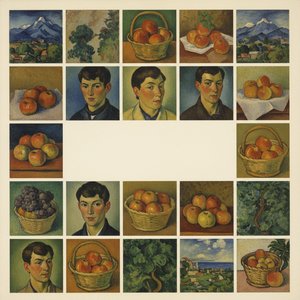
25 шедеврів Поля Сезанна: подорож у світ імпресіонізму та натюрморту | AllPaintingsStore
Відкрийте 25 найвідоміших картин Поля Сезанна! Дослідіть імпресіонізм, натюрморти та пейзажі художника. Купіть високоякісні репродукції та знайдіть ідеальний декор для вашого дому на AllPaintingsStore.com.
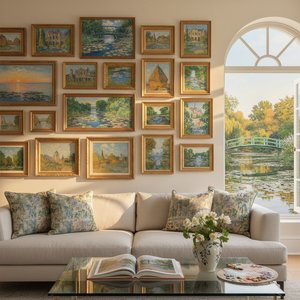
Клод Моне: Топ-25 шедеврів імпресіонізму для вашого дому | AllPaintingsStore
Відкрийте для себе 25 найвідоміших шедеврів Клода Моне! Історія імпресіонізму, пейзажі, водні лілії та унікальні техніки живопису. Репродукції картин високої якості для вашого дому від AllPaintingsStore.com. Дослідіть всю колекцію онлайн!

Топ-10 шедеврів пейзажу: мистецтво природи в інтер'єрі від AllPaintingsStore
Відкрийте для себе 10 найвідоміших пейзажів в історії мистецтва! Ван Гог, Моне та інші майстри. Репродукції картин високої якості від AllPaintingsStore – натхнення для вашого дому. Дослідіть колекцію онлайн!

Увіковічніть Місце Вашого Весілля в Індивідуальному Картині
Замовте унікальну весільну картину на ! Професійні художники втілять ваші спогади у витончений шедевр. Якість, індивідуальний підхід та збереження ваших найдорожчих моментів.

Топ-10 шедеврів романтичного пейзажу: мистецтво, що захоплює дух | AllPaintingsStore
Відкрийте для себе 10 шедеврів романтичного пейзажу! Каспар Давид Фрідріх, Тернер та інші майстри. Історія мистецтва, емоційні кольори природи та ідеї декору з AllPaintingsStore.com. Дослідіть колекцію онлайн!





