


 Переглянути в інтер'єрі
 Надіслати
 Поділитися
 Деталі
 Посібник

 Завантажити
 Схожі предмети колекціонування
 Рентгенівське дослідження
 Слайд-шоу
 Статистика переглядів
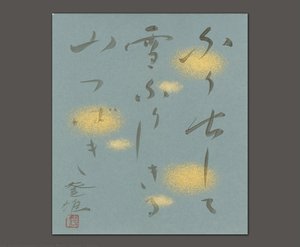
Album of waka
 Japanese Landscape Painting
 601
601 20.0cm x 23.0cm
 Читати далі
Олійная репродукція ручної роботи
Написана вручну олією на полотні у вашому розмірі та рамі, виготовлена на замовлення нашими художниками. ( Перейти до друку Перейти до цифрових зображень)




P118B $10

P118H $10

P118W $10

P438Z $10

P508JH $12

P508YH $12

P805H $10

P805Z $10

P919BZ $10

P919G $10

P919XJ $10

P959ZH $10

P968JZ $12

W106C $8

W218G $10

W218JH $8

W218Y $10

W307PJ $10

W316G $10

W316PJ $8

W316Y $10

W398PJ $8

W4111J $10

W500HY $15

W500JH $15

W692G $12

W849H $8

W940BG $15

W953PJ $8




Обирайте з наших стандартних розмірів, що відповідають оригінальним пропорціям твору мистецтва.

Ви можете вказати власні розміри, щоб репродукція ідеально підійшла до конкретної рами або інтер'єру. Якщо вибраний вами розмір не відповідає пропорціям оригіналу, ми або обріжемо полотно, або доповнимо картину додатковими елементами, промальованими вручну. Цифровий макет буде надіслано вам на затвердження перед початком виробництва.
Зверніть увагу, що попередній перегляд на екрані не відображає фактичне обрізання або розширення зображення. Тільки макет точно покаже остаточну композицію.
Хоча ми можемо виготовити виріб у нестандартному розмірі, для збереження оригінальних пропорцій рекомендуємо обирати варіанти зі встановленого списку.
Після оформлення замовлення команда AllPaintingsStore.com зв'яжеться з клієнтом електронною поштою для отримання інструкцій та надасть попередній макет
Доставка по всьому світу () за 3–4 тижні замість стандартних 5 тижнів. (22 Вересень). Без жодних компромісів у якості.

Безкоштовна експрес-доставка по всьому світу

Високоякісне лляне полотно

Повне страхове покриття доставки

Гарантія повернення митних зборів

Гарантія точного відтворення кольорів

Політика повернення протягом 100 днів (лише у разі виявлення дефектів)

Гарантія повернення 100% коштів

Знижка на оптові замовлення
 Скляний варіант доступний лише для розмірів до 110 см

Album of waka
Техніка репродукції
Розмір репродукції
-


Загальна вартість
$ 308
A Window into Courtly Life: The Album of Waka
This exquisite album offers a rare glimpse into the refined world of Japan’s imperial court in the early 17th century. More than just a collection of poems, it is a testament to a millennium of artistic tradition – a harmonious blend of calligraphy and painting embodying both intellectual pursuit and aesthetic delight. Created by Emperor Go-Yōzei and eleven fellow courtiers, including members of his family, this album encapsulates a pivotal moment in Japanese history, bridging the Azuchi–Momoyama and Edo periods. The work’s intimate scale (20.1cm x 23.4cm) suggests it was intended for private contemplation, a treasured possession passed between discerning individuals.Style & Technique: Sumi-e Elegance with Gilded Splendor
The artwork showcases the mastery of *Sumi-e* (ink wash painting), a distinctly Japanese style characterized by its fluid brushwork and emphasis on capturing atmosphere over precise detail. Each page features two *waka* poems – thirty-one syllable verses – meticulously inscribed alongside delicately rendered scenes. These aren’t merely illustrations; they are integral to the poetic expression, enhancing the emotional resonance of the verse. The artist(s) employed a sophisticated palette beyond simple ink: gold and silver powders, cut foil, and vibrant colors were skillfully layered to create a sense of sumptuousness. Natural motifs – abbreviated landscapes, bridges, clouds, cherry blossoms, leaves, and birds – are prevalent, rendered with both realism and abstraction. The calligraphy itself varies from dynamic running script to graceful cursive, demonstrating the individual styles of each contributing calligrapher. Notice how brushlines shift in thickness, ranging from bold, rich blacks to almost ethereal fineness.Symbolism & Historical Context: Echoes of a Bygone Era
The *waka* poems themselves are steeped in symbolism and allude to classical Japanese literature and courtly life. The natural motifs aren’t simply decorative; they carry layers of meaning. Cherry blossoms, for example, represent the fleeting nature of beauty and life – a common theme in Japanese art and poetry. Birds often symbolize messengers or freedom. The album reflects the continued importance of aristocratic culture even as Japan transitioned into a new era under the Tokugawa shogunate. Emperor Go-Yōzei’s participation, along with his family, underscores the enduring prestige of the imperial lineage. The very act of creating such an album was a deliberate preservation of cultural values and artistic skills in a time of significant social change.Emotional Impact & Interior Design
The overall impression is one of serene beauty and refined elegance. This artwork evokes a sense of tranquility, inviting contemplation and appreciation for the subtleties of Japanese aesthetics. A reproduction of this album would be a stunning addition to any interior space – particularly those seeking a touch of understated luxury and cultural depth.- Its muted color palette complements both modern and traditional décor.
- The intimate scale makes it suitable for smaller spaces, such as studies or bedrooms.
- The artwork’s historical significance adds an intellectual dimension to any collection.
Схожі твори мистецтва




Біографія митця
A Sovereign’s Brush: The Life and Art of Emperor Go-Yōzei
Emperor Go-Yōzei, born Katahito in Kyoto in 1571, occupied a unique position in Japanese history—a ruler deeply immersed in the aesthetic currents of his time. He wasn't merely a figurehead presiding over the tumultuous transition from the Azuchi–Momoyama to the Edo period; he was a highly accomplished calligrapher and poet, whose artistic endeavors reflected both the classical traditions of the imperial court and an emerging sensibility that foreshadowed the refined culture of the coming era. His reign, spanning 1586 to 1611, witnessed Japan consolidating after decades of civil war, and Go-Yōzei’s patronage of the arts played a subtle yet significant role in shaping the nation's cultural identity. He was the 107th emperor of Japan according to traditional succession, inheriting a legacy steeped in centuries of artistic refinement, but also facing the challenge of navigating a rapidly changing political landscape dominated by powerful figures like Toyotomi Hideyoshi and, later, Tokugawa Ieyasu.The Imperial Context: Lineage and Early Life
Go-Yōzei’s lineage was intrinsically linked to the shifting power dynamics of the late 16th century. He was the eldest son of Prince Masahito, who himself was a son of Emperor Ōgimachi. This familial connection placed Go-Yōzei within a complex web of imperial and aristocratic relationships. His upbringing in the Dairi, the imperial palace grounds in Kyoto, instilled in him a profound respect for classical learning and artistic expression. The court environment fostered an appreciation for *waka* poetry—a traditional Japanese form consisting of thirty-one syllables—and calligraphy, skills that Go-Yōzei would cultivate with remarkable dedication. Before ascending to the throne, his personal name was Kazuhito, but upon becoming emperor, he adopted the name Go-Yōzei, a deliberate invocation of Emperor Yōzei from the 9th century, signifying a continuation of artistic and cultural values. The prefix “Go,” meaning ‘later,’ underscored this connection to the past while simultaneously establishing his own distinct identity within the imperial lineage.Artistic Pursuits: Calligraphy, Poetry, and Patronage
While political maneuvering occupied much of his reign, Go-Yōzei’s true passion lay in artistic creation. He was celebrated as a master calligrapher, renowned for his elegant brushwork and innovative style. His calligraphy wasn't simply an exercise in technical skill; it was deeply imbued with personal expression and spiritual contemplation. He favored *sumi-e* ink paintings, often incorporating natural motifs—landscapes, flowers, birds—into his compositions. These works weren’t merely decorative; they were intended to evoke a sense of harmony between humanity and nature, reflecting the Zen Buddhist principles that permeated court culture. Beyond calligraphy, Go-Yōzei was also an accomplished *waka* poet, composing numerous albums filled with verses that explored themes of love, loss, and the transience of life. His poetry often served as inspiration for his calligraphic works, creating a synergistic interplay between visual art and literature. He actively encouraged artistic endeavors within the court, fostering a vibrant creative environment and commissioning works from talented artists.Navigating Power: Hideyoshi, Ieyasu, and Imperial Authority
Go-Yōzei’s reign coincided with the rise of Toyotomi Hideyoshi, who unified Japan after centuries of conflict. While Hideyoshi held the real political power, Go-Yōzei skillfully maintained a degree of imperial authority through strategic alliances and cultural diplomacy. He understood the importance of symbolism and used his artistic patronage to legitimize Hideyoshi’s rule while simultaneously preserving the dignity of the imperial court. Later in his reign, he formally bestowed the title of *shogun* upon Tokugawa Ieyasu in 1603, solidifying Ieyasu's position as the new military ruler of Japan and ushering in the Edo period. This act was a crucial moment in Japanese history, marking the transition from a fragmented feudal system to a centralized shogunate. Go-Yōzei’s decision to grant this title underscored his ability to navigate complex political realities while upholding the traditions of imperial legitimacy.Legacy and Historical Significance
Emperor Go-Yōzei abdicated in 1611, passing the throne to his son, who became Emperor Go-Mizunoo. He died five years later, leaving behind a legacy as one of Japan’s most artistically gifted rulers. His calligraphy and poetry continue to be admired for their elegance, innovation, and spiritual depth. He was the last emperor depicted in traditional medieval style—with facial hair—in his official portrait, symbolizing a connection to an earlier era. The shift towards clean-shaven portraits of subsequent emperors reflected the changing aesthetic sensibilities of the Edo period. Go-Yōzei’s reign bridged two distinct periods in Japanese history, and his artistic endeavors played a vital role in shaping the cultural landscape of the nation. He demonstrated that even within the confines of political constraints, an emperor could exert influence through the power of art, leaving an enduring mark on Japan's rich cultural heritage.
emperor go-yōzei
1571 - 1617 , Japan
Довідкова інформація
- Artistic Movement Or Style: Calligraphy, Waka poetry
- Date Of Birth: December 31, 1571
- Date Of Death: September 25, 1617
- Full Name: Emperor Go-Yōzei
- Nationality: Japanese
- Notable Artworks:
- Album of waka
- Letter in Japanese script
- Place Of Birth: Kyoto, Japan
Схожі статті

Timeless Elegance: Capturing the Spirit of Japanese Culture Through the Lens of Ukiyo-e Fine Art
Explore the profound beauty of Japanese Ukiyo-e art. Discover the legacy of Hokusai and the Utagawa school through an expert exploration of Edo-period aesthetics, seasonal motifs, and the enduring global influence of Japan's 'Floating World' on fine art history.

Zen on Canvas: The Timeless Beauty and Spiritual Depth of Japanese Landscape Painting
Explore the profound serenity of Japanese landscape painting. From Hokusai's waves to Zen-inspired ink washes, discover the history, technique, and spiritual depth of Ukiyo-e masters in this expert art historical guide for collectors and enthusiasts.

Beyond the Great Wave: The High-Impact Visual Revolution of Japanese Landscape Art
Go beyond Hokusai's Great Wave. Explore the high-impact, graphic world of Japanese Ukiyo-e landscapes and urban prints. Discover how these bold, vibrant woodblock masterpieces continue to shape modern pop culture and contemporary design aesthetics.

Zen on Canvas: The Timeless Artistry and Spiritual Depth of Japanese Landscape Painting
Explore the profound beauty of Japanese landscape painting. From Hokusai's iconic vistas to Zen-inspired compositions, discover the spiritual depth and historical mastery of Ukiyo-e art in this expert cultural retrospective.
Serenity on Canvas: A Guide to the Timeless Beauty of Japanese Landscape Painting
Discover the serene beauty of Japanese landscape painting. From Hokusai's iconic woodblock prints to meditative sumi-e ink washes, explore a visual journey through the 'floating world' and learn how to bring this timeless Zen aesthetic into your modern home decor.

