


 Надіслати
 Поділитися
 Деталі
 Посібник

 Завантажити
 Схожі предмети колекціонування
 Слайд-шоу
 Статистика переглядів
Маддо Медік Мейд Мауд Кален (на складі)
 Друк у техніці جيклеє
- Цифрове мистецтво
- Documentary Photojournalism
 1951
1951 Нілсон-Аткінс Музей Мистецтва
 Читати далі
Олійная репродукція ручної роботи
Написана вручну олією на полотні у вашому розмірі та рамі, виготовлена на замовлення нашими художниками. ( Перейти до друку Перейти до цифрових зображень)




































Обирайте з наших стандартних розмірів, що відповідають оригінальним пропорціям твору мистецтва.

Ви можете вказати власні розміри, щоб репродукція ідеально підійшла до конкретної рами або інтер'єру. Якщо вибраний вами розмір не відповідає пропорціям оригіналу, ми або обріжемо полотно, або доповнимо картину додатковими елементами, промальованими вручну. Цифровий макет буде надіслано вам на затвердження перед початком виробництва.
Зверніть увагу, що попередній перегляд на екрані не відображає фактичне обрізання або розширення зображення. Тільки макет точно покаже остаточну композицію.
Хоча ми можемо виготовити виріб у нестандартному розмірі, для збереження оригінальних пропорцій рекомендуємо обирати варіанти зі встановленого списку.
Після оформлення замовлення команда AllPaintingsStore.com зв'яжеться з клієнтом електронною поштою для отримання інструкцій та надасть попередній макет
Доставка по всьому світу () за 3–4 тижні замість стандартних 5 тижнів. (21 Вересень). Без жодних компромісів у якості.

Безкоштовна експрес-доставка по всьому світу

Високоякісне лляне полотно

Повне страхове покриття доставки

Гарантія повернення митних зборів

Гарантія точного відтворення кольорів

Політика повернення протягом 100 днів (лише у разі виявлення дефектів)

Гарантія повернення 100% коштів

Знижка на оптові замовлення
 Скляний варіант доступний лише для розмірів до 110 см

Маддо Медік Мейд Мауд Кален (на складі)
Техніка репродукції
Розмір репродукції
-


Загальна вартість
$ 308
Занурення у серце Америки: Nurse Midwife Maude Callen (at store) Вілляма Ейген Сміта
Фотографія “Nurse Midwife Maude Callen (at store)” – це не просто знімок, а справжній портал у 1950-ті роки Америки. Зроблена у 1951 році Віллемом Ейген Смітом, вона занурює глядача в атмосферу скромного магазину в сільській місцевості, де зустрічаються звичайні люди – медсестра Мауд Кален та двоє незнайомців. Сміт, визнаний одним із найважливіших американських фотожурналістів, майстерно передав не лише зовнішній вигляд сцени, але й відчуття напруги, співчуття та людської взаємодії, що пронизує кожну деталь. Цей знімок – це вікно у життя простих людей, які часто залишаються непоміченими історією, але їхня роль у суспільстві є неоціненною.
Стиль фотографії Сміта характеризується документальним реалізмом, що поєднується з глибоким емоційним забарвленням. Він не намагався створити ідеальну композицію чи прикрасити сцену, а просто зафіксував момент, як він був, без жодного маніпулювання. Це підкреслює чесність та щирість роботи Сміта, що робить її особливо потужною та резонансною.
Техніка та композиція: Розкриття простору та людських стосунків
Знімок виконаний у чорно-білому стилі, що підсилює драматизм сцени та дозволяє зосередитися на фактурах, формах та світлотіні. Сміт використовує техніку малої глибини різкості, щоб виділити центральних персонажів – медсестру Мауд Кален, чоловіка в капелюсі та людину за прилавком. Фон, наповнений книгами та іншими речами, створює відчуття затишної, але трохи хаотичної обстановки магазину, що відображає реальність життя у сільській Америці того часу. Композиція злегка асиметрична, що привертає увагу до взаємодії між людьми та підкреслює їхню важливість.
Історичний контекст та символізм
Фотографія була зроблена у 1951 році, період після Другої світової війни, коли Америка переживала значні соціальні зміни. Медсестра Мауд Кален працювала в сільській місцевості, де доступ до медичної допомоги був обмежений. Її робота була не лише професійною, але й вимагала великої відповідальності та співчуття. Сміт зображує її як символ самовідданості та турботи про інших. Знімок також відображає соціальну реальність того часу – бідність, обмежені можливості та важливість місцевих громад.
Емоційний вплив: Відчуття людської взаємодії
“Nurse Midwife Maude Callen (at store)” – це фотографія, яка викликає сильні емоції. Вона змушує задуматися про цінність людських стосунків, важливість медичної допомоги та роль простих людей у суспільстві. Знімок передає відчуття надії, співчуття та взаєморозуміння – якості, які особливо актуальні сьогодні. Репродукція цієї фотографії Віллема Ейген Сміта може стати чудовим доповненням до будь-якого інтер'єру, додавши йому глибини, характеру та історичної ваги. Вона нагадує про важливість людського тепла та турботи у світі, який часто здається холодним і бездушним.
Схожі твори мистецтва


Біографія митця
The Architect of the Photo Essay: The Life and Legacy of W. Eugene Smith
In the vast landscape of twentieth-century photography, few figures loom as large or as compassionately as William Eugene Smith. Born in Wichita, Kansas, in 1918, Smith did not merely observe the world through a lens; he sought to translate the very heartbeat of human struggle and resilience into a visual language. Often hailed as perhaps the single most important American photographer in the development of the editorial photo essay, his work moved beyond the static boundaries of traditional journalism. He pioneered a method of storytelling that utilized the camera not just to record events, but to weave complex, multi-layered narratives that resonated with the profound depths of the human condition.
Smith’s artistic soul was shaped by the humanist traditions of his predecessors, drawing deep inspiration from the pioneering spirits of Alfred Stieglitz and Lewis Hine. From Stieglitz, he inherited a reverence for the expressive potential of the photographic medium, while from Hine, he adopted a fierce commitment to social advocacy. This fusion of aesthetic sensitivity and moral purpose became the cornerstone of his career. His early years were marked by a growing conviction that photography could serve as a powerful instrument for illuminating societal realities, a belief that would eventually lead him to the front lines of history's most poignant moments.
A Revolution in Narrative: The Birth of 'Country Doctor'
The year 1948 marked a seismic shift in the history of photojournalism with the publication of ‘Country Doctor’ in Life magazine. This collaborative masterpiece, created alongside writer Ron Hooker, redefined what a photographic assignment could achieve. Rather than presenting a series of disconnected snapshots, Smith constructed an extended narrative that breathed life into the rural landscapes of Iowa. Through his lens, the daily existence of Dr. John Henderson and his wife, Maude Callen, became a window into the triumphs and tribulations of healthcare in underserved communities. It was a work brimming with tenderness, yet it possessed the grit to confront the harsh realities of medical practice in isolation.
This breakthrough established the photo essay as a legitimate and potent genre, capable of conveying nuanced emotional arcs that text alone could never capture. Smith’s ability to find the universal within the particular allowed his subjects to transcend their geographic boundaries, inviting readers worldwide to empathize with the intimate struggles of the human spirit. His technique relied heavily on a masterful use of light and shadow, employing a dramatic black-and-white palette that heightened the emotional gravity of every frame.
The Humanist Lens: Compassion and Social Reform
As his career progressed, Smith’s lens turned toward the most vulnerable corners of society, championing human dignity through unflinching documentation. His legendary work featuring Nurse Midwife Maude Callen remains a pinnacle of documentary achievement. In series such as ‘Nurse Midwife (new dresses)’ and ‘Midwife Maude Callen (with sick child),’ Smith captured the profound intimacy of maternal care and the heavy responsibility of medical service in rural South Carolina. These images, characterized by their meticulous attention to detail and raw emotional honesty, serve as a testament to his ability to capture the vulnerability inherent in life and death.
Beyond the domestic and the clinical, Smith’s work expanded to address global crises and environmental catastrophes. His documentation of the devastating effects of mercury poisoning in Minamata stands as one of the most significant pieces of social documentary ever produced. Through his imagery, the invisible became visible, forcing a global audience to confront the consequences of industrial negligence. This unwavering commitment to social reform ensured that his work was never merely art for art's sake, but a vital, breathing part of the global conscience.
A Lasting Impression on Visual History
The legacy of W. Eugene Smith is etched into the very fabric of modern photojournalism. He taught the world that a photographer could be both an artist and an activist, a witness and a storyteller. His influence can be seen in every documentary project that seeks to find the soul within the struggle. By blending the technical mastery of composition with an unshakeable empathy, Smith transformed the photographic medium into a profound vessel for truth.
To look upon a Smith photograph is to encounter the weight of history and the lightness of hope simultaneously. His life’s work remains a monumental achievement, reminding us that even in the darkest chapters of human experience, there is a dignity worth capturing and a story worth telling.

william eugene smith
1918 - 1978 , United States of America
Довідкова інформація
- Artistic Movement Or Style: Photojournalism
- Artists Who Influenced This Artist:
- Dorothea Lange
- Henri Cartier-Bresson
- Date Of Birth: December 30, 1918
- Date Of Death: October 15, 1978
- Full Name: William Eugene Smith
- Nationality: American
- Notable Artworks:
- Country Doctor
- Nurse Midwife Maude Callen
- Minamata
- Place Of Birth: Wichita, United States
Схожі статті

Thomas Stuart Smith: A Study in British Impressionism & the Poetic Landscape
Explore the captivating world of Thomas Stuart Smith (1815-1869), a Scottish painter bridging Romantic realism and British Impressionism. Discover his genre scenes, philanthropic legacy & stunning interiors.

Penry Williams: Evoking Welsh Nostalgia Through Impressionistic Landscapes
Explore the captivating world of Penry Williams (1802-1885), a Welsh artist renowned for his evocative Impressionistic landscapes and scenes of Italy. Discover his life, style & legacy with AllPaintingsStore.
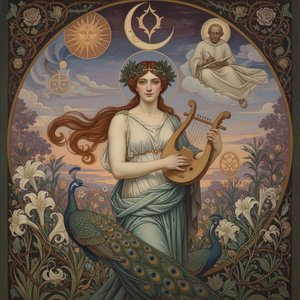
Sir William Blake Richmond: A Visionary of Aestheticism & Symbolism
Explore the life & art of Sir William Blake Richmond, a pivotal figure bridging Pre-Raphaelitism and Aestheticism. Discover his stunning portraits, mosaics at St Paul's Cathedral, and lasting influence on Victorian art.

Christopher Williams: Deconstructing Representation & Materiality in Contemporary Art
Explore the groundbreaking work of Christopher Williams, a pivotal figure in contemporary art. This analysis delves into his deconstruction of representation, materiality, and institutional critique – essential reading for serious collectors.

Witnessing History Through Lens & Light: Documentary Photography's Enduring Legacy
Explore the powerful history of documentary photography – from its origins to contemporary masters like Gordon Parks & W. Eugene Smith. Discover how this art form shapes our understanding of society and witness pivotal moments in time.


