Зміст
Короткі факти
- Topics explored:
- 18th century
- portrait
- portraiture
- swiss art
- aristocracy
- Died: 1813
- Art period: — Ранній модерн
- Best occasions: акцент
- Emotional tone: роздумливий
- Lifespan: 77 years
- Room fit: вітальня
- Museums on APS:
- Art Museum Riga Bourse
- Art Museum Riga Bourse
- Art Museum Riga Bourse
- Art Museum Riga Bourse
- Art Museum Riga Bourse
- Creative periods: mature period
- Vibe:
- елегантний
- класика
- Also known as:
- Вольфґанґ фон Антон Графф
- Граф Антон Графф
- Більше…
- Movements:
- neoclassical
- neoclassical aesthetic
- Nationality: Швейцарія
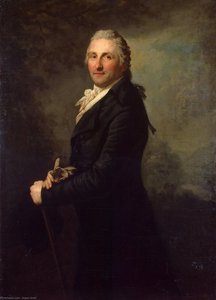
- Top-ranked work: Friedrich der Große
- Born: 1736, Вінтертур, Швейцарія
- Corpus themes:
- classical ideals
- neoclassical style
- Typical colors: природний
- Copyright status: Public domain
- Color intensity: монохромний
- Top 3 works:
- Friedrich der Große
- Portrait of the Painter Daniel Nikolaus Chodowiecki
- Портрет князя Александра Михайловича Белозельского-Белозерского
- Mediums:
- олія на полотні
- акрил на полотні
- Works on APS: 18
Тест зі знань мистецтва
У кожному запитанні лише одна правильна відповідь.
Запитання 1:
Який стиль характеризує творчість Антона Графа?
Запитання 2:
Де Граф отримав першу художню освіту?
Запитання 3:
Хто був одним із найвідоміших клієнтів Графа?
Запитання 4:
У якому році Граф помер?
Запитання 5:
Який музей зберігає портрет Графа Фрідріха Великого?
Схожі статті

Fyodor Rokotov: Intimacy & Enlightenment in Russian Portraiture
Explore the captivating portraits of Fyodor Rokotov, a master of 18th-century Russian art. Discover his unique psychological realism, Rococo elegance, and lasting influence on portrait painting. Learn about his iconic works & aristocratic patrons.


Borovikovsky: Portraiture, Enlightenment Ideals & Russian Aristocratic Identity
Explore the captivating portraits of Vladimir Borovikovsky, Russia's foremost artist of the Enlightenment era. Discover his influence on aristocratic image and sentimental style. Learn about his life, techniques & legacy.

Illuminating the Enlightenment: Artistic Expression in 18th-Century Europe
Explore the artistic brilliance of the Enlightenment era! Discover Rococo's elegance & Neoclassicism’s virtue with expert insights into 18th-century masterpieces. Learn about David, Kauffmann & more.