

Mannerist художники at a glance
Famous Mannerist Художники — Top 71 List
Ель Греко (1541–1614) is the most famous Mannerist художник, best known for Вид Толедо та Відкриття п'ятого пелюстка (Візія Святого Іоанна Богослова). Then Тінторетто, Джузепе Арчімбольдо, Бронзіно та Софонісба Ангіссола. The list covers 71 художники born between 1475 and 1577 in 14 countries, from Аміко Аспертіні to Крістофано Аллорі.
Method. Scope: artists filed under Mannerist in our catalogue. Order: our artist fame ranking. Excluded: artists born after 1955 without a Wikidata identifier. Wikipedia figure: languages with an article, out of our 32.


Key data
Mannerist: key data
- 71Художники
- 1475–1577Роки народження
- 14Країни народження
- 2Жінки
- 5 179Роботи в нашому каталозі
- Музеї, у яких зберігається найбільше ключових творів
- Kunsthistorisches Museum (20), Державний музей-заповідник «Ермітаж» (10), Музей Прадо (8), Баварські державні художні колекції (8)
- Жінки у цьому списку
- Софонісба Ангіссола, Лавінія Фонтана
Ranked list
71 Mannerist Художники, ranked with key works


4/ 71
Бронзіно 1503–1572
Італійський b. Флоренція Манєризм Wikipedia 29/32

The influence of Michelangelo’s monumental sculptures and Leonardo da Vinci's scientific observation profoundly impacted Bronzino’s artistic sensibilities.


8/ 71
Джорджо Вазарі 1511–1574
Італійський b. Ареццо Манеризм Wikipedia 31/32

Giorgio Vasari, born in Arezzo, Tuscany, on July 30, 1511, was more than simply a painter; he was a quintessential embodiment of the Italian Renaissance spirit. His monumental work, Lives of the Most Excellent Painters, Sculptors, and Architects, published in 1550 (with a revised edition in 1568), revolutionized the way art was understood and appreciated.
Trained Jacopo Zucchi #54, Federico Zuccari #41


9/ 71
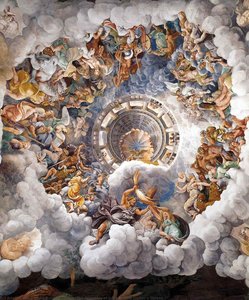
Джуліо Романо 1499–1546
Італійський b. Рим Манеризм Wikipedia 28/32

Beyond Palazzo Te, Giulio undertook significant renovations to Mantua’s ducal palace and cathedral, leaving an indelible mark on the city's urban landscape.


11/ 71
Себастьяно дель Пьйомбо 1485–1547
Італійський b. Венеція Різджання, Манієризм Wikipedia 23/32


12/ 71
Гендрік Гольціус 1558–1617
Нідерландець b. Брауншвейг Пн. маньєризм, бароко гравюри Wikipedia 19/32

Hendrik Goltzius, a name synonymous with the vibrant dynamism of Northern Mannerism in Dutch art, emerged from humble beginnings in Braunschweig, Germany, in 1558.


13/ 71
Доменіко Беккафумі 1484–1551
Italian b. Кастельнуово-Берарденга Mannerism Wikipedia 21/32

Born around 1486 in the small Tuscan town of Montaperto, near Siena, Beccafumi’s artistic journey was one of remarkable development, culminating in a style that bridged the High Renaissance and the burgeoning complexities of Mannerism.


14/ 71
Пітер Артсен 1508–1575
Нідерландський b. Амстердам Північний маньєризм Wikipedia 28/32

Here, he joined the esteemed Guild of Saint Luke, earning the moniker “Langhe Peter,” or Tall Peter, a testament to his imposing stature which frequently appeared within his portraits. His most celebrated example, The Butcher’s Shop with the Flight into Egypt (1551), exemplifies this revolutionary approach.


17/ 71
Федеріко Бароччі 1535–1612
b. Урбіно Wikipedia 24/32

“Композиційний ескіз” (для “Обрізання”, Лувр, Париж) – демонструє його здатність до балансу композиції та передачі емоцій. “Голова чоловіка” (для “Покликання святого Андрія”, Королівські музеї витончених мистецтв Бельгії, Брюссель) – підкреслює увагу Бароккі до деталей та виразності обличь. “Мадонна дель Пополо” (Галерея Уффіці, Флоренція, Італія) – одна з найвідоміших робіт Бароккі, що вражає своєю ніжністю та витонченістю.
Key works · Top 100 works
 The nativity
 Five Studies of Male Figure and two of His Right Hand and Arm (for “Madonna del Popolo”, Firenze, Galleria degli Uffizi)
 Three Studies of a Male Figure both Nude and Clothed (for “Stigmatization of Saint Francis”, Urbino, Galleria Nazionale delle Marche)
- 116116 works by Федеріко Бароччі
18/ 71
Ганс Фон Аахен 1552–1615
Німець b. Кельн Манєристське живопис Wikipedia 26/32

«Страшний суд» (1590) — твір, який свідчить про його неймовірну здатність гармонійно поєднувати численні постаті в єдиній композиції;.


20/ 71
Алессандро Аллорі 1535–1607
Італійський b. Флоренція Манеризм Wikipedia 24/32

Jerome" ще раз демонструє його майстерність у написанні сюжетних картин та ілюзійної простори.


26/ 71
Карел Ван Мандер Старший 1548–1606
Фламандська b. Мейлебеке Північний маньяризм Wikipedia 20/32


32/ 71
Отто ван Веен 1556–1629
Фламандський b. Лейден Манієризм Wikipedia 15/32

From approximately 1594 or 1595 until 1598, Van Veen served as Rubens’ teacher, instilling in the young artist a rigorous classical education and a deep appreciation for humanist principles.
Trained by Federico Zuccari #41


35/ 71
Франческо Бассано Молодший 1549–1592
Італієць b. Бассано-дель-Граппа Венеційський Ренесанс Wikipedia 12/32

Conversely, in more mythologically charged pieces like ' The Forge of Vulcan ', he demonstrated a masterful command over light and shadow, using the glow of the forge to create a dramatic, theatrical atmosphere that captivated viewers.


36/ 71
Hendrick De Clerck 1570–1630
Flemish Late Mannerism

Early Life & Training: De Clerck’s formative years are shrouded in obscurity, though evidence suggests he received training under Jan Brueghel the Elder, a titan of Flemish landscape painting and a pivotal influence on de Clerck's artistic approach. Collaborations with Jan Brueghel the Elder on landscapes such as “ Paradise ” further cemented De Clerck’s reputation as a visionary artist who skillfully blended tradition and innovation.


38/ 71
Perino del Vaga 1501–1547
Italian b. Florence Mannerist Painting Wikipedia 15/32

Pietro Buonaccorsi, known to history through the evocative moniker Perino del Vaga, remains one of the most captivating figures of the transition from the High Renaissance to the intricate complexities of Mannerism. Born in Florence around 1501 into a lineage of artistic talent, his very name— Vaga, meaning wandering or idle—suggests a restless creative energy that would eventually carry him far beyond the borders of his native Tuscany.


39/ 71
Stradanus 1523–1605
Flemish b. Bruges Renaissance, 16th Century Painting Wikipedia 15/32

His arrival coincided with a period of immense artistic patronage and experimentation within the court, orchestrated by Grand Duke Cosimo I de’ Medici and his advisor, Giorgio Vasari.
Trained Antonio Tempesta #56


40/ 71
Джованні Антоніо Порденоне 1484–1539
Італієць b. Порденоне Живопис епохи Відродження Wikipedia 16/32


41/ 71
Federico Zuccari 1539–1609
Italian b. Sant'Angelo in Vado Mannerism Wikipedia 18/32

Their collaborative spirit yielded masterpieces such as “The Holy Family ” in Palazzo Vecchio, a work that serves as a testament to their unified artistic language.


43/ 71
Cornelis Ketel 1548–1616
Dutch b. Gouda Mannerism Wikipedia 13/32

Cornelis Ketel, born in Gouda, Netherlands in 1548, occupies a fascinating, transitional space within the history of Dutch art. He spent time in Paris with Jean de la Hame, a glass-painter serving King Charles IX, before securing a position at Fontainebleau during the twilight years of the School of Fontainebleau.


44/ 71
Gillis Mostaert 1528–1598
Flemish b. Hulst Mannerism, Renaissance Wikipedia 8/32

Perhaps his most famous work, The Haywain (Allegory on Worldly and Clerical Abuses), exemplifies this inspiration.


47/ 71
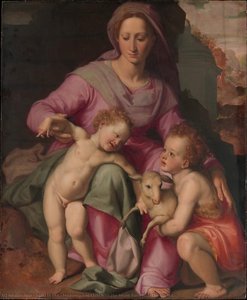
Santi di Tito 1536–1603
Italian b. Florence Proto-Baroque & Counter-Maniera Wikipedia 14/32

In the vibrant, shifting landscape of late 16th-century Italy, few figures played as pivotal a role in redefining the visual language of Florence as Santi di Tito. Between 1558 and 1564, di Tito’s presence was felt in the grand halls of Rome, where he worked alongside talented peers such as Giovanni de’ Vecchi and Niccolò Circignani.


49/ 71
Вінченцо Кампі 1536–1591
Італієць b. Кремона Фламандський стиль / Ломбардський натуралізм Wikipedia 13/32


50/ 71
Andrea Schiavone 1522–1563
Italian b. Zadar Baroque Sculpture; Mannerism Wikipedia 14/32

In the vibrant, sun-drenched tapestry of the sixteenth-century Venetian Republic, few names evoke as much intrigue and stylistic complexity as Andrea Schiavone. Born Andrea Meldolla, his very moniker—meaning "Andrew the Slav"—serves as a poetic testament to his dual identity. Though his roots lay in the Dalmatian city of Zara, now Zadar, Croatia, his artistic spirit was forged in the heart of Venice.


51/ 71
Якопо Лігоцці 1547–1627
Італієць b. Верона Пізня епоха Відродження та маньєризм Wikipedia 11/32


52/ 71
Bartolomeo Passarotti 1529–1592
Italian b. Bologna Mannerism Wikipedia 10/32

In the vibrant, shifting landscape of the late sixteenth century, few artists captured the transition from the structured elegance of the High Renaissance to the dramatic intensity of the Baroque as skillfully as Bartolomeo Passarotti. Born in Bologna in 1529, Passarotti emerged not merely as a painter, but as a pivotal bridge between eras.


53/ 71
Andrea Vicentino 1542–1617
Italian b. Vicenza Late Renaissance/Mannerist Wikipedia 5/32

Under the watchful eye and expert tutelage of Giovanni Battista Maganza, Vicentino developed a command over monumental compositions and refined aesthetics that would later define his career. Known variously as Andrea Michieli or Michelli, his movement toward Venice in the mid-1570s marked a transformative era in his development. By 1583, he had officially registered with the Fraglia, the prestigious Venetian guild of painters.


54/ 71
Jacopo Zucchi 1542–1596
Italian b. Florence Mannerist Painting Wikipedia 11/32

Allegorical Narrative: His masterpiece, Age of Silver, demonstrates his command over the Florentine Baroque style, weaving intricate details of justice and angelic presence into a complex tapestry of meaning.


56/ 71
Antonio Tempesta 1555–1630
Italian b. Florence Mannerism Wikipedia 11/32

Narrative Allegories: Utilizing complex symbolism to communicate religious and political themes, such as in his evocative work The Expulsion of Heliodorus from the Temple.
Trained by Stradanus #39


57/ 71
Аміко Аспертіні 1475–1552
Італієць b. Болонья Маньєризм Wikipedia 11/32

«Тріумф військовий» (Trionfo Militare), монументальна фреска, що зображує військову перемогу, демонструє його здатність синтезувати класичні образи з драматичною театральністю. «Еріклі та Еримантський вепр» є ще одним вражаючим прикладом, що свідчить про його майстерність у композиції та готовність спотворювати перспективу заради експресивного ефекту.


58/ 71
Wenzel Jamnitzer 1507–1585
German b. Vienna Northern Mannerism

Notably, he studied alongside Euclid's Elements and Plato’s Timaeus, texts considered foundational for geometric reasoning and philosophical contemplation – influences that would profoundly shape his later artistic pursuits.


59/ 71
Vincenzo Scamozzi 1548–1616
Italian b. Vicenza

Born in Vicenza, Italy, he emerged from a lineage of builders, being the son of Gian Domenico Scamozzi, a surveyor and contractor who served as his first teacher. Following Palladio's death in 1580, Scamozzi found himself entrusted with several unfinished projects, most notably the prestigious Teatro Olimpico at Vicenza.


60/ 71
Domenico Fontana 1543–1607
Italian b. Melide Late Renaissance

Domenico Fontana, a name often overshadowed by the titans of the High Renaissance, stands as a pivotal figure in 16th-century Italian architecture and engineering.


61/ 71
Jan De Beer 1475–1528
b. Antwerp Antwerp Mannerism Wikipedia 9/32

Active primarily in Antwerp, he was a central protagonist in a loose but influential group of painters known as the Antwerp Mannerists. By 1504, he had achieved the prestigious status of master within the Antwerp Guild of Saint Luke, eventually rising to the esteemed position of dean. The work of Jan De Beer is characterized by a breathtaking marriage of Northern Renaissance realism and a burgeoning sense of theatricality.


62/ 71
Marcello Venusti 1510–1579
Italian b. Mazzo di Valtellina Mannerist Wikipedia 10/32

Born near Como in the rugged terrain of Mazzo di Valtellina around 1512, Venusti emerged from the Italian foothills to become a vital conduit for the Mannerist aesthetic. This formative connection anchored him within the sophisticated stylistic currents of Rome, preparing him to translate the monumental language of the High Renaissance into the more stylized, elongated, and emotive vocabulary of Mannerism.


63/ 71
Туссьонт Добревіль 1561–1602
Француз b. Париж Друга школа Фонтанбюрска; Манеризъм; Итальянское искусство влияние Wikipedia 8/32

Toussaint Dubreuil (c. 1561 – 1602), a French painter born in Paris, stands as a pivotal figure within the Second School of Fontainebleau—a movement that skillfully blended the stylistic grandeur of Mannerism with the vibrant aesthetics of Italian Renaissance art.


65/ 71
Jacopino del Conte 1510–1598
Italian b. Florence Mannerist Wikipedia 10/32

The “Virgin and Child with Saint Elizabeth and John the Baptist ” (1535), now housed in the Uffizi Gallery, exemplifies this evolution, showcasing a masterful command of perspective, drapery, and emotional expression.


66/ 71
Paolo Fiammingo 1540–1596
Flemish b. Antwerp Landscape with mythological and allegorical Wikipedia 8/32

The story of Paolo Fiammingo, born Pauwels Franck, is a captivating tale of artistic migration and the seamless blending of Northern precision with Italian grandeur. Emerging from the vibrant artistic traditions of Antwerp around 1540, this master crossed the Alps to find his true calling in the shimmering atmosphere of Venice.


67/ 71
Jacques Bellange 1575–1616
French b. Bassigny Northern Mannerism Wikipedia 9/32

A master of the Northern Mannerist style, his life was lived in the twilight of the late Renaissance, a period defined by elongated forms, theatrical tension, and an almost feverish psychological intensity. Born around 1575 in the Bâse-les-Vosges region of France, Bellange emerged from a landscape of shifting borders and intense religious fervor, eventually finding his creative home within the sophisticated courtly circles of Nancy.


68/ 71
Girolamo Mazzola Bedoli 1500–1569
Italian b. Parma Mannerist Painting Wikipedia 8/32

In the vibrant, swirling currents of the Italian Mannerist period, few names capture the elegance and stylistic complexity of the Parma school quite like Girolamo Mazzola Bedoli. Born in Viadana around 1500, Bedoli emerged from a landscape deeply enriched by the artistic legacies of Lombardy and the sophisticated atmosphere of Parma.


69/ 71
Lelio Orsi 1508–1587
Italian b. Novellara Mannerist Wikipedia 7/32

In the twilight of the Italian Renaissance, as the harmonious balance of High Renaissance classicism began to fracture into the restless energy of Mannerism, there emerged a voice from the fertile plains of Emilia-Romagna that captured the profound anxieties of a changing world. Born in the small town of Novellara around 1508 or 1511, Orsi navigated an era defined by shifting theological certainties and the complex intellectual currents of humanism.


70/ 71
Michele Tosini 1503–1577
Italian b. Florence Renaissance and Mannerism Wikipedia 5/32

He was an artist who did not merely witness the transition from the High Renaissance to Mannerism but actively participated in its shaping.


71/ 71
Juan Correa De Vivar 1510–1566
Spanish b. Mascaraque Renaissance, Mannerism Wikipedia 6/32

The altarpiece for the church of Almonacid de Zorita, tragically destroyed during the Spanish Civil War in 1936-39, stands as a testament to his skill and ambition.


Best-known works
Famous Mannerist paintings by artist
Chronology
Mannerist chronology
- 1517
- 1528
- 1540
- 1545
- 1549
- 1550
- 1555
- 1555
- 1566
- 1572
- 1579
- 1586
- 1592
- 1595
Statistics
Counts by country, period and museum
| Італія | 35 |
|---|---|
| Italy | 14 |
| Нідерланди | 3 |
| Франція | 3 |
| Belgium | 3 |
| Німеччина | 2 |
| Бельгія | 2 |
| Netherlands | 2 |
| 1470s | 2 |
|---|---|
| 1480s | 3 |
| 1490s | 5 |
| 1500s | 11 |
| 1510s | 10 |
| 1520s | 8 |
| 1530s | 7 |
| 1540s | 11 |
| 1550s | 7 |
| 1560s | 4 |
| 1570s | 3 |
| Kunsthistorisches Museum | 20 |
|---|---|
| Державний музей-заповідник «Ермітаж» | 10 |
| Музей Прадо | 8 |
| Баварські державні художні колекції | 8 |
| Національна галерея | 6 |
| Метрополітен-музей | 5 |
| Рейксмюзеум | 5 |
| Галерея Уффіці | 4 |
Index
Full list of 71 famous Mannerist художники
- 1
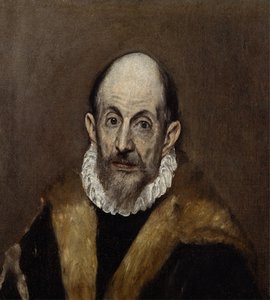 Ель ГрекоГреко-Іспанія · 1541–1614
- 2
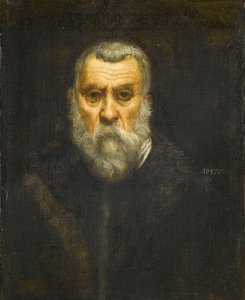 ТінтореттоІталієць · 1519–1594
- 3
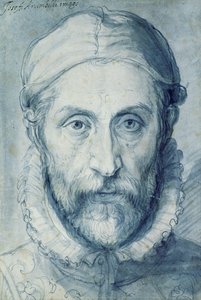 Джузепе АрчімбольдоІталійський · 1527–1593
- 4БронзіноІталійський · 1503–1572
- 5
 Софонісба АнгіссолаІталійська · 1532–1625
- 6
 Якопо ПонтормоІталійський · 1494–1556
- 7
 Франческо Парміджаніно1503–1540
- 8Джорджо ВазаріІталійський · 1511–1574
- 9Джуліо РоманоІталійський · 1499–1546
- 10
 Россо ФйорентиноІталієць · 1494–1540
- 11Себастьяно дель ПьйомбоІталійський · 1485–1547
- 12Гендрік ГольціусНідерландець · 1558–1617
- 13Доменіко БеккафуміItalian · 1484–1551
- 14Пітер АртсенНідерландський · 1508–1575
- 15
 Бартоломеус СпрангерФламандська · 1546–1611
- 16
 Лавінія ФонтанаІталійка · 1552–1614
- 17Федеріко Бароччі1535–1612
- 18Ганс Фон АахенНімець · 1552–1615
- 19
 Крістофано АллоріІталієць · 1577–1621
- 20Алессандро АллоріІталійський · 1535–1607
- 21
 Нікколо Дель АббатеІталієць · 1512–1571
- 22
 Джованні Баттіста Мороні1525–1578
- 23
 Бенвентуо Селліні1500–1571
- 24
 Франческо Сальвіаті1510–1563
- 25
 ДжамболоняФламандська · 1529–1608
- 26Карел Ван Мандер СтаршийФламандська · 1548–1606
- 27
 Данієле да Вольтерраіталієць · 1509–1566
- 28
 Жан ГужонФранцуз · 1510–1567
- 29
 Проспере ФонтанаІталієць · 1512–1597
- 30
 Йоахім ВтеваельНідерландська · 1566–1638
- 31
 Франческо ПриматіччоІталієць · 1504–1570
- 32Отто ван ВеенФламандський · 1556–1629
- 33
 Лука Камб'язоІталієць · 1527–1585
- 34
 Джузеппе ЧезаріІталієць · 1568–1640
- 35Франческо Бассано МолодшийІталієць · 1549–1592
- 36Hendrick De ClerckFlemish · 1570–1630
- 37
 Леандро БассаноІталієць · 1557–1622
- 38Perino del VagaItalian · 1501–1547
- 39StradanusFlemish · 1523–1605
- 40Джованні Антоніо ПорденонеІталієць · 1484–1539
- 41Federico ZuccariItalian · 1539–1609
- 42
 Чеккіно Дель СальвіатіІталієць · 1510–1563
- 43Cornelis KetelDutch · 1548–1616
- 44Gillis MostaertFlemish · 1528–1598
- 45
 Франческо БакьяккаІталієць · 1494–1557
- 46
 Шипіоне Пульцоне1550–1598
- 47Santi di TitoItalian · 1536–1603
- 48
 Полідоро Да КараваджоItalian · 1499–1543
- 49Вінченцо КампіІталієць · 1536–1591
- 50Andrea SchiavoneItalian · 1522–1563
- 51Якопо ЛігоцціІталієць · 1547–1627
- 52Bartolomeo PassarottiItalian · 1529–1592
- 53Andrea VicentinoItalian · 1542–1617
- 54Jacopo ZucchiItalian · 1542–1596
- 55
 Доменіко ТінтореттоІталієць · 1560–1635
- 56Antonio TempestaItalian · 1555–1630
- 57Аміко АспертініІталієць · 1475–1552
- 58Wenzel JamnitzerGerman · 1507–1585
- 59Vincenzo ScamozziItalian · 1548–1616
- 60Domenico FontanaItalian · 1543–1607
- 61Jan De Beer1475–1528
- 62Marcello VenustiItalian · 1510–1579
- 63Туссьонт ДобревільФранцуз · 1561–1602
- 64
 Томас ШтімерШвейцарія · 1539–1584
- 65Jacopino del ConteItalian · 1510–1598
- 66Paolo FiammingoFlemish · 1540–1596
- 67Jacques BellangeFrench · 1575–1616
- 68Girolamo Mazzola BedoliItalian · 1500–1569
- 69Lelio OrsiItalian · 1508–1587
- 70Michele TosiniItalian · 1503–1577
- 71Juan Correa De VivarSpanish · 1510–1566
FAQ
Mannerist: quick answers
Who was the greatest Mannerist художник?
Ель Греко (#1) comes first, ahead of Тінторетто (#2) and Джузепе Арчімбольдо (#3).
Which five Mannerist художники should everyone know?
Ель Греко (#1), Тінторетто (#2), Джузепе Арчімбольдо (#3), Бронзіно (#4) та Софонісба Ангіссола (#5).
Which country produced the most Mannerist художники?
Італія: 35 of the 71 художники in this list were born there, then Italy (14) та Нідерланди (3).
Which Mannerist художники from Італія are the most famous?
The highest-ranked художники born in Італія are Тінторетто (#2), Джузепе Арчімбольдо (#3), Бронзіно (#4), Софонісба Ангіссола (#5) та Якопо Понтормо (#6).
Which city produced the most Mannerist художники?
Флоренція: 8 of the художники in this list were born there.
Where can I see Mannerist art?
The museums holding the most key works of this list are Kunsthistorisches Museum (20), Державний музей-заповідник «Ермітаж» (10) та Музей Прадо (8).
Who was the first Mannerist художник?
The earliest-born художник in this list is Аміко Аспертіні (#57), born in 1475.
Which techniques define Mannerist art?
“Similarly, Da Vinci’s meticulous attention to detail—particularly in his sfumato technique—inspired Bronzino to achieve an unparalleled level of surface refinement.” — from our biography of Бронзіно (#4).
Which women Mannerist художники are the most famous?
2 women are in this ranking: Софонісба Ангіссола (#5) та Лавінія Фонтана (#16).
In which period did Mannerist art flourish?
Most художники in this list were born in the 1540s (11 of 71), between 1475 and 1577 overall.
Which Mannerist художники from Italy are the most famous?
The highest-ranked художники born in Italy are Perino del Vaga (#38), Federico Zuccari (#41), Santi di Tito (#47), Bartolomeo Passarotti (#52) та Andrea Vicentino (#53).
Where can I buy Mannerist art?
Our catalogue holds 5,179 works by these художники. Each one can be ordered as a hand-painted oil reproduction or a print.
Guides
AllPaintingsStore.com guides
Other lists
Famous artists by movement
 Знамениті художники BaroqueНічна варта · Рембрандт
 Знамениті художники Contemporary RealistЗбирачки · Жан-Франсуа Мілле
 Знамениті художники ImpressionistЗорі Ніч (Нью Йорк, MoMA) · Вінсент Ван Гог
 Знамениті художники RomanticistСатурн, що пожирає свого сина · Франсіско-Хосе де Гоя
 Знамениті художники NeoclassicistСмерть Марата · Жак-Луї Давід
 Знамениті художники RealistПоходження світу · Гюстав Курбе
 Знамениті художники RenaissanceМона Ліза (Джоконда) · Леонардо Да Вінчі
 Знамениті художники Dutch Golden AgeДівчина з перловою сережкою · Ян Вермер
 Знамениті художники ExpressionistКомпозиция VII · Кандінський Василь Васильович
 Знамениті художники RococoВідплив до Кітер · Антуан Ватто
By period
Famous artists by period
 Знамениті художники Early MedievalSnowy River · Ван Вей
 Знамениті художники High MedievalМадонна у Маєсті (Огнассанті Мадонна) · Джотто
 Знамениті художники Late MedievalБлаговіщення та двоє святих · Сімоне Мартіні
 Знамениті художники RenaissanceСтворення Адама · Мікеланджело Буонарроті
 Знамениті художники Early ModernПокликання святого Матвія · Мікеланджело да Караваджо
 Знамениті художники 19th CenturyВодяні лілії (або Латаття) · Клод Моне
 Знамениті художники ModernГерніка · Пабло Пікассо
 Знамениті художники ContemporaryWind Sculpture III (one in a series of nine) · Yinka Shonibare
Related lists