Зміст
Короткі факти
- Copyright status: Public domain
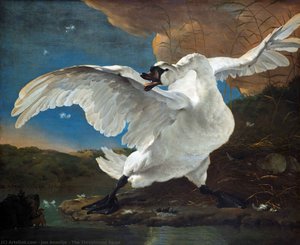
- Top-ranked work: The Threatened Swan
- Nationality: Франція
- Died: 1652
- Movements:
- dutch golden age
- baroque
- Vibe: безтурботний
- Also known as: Ян Асселин
- Museums on APS:
- Лувр
- Рейксмюзеум
- Academy of Fine Arts Vienna
- Рейксмюзеум Амстердам
- Статсмузей мистецтв Данії
- Emotional tone: спокійний
- Corpus themes: italianate landscape
- Lifespan: 42 years
- Typical colors: рожево-коричневий
- Розгорнути…
- Room fit: вітальня
- Born: 1610, Дієппе, Франція
- Mediums: олія на полотні
- Works on APS: 54
- Creative periods: mature period
- Gift suitability:
- other-none
- річниця
- Best occasions: маніфест
- Color intensity:
- збалансований
- монохромність
- Topics explored:
- landscape
- dutch art
- italy
- ruins
- dutch golden age
- Art period: — Ранній модерн
- Top 3 works:
- The Threatened Swan
- Бідні перед римським литейным горном
Тест на знання мистецтва
У кожному запитанні лише одна правильна відповідь.
Запитання 1:
Які художники значно вплинули на стиль Яна Асселіна?
Запитання 2:
У якому місті народився Ян Асселін?
Запитання 3:
Яка картина Яна Асселіна є найбільш відомою та часто розглядається як символ нідерландського національного опору?
Запитання 4:
Який художник навчався у Яна Асселіна?
Запитання 5:
До якої художньої групи належить Ян Асселін під час перебування в Італії?
Схожі статті

Mastering Light & Shadow: A Journey Through the Dutch Golden Age's Luminous Legacy
Embark on a cultural journey through the Dutch Golden Age. Explore the masterful interplay of light and shadow in 17th-century masterpieces, from Rembrandt to Vermeer, and discover how this era of profound realism continues to inspire fine art collectors today.

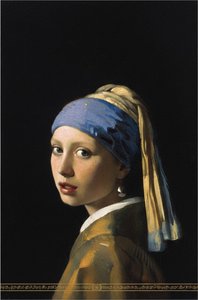
Топ-10 шедеврів Золотої доби нідерландського мистецтва | AllPaintingsStore.com
Відкрийте для себе 10 шедеврів Золотої доби нідерландського мистецтва! Рембрандт, Вермеєр та інші майстри. Історія створення, унікальні техніки та натхнення для вашого інтер'єру. Репродукції картин високої якості – AllPaintingsStore.com
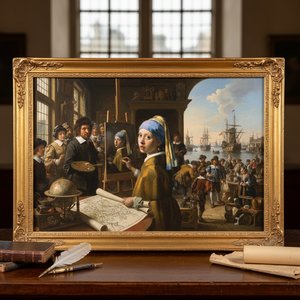
Golden Age Reflections: Dutch Baroque Painting & Cultural Innovation
Explore the Dutch Golden Age of painting! Discover key artists like Vermeer & ter Borch, their innovative techniques, and the rich cultural context behind these Baroque masterpieces. Learn about collecting & appreciating this iconic art period.