1


更新于 October 2026 · 基于我们的流行度评分排名(每件作品的搜索量、访问量及订单量) · 22 件 Bernard Picart 作品收录于我们的目录中
快速回答
Bernard Picart 的代表作是 Picart The Fall Of Icarus (1731)。 第二名和第三名分别是:Picart Sisyphus Pushing His Stone Up A Mountain (1731) 和 Scene of hell (1731)。 我们的目录收录了 Bernard Picart 的 22 件作品。此处列出的 22 件作品按知名度降序排列,并附有每件原作的创作年份及馆藏博物馆信息。



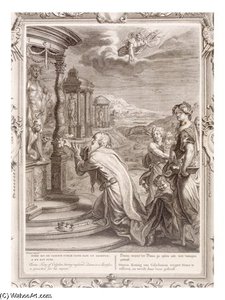 Picart Oeneus King Of Calydon Having Neglected Diana In A Sacrifice Is Punished For His Impiety1731
订购此画作 起价 $170 →
 Oeneus king of calydon having neglected diana in a sacrifice is punished for his impiety1731
选择尺寸 起价 $170 →
此排名中出现频率最高的四个主题及其代表作。
1731:本页面上的每幅 Bernard Picart 作品均创作于该年份。以下按排名顺序排列。
选择年份以查看其作品。
来自 1731 的其他画作
 #2 Picart Sisyphus Pushing His Stone Up A Mountain
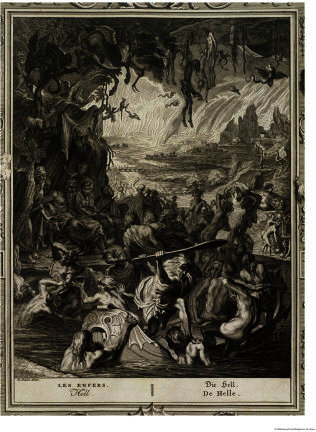
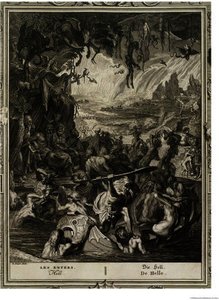 #3 Scene of hell
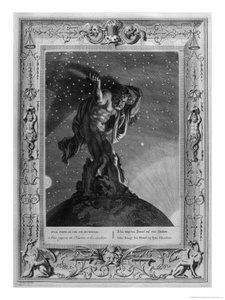
 #4 Picart Atlas Supports The Heavens On His Shoulders
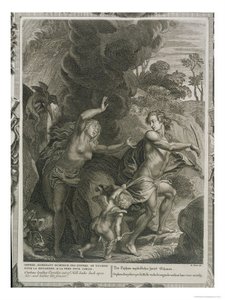 #5 Picart Orpheus Leading Eurydice Out Of Hell Looks Back Upon Her And Loses Her Forever
 #6 Picart Scene Of Hell
 #7 Picart Meleager Presents The Boar S Head To Atalanta Engraving
 #8 Picart Hercules Fights The Lernian Hydra
 #9 Picart Cassandra Foretells The Trojans Their Fate And Is Not Believed
 #10 Picart The House Of Sleep Engraving
 #11 Meleager presents the boar s head to atalanta engraving
#12 Picart Oeneus King Of Calydon Having Neglected Diana In A Sacrifice Is Punished For His Impiety
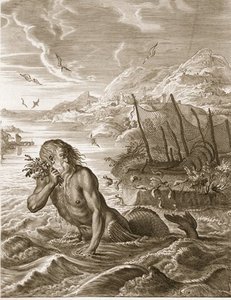 #13 Glaucus Turned Into A Sea-god,
 #14 The house of sleep engraving
#15 Oeneus king of calydon having neglected diana in a sacrifice is punished for his impiety
Picart The Fall Of Icarus (1731) 位列第一,紧随其后的是 Picart Sisyphus Pushing His Stone Up A Mountain (1731) 和 Scene of hell (1731)。
Bernard Picart 享年 58 岁:Picart The Fall Of Icarus 创作于 1731 年,Bernard Picart 出生于 1673 年。
Picart The Fall Of Icarus, Picart Sisyphus Pushing His Stone Up A Mountain, Scene of hell, Picart Atlas Supports The Heavens On His Shoulders, Picart Orpheus Leading Eurydice Out Of Hell Looks Back Upon Her And Loses Her Forever, Picart Scene Of Hell, Picart Meleager Presents The Boar S Head To Atalanta Engraving, Picart Hercules Fights The Lernian Hydra, Picart Cassandra Foretells The Trojans Their Fate And Is Not Believed 及 Picart The House Of Sleep Engraving。每件作品的创作年份及馆藏博物馆详见上方排名。
我们的目录中收录了 22 件 Bernard Picart 的作品。
在 1731 时期:此处排名的 22 幅画作中有 15 幅出自该时期,包括 Picart The Fall Of Icarus。
在入选的 22 幅画作中:Hell (2), Classical figures (2) 及 Body (2)。
基于本页作品排名,Baroque
是的。本页面的每一幅画作均可订购手绘油画复制品或版画。点击画作,选择尺寸并下单即可。
Born in Paris, France, Bernard Picart emerged from a lineage of artistic excellence as the son of the renowned engraver Etienne Picart. His early years were steeped in the rigorous traditions of French draughtsmanship, having studied drawing and architecture at the Académie royale de peinture et de sculpture. Under the tutelage of masters such as Charles le Brun, Sébastien Leclerc, and Antoine Coypel, Picart honed a meticulous command over line and detail that would later define his international reputation. His journey took him through the vibrant art centers of Europe, from wintering in Antwerp to establishing himself within the influential intellectual circles of the Netherlands.
The trajectory of his life was profoundly shaped by both personal tragedy and political shifts. Following the loss of his wife, Cloudina Pros, and their children, Picart sought refuge in The Hague, joining a radical Huguenot coterie alongside figures like Prosper Marchand. This community, deeply influenced by the Enlightenment thinkers John Locke and Pierre Bayle, fostered an environment of intellectual curiosity and religious inquiry. By 1711, Picart had settled in Amsterdam, a move that would place him at the heart of the global publishing industry and allow his work as a book illustrator and publisher to reach unprecedented audiences.
Picart was far more than a mere craftsman; he was a visual chronicler of the human experience, specializing in the intricate art of book illustration. His technical prowess lay in the painstaking process of engraving, where every line cut into a metal plate served to build texture, shadow, and narrative depth. Through the use of sophisticated hatching and cross-hashing, he could render the delicate folds of fabric, the ruggedness of foliage, and the dramatic interplay of light and darkness. This precision allowed him to bridge the gap between fine art and mass communication, making complex imagery accessible through printed volumes.
His most significant contributions often resided in his dedication to documenting the diverse customs of the world. He is particularly celebrated for his monumental work, Cérémonies et coutumes religieuses de tous les peuples du monde, a project that showcased his profound interest in cultural and religious habits. Whether depicting the solemnity of a sacred ritual or the chaotic energy of folklore, Picart’s engravings possessed a unique ability to capture the essence of the subject matter. His work often blended the factual with the fantastical, as seen in his evocative depictions of mythological tragedies and even the more macabre elements of folklore, such as scenes of demonic revelry.
The historical significance of Bernard Picart lies in his role as a pivotal figure in the evolution of print culture during the eighteenth century. As both an engraver and a publisher, he helped shape the visual language of the Enlightenment, providing the imagery that accompanied the era's most important intellectual shifts. His ability to translate complex themes—ranging from the separation of church and state to the depths of classical mythology—into compelling visual narratives ensured his lasting impact on the graphic arts.
His achievements can be summarized through several key facets of his career: