


 效果预览
效果预览
 分享
分享 分享
分享
 详情
详情 指南
指南

 下载
下载
 相似作品
相似作品 X射线
X射线 幻灯片播放
幻灯片播放 统计数据
统计数据埃尔巴河畔德累斯登的贡多拉
 布面丙烯
布面丙烯- 墙面艺术品
- Romantic Landscape
 1827
1827 29.0 x 22.0 cm
 Museum Kunstpalast
 展开详情
展开详情
手工油画复制品
由我们的艺术家按需定制,为您提供您所选尺寸及画框的布面手工油画。 ( 切换至版画销售渠道 切换至数字图像销售渠道)




P118B $10

P118H $10

P118W $10

P438Z $10

P508JH $12

P508YH $12

P805H $10

P805Z $10

P919BZ $10

P919G $10

P919XJ $10

P959ZH $10

P968JZ $12

W106C $8

W218G $10

W218JH $8

W218Y $10

W307PJ $10

W316G $10

W316PJ $8

W316Y $10

W398PJ $8

W4111J $10

W500HY $15

W500JH $15

W692G $12

W849H $8

W940BG $15

W953PJ $8




从与原作比例一致的预设尺寸中进行选择。

您可以输入自定义尺寸,以适配特定的画框或空间。如果所选尺寸与原图比例不符,我们将通过裁剪作品或添加手绘元素来扩展画面。数字样稿将在制作开始前发送给您确认。
请注意,屏幕预览无法准确反映实际的裁剪或扩展效果,只有样稿才能真实呈现最终的构图。
虽然我们提供定制尺寸服务,但为了保留原作比例,建议您从预设列表中选择尺寸。
下单后,AllPaintingsStore.com 团队将通过电子邮件联系客户获取具体要求,并提供效果预览图。


 玻璃选项仅适用于110厘米以下的尺寸。

埃尔巴河畔德累斯登的贡多拉
复制材质
复制品尺寸
-


最终总价
$ 258
卡尔·古斯塔夫·卡鲁斯:浪漫德国的科学与艺术融合
卡尔·古斯塔夫·卡鲁斯(1789年-1869年),是浪漫主义时期德国的一位杰出人物,他是卡斯帕·迪维德·弗里德里希最重要合作者之一,也是一位多才多艺的学者和艺术家。他出生于莱比锡,不仅是一位画家,更是一位科学家与艺术家的完美结合体,为我们展现了那个时代的思想活力。他的生命在歌德文学的光辉下展开,孕育了一片充满创新与探索的沃土。 早期生活与教育:卡鲁斯在莱比锡接受了严格的教育,重点培养数学和自然科学知识,这些学科深深影响了他艺术创作的视野。他在耶纳大学学习哲学时与歌德结识,吸收了浪漫主义对崇高的美以及对自然的思考精神。这种思想熏陶无疑为他之后的作品奠定了坚实的基础。 医学职业与德累斯顿赞助:卡鲁斯毕业后从事医术,并在德累斯顿获得了一份重要的艺术赞助,这进一步推动了他的创作热情。德累斯顿当时是德国文化艺术中心,弗里德里希和卡鲁斯在此共同创作了许多经典作品,展现了浪漫主义时期艺术家们对自然与精神世界的追求。 卡鲁斯的绘画风格:卡鲁斯的作品体现了浪漫主义的特点,他运用细腻的笔触和色彩处理技巧,力求捕捉自然景观的瞬间美感。尤其是在风景画中,卡鲁斯注重光影变化和空气流动效果,通过对色彩的运用来表达情感与思想。例如,《贡多拉在埃尔贝河畔》,这幅作品展现了埃尔贝河畔贡多拉的宁静与壮丽景象,同时人物形象的塑造也充满了诗意与象征意义。 历史背景与艺术象征:卡鲁斯创作于1827年,当时德国浪漫主义运动已经达到顶峰。弗里德里希的作品表达了对自然的热爱和敬畏之情,同时也蕴含着对人类精神的思考与超越。贡多拉在埃尔贝河畔不仅是风景画本身的美丽呈现,更象征着人们对自然的和谐与宁静的渴望。卡鲁斯通过对贡多拉人物的表现以及周围环境的描绘,传递了浪漫主义时期艺术家们对生命意义和精神追求的深刻理解。 情感冲击与艺术价值:观看《贡多拉在埃尔贝河畔》,我们仿佛置身于德国浪漫主义时期的风景之中,感受到了自然的美丽与宁静,以及人类灵魂的深邃与感怀。卡鲁斯的作品不仅具有极高的艺术技巧和审美价值,更能够激发人们对生命的热爱和对艺术的欣赏能力。它是一幅值得收藏和研究的经典之作,也是浪漫德国艺术精神的象征。相似艺术品


艺术家简介
The Polymath of the Romantic Soul
Carl Gustav Carus stands as a singular, luminous figure in the tapestry of German history, a man whose intellect refused to be confined by the boundaries of a single discipline. Born in Leipzig in 1789, Carus was far more than a mere painter; he was a true polymath, navigating the intricate intersections of medicine, botany, geology, and psychology with equal mastery. His life unfolded during an era of profound intellectual ferment, a time when the scientific rigor of the Enlightenment began to dance with the emotional depth of Romanticism. To look upon a Carus landscape is to witness more than just scenery; it is to see the world through the eyes of a scientist who found the divine in the anatomical precision of a leaf and the spiritual sublime in the shifting mists of a riverbank.
His early education in Leipzig provided him with a formidable foundation in mathematics and the natural sciences, disciplines that would forever inform his artistic eye. This scientific grounding allowed him to approach the canvas with a unique clarity, observing the physical world not just as a subject for beauty, but as a complex, living organism. As he moved toward Jena University, he found himself immersed in the philosophical currents of his time, studying alongside the legendary Goethe. This connection was pivotal, as it placed Carus at the very heart of the German Romantic movement, where the contemplation of nature served as a gateway to understanding the human psyche and the infinite mysteries of the universe.
A Symbiosis of Science and Artistry
While his brush captured the ethereal, his hands practiced the healing arts. Carus established a distinguished medical career in Dresden, serving as a Professor of Obstetrics and the Director of the Maternity Clinic. This dual identity—physician and artist—created a fascinating tension in his work. His deep understanding of human anatomy and physiology lent an unparalleled realism to his depictions of the natural world; he understood the structural integrity of a tree trunk and the delicate translucency of light through fog as intimately as he understood the pulse of a living patient. This meticulous observation allowed him to bridge the gap between the tangible, physical reality of nature and its intangible, emotional resonance.
The trajectory of his artistic development was profoundly shaped by his close friendship and collaboration with Caspar David Friedrich. Together, these two masters of German Romanticism explored the concept of the sublime—that overwhelming sense of awe and terror inspired by the vastness of nature. While Friedrich often focused on the spiritual isolation of the individual, Carus brought a unique atmospheric precision to the movement. His works, such as the hauntingly beautiful Gothic Windows in the Ruins of the Monastery at Oybin, utilize light and shadow to evoke a sense of historical weight and melancholic beauty, capturing the way ruins become part of the organic landscape over time.
Legacy of Light and Thought
The enduring significance of Carl Gustav Carus lies in his ability to synthesize seemingly disparate worlds. His paintings are not merely static images but are imbued with a psychological depth that foreshadowed much of modern thought. His explorations into the relationship between the external environment and internal perception have drawn comparisons to the later psychological insights of figures like Carl Jung, and his scientific observations contributed to the broader intellectual climate that influenced Charles Darwin. He saw no conflict between the empirical study of the earth and the poetic interpretation of its beauty.
Even in his more tranquil compositions, such as Morning Fog or A Gondola on the Elbe near Dresden, one can sense this profound harmony. In these works, the subtle gradations of color and the soft, ethereal light evoke a sense of peace and cosmic connection. Carus leaves behind a legacy that challenges us to view the world with both a keen, analytical eye and an open, feeling heart. He remains a testament to the idea that true understanding comes from the marriage of observation and imagination, making him one of the most intellectually complete artists to ever grace the Romantic era.

Carl Gustav Carus
1789 - 1869 , Germany
艺术家简介
- Artistic Movement Or Style: Romanticism
- Artists Or Movements Influenced By This Artist: ['Jung']
- Artists Who Influenced This Artist: ['Caspar David Friedrich']
- Date Of Birth: January 3, 1789
- Date Of Death: July 28, 1869
- Full Name: Carl Gustav Carus
- Nationality: German
- Notable Artworks:
- Morning Fog
- Gothic Windows in the Ruins of the Monastery at Oybin
- Oaks at the Sea Shore
- Place Of Birth: Leipzig, Germany
相关文章

浪漫主义风景画:情感、自然与宇宙的探索
探索浪漫主义风景画的深刻内涵,深入了解卡斯帕·大卫·弗里德里希等大师的作品。AllPaintingsStore提供精美复制品、定制服务及专业艺术咨询,助您收藏经典,打造专属艺术空间。
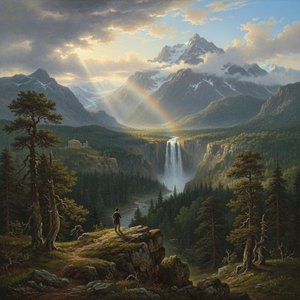
Evoking Nature's Sublime: A Comprehensive Exploration of 19th-Century Landscape Painting
Explore the captivating world of 19th-century landscape painting! Discover renowned artists like Friedrich & Monet, key movements, and find the perfect artwork to bring nature's serenity into your home. Expert insights at AllPaintingsStore.

浪漫主义画派的十部巨作:定义风景画的艺术传奇
探索浪漫主义风景画的巅峰!本文精选十部经典名作,带您领略莫奈、库尔贝等大师的艺术魅力。感受色彩与光影的诗意,重温自然风光的震撼。AllPaintingsStore.com为您提供博物馆级别的艺术复制品和个性化家居装饰方案。尽在AllPaintingsStore.com!
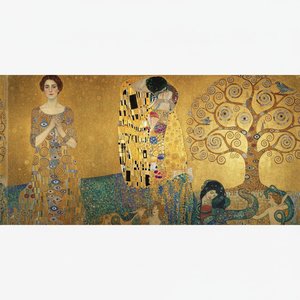
古斯塔夫·克林姆:25幅大师级杰作,点亮您的艺术生活 | AllPaintingsStore
探索古斯塔夫·克林姆25幅传世名画,领略维也纳分离派的金色辉煌!深入了解每一件艺术品的创作故事与象征意义。AllPaintingsStore.com提供博物馆级高质量复制品,为您的家居带来艺术灵感。立即在线探索完整系列!

Evocations of Place: A Historical Journey Through Landscape Art
Explore the rich history of landscape art with AllPaintingsStore. Discover renowned artists, movements like Impressionism & Romanticism, and expert guidance for collecting timeless pieces. Find your perfect serene escape today!


