


1


更新于 November 2026 · 基于我们的流行度评分排名(每件作品的搜索量、访问量及订单量) · 3 件 Jerónimo Cosida 作品收录于我们的目录中
快速回答
Blessed Bridget (1550) 是 Jerónimo Cosida 最著名的画作;原作收藏于 潘普洛纳 的 University of Navarra Museum。 The birth of John the Baptist (1578) 位列第二,Noli Me Tangere (1570) 位列第三。 我们的目录中包含 Jerónimo Cosida 的 3 件作品;以下是其中最著名的 3 件作品,按排名顺序排列,并附有每件作品的创作年份与馆藏博物馆,助您挑选心仪之作。


The scene unfolds in Noli Me Tangere, a work by the Spanish Renaissance painter Jerónimo Cosida. Created around 1570, this oil on pine wood captures a profound moment of spiritual encounter. The painting presents a biblical episode that many interpret as the Resurrection, specifically the moment Jesus meets Mary Magdalene. There is a palpable tension in the air as the figures interact within this sacred narrative.
收藏了本页大部分画作的 3 家博物馆。
| 博物馆 | 城市 | Jerónimo Cosida 的作品 | 此列表中的画作 |
|---|---|---|---|
 University of Navarra Museum |
潘普洛纳 | 1 | Blessed Bridget |
 萨拉戈萨博物馆 |
萨拉戈萨 | 1 | The birth of John the Baptist |
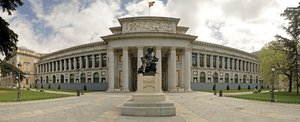 普拉多博物馆 |
马德里 | 1 | Noli Me Tangere |
从 1550 年到 1578 年,共计 29 年间的 Jerónimo Cosida 作品:按年份浏览,寻找您心仪的创作时期。
选择年份以查看其作品。
The scene unfolds in Noli Me Tangere, a work by the Spanish Renaissance painter Jerónimo Cosida. Created around 1570, this oil on pine wood captures a profound moment of spiritual encounter. The painting presents a biblical episode that many interpret as the Resurrection, specifically the moment Jesus meets Mary Magdalene. There is a palpable tension in the air as the figures interact within this sacred narrative.
Blessed Bridget (1550)(University of Navarra Museum, 潘普洛纳)位列第一,紧随其后的是The birth of John the Baptist (1578)和Noli Me Tangere (1570)。
Jerónimo Cosida 享年 40 岁:Blessed Bridget 创作于 1550 年,Jerónimo Cosida 出生于 1510 年。
我们的目录中收录了 3 件 Jerónimo Cosida 的作品,日期从 1550 到 1578。
主要收藏于 University of Navarra Museum (潘普洛纳), 萨拉戈萨博物馆 (萨拉戈萨) 及 普拉多博物馆 (马德里)。完整列表请参阅上方的博物馆表格。
本页最早作品:Blessed Bridget (1550)。最晚作品:The birth of John the Baptist (1578)。
是的。本页面的每一幅画作均可订购手绘油画复制品或版画。点击画作,选择尺寸并下单即可。
In the golden era of the Spanish Renaissance, few figures commanded as much versatility and devotion as Jerónimo Vicente Vallejo Cósida. Born into a noble family around 1510, Cósida was far more than a mere painter; he was a true polymath of the sixteenth century, weaving his creative spirit through the disciplines of sculpture, goldsmithing, and architecture. His life, spanning nearly sixty years of tireless artistic production, was deeply rooted in the province of Zaragoza, where he became a cornerstone of the Aragonese Renaissance. As an artist who never traveled to Italy, his mastery was not born of direct pilgrimage to the heart of the Renaissance, but rather through a profound ability to absorb and translate the most sophisticated European currents into a uniquely Spanish vernacular.
The evolution of Cósida’s hand is a journey from the meticulous precision of his early training to the sweeping, emotive grandeur of Mannerism. Having studied in Valencia under the guidance of Vicente Masip, he began his career with a focus on the intricate details of altarpieces and mural paintings. His early works, such as the Altarpiece of San Juan Bautista for the Tarazona Cathedral, reveal a craftsman obsessed with the delicate nuances of form. As his career matured, Cósida became a pioneer of innovation in Aragon, working alongside the Italian master Tomás Peliguet to introduce a new level of sophistication to the region's sacred art. His style eventually blossomed into a sophisticated Mannerism, where he drew inspiration from the divine grace of Raphael and the subtle, atmospheric shadows of Leonardo da Vinci.
To gaze upon a work by Cósida is to witness a profound dialogue between technical rigor and spiritual elegance. He possessed an extraordinary capacity for detail, particularly in his treatment of the feminine figure and the delicate textures of drapery. His compositions were often elaborate, utilizing complex spatial arrangements that guided the viewer's eye through sacred narratives with a sense of rhythmic grace. This meticulousness was not merely decorative; it served to elevate the theological weight of his subjects, making the divine feel tangibly present within the earthly realm.
His professional life was marked by significant patronage and monumental achievements that left an indelible mark on Spanish ecclesiastical history:
Though much of his physical output has been dispersed or destroyed, the historical significance of Jerónimo Cosida remains unshakeable. He was a bridge between eras, a man who took the burgeoning influences of the High Renaissance and anchored them firmly in the soil of Spain. Through his work, the elegance of gesture, the intricacy of detail, and the majesty of sacred composition found a permanent home in the heart of Aragon, ensuring that his name would forever be linked to the dawn of Spanish modern painting.