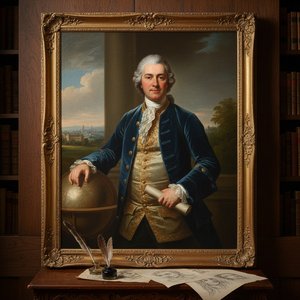
William Ellis (1747–1810): A Pioneer of Romantic Landscape Painting
William Ellis, born in Edinburgh around 1747, stands as a pivotal figure in the burgeoning landscape movement of the late Georgian and early Napoleonic eras. Though overshadowed by his contemporaries like Turner and Constable, Ellis’s meticulous observations and expressive brushwork established him as one of Britain's foremost Romantic artists, securing his place within the canon of British art history. His artistic journey began with formal training at Eton College, followed by studies at the Royal Academy, where he honed his skills under influential instructors such as Joshua Reynolds and Benjamin West. This grounding in classical tradition would prove invaluable as Ellis embraced the stylistic innovations championed by the Romantic movement. Ellis’s early works showcased a remarkable talent for capturing atmospheric effects—misty mornings, dramatic sunsets—with an unprecedented level of realism. He meticulously studied geological formations and botanical specimens, incorporating scientific accuracy into his artistic endeavors. This dedication to observation distinguishes him from many of his peers who prioritized idealized beauty over faithful representation. His landscapes weren’t merely picturesque; they conveyed a profound sense of emotion and contemplation, reflecting the philosophical currents of the time—a fascination with sublime grandeur and an awareness of humanity's insignificance against the forces of nature.- Notable Paintings: Ellis produced numerous canvases depicting scenes from Scotland and England, including “The Vale of Glamorgan” (1783), "Mount Snowdon" and “The River Thames.”
- Technique: He favored oil paint on canvas, utilizing glazing techniques to achieve luminous color palettes and subtle tonal gradations.
- Influences: Ellis’s artistic vision was profoundly shaped by the writings of Edmund Burke and Jean-Jacques Rousseau, whose ideas about emotion and imagination fueled the Romantic aesthetic.
Ellis's Artistic Legacy & Recognition
Despite facing considerable challenges during his lifetime—including financial difficulties and a lack of widespread acclaim—Ellis’s reputation endured through subsequent generations. His landscapes were admired by connoisseurs and collectors alike, cementing his status as an artist of distinction. The Royal Academy recognized his contribution to British art, awarding him the Gold Medal in 1807 – a testament to his artistic prowess and unwavering commitment to his craft. Although Ellis’s output was relatively modest compared to some of his contemporaries, his paintings continue to resonate with viewers today, captivating them with their evocative beauty and masterful execution.- Rediscovery: In the mid-19th century, Ellis's work experienced a revival thanks to the efforts of art historians who championed his artistic achievements.
- Museum Collections: Several paintings by Ellis reside in prominent museums across Britain, including Dulwich Gallery and Tate Britain, ensuring that his legacy persists for future generations.
Ellis's Contribution to Landscape Painting
Ellis’s influence extended beyond his individual creations; he actively fostered the development of landscape painting as a genre. He mentored younger artists—including John Constable—inspiring them to pursue similar stylistic approaches and thematic concerns. His meticulous attention to detail and his ability to convey emotional depth established him as a role model for aspiring painters, shaping the trajectory of British Romantic art. Ellis’s unwavering belief in the power of observation and artistic expression solidified his position as one of the foremost champions of landscape painting—a genre that would soon dominate the artistic landscape of Europe.- Constable's Influence: Constable acknowledged Ellis's mentorship, citing him as a formative figure in his own artistic development.
- Romantic Idealism: Ellis’s landscapes embodied the Romantic ideal of capturing sublime beauty—a concept that resonated deeply with artists and intellectuals alike.
Ellis's Place in Art History
William Ellis remains an artist whose contribution to British art history is often underestimated. While overshadowed by Turner and Constable, his pioneering exploration of atmospheric effects and his unwavering dedication to scientific observation distinguish him from many of his peers. His landscapes continue to inspire admiration for their beauty and technical brilliance—a testament to Ellis’s enduring artistic legacy. As a symbol of Romantic idealism and meticulous craftsmanship, Ellis's work serves as an invaluable reminder of the transformative power of art and its capacity to capture the essence of human experience within the grandeur of the natural world.问答详情
William Ellis 的作品传达了怎样的情绪?
William Ellis 的 情境空间 汇集了该艺术家的多件作品,并按心情分类呈现。
William Ellis 的作品受欢迎程度如何?
William Ellis 拥有一个 统计数据 页面,其中展示了该艺术家在 本站 上的作品统计数据。
William Ellis 出生于何时何地?
William Ellis 于 1756 出生于 London。