


 معاينة الحجم الحقيقي
 مشاركة
 مشاركة
 التفاصيل
 الدليل

 تحميل الملف
 قطع مشابهة
 الأشعة السينية
 عرض شرائح
 الإحصائيات
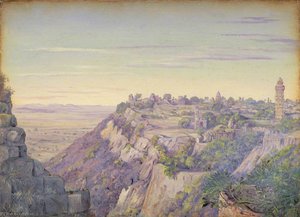
Peasant Woman in a Mountainous Landscape
 عرض المزيد
نسخة زيتية مصنوعة يدوياً
لوحة زيتية مرسومة يدوياً على الكانفاس بالمقاس والإطار الذي تفضله، تُنفذ حسب الطلب على أيدي فنانينا. ( التحويل إلى المطبوعات الانتقال إلى الصورة الرقمية)




































اختر من بين أحجامنا المُعدّة مسبقًا والتي تتطابق مع النسب الأصلية للعمل الفني.

يمكنك إدخال أبعادك الخاصة لتناسب إطارًا معينًا أو مساحة محددة. وإذا لم يتطابق الحجم الذي اخترته مع نسب الصورة الأصلية، فسنقوم إما بقص العمل الفني أو توسيع اللوحة بإضافة عناصر مرسومة يدويًا. سيتم إرسال نموذج رقمي إليك للموافقة عليه قبل بدء الإنتاج.
يرجى ملاحظة أن المعاينة على الشاشة لا تعكس عملية القص أو التوسيع الفعلية؛ حيث إن النموذج الرقمي وحده هو الذي سيوضح التكوين النهائي بدقة.
وعلى الرغم من توفر أحجام مخصصة، إلا أننا نوصي باختيار أبعاد من القائمة المحددة مسبقًا للحفاظ على النسب الأصلية للعمل الفني.
بعد إتمام الطلب، سيرسل فريق AllPaintingsStore.com بريداً إلكترونياً للعميل لطلب التعليمات وتزويده بمعاينة تجريبية (mockup).
توصيل عالمي إلى خلال 3 إلى 4 أسابيع بدلاً من المدة المعتادة البالغة 5 أسابيع. (21 سبتمبر). جودة لا تهاون فيها.

شحن سريع ومجاني لجميع أنحاء العالم

قماش كتان عالي الجودة

تأمين شحن شامل

ضمان استرداد الرسوم الجمركية

ضمان مطابقة الألوان الحقيقية

سياسة الإرجاع خلال 100 يوم (في حالات العيوب فقط)

ضمان استرداد نقدي بنسبة 100%

خصم عند طلب عدة قطع
 خيار الزجاج متاح فقط للمقاسات التي تقل عن 110 سم

Peasant Woman in a Mountainous Landscape
خامة إعادة الإنتاج
مقاس النسخة المطبوعة
-


السعر الإجمالي النهائي
$ 258
أعمال فنية ذات صلة




السيرة الذاتية للفنان
The Gentle Soul of the British Landscape
Alfred Downing Fripp (1822 – 1895) stands as a significant figure in British watercolour painting, particularly renowned for his depictions of the picturesque landscapes and humble lives of rural England during the Romantic era. His artistic lineage traced back to Nicholas Pocock, a celebrated naval artist, which established him within a family tradition of excellence. Born in Bristol, Fripp’s formative years were marked by exposure to influential artistic figures and fostered a deep appreciation for the beauty of the British countryside. He pursued formal training at the Royal Academy of Arts, immersing himself in classical techniques and broadening his understanding of artistic principles. This grounding proved invaluable as he embarked on his professional career, establishing himself as an artist who captured the essence of everyday rural existence with remarkable sensitivity and detail.
His early works showcased Irish and Welsh peasants amidst breathtaking landscapes—a stylistic choice that reflects the Romantic preoccupation with emotion and imagination alongside meticulous observation. Fripp’s membership in the Old Watercolour Society – beginning as an associate in 1844 and ascending to full secretary in 1870 – solidified his position within the artistic community and provided him with access to influential networks of fellow artists. Notably, he collaborated closely with Frederick Leighton and Edward Poynter, engaging in spirited discussions about art and technique—a testament to his intellectual curiosity and commitment to artistic advancement.
A Journey Through Light and Sorrow
The profound impact of personal tragedy – the untimely death of his first wife in 1850 – spurred a period of artistic exploration in Italy, where he cultivated friendships with fellow painters and absorbed new stylistic influences. During these years in Rome, his subjects shifted toward Italian themes, often focusing on studies of young peasants that mirrored the genre work he had mastered in Britain. This Mediterranean influence breathed a new warmth into his palette, even as he maintained the precision of his training. Upon his return to Britain, Fripp reverted to painting British subjects, yet he carried with him a refined sense of light and atmosphere that would define his later mastery.
His later years were marked by a deep connection to the English terrain, particularly the scenic beauty of Dorset around Lulworth. This period saw him producing some of his most evocative works, where the landscape was not merely a backdrop but a living character in his narratives. His ability to weave human presence into the natural world was often aided by his personal life; many of his models were the younger siblings of his second wife, Eliza Banister Roe, creating a sense of intimacy and warmth that permeates works such as "A Fisher Boy."
Legacy of the Rural Romantic
The historical significance of Alfred Downing Fripp lies in his ability to bridge the gap between meticulous topographical recording and the emotional depth of the Romantic movement. His work serves as a poignant window into a vanishing way of life, preserving the dignity of the rural working class and the untouched splendor of the nineteenth-century countryside. Through his mastery of watercolour, he achieved a level of translucency and texture that allowed the viewer to feel the dampness of the English mist and the golden glow of a coastal afternoon.
His contributions to the art world can be summarized through several key pillars of his career:
- Artistic Lineage: Carrying forward the traditions of the marine artist Nicholas Pocock and working alongside contemporaries like George Arthur Fripp.
- Institutional Leadership: His transformative role as Secretary of the Old Watercolour Society, which helped shape the direction of British watercolourism.
- Genre Mastery: The seamless integration of human figures—from Irish peasants to English gamekeepers—into expansive, atmospheric landscapes.
- Cultural Preservation: Creating a visual archive of the social fabric and natural beauty of 19th-century Britain and Italy.

Alfred Downing Fripp
1822 - 1895 , United Kingdom
حقائق سريعة
- Artistic Movement Or Style: Romantic Watercolourism
- Artists Or Movements Influenced By This Artist: ['Romantic Painting']
- Artists Who Influenced This Artist:
- Nicholas Pocock
- George Arthur Fripp
- Date Of Birth: 1822 Bristol UK
- Date Of Death: 1895 London UK
- Full Name: Alfred Downing Fripp
- Nationality: British
- Notable Artworks:
- A fisher boy
- The little shrimper
- Young gamekeeper
- Place Of Birth: Bristol UK

