معاينة الحجم الحقيقي
 مشاركة
 مشاركة
 التفاصيل

 تحميل الملف
 قطع مشابهة
 الأشعة السينية
 عرض شرائح
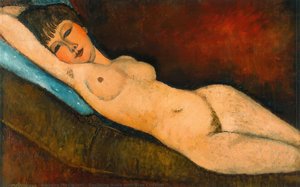
Nu couche de dos

 عرض المزيد
طباعة جيلي / مطبوعات فنية
طباعة جيكلي أو كانفاس بجودة المتاحف، مع سرعة في التنفيذ وخيارات متنوعة للتشطيب. ( اشترِ لوحة مرسومة يدويًا اشترِ الصورة)




P118B $10

P118H $10

P118W $10

P438Z $10

P508JH $12

P508YH $12

P805H $10

P805Z $10

P919BZ $10

P919G $10

P919XJ $10

P959ZH $10

P968JZ $12

W106C $8

W218G $10

W218JH $8

W218Y $10

W307PJ $10

W316G $10

W316PJ $8

W316Y $10

W398PJ $8

W4111J $10

W500HY $15

W500JH $15

W692G $12

W849H $8

W940BG $15

W953PJ $8




اختر من بين أحجامنا المُعدّة مسبقًا والتي تتطابق مع النسب الأصلية للعمل الفني.

يمكنك إدخال أبعادك الخاصة لتناسب إطاراً أو مساحة معينة. وإذا لم يتطابق الحجم الذي اخترته مع نسب الصورة الأصلية، فسنقوم إما بقص العمل الفني أو تمديد الصورة باستخدام حافة معكوسة أو بلون مصمت. سيتم إرسال نموذج تجريبي رقمي لاعتمادك قبل بدء الإنتاج.
يرجى ملاحظة أن المعاينة على الشاشة لا تعكس عملية القص أو التمديد الفعلية؛ حيث سيوضح النموذج التجريبي فقط التكوين النهائي بدقة.
وعلى الرغم من توفر أحجام مخصصة، إلا أننا نوصي باختيار أبعاد من القائمة المحددة مسبقاً للحفاظ على النسب الأصلية.
توصيل عالمي إلى خلال أسبوعين بدلاً من المدة القياسية البالغة 4/5 أسابيع. 21 أغسطس

شحن سريع ومجاني لجميع أنحاء العالم

قماش كتان عالي الجودة

تأمين شحن شامل

ضمان استرداد الرسوم الجمركية

ضمان مطابقة الألوان الحقيقية

سياسة الإرجاع خلال 60 يومًا (في حالات العيوب فقط)

ضمان استرداد نقدي بنسبة 100%

خصم عند طلب عدة قطع
 خيار الزجاج متاح فقط للمقاسات التي تقل عن 110 سم

Nu couche de dos
طباعة جيلي / مطبوعات فنية
مقاس النسخة المطبوعة
-


السعر الإجمالي النهائي
$ 64
وصف القطعة الفنية
The Enigmatic Figure: An Introduction to “Nu couché de dos”
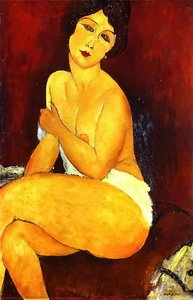
Amedeo Modigliani's "Nu couché de dos" (Reclining Nude from the Back), painted in 1917, isn’t merely a depiction of a female nude; it’s a carefully constructed tableau of introspection and subtle sensuality. Captured during a period of intense creative ferment for the artist – a time marked by both profound artistic breakthroughs and personal hardship – this work embodies Modigliani's signature style: elongated forms, simplified features, and an almost unsettling stillness. The painting immediately draws the viewer in with its quiet intensity, inviting contemplation rather than overt display. It’s a portrait not of physical beauty as traditionally defined, but of a soul at rest, yet subtly aware.
The genesis of this piece lies within Modigliani's unique artistic environment. He was working under the patronage of Leopold Zborowski, a Polish poet and art dealer who provided him with a studio, models, and a vital lifeline during a period of considerable instability. This arrangement fostered an atmosphere of experimentation and collaboration, allowing Modigliani to push the boundaries of his style and explore new avenues for representing the human form. The painting’s creation coincided with a pivotal moment in Modigliani's career – a time when he was actively seeking to move beyond the influence of earlier masters and forge his own distinct visual language.
A Symphony of Line and Form: Technique and Style
Modigliani’s technique is immediately recognizable. He employs long, fluid lines to define the figure's contours, exaggerating the neck and limbs in a manner that creates an almost ethereal quality. The forms are deliberately simplified – reduced to their essential shapes while retaining a remarkable sense of volume. The elongated proportions, characteristic of his work, contribute significantly to the painting’s dreamlike atmosphere. Notice how the curves of the body flow seamlessly into one another; there are no sharp edges or abrupt transitions, creating a feeling of harmonious balance.
The color palette is deliberately muted and earthy – ochre, beige, brown, and subtle hints of red—reflecting Modigliani’s preference for understated tones. This restrained use of color allows the forms themselves to take center stage, while the dark background and cushions provide a dramatic contrast, emphasizing the figure's delicate flesh tones. The application of paint is remarkably smooth, suggesting an oil-on-canvas technique executed with meticulous care. Brushstrokes are visible but subtle, contributing to a sense of tactile richness.
Symbolism and Emotional Resonance
Beyond its formal qualities, “Nu couché de dos” resonates with layers of symbolic meaning. The reclining pose itself suggests vulnerability and introspection—a moment of quiet contemplation away from the demands of the world. The woman’s gaze, directed directly at the viewer, is particularly arresting. It's not a seductive or overtly provocative look; rather, it conveys a sense of detached awareness, as if she is observing us with a gentle curiosity. The slightly downturned mouth adds to this impression of quiet melancholy.
The elongated neck and limbs—a hallmark of Modigliani’s style—contribute to the painting's ethereal quality, evoking a sense of timelessness and spiritual depth. Some art historians interpret these features as reflecting Modigliani’s own preoccupation with mortality and his fascination with ancient cultures, particularly those of Africa and Greece, which he saw as sources of profound artistic inspiration. The overall effect is one of poignant beauty—a reminder of the fragility and transience of human existence.
A Legacy of Longing: Historical Context and Artistic Influence
“Nu couché de dos” stands as a crucial work within Modigliani’s oeuvre, representing a pivotal moment in his artistic development. It exemplifies his departure from traditional academic approaches to the nude figure, embracing instead a more stylized and emotionally resonant representation of the human form. The painting's creation coincided with a period of intense experimentation in European art, marked by the rise of Cubism, Futurism, and Expressionism—movements that challenged conventional notions of perspective, space, and representation.
Modigliani’s influence extends far beyond his own lifetime. His distinctive style—characterized by elongated forms, simplified features, and a hauntingly beautiful aesthetic—has inspired generations of artists. Reproductions of “Nu couché de dos” continue to be highly sought after by collectors and interior designers alike, serving as elegant reminders of Modigliani’s enduring legacy.
أعمال فنية ذات صلة


السيرة الذاتية للفنان
أمديو موديجلياني: شاعر الوحدة والجمال الحزين
في قلب باريس النابض بالحياة في أوائل القرن العشرين، سطع نجم أمديو موديجلياني، الفنان الإيطالي الذي ترك بصمة لا تُمحى على عالم الفن. لم يكن مجرد رسام ونحات، بل كان شاعرًا بالوحدة والجمال الحزين، عبّر عن مشاعره وآلامه من خلال لوحاته ورسومه التي تميزت بتعابير وجهودها الفريدة. ولد موديجلياني في ليفورنو بإيطاليا عام 1884، وشق طريقه نحو باريس، المدينة التي أصبحت ملجأً له ومصدر إلهام لا ينضب.
نشأته الأولى كانت مليئة بالتحديات والصعوبات. فقد عانى من أمراض مزمنة منذ صغره، وتدهورت الحالة المالية لعائلته، مما اضطره إلى مواجهة الفقر والحرمان. ومع ذلك، لم تدع هذه الظروف تثبط عزيمته الفنية. بل على العكس، أثارت فيه تلك المعاناة حساسية خاصة تجاه مشاعر الآخرين، انعكست في أعماله التي تميزت بالعمق النفسي والتعبير عن الحزن والوحدة.
التطور الفني: من التأثيرات إلى الأسلوب المميز
في بداية مسيرته الفنية، تأثر موديجلياني بالعديد من الفنانين والحركات الفنية. درس فنون عصر النهضة الإيطالية، واستلهم من أعمال ليوناردو دا فينشي وميكيلانجيلو وتيتيان وكارافاجيو. كما تأثر بالفن الأفريقي والمنحوتات القديمة، مما أدى إلى تطوير أسلوبه الخاص الذي تميز بتجريد الأشكال وإطالة الوجوه والأعناق. لم يلتزم موديجلياني بأي حركة فنية محددة، بل سعى إلى خلق أسلوب فريد يعبر عن رؤيته الخاصة للعالم.
تميزت لوحاته بالبساطة والهدوء، واستخدم الألوان الزاهية لخلق جو من الحميمية والدفء. رسم العديد من البورتريهات التي تعتبر من أفضل أعماله، حيث تمكن من التقاط الجوهر الداخلي لشخصياته وإبراز تعابير وجوههم بطريقة فريدة. كما رسم العديد من اللوحات العارية التي أثارت جدلاً واسعاً في ذلك الوقت، ولكنها اليوم تعتبر من أهم أعماله وأكثرها شهرة.
التحولات الإبداعية: النحت والرسم
لم يقتصر إبداع موديجلياني على الرسم فحسب، بل امتد ليشمل النحت. قام بنحت العديد من الرؤوس والأشكال المجردة التي تعكس أسلوبه الخاص في التعبير عن الجمال. كانت منحوتاته مستوحاة من الفن الأفريقي والمنحوتات القديمة، وتميزت بالبساطة والتجريد. على الرغم من أن منحوتاته لم تحظَ بنفس القدر من الشهرة التي حظيت بها لوحاته خلال حياته، إلا أنها تعتبر اليوم جزءاً هاماً من إرثه الفني.
كان موديجلياني فناناً متعدد المواهب، استطاع أن يجمع بين الرسم والنحت بطريقة فريدة. كان يتمتع بقدرة فنية فائقة على التقاط الجمال في أبسط صوره، والتعبير عن المشاعر والأحاسيس بعمق وصدق.
الحياة الشخصية: الحب والفقدان
لم تخل حياة موديجلياني من الدراما والمآسي. فقد عانى من الفقر والمرض والإدمان، كما واجه صعوبات في علاقته مع حبيبته الفنانة جان هبوتيرن. كانت جان مصدر إلهام له ومصدر سعادة له، ولكن علاقتهما كانت مليئة بالصراعات والشكوك. توفيت جان بعد فترة قصيرة من ولادة ابنتهما جياننا، مما أدى إلى انتحارها. شعر موديجلياني بالحزن الشديد والفقدان العميق، وتوفي بعد ذلك بوقت قصير بسبب مرض السل.
الإرث والتأثير
على الرغم من أن موديجلياني لم يحظَ بالتقدير الكافي خلال حياته، إلا أن أعماله أصبحت تحظى بشهرة عالمية واسعة النطاق بعد وفاته. تعتبر لوحاته ومنحوتاته من أهم الأعمال الفنية في القرن العشرين، وقد ألهمت العديد من الفنانين حول العالم. يتميز أسلوبه بالبساطة والجمال الحزين والتعبير عن المشاعر الإنسانية بعمق وصدق. موديجلياني هو فنان لا يُنسى، سيظل إرثه يتردد صداه في عالم الفن.
أعمال بارزة
- بورتريه جان هبوتيرن
- المرأة العارية المستلقية
- صورة ذاتية
- رأس امرأة بعين واحدة
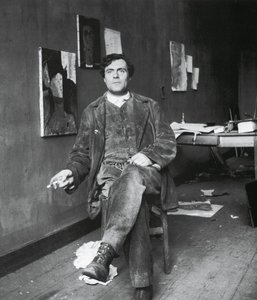
أميديو موديجلياني
1884 - 1920 , إيطاليا
حقائق سريعة
- أعمال فنية بارزة:
- تمثال نصفي عارٍ
- رجل عارٍ مستلقٍ
- امرأة عارية جالسة
- صورة لجان هيبوتيرن
- الاسم الكامل: أمديو كليمنتي موديجلياني
- الجنسية: إيطالي
- الحركات أو الفنانين تأثر بهم:
- التعبيرية
- الحداثة
- الحركة الفنية أو النمط: التعبيرية
- الفنانون الذين أثروا فيه:
- بيكاسو
- برانكوسي
- فن النحت الأفريقي
- تاريخ الميلاد: 12 يوليو 1884
- مكان الميلاد (مدينة وبلد): ليفورنو، إيطاليا
مقالات ذات صلة

أعمال أميديو موديلياني الخالدة: 25 تحفة فنية تزين منزلك بجمال فريد
اكتشف 25 تحفة فنية لأميديو موديلياني، الفنان الإيطالي العبقري. استكشف قصص لوحاته البورتريه والرسومات والنحت التي تعكس أسلوبه الفريد وألوانه الدافئة. احصل على إعادة إنتاج عالية الجودة لديكور منزلك الفاخر على AllPaintingsStore.com.

The Enduring Allure of the Nude: A Historical & Artistic Exploration of the Human Form
Explore the captivating history of nude art! Discover iconic paintings & artists from classical to modern eras. Uncover symbolism, techniques & find museum-quality reproductions at AllPaintingsStore.
أعمال بول سيزان الخالدة: 25 تحفة فنية تزين منزلك بجمال الألوان والضوء
اكتشف 25 تحفة فنية لبول سيزان، رائد الانطباعية وما بعد الانطباعية. استكشف قصص لوحاته الزيتية الشهيرة وألوانه الجريئة وتقنياته الفريدة. احصل على إلهام لديكور منزلك الفاخر مع AllPaintingsStore.com.

The Eloquent Form: A Historical & Aesthetic Exploration of the Nude in Art
Explore the captivating history of the nude in art! From ancient Greece to modern masters, discover its evolving symbolism, techniques & enduring beauty. Expert insights for collectors and enthusiasts.
أعمال فيرناند ليجر الخالدة: 25 تحفة فنية تزين منزلك بلمسة عصرية
اكتشف 25 تحفة فنية لفيرناند ليجر، رائد الت تكعيبية والفن الحديث. استكشف قصص لوحاته الجريئة وألوانها المميزة وتأثيرها على عالم الديكور والتصميم الداخلي. احصل على نسخ عالية الجودة من أعمال ليجر الأصلية على AllPaintingsStore.com.