


 معاينة الحجم الواقعي
 إرسال
إرسال مشاركة
 عرض التفاصيل
 دليل الأعمال الفنية للطلاب

 تحميل
تحميل
 قطع مشابهة
 الأشعة السينية
 عرض شرائح متتابع
 الإحصائيات
Self-portrait


 اقرأ المزيد
نسخة زيتية مصنوعة يدوياً
لوحة زيتية مرسومة يدوياً على الكانفاس بالمقاس والإطار الذي تفضله، تُنفذ حسب الطلب على أيدي فنانينا. ( التبديل إلى المطبوعات التحويل إلى الصورة الرقمية)




P118B E£10

P118H E£10

P118W E£10

P438Z E£10

P508JH E£12

P508YH E£12

P805H E£10

P805Z E£10

P919BZ E£10

P919G E£10

P919XJ E£10

P959ZH E£10

P968JZ E£12

W106C E£8

W218G E£10

W218JH E£8

W218Y E£10

W307PJ E£10

W316G E£10

W316PJ E£8

W316Y E£10

W398PJ E£8

W4111J E£10

W500HY E£15

W500JH E£15

W692G E£12

W849H E£8

W940BG E£15

W953PJ E£8




اختر من بين أحجامنا المُعدّة مسبقاً والتي تتوافق مع النسب الأصلية للعمل الفني.

أدخل العرض والارتفاع اللذين تحتاجهما، ليتناسب العمل مع إطارك أو جدارك. وبما أن هذه اللوحة مرسومة يدوياً، ففي حال اختيار مقاس بشكل مختلف، يمكن للفنان رسم مساحة إضافية حول الصورة أو تقليصها قليلاً — الخيار لك. سنرسل لك نموذجاً رقمياً تجريبياً لاعتماده قبل البدء في الرسم. علماً بأن الصورة المعروضة في هذه الصفحة لا تعكس النتيجة النهائية الحقيقية — فالنموذج التجريبي هو الوحيد الذي يوضح ذلك بدقة.
بعد إتمام الطلب، سيرسل فريق AllPaintingsStore.com بريداً إلكترونياً للعميل لطلب التعليمات وتزويده بمعاينة تجريبية (mockup).
توصيل عالمي إلى خلال 3 إلى 4 أسابيع بدلاً من المدة المعتادة البالغة 5 أسابيع. (28 أكتوبر). جودة لا تهاون فيها.

شحن سريع ومجاني لجميع أنحاء العالم

قماش كتان فاخر

تأمين شامل على الشحن

ضمان استرداد الرسوم الجمركية

ضمان دقة مطابقة الألوان

سياسة الإرجاع خلال 100 يوم (في حالات العيوب فقط)

ضمان استرداد نقدي بنسبة 100%

عرض خصم الكميات
 خيار الزجاج متاح فقط للمقاسات التي تقل عن 110 سم

Self-portrait
وسيط إعادة الإنتاج
مقاس النسخة المطبوعة
-


إجمالي السعر
E£ 13431
The Enigmatic Gaze: Unveiling Anton Pilgram’s Self-Portrait
Anton Pilgram's "Self-Portrait," painted around 1510, is more than just a depiction of an artist; it’s a profound meditation on identity, faith, and the very act of creation. Housed within the rough-hewn stone of a niche in what was once Brno’s City Hall, this unassuming work possesses a remarkable power to draw the viewer into its contemplative depths. The sculpture, crafted from local limestone, presents a figure – Pilgram himself – peering out from an implied window, his gaze directed towards the viewer with an almost unnerving intensity.
The portrait immediately establishes a sense of intimacy, a rare occurrence in art of that era. Pilgram isn’t formally posed; he's not offering a grand gesture or a proud display of wealth. Instead, he appears remarkably ordinary – wearing a simple hat that partially obscures his ears, a detail suggesting a deliberate attempt to downplay the artist’s status and focus on the individual within. The weathered texture of his face, etched with lines of age and experience, speaks volumes about the passage of time and the weight of artistic endeavor. The inclusion of the architectural elements – the column to the left and the symbolic carving above – subtly anchors the figure within a broader context of civic responsibility and religious devotion, reflecting Pilgram’s role as both an artist and a craftsman deeply embedded in his community.
A Bridge Between Gothic and Renaissance
Pilgram's work represents a fascinating transitional moment in art history. Born around 1460 in Brno, he honed his skills initially as a stonemason in Vienna before finding his artistic voice within the Swabian region of Germany. This period exposed him to both the enduring traditions of late Gothic sculpture and the burgeoning innovations of the Renaissance. His style is characterized by a remarkable blend of these influences – the solidity and expressive power of Gothic figures combined with a growing awareness of perspective, naturalism, and human emotion. The portrait itself exemplifies this synthesis; it’s simultaneously grounded in medieval artistic conventions while hinting at the emerging humanist ideals that would define the Renaissance.
The choice of limestone as the medium is significant. Stone, traditionally associated with permanence and faith, lends a sense of gravitas to the image. It also speaks to Pilgram's connection to his local environment and his role in shaping the physical landscape of Brno. The rough texture of the stone contrasts sharply with the meticulously rendered details of the face – the wrinkles, the hair, the subtle nuances of expression – creating a compelling tension between the material world and the inner life of the artist.
Symbolism and the Window to the Soul
The most striking element of the portrait is undoubtedly the implied window. It’s not a literal opening but rather a visual device that invites us to contemplate the figure's interiority. Pilgram’s gaze, directed outwards, suggests a yearning for connection, a desire to share his thoughts and feelings with the viewer. The positioning of the figure within the niche can be interpreted as a metaphor for the artist’s role – acting as a conduit between the divine (represented by the carving above) and the human world.
The hat worn by Pilgram is also noteworthy. It's a common fashion element of the period, but its presence here adds to the portrait’s sense of humility and introspection. It suggests that the artist is not seeking to impress or elevate himself, but rather inviting us to see him as an ordinary human being grappling with profound questions about life, art, and faith. The compass held in his hand further reinforces this idea – a symbol of guidance, direction, and the pursuit of knowledge.
A Timeless Reflection
Anton Pilgram’s “Self-Portrait” is a remarkably intimate and evocative work that continues to resonate with viewers centuries after its creation. It's a testament to the enduring power of self-reflection and a poignant reminder of the artist’s unique role in capturing the complexities of human experience. Reproductions of this piece offer a valuable opportunity to bring this profound meditation into any space, inviting contemplation and sparking dialogue about identity, faith, and the timeless allure of art.
الأسئلة والأجوبة
هل تُحفظ قطعة "Self-portrait" في البلد الذي ينتمي إليه مبتكرها؟
لا - العمل الفني محفوظ خارج البلاد. بلد ميلاد Anton Pilgram هو Czech Republic، بينما يقع المتحف الذي يحتفظ بالنسخة الأصلية من "Self-portrait" في النمسا.
هل العمل "Self-portrait" للفنان Anton Pilgram ضمن الملكية العامة، ولماذا؟
تعتمد حالة حقوق الطبع والنشر لـ "Self-portrait" - ملك عام - انتهت مدة حماية حقوق الطبع والنشر الخاصة به - على تاريخ وفاة الفنان في 1516.
إلى أي أسلوب ينتمي "Self-portrait"؟
"Self-portrait" هو عمل ينتمي إلى مدرسة Renaissance. وتُشير هذه المدرسة إلى التقليد الفني الذي يندرج ضمنه هذا العمل.
أعمال فنية مشابهة


نبذة عن الفنان
Anton Pilgram: Life and Legacy
Early Life and Training
- Born: Around 1460 in Brno (present-day Czech Republic).
- Pilgram’s early life remains somewhat obscure, but it is believed he received his initial training as a stonemason in Vienna.
- In 1481, he was invited to Heilbronn, Germany, where he began his career with the construction of a chancel at the St. Kilian Church – though recent research questions his direct involvement in its design.
Development and Early Works in Swabia
- Pilgram spent several years working primarily in the Swabian region of Germany, becoming familiar with both Italian and German Renaissance artistic trends.
- He participated in building projects such as the St. George Church in Schwieberdingen and the St. Lawrence Chapel in Rottweil.
- This period was crucial for his artistic development, exposing him to new ideas and techniques that would later influence his style.
Return to Brno and Major Commissions
- Around 1495, Pilgram returned to Brno, where he established himself as a prominent sculptor and stonemason.
- He worked on projects at the St. Jacob Church and created the *Judentor* (Jews’ Gate) in 1508.
- Key works from this period include wooden sculptures of Saint Peter Martyr and a Dominican saint (circa 1511), and most notably, the portal of the Old City Hall (1512).
Vienna and Late Career
- In 1512, Pilgram became a cathedral builder at St. Stephen’s Cathedral in Vienna.
- His focus shifted towards smaller architectural forms within the cathedral complex.
- He is particularly renowned for designing and constructing the cathedral pulpit (1514-1515) and various relief sculptures.
- Pilgram likely died in Vienna around 1516.
Artistic Style and Influences
- Pilgram is considered one of the most talented followers of Nikolaus Gerhaert of Leiden in Central Europe.
- His sculptures are characterized by a high degree of individuality and move beyond purely medieval artistic conventions.
- Czech art historian Albert Kutal suggests possible influences from North Italian Renaissance sculpture and the paintings of Andrea Mantegna.
- Pilgram’s style blends Gothic expressiveness with emerging Renaissance naturalism, creating a unique artistic voice.
Historical Significance
- Pilgram played a vital role in the transition from Late Gothic to Renaissance art in Central Europe.
- His works demonstrate a growing interest in humanism and classical ideals.
- He was known for his strong personality and willingness to challenge established artistic norms, asserting his individuality against guild restrictions.
- Pilgram’s legacy continues to inspire artists and art historians today, solidifying his place as a significant figure in the history of European sculpture and architecture.

Anton Pilgram
1460 - 1516 , Czech Republic
لمحة سريعة
- Vienna): St. Peter Martyr sculpture
- Birth Date: c. 1460
- Death Date: 1516
- Influenced: None, 'influenced by': 'Nikolaus Gerhaert of Leiden', 'movement': ['Late Gothic', 'Renaissance'], 'name': 'Anton Pilgram', 'nationality': 'Austrian (German)', 'notable works': ['Old City Hall portal (Brno)',
- Birth Place: Brno, Czech Republic
- Date Of Birth: 1460
- Date Of Death: 1516
- Place Of Birth: Brno, Czech Republic
مقالات ذات صلة

The Enduring Form: Exploring Themes & Techniques in Sculpture Across Historical Periods
Explore the rich history of sculpture from ancient masterpieces to contemporary innovations. Discover key techniques, influential artists & investment potential for discerning art collectors.

Bronze Age to Modern Masters: 10 Sculptures That Redefined Art | AllPaintingsStore
Journey through art history with 10 legendary bronze sculptures – from Michelangelo's David to Rodin’s Thinker. Explore the stories, techniques & timeless beauty of these masterpieces. Find museum-quality reproductions & elevate your home decor on AllPaintingsStore.com.

Reflecting the Self: A History of Portraiture & Psychological Insight
Explore the fascinating history of self-portraiture from Renaissance masters like Dürer & Rembrandt to modern interpretations. Discover the psychological insights and artistic techniques behind these iconic works. Expert analysis for art enthusiasts.
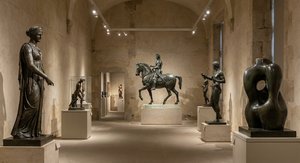
Bronze Sculptures That Defined Art History | AllPaintingsStore
Journey through art history with our Top 10 bronze sculptures! Explore masterpieces by Rodin, Michelangelo & more. Discover stories behind iconic statues and find museum-quality reproductions for your home decor at AllPaintingsStore.com.

The Enduring Form: Sculpture Across History, Technique & Emotional Resonance
Explore the rich history of sculpture with AllPaintingsStore. Discover key techniques, influential artists & investment potential for discerning collectors. Expert insights into valuing and collecting timeless masterpieces.

