


 معاينة الحجم الواقعي

 مشاركة
 مشاركة
 التفاصيل
 دليل


 تحميل الملف
 قطع مشابهة
 الأشعة السينية
 عرض شرائح
 الأسئلة والأجوبة
 الإحصائيات
Untitled

- 15.0 x 19.0 cm

 عرض المزيد
إن العمل الفني المعروض في هذه الصفحة محمي بموجب قوانين حقوق الطبع والنشر، مما يعني أنه لا يحق لنا قانوناً إنشاء أو بيع نسخ مطابقة له. وتُطبق هذه الحماية بموجب الاتفاقيات الدولية مثل الـ اتفاقية برن ووفقاً للقوانين الوطنية، بما في ذلك تلك المنصوص عليها في قانون حقوق الطبع والنشر في الولايات المتحدة - الباب 17.
تتوافق هذه الطريقة تماماً مع لوائح حقوق النشر لأنها لا تتضمن نسخ أو تكرار العمل الفني المحمي، بل هي إعادة تفسير إبداعية؛ أي أنها لوحة جديدة مستوحاة من الأصل ولكنها ليست مطابقة له.
طباعة جيلي / مطبوعات فنية
طباعة جيكلي أو كانفاس بجودة المتاحف، مع سرعة في التنفيذ وخيارات متنوعة للتشطيب. ( شراء لوحة مرسومة يدويًا الانتقال إلى الصورة الرقمية)
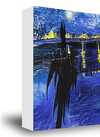
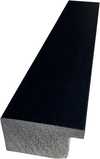
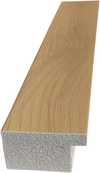
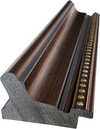
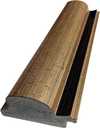
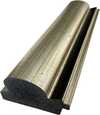
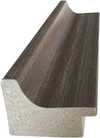
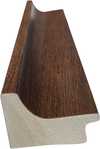
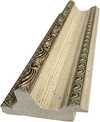
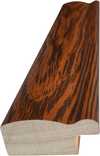
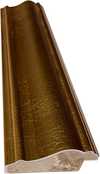

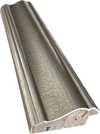
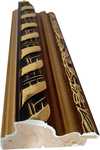
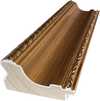
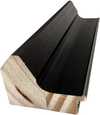
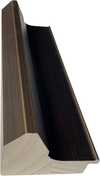
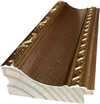
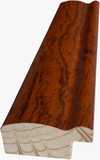
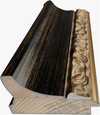
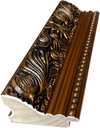
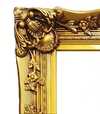
اختر من بين أحجامنا المُعدّة مسبقاً والتي تتوافق مع النسب الأصلية للعمل الفني.

أدخل العرض والارتفاع المطلوبين ليتناسب المقاس مع إطارك أو جدارك. يرجى الملاحظة أن المطبوعة يمكن قصها فقط ولا يمكن تكبيرها لتتجاوز أبعاد الصورة الأصلية، لذا فإن اختيار مقاس بأبعاد مختلفة سيؤدي إلى فقدان جزء من الصورة. سنرسل لك نموذجاً رقمياً تجريبياً لاعتماده قبل البدء في عملية الطباعة. الصورة المعروضة في هذه الصفحة لا توضح شكل القص الفعلي — النموذج التجريبي فقط هو ما يظهر ذلك بدقة.
توصيل عالمي إلى خلال أسبوعين بدلاً من المدة القياسية البالغة 4/5 أسابيع. (19 نوفمبر)

شحن سريع ومجاني لجميع أنحاء العالم

قماش كتان عالي الجودة

تأمين شامل على الشحن

ضمان استرداد الرسوم الجمركية

ضمان مطابقة الألوان الحقيقية

سياسة الإرجاع خلال 100 يوم (في حالات العيوب فقط)

ضمان استرداد نقدي بنسبة 100%

خصم عند طلب كميات
 خيار الزجاج متاح فقط للمقاسات التي تقل عن 110 سم

Untitled
طباعة جيلي / مطبوعات فنية
مقاس النسخة المطبوعة
-


إجمالي السعر النهائي
E£ 3535
الأسئلة والأجوبة
هل يمكنني طلب نسخة زيتية مرسومة يدوياً من "Untitled"؟
يمكنكم طلب نسخة مرسومة يدوياً من "Untitled" للفنان Benode Behari Mukherjee مباشرة عبر صفحة نسخة زيتية مرسومة يدوياً: نسخة زيتية مرسومة يدوياً على قماش الكتان، وتُنفذ حسب الطلب.
ما هو اللون الطاغي الذي ينساب عبر "Untitled" للفنان Benode Behari Mukherjee؟
اللون السائد في "Untitled" للفنان Benode Behari Mukherjee هو Ochre to Sepia، وهو اللون الذي يشكل النغمة الأساسية لمجموعة الألوان المستخدمة.
ما مدى حيوية الألوان في "Untitled" للفنان Benode Behari Mukherjee؟
تتميز شدة ألوان "Untitled" بأنها Balanced؛ حيث تعبر هذه الشدة عن مدى قوة ووضوح الألوان.
أعمال فنية ذات صلة


السيرة الذاتية للفنان
The Visionary of Santiniketan: The Life and Legacy of Benode Behari Mukherjee
Benode Behari Mukherjee stands as a monumental figure in the tapestry of Indian art history, a pioneer whose work breathed life into the movement known as Contextual Modernism. Born in 1904 in Behala, West Bengal, his journey was one defined by an extraordinary triumph of spirit over physical limitation. From a young age, Mukherjee faced severe visual impairments, a condition that would later culminate in near-total blindness following a tragic surgical complication in the mid-1950s. Yet, rather than allowing darkness to dim his creative flame, he transformed his sensory experience into a profound new way of seeing, finding depth in texture, rhythm, and the very essence of form. His artistic soul was forged within the hallowed halls of Kala Bhavana at Santiniketan, the experimental art school founded by the legendary Rabindranath Tagore. Under the masterful mentorship of Nandalal Bose and Ramkinkar Baij, Mukherjee became part of a unique intellectual and creative ecosystem. This environment encouraged him to look beyond the colonial academic traditions of the time, instead seeking a synthesis between India’s rich indigenous heritage and the burgeoning currents of global modernism. His early training was not merely about technique but about an ontological connection to the land, the local landscape, and the spiritual pulse of Indian iconography.A Synthesis of Tradition and Modernity
Mukherjee’s aesthetic language is a masterful dialogue between the ancient and the avant-garde. He possessed a rare ability to weave together the delicate precision of Indian miniature painting and the flowing grace of Japanese calligraphy with the bold, structural experimentation of Western abstraction. His work rejected the mere imitation of nature, opting instead to capture the underlying energy and "context" of his surroundings. This approach allowed him to create art that felt deeply rooted in the soil of Bengal while simultaneously speaking the universal language of modernism. His mastery extended far beyond the canvas, as he was one of the earliest Indian artists to embrace the monumental scale of murals. These large-scale works were not merely decorations but architectural dialogues, integrating seamlessly with their environments to depict the lives, legends, and landscapes of India. One of his most significant achievements remains the breathtaking mural at the Hindi Bhavan in Santiniketan, where he utilized a pageant-like composition to celebrate the lives of medieval saint-poets, effectively turning walls into living histories.Resilience Through Darkness
The later years of Mukherjee’s life presented his greatest challenge as his eyesight failed him almost entirely. However, this period of physical darkness birthed a remarkable era of tactile and structural innovation. Denied the ability to rely on fine visual detail, he pivoted toward mediums that emphasized touch, relief, and rhythm. He turned his focus to:- Paper-cuts, where the interplay of light and shadow through physical voids replaced traditional pigment.
- Prints and Reliefs, allowing him to explore texture and the physical imprint of form.
- Sculpture, where the three-dimensional presence of objects provided a new way to navigate space without sight.
Historical Significance and Enduring Impact
The legacy of Benode Behari Mukherjee is etched into the very identity of modern Indian art. He did not simply adopt modernism; he localized it, making it relevant to the social and cultural landscape of a nation finding its voice. His ability to harmonize the spiritual depth of the East with the formal innovations of the West created a blueprint for an authentic Indian modernism that was neither derivative nor regressive. Today, his work serves as a testament to the power of resilience and the infinite capacity of the human imagination. Through his murals, paintings, and pedagogical influence, Mukherjee remains a beacon for artists worldwide, reminding us that true vision is not a matter of sight, but of profound perception and an unyielding connection to the world around us.
Benode Behari Mukherjee
1904 - 1980 , India
حقائق سريعة
- Full Name: Benode Behari Mukherjee
- Nationality: Indian
- Date Of Birth: 1904
- Date Of Death: 1980
- Place Of Birth: Behala, India
- Notable Artworks:
- Chrysanthemum with a Green Bird
- Shahnaiwala
- Binodini
- Artistic Movement Or Style: Contextual Modernism
- Artists Who Influenced This Artist:
- Nandalal Bose
- Ramkinkar Baij
- Artists Or Movements Influenced By This Artist: ['Satyajit Ray']
مقالات ذات صلة

Color & Emotion: The Top 25 Masterpieces by Mark Rothko
Immerse yourself in the profound emotion of Mark Rothko's greatest works. Explore 25 iconic Abstract Expressionist masterpieces, from color field textures to legendary canvases. Find inspiration for museum-quality art reproductions and decor. Discover all masterpieces on AllPaintingsStore.com.